Your expert on destination Sri Lanka
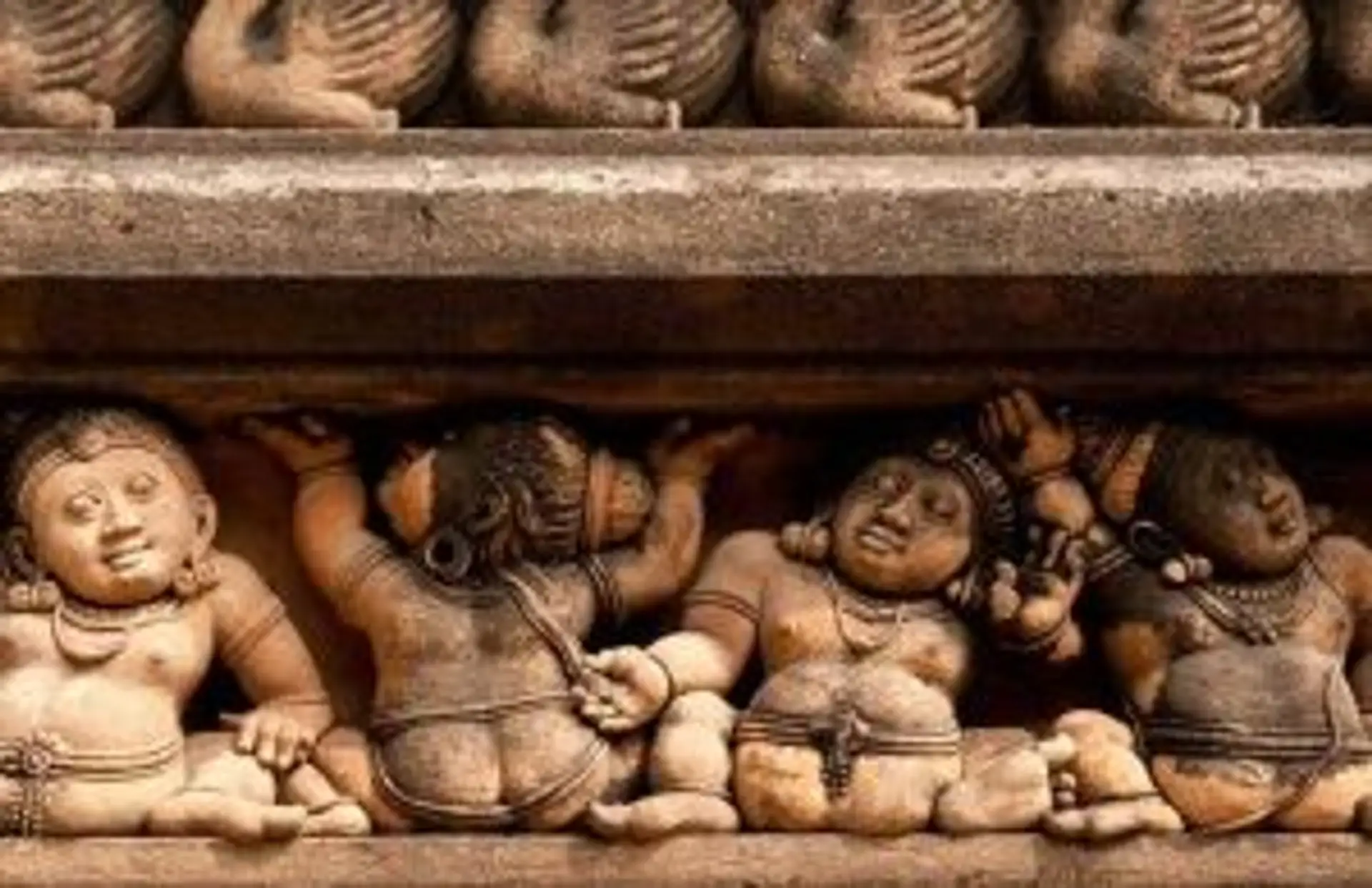
To fully understand the rich history of Sri Lanka, one must realize how this island, nestled in the Indian Ocean and now renowned for its beauty and diversity, has long been a vibrant crossroads of civilizations, religions, and trade. If you want to immerse yourself in the history of Sri Lanka, journeying across its ancient cities, sacred monuments, and colonial fortresses, you will see layers of eras unfold before your eyes.
To learn about the history of Sri Lanka, let’s start with its name. Originally called Lanka, a word that simply means ‘island’, the land was successively known as ‘Taprobane’ by the Greeks, ‘Serendib’ by the Arabs, ‘Celao’ by the Portuguese, ‘Ceylan’ by the Dutch and ‘Ceylon’ by the British, before reclaiming a version of Lanka in 1972. The addition of ‘Sri’, which means ‘resplendent’, gives us the modern name Sri Lanka – the ‘Resplendent Island’. This evocative name reflects the region’s allure, famed for its gems, spices (notably cinnamon), and elephants, attracting traders and travelers for millennia. Over centuries, Sri Lanka became a unique fusion of ethnicities and cultures, despite the many conflicts that have marked its history.
Let’s take a tour through the eras that have shaped the history of Sri Lanka—traces of which can still be found today in the island’s remarkable archaeological sites and living traditions.
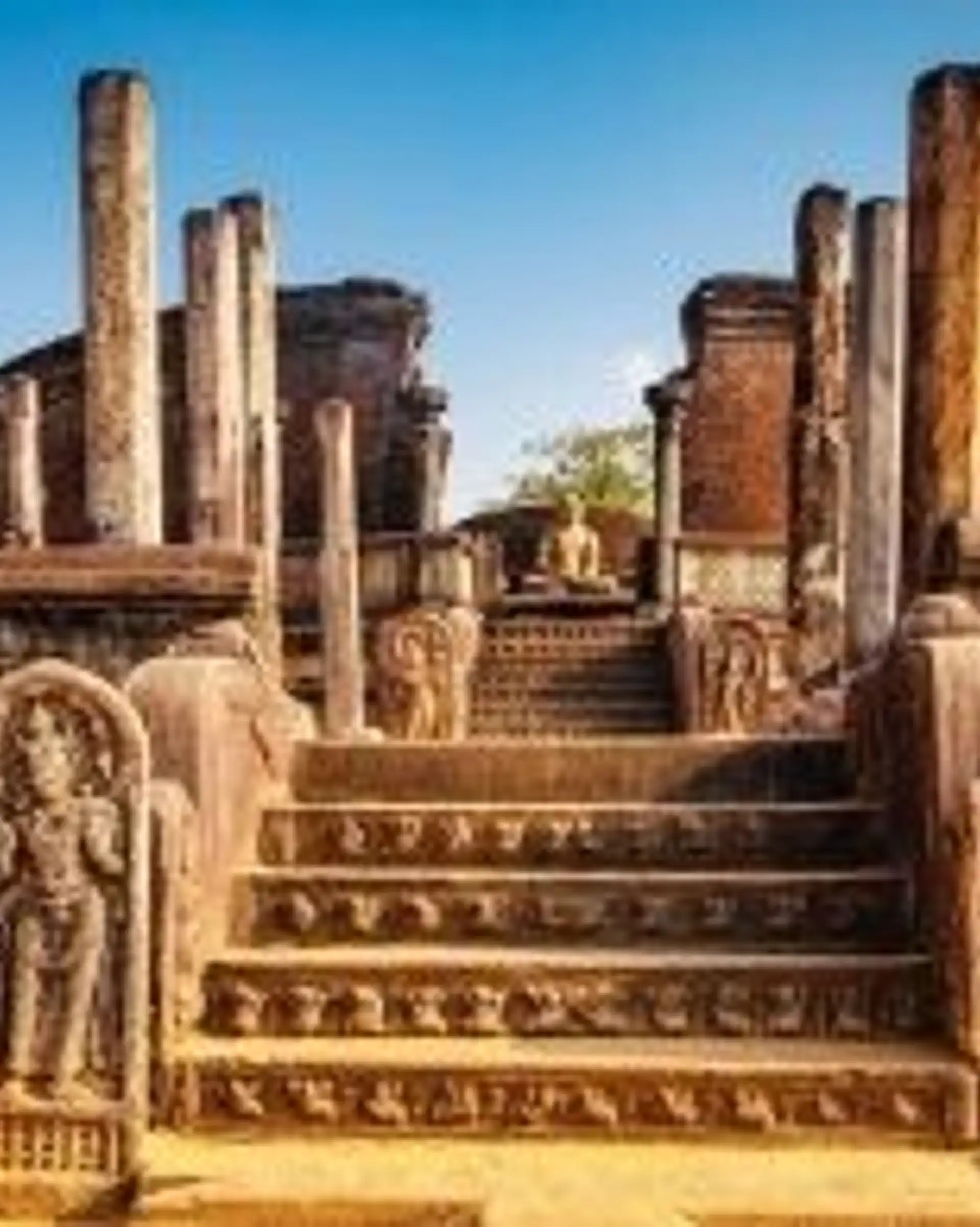
The Sinhalese of Indo-Aryan origin are said to have arrived around the 5th century BCE, led by Prince Vijaya, settling the west coast. Meanwhile, Tamils of Dravidian origin migrated from southern India from the 3rd century BCE through the medieval period. The emergence of major kingdoms—Anuradhapura (c. 377 BCE–1017 CE) and Polonnaruwa (1055–1255 CE)—saw remarkable irrigation feats, the spread of Buddhism, and the construction of monumental architecture.
During these periods, Sri Lanka’s mastery of hydraulic engineering (vast reservoirs and ancient canals) and religious artistry set the island apart in South Asia.
Following the Polonnaruwa era, political power fragmented and moved south, notably to Kandy by the 13th century. While internal divisions grew, the island’s ports became renowned stopping points for traders from Rome, Arabia, China, and Southeast Asia, further shaping Sri Lanka’s history.
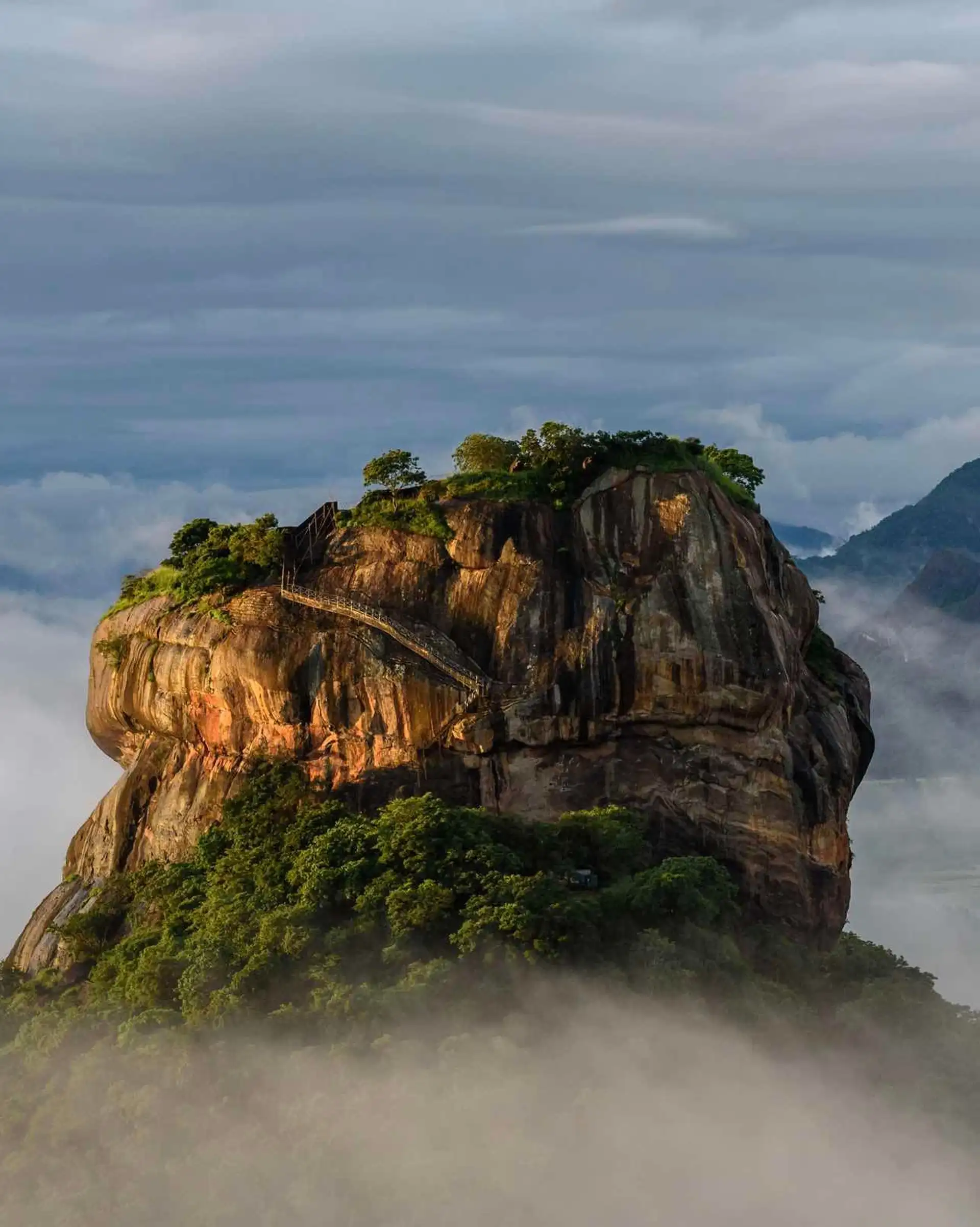
The historic Sigiriya rock fortress—one of Asia’s most breathtaking archaeological wonders—dates from the 5th century and showcases ancient engineering, royal ambitions, and elaborate murals.
Starting in 1505, the arrival of Portuguese traders marked a new era. They imposed control over coastal regions, bringing Christianity and fortifications. The Dutch supplanted them in the 17th century, establishing further trade monopolies and influencing local governance and customs. By 1796, the British controlled the entire island, finally annexing Kandy in 1815.
Under British rule, Sri Lanka underwent massive change: new administrative systems, English education, modern roads and railways, and the introduction of plantation economy—first coffee, then tea. This economic revolution brought waves of Tamil laborers from India, leaving a lasting mark on island demographics and culture.
Colonial history is still visible in the island’s architectural legacy, from Colombo’s stately buildings to the well-preserved Galle Fort, a UNESCO World Heritage Site that stands as the best-preserved example of a European fortified city in South Asia.
After achieving independence in 1948, Sri Lanka—then called Ceylon—navigated a complex era of political and social change. It declared itself a republic and adopted the name Sri Lanka in 1972. While the early decades were marked by hope and modernization, ethnic tensions between the Sinhala majority and Tamil minority escalated, leading to the devastating civil war from 1983 to 2009.
The war’s legacy is still deeply felt in the national psyche: social fragmentation, challenging reconciliation, and contested memories remain. The northern and eastern regions particularly bear the scars of conflict—and yet, today, they also stand as symbols of resilience, cultural revival, and the tireless efforts of communities working towards healing and unity.
Sri Lanka faced further adversity with the catastrophic tsunami of 2004, which took more than 30,000 lives, especially devastating the south and east coasts.
Today, the country is experiencing a period of stability and renewal, with dynamic economic sectors, especially tourism, and a reinvigorated sense of identity. Sri Lanka remains a land where historical memory is honored, and cultural heritage sites are preserved and celebrated.
Maritime trade has always been a powerful force in Sri Lankan history. Its strategic position in the Indian Ocean made it a meeting point for East and West, transforming it into a bustling hub on ancient maritime routes. Merchants from Rome, Greece, Arabia, China, and beyond traded silk, spices, gems, and ceramics through Sri Lankan ports. This exchange went far beyond commerce: it brought new ideas, religions, and communities that contributed to the island’s cosmopolitan identity.
Religious influences are deeply woven into Sri Lanka’s story:
Remarkably, religious sites often stand side by side, and many local customs reflect a blending of traditions—a testament to Sri Lanka’s complex history of interfaith coexistence, even in the face of social divides.
If you travel with Shanti Travel through Sri Lanka, you have the opportunity to visit some of the most important historical sites:
Each site is a window onto a different chapter of Sri Lanka’s history, where stories of kings, monks, merchants, and colonists come alive.
The history of Sri Lanka is not only a chronicle of kings and empires or a sequence of conflicts and turning points—it is a mosaic of lived experiences, shared rituals, and resilient communities. Its ancient cities and sacred monuments, its vibrant festivals, and its people’s enduring spirit are reminders that the story of Sri Lanka is still being written.
At Shanti Travel, our in-depth knowledge allows you to journey beyond the surface and truly connect with the island’s remarkable historical legacy. Whether exploring a temple at dawn, learning about ancestral irrigation systems, or sharing a meal in a village shaped by centuries of cultural interaction, every step in Sri Lanka is a step through history.
Subscribe and receive our travel inspirations and practical advice twice a month.

Wanting to share your trip with a group?