To truly understand the cultural differences in Vietnam, it is essential to delve into the subtle nuances that shape everyday interactions. If you wish to experience these customs first-hand, a trip to Vietnam immerses you in the unique blend of tradition and modernity that defines Vietnamese society.
Our philosophy at Shanti Travel when visiting any destination is to adapt to its habits and customs. A country heavily influenced by Chinese civilization, local religions, and indigenous beliefs, Vietnam presents many cultural differences you should be aware of when travelling in Vietnam.
Here are the main cultural differences in Vietnam, deepened with insights from 20 years of travel expertise:
Social Hierarchy, Family, and Respect for Elders
Firstly, keep in mind that age determines a person's social status—much more than profession or wealth. Always be respectful and cordial to the elderly. Elders represent experience and wisdom; entering old age is honored.
- It is common (and polite) to ask about someone's age to address them properly.
- Vietnamese families are typically extended and patriarchal; respect for authority, loyalty, and honoring ancestors through family altars at home are central aspects.
Communication and “Face”
The Vietnamese are quite frank, often saying what they think. You may witness laughter in situations (such as someone slipping), but this reflects their directness without ill intent. However, communication can also be very indirect—especially to avoid causing embarrassment or making someone "lose face."
- Maintaining composure and keeping a smile is key; public displays of anger or frustration are strongly discouraged, as it can embarrass your counterpart and yourself.
- Eye contact is kept brief and indirect, especially with superiors. A nod or slight bow often replaces a direct greeting.
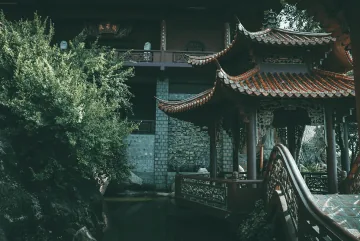
Visiting Temples and Pagodas
Before visiting a pagoda or religious temple, it is necessary to respect some rules:
- Always remove your shoes and socks before entering sacred places. Shoes are left outside.
- Wear conservative clothing that covers knees and shoulders; sarongs are often available if needed.
- Never point the soles of your feet toward an altar or religious statue—feet are considered the lowest and least respectful part of the body.
- Avoid touching someone’s head, as it is regarded as the most sacred body part.
Dining Etiquette and Daily Customs
When dining or exchanging items:
- Use both hands when giving or receiving anything, from money to gifts. This small gesture demonstrates respect and politeness.
- Avoid sticking chopsticks upright into food, particularly rice—this strongly resembles offerings made to the deceased.
- If invited to someone’s home, it is customary to bring a modest gift (such as fruit or a souvenir from your home country). Gifts are given and received with both hands, and may sometimes be politely refused at first out of humility—this is a sign of respect.
Gender Roles and Personal Space
- Vietnam remains somewhat traditional regarding gender roles: women tend to have more reserved social behaviors, and public displays of affection—such as hugging or kissing—are uncommon and may make locals uncomfortable.
- You may see same-sex friends holding hands as a sign of friendship, which is not an indication of romantic involvement.
Taboos and Practical Social Tips
- Avoid touching heads, even affectionately; only elders may touch a child’s head.
- Don’t cause a Vietnamese person to "lose face"—public criticism or confrontation is avoided.
- Rural areas are more conservative; customs involving greetings, attire, and gender interaction are stricter than in the cities. Always observe locals to get a sense of what is considered respectful.
Traveler’s Practical Advice from Shanti Travel
Expert Tip: If unsure how to act in a given situation, observe the behavior of your Vietnamese hosts and discreetly follow their lead. Approach all interactions with humility and good humor—showing respect for these subtle cultural differences will always be appreciated.
Understanding and respecting these cultural intricacies ensures your journey in Vietnam will be smoother and far more enriching. At Shanti Travel, we have found that embracing these traditions opens the door to far deeper connections and unforgettable memories.














To truly understand the cultural differences in Vietnam, it is essential to delve into the subtle nuances that shape everyday interactions. If you wish to experience these customs first-hand, a trip to Vietnam immerses you in the unique blend of tradition and modernity that defines Vietnamese society.
Our philosophy at Shanti Travel when visiting any destination is to adapt to its habits and customs. A country heavily influenced by Chinese civilization, local religions, and indigenous beliefs, Vietnam presents many cultural differences you should be aware of when travelling in Vietnam.
Here are the main cultural differences in Vietnam, deepened with insights from 20 years of travel expertise:
Social Hierarchy, Family, and Respect for Elders
Firstly, keep in mind that age determines a person's social status—much more than profession or wealth. Always be respectful and cordial to the elderly. Elders represent experience and wisdom; entering old age is honored.
Communication and “Face”
The Vietnamese are quite frank, often saying what they think. You may witness laughter in situations (such as someone slipping), but this reflects their directness without ill intent. However, communication can also be very indirect—especially to avoid causing embarrassment or making someone "lose face."
Visiting Temples and Pagodas
Before visiting a pagoda or religious temple, it is necessary to respect some rules:
Dining Etiquette and Daily Customs
When dining or exchanging items:
Gender Roles and Personal Space
Taboos and Practical Social Tips
Traveler’s Practical Advice from Shanti Travel
Understanding and respecting these cultural intricacies ensures your journey in Vietnam will be smoother and far more enriching. At Shanti Travel, we have found that embracing these traditions opens the door to far deeper connections and unforgettable memories.