Your expert on destination India
Immerse yourself in the captivating world of Odisha, where ancestral traditions and warm encounters offer a truly unique travel experience off the beaten track. Discover rich tribal cultures and breathtaking landscapes for an unforgettable journey.
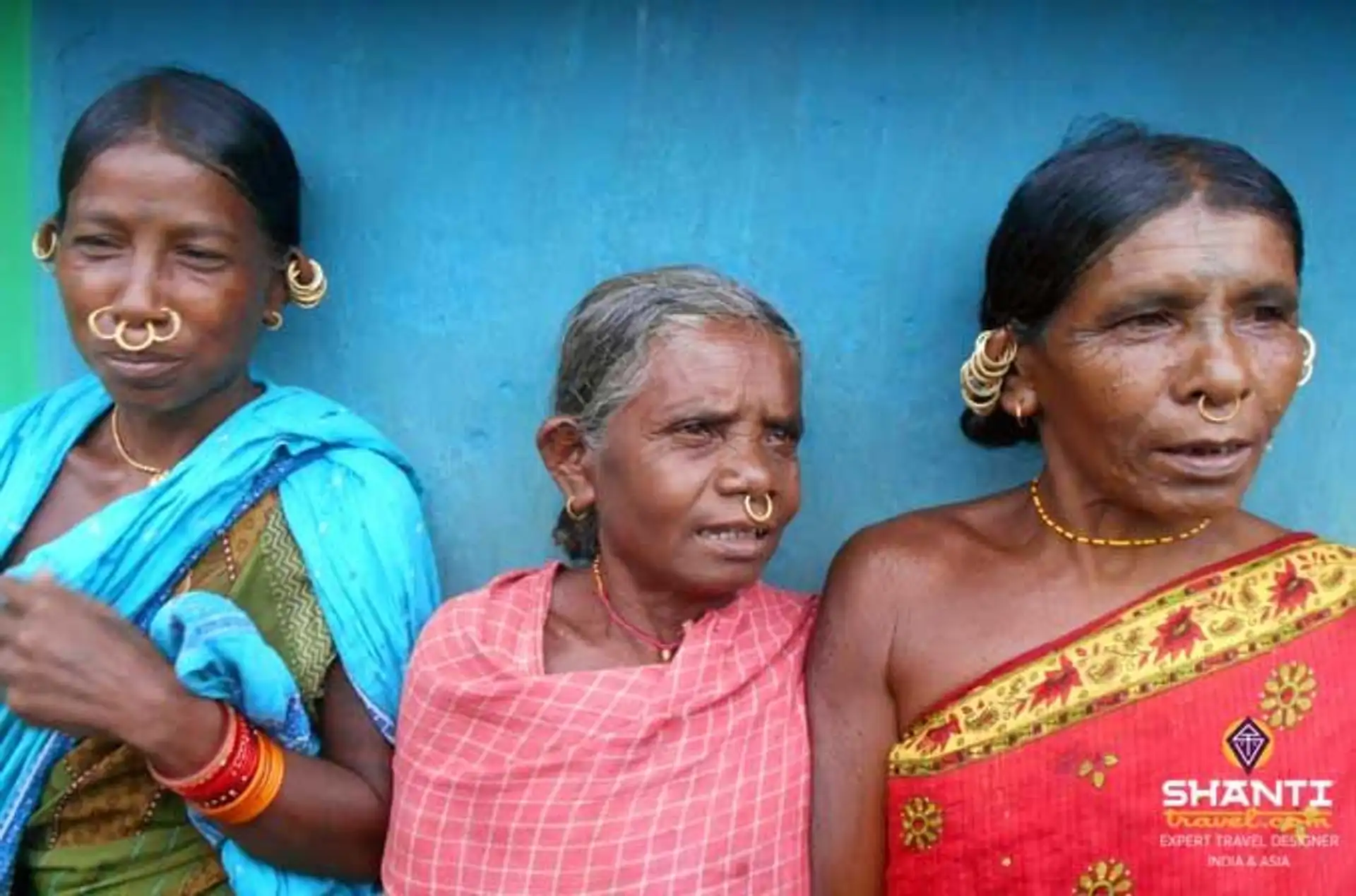
To truly experience India, nothing compares to meeting its people, and this is especially true in Odisha (formerly Orissa). Each encounter offers insights into fascinating traditions and compelling stories that shape daily life. On a trip to India, Odisha reveals a world apart, full of sincerity and human warmth.
Located on India's east coast along the Bay of Bengal, Odisha covers about 150,000 square kilometers, offering mountain ranges, valleys, and densely populated plateaus. With close to 40 million inhabitants, Oriya is the main language, and Hindi and English are less common in rural regions—reinforcing the value of traveling with a guide for deeper connections.
Odisha is famed for its Hindu traditions and is home to around 62 indigenous tribes. Major groups include the Bonda, Munda, and Santhal. Visiting tribal areas requires respect for local customs and sometimes special permits, especially for protected communities.
The climate includes a winter season (January-February), a pre-monsoon (March-May), and the monsoon season (June-September, southwest; October-December, northeast). The best periods for immersive visits are usually outside peak monsoon months, favoring comfortable explorations.
Bhubaneswar, the state capital, is the main gateway with ample domestic connections. Regional travel is possible by train, but venturing to remote tribal villages and weekly markets is best done by car to allow for spontaneous stops and local encounters.
Before heading off the beaten track, take time to discover iconic places:
Visiting tribal markets is often the highlight of a journey to Odisha. Weekly events, like the Thursday Bonda market in Jeypore or the Dongriya Kondh market near Rayagada, operate largely on a barter system and pulse with color and life. As local governments regulate access to protect communities, permits may be required. Guides play a crucial role in facilitating respectful interactions and sharing cultural context.
Here, exchanges go beyond goods—stories, smiles, and traditions are freely shared. Women gather honey from forests to craft local liquors and communities practice traditional skills amid communal laughter. Participation in these markets is an immersion into an age-old way of life, sometimes punctuated by games or impromptu village dances.
Beyond tribal villages, many semi-tribal communities greet visitors with open curiosity. Shy children quickly become playful companions, eager to connect despite language barriers. With the help of a knowledgeable guide, these exchanges blossom into shared laughter, warm invitations to drink chai, and tales passed down through generations.
Some villages are renowned for unique crafts—pottery, rice cultivation, or artistic expressions like colorful sculptures and paintings. Local creativity shines in workshops and markets, offering travelers beautiful souvenirs imbued with personal stories.
Recent government initiatives, such as the Swadesh Darshan 2.0 scheme, have enhanced tourism infrastructure across Odisha, prioritizing sustainable, community-driven projects. Travelers can now experience immersive stays in tribal villages, participate in ritual dances, enjoy local cuisine, and join eco-treks while supporting the livelihoods of indigenous groups.
International visitors require standard Indian visas, while Indian travelers only need valid ID. Itineraries typically begin in Bhubaneswar before venturing into the vibrant tribal heartlands of Koraput Valley and beyond. Responsible cultural tourism is emphasized, ensuring respect for traditions and tangible benefits for local communities.
Odisha remains one of India’s most authentic and preserved destinations, making it perfect for those seeking unique encounters and deep cultural immersion. Let yourself be inspired by the smiles and traditions of Odisha’s tribes, and bring home memories of a generous and welcoming India.
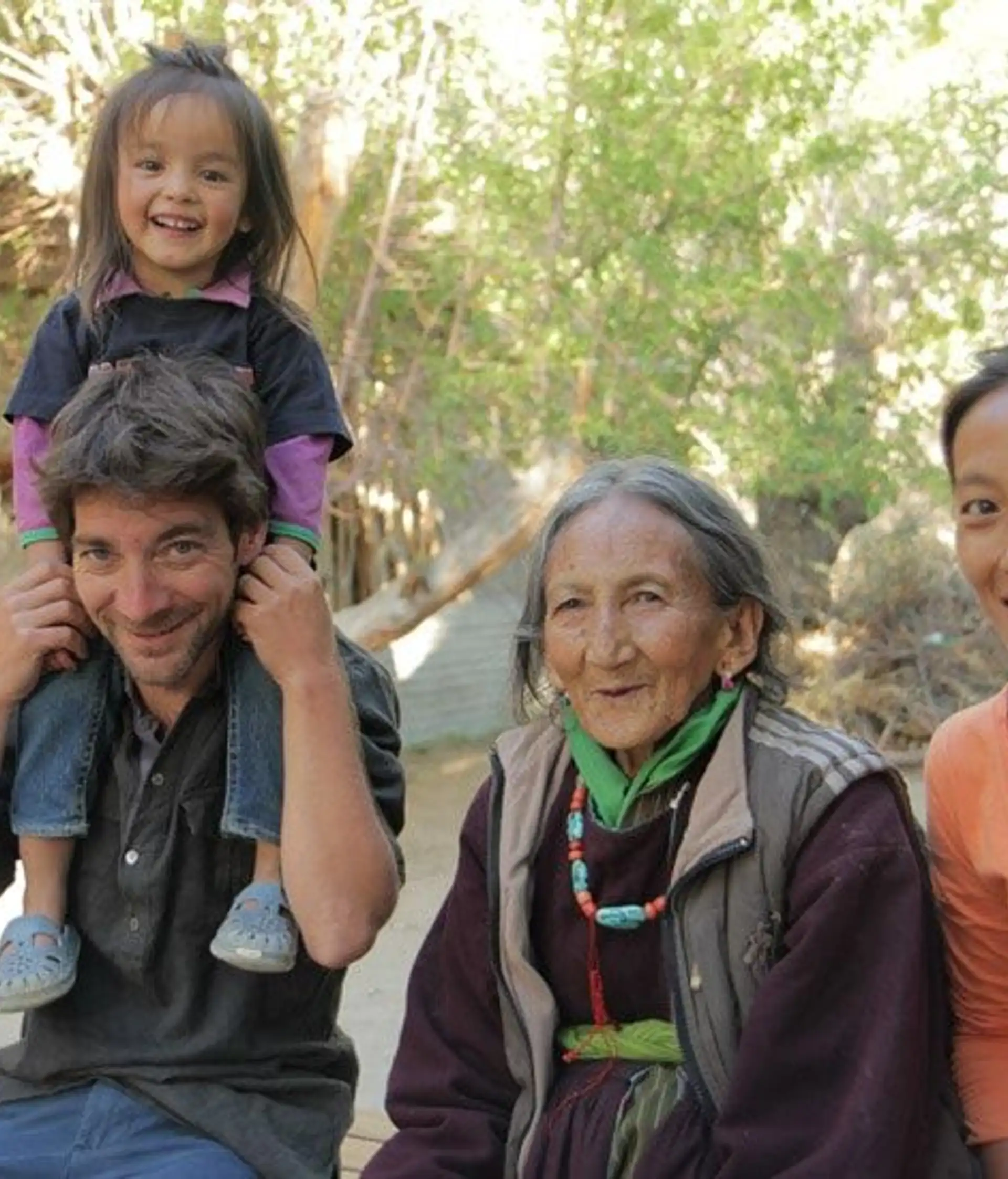
From 1780 €
From 1530 €
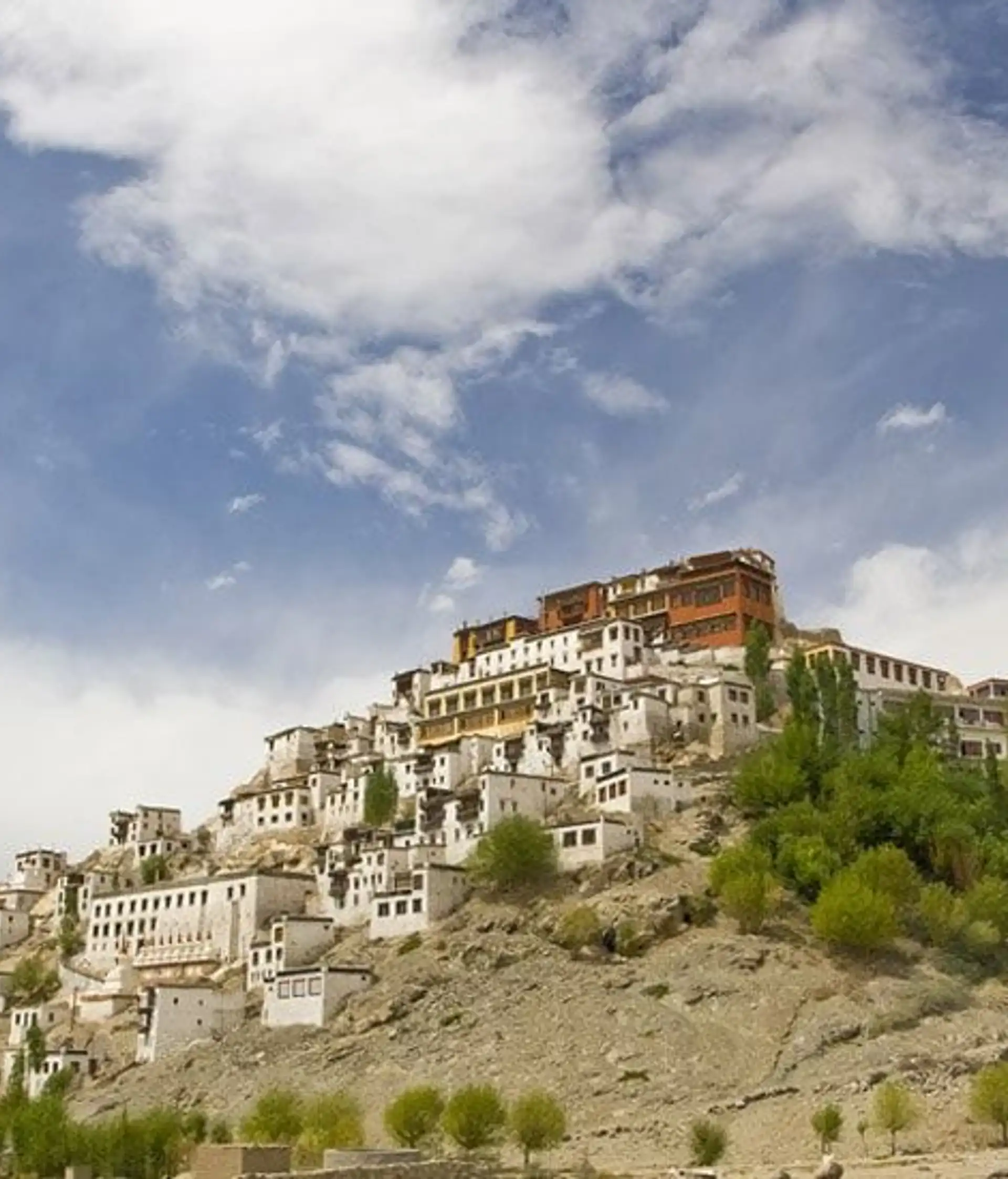
From 1022 €
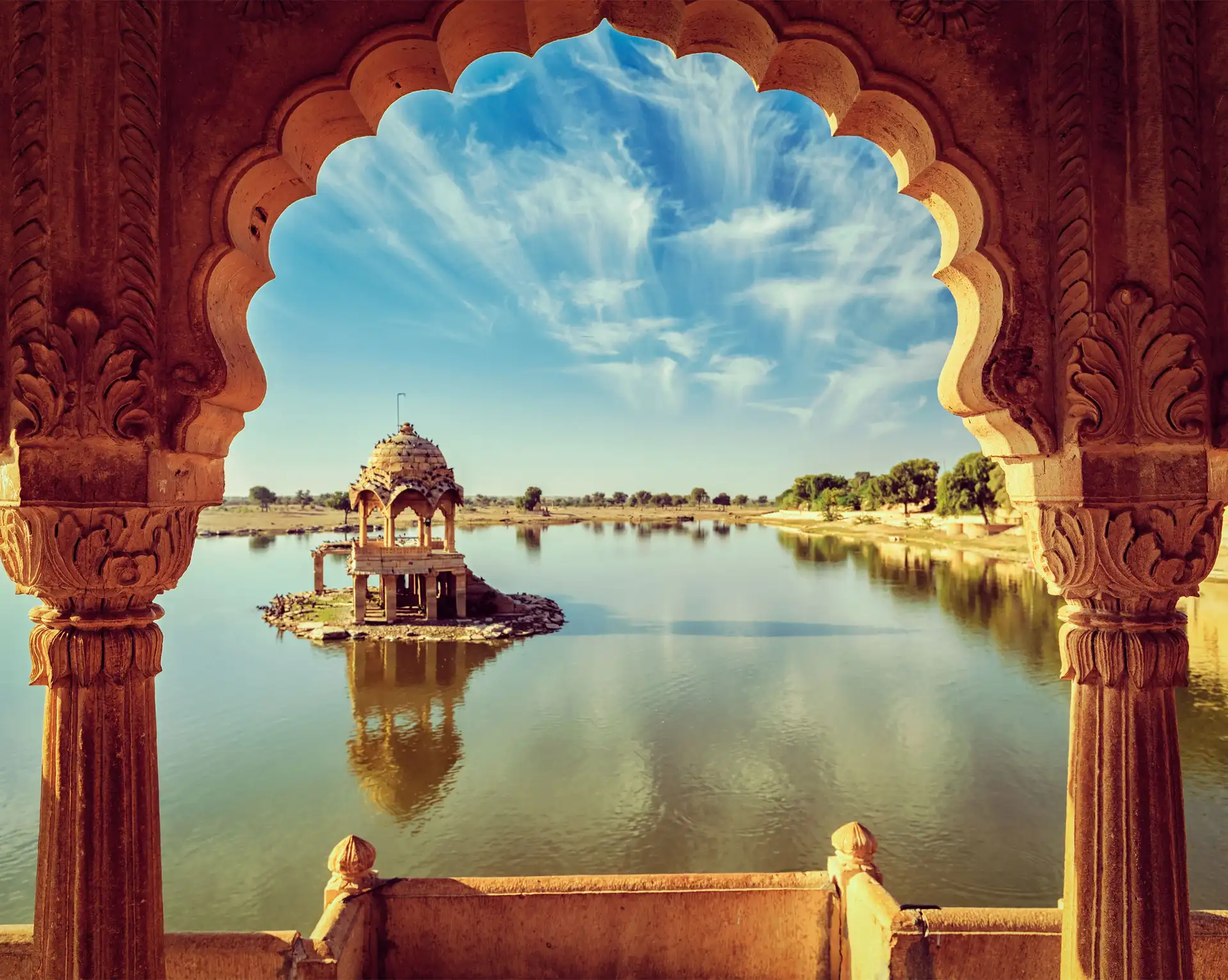
Traveling to India with family is a dive into a world of colors, traditions, and contrasts. But it’s also an adventure that requires careful preparation, especially when traveling with children. To help you get a clearer picture, here is an honest account full of practical advice for enjoying a trip to India with kids with peace of mind.
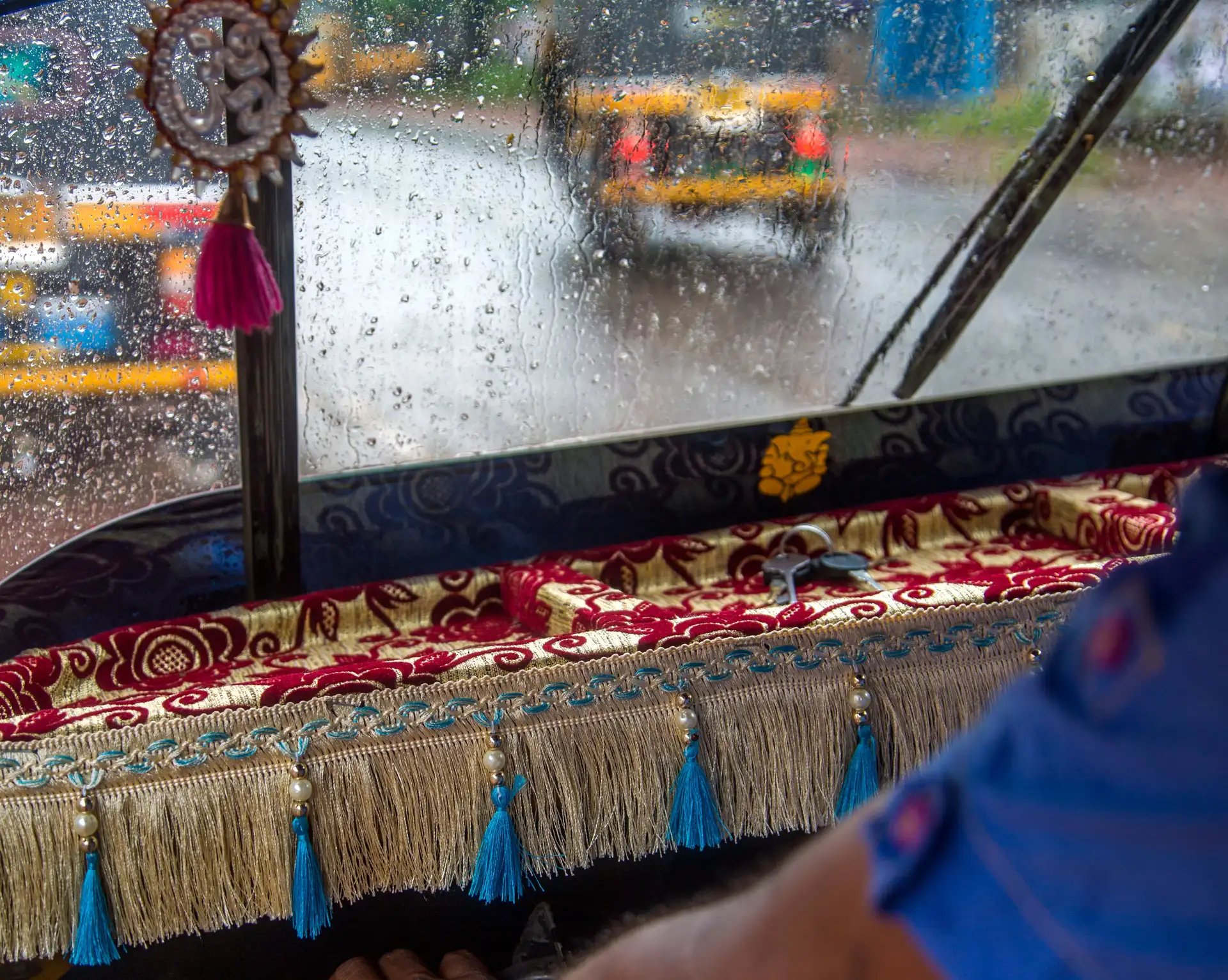
When I told my loved ones I was going to India... right in the middle of July, the reaction was unanimous: “But... it’s the monsoon! You’ll spend your vacation in the rain!” So yes, it rains. Sometimes heavily. Sometimes every day. But you know what? Traveling during the monsoon is far from a bad idea.
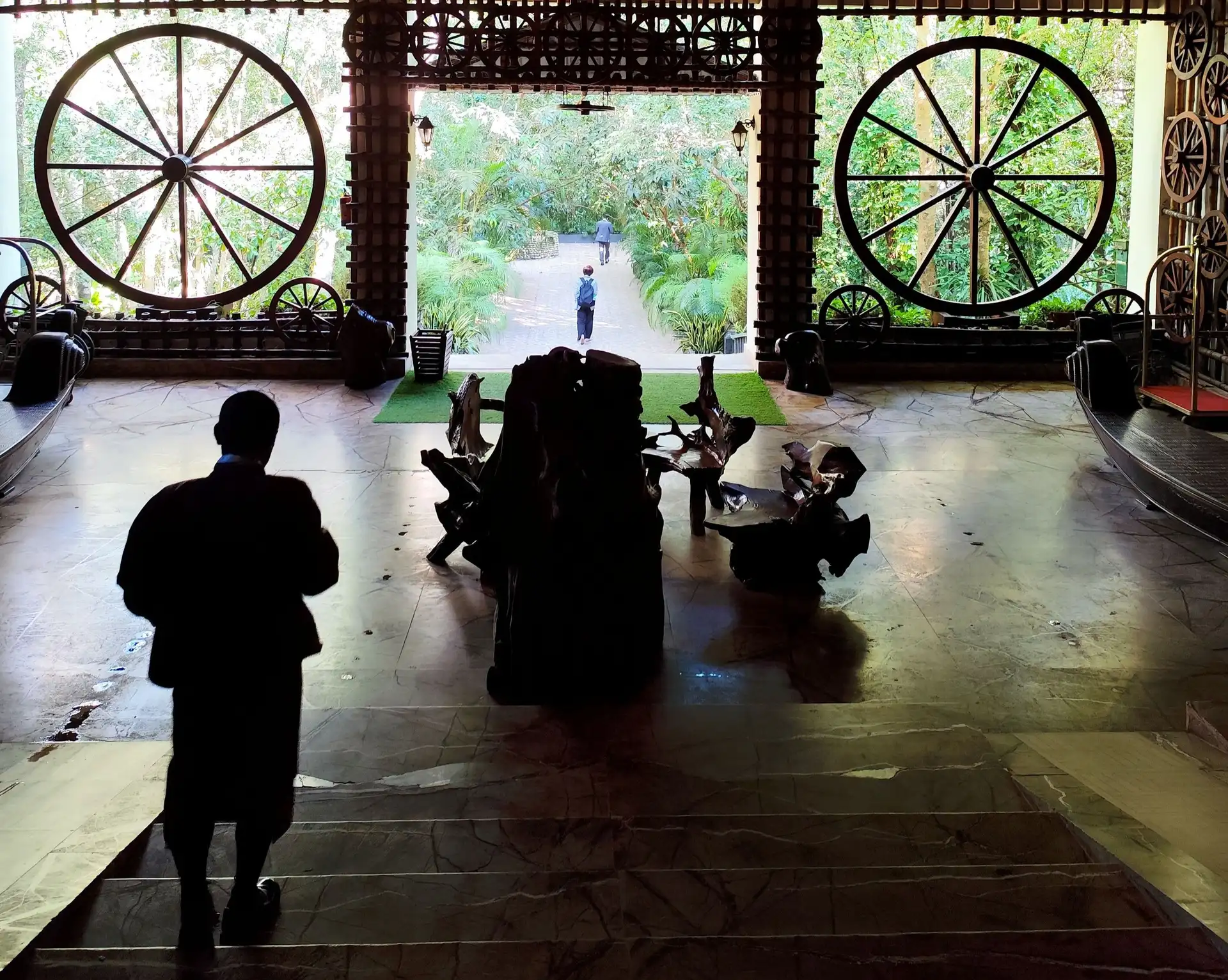
Assam offers a captivating escape for travelers seeking authenticity, nature, and vibrant traditions in one of India's most unexplored regions. Experience the essence of the Northeast as you journey through enchanting landscapes and a rich, living culture.
Subscribe and receive our travel inspirations and practical advice twice a month.

Wanting to share your trip with a group?