What to Eat in Indonesia
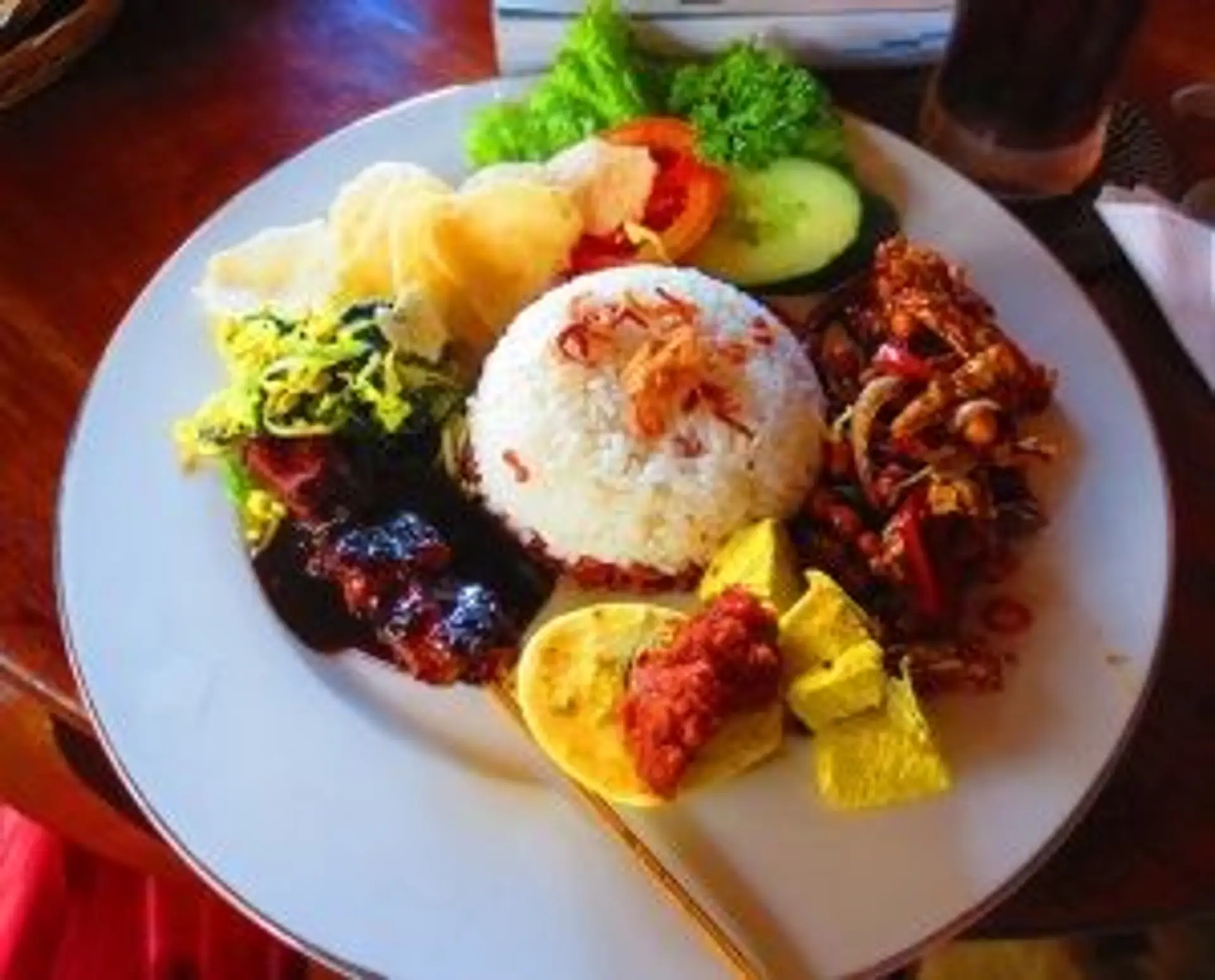
Discover Indonesian gastronomy on your trip to Indonesia and immerse yourself in one of the most vibrant and diverse food cultures in Asia. With over 17,000 islands, Indonesia’s cuisine is a tapestry of regional flavors, local customs, and centuries-old traditions that beckon travelers looking for an authentic culinary journey.
Where to eat in Indonesia?
Food in Indonesia is simple, full of herbs and spices, and varies in spiciness depending on where you are. The foundation of every traditional meal is white rice, though you’ll also find noodles, soups, and a remarkable variety of meat, seafood, and vegetables.
To truly experience the flavors of Indonesia, start with the street food scene. Try a khaki lima, the humble food cart wheeled through city streets, where you can sample snacks or a steaming bowl of noodle soup for just a few rupiah (less than a euro!). Head to a warung makan, the ever-popular local eateries offering buffets brimming with traditional dishes to accompany your rice. The cost is still minimal—one or two euros make a hearty, satisfying meal.
Of course, Indonesia’s metropolitan centers such as Jakarta and Bali also offer chic restaurants serving upscale Western and Indonesian cuisine. Whether you crave Italian, Japanese, Chinese, or prefer to savor refined Indonesian classics, the range is impressive and the prices remain reasonable by international comparison.
Understanding Indonesian Food Culture and Dining Etiquette
Dining in Indonesia is often a communal, family-style affair. Meals typically center on rice, accompanied by small side dishes of vegetables, meat, tofu, or tempeh. Especially in West Sumatra, the lavish nasi Padang style involves presenting dozens of small plates all at once—an expression of respect and hospitality. Eating with your right hand (or with a spoon and fork), sharing plates, and a relaxed, informal approach make meals both sociable and welcoming.
On special occasions, Indonesian ceremonial food culture shines. The festive tumpeng—a cone-shaped mound of yellow rice surrounded by symbolic side dishes—celebrates major life events and community milestones, reflecting Indonesia’s deep-rooted sense of togetherness.
Street food is both a daily ritual and a cultural institution. Dishes like martabak (pan-fried stuffed pancakes) or savory treats from a khaki lima cart are a fixture of Indonesian evenings, connecting food with social traditions.
Signature Flavors and Regional Variations
Indonesian cuisine is famed for its layered flavors, from the fragrant coconut milk of Sumatran curries to the sweet notes of Javanese soy sauce. Here’s a closer look at key regions:
- Java: Central and East Java dishes are known for their subtle sweetness, thanks to generous use of palm sugar and kecap manis (sweet soy sauce). Local favorites include gado-gado (vegetable salad with peanut sauce) and nasi kuning (fragrant yellow rice).
- Padang (West Sumatra): Padang food is rich, spicy, and aromatic, spotlighting coconut milk and chili. The renowned rendang (slow-cooked beef curry) is just one of many bold dishes—sampling a Padang feast means dozens of flavors at once.
- Bali: Balinese cuisine features distinctively spiced dishes influenced by Indian traditions. Ceremonial foods and pork dishes, like babi guling, are unique to Bali’s Hindu heritage. Don’t miss sate lilit—minced meat satay wrapped around lemongrass stalks.
- Jakarta (Betawi): The capital’s melting-pot cuisine blends Chinese, Arab, Indian, and European influences. Dishes like nasi uduk (fragrant coconut rice) and kerak telor (Betawi-style omelet) highlight this cosmopolitan spirit.
- West Java (Sunda): Sundanese cuisine values freshness and simplicity—think karedok (raw vegetable salad), lalab (fresh veggies with sambal), and light, herbal broths.
- Eastern Indonesia and Lombok: Here, expect more spice, abundant chili, and, in Muslim-majority areas, reduced use of pork.
What to eat in Indonesia?
Nasi Campur
The most readily available Indonesian staple—nasi campur (mixed rice)—features a heap of rice with your personal selection of vegetables, meat, fish, and fried treats. At local shops, simply point to the dishes you desire and make your own plate.
Babi Guling
A Balinese Hindu specialty, babi guling (roast suckling pig) graces the island’s biggest ceremonies. The preparation is spiritual as well as culinary, involving prayers and long, slow roasting. Slices of crisp pork, spicy veggies, black pudding, and rich organ meat make this a must-try for visitors to Bali.
Rendang
Originating in West Sumatra, rendang is a slow-cooked beef curry simmered with coconut milk and a vibrant blend of spices. There are endless variations, including versions with chicken, duck, lamb, or even vegetables. It’s legendary for its depth of flavor and tender texture.
Soto
An everyday favorite, soto is fragrant soup found everywhere—each region has its own version. Always herbal, usually bright with turmeric, and loaded with meats and vegetables, it’s soul-soothing on a rainy day or post-adventure.
Sate
Sate (or satay) is marinated, skewered meat—often chicken, but sometimes pork or other meats—char-grilled and served with a luscious, sometimes fiery, peanut sauce. Try the Balinese sate lilit for a local twist.
Mie Goreng/Nasi Goreng
Indonesian fried noodles (mie goreng) and fried rice (nasi goreng) are iconic dishes. Whether vegetarian, with chicken, or seafood, order the special version to savor toppings like fried egg, satay, or shrimp. It’s the comfort food of Indonesia—simple, filling, and totally addictive.
Bakso
Pop into a khaki lima or local canteen for a bowl of bakso—flavorful meatballs made with beef, chicken, or fish and served in broth. Customize yours with hot sauce or sweet soy for the real street-food experience.
Gado Gado
For vegetarians and omnivores alike, gado gado is a delight: crunchy, lightly blanched or raw vegetables, tofu, tempeh, and boiled eggs, all drenched in rich, creamy peanut sauce.
Tumpeng
More than a dish, tumpeng is a symbol of community and celebration—its cone-shaped yellow rice represents sacred mountains and is surrounded by delicious, symbolic side dishes during ceremonies.
Krupuk
Much like bread is in the West, krupuk (crispy crackers made from prawn, fish, or vegetables) is a ubiquitous side for almost every meal. Crunchy, salty, and fun, they’re an essential part of the Indonesian culinary experience.
Tempe
A staple protein source, tempe is made from fermented soybeans. With a nutty flavor and meaty texture, it’s fried, grilled, or added to stews, beloved by vegetarians and meat-eaters alike.
Dadar Gulung
This popular dessert consists of green pandan-flavored pancakes rolled around sweet coconut and palm sugar filling. Soft and aromatic, they’re a favorite treat at markets and family gatherings.
Martabak
A street-food superstar, martabak comes in both savory and sweet forms—the former is a fried crepe stuffed with spiced meats and veggies, and the latter (sometimes called terang bulan) is loaded with chocolate, peanuts, or even cheese. Cut into wedges, it’s a common nightlife snack.
Lesser-Known Indonesian Dishes
- Dendeng balado: Spicy fried beef strips from West Sumatra’s Minangkabau people, coated in a vibrant chili sauce for a taste explosion.
- Gulai tunjang: A rich, spicy curry made with slow-cooked beef tendon, beloved in Padang cuisine.
- Kupat tahu: A West Java breakfast or snack dish with compressed rice cakes, tofu, sprouts, and a tangy peanut and soy dressing.
- Colenak and Ulen: Sundanese delights—roasted fermented cassava and glutinous rice, each topped with sweet sauces.
Indonesian Sauces and Condiments
No conversation about Indonesian food is complete without addressing the condiments. Peanut sauce is ever-present, adding nutty depth to vegetables and satays. Daredevils can try one of the hundreds of variations of sambal—a chili paste ranging from tangy-mild to fiery-hot, unique to each island or even each household! Sweet soy sauce (kecap manis) and its salty cousin (kecap asin) are used liberally to season dishes and tableside alike.
Practical Tips from the Experts at Shanti Travel
- Don’t miss street food vendors (khaki lima) for an authentic and affordable taste of Indonesian daily life
- Ask at small, family-run warung makan for the best home-cooked flavors—often what’s on offer depends on the day and local availability
- Try eating with your hands to connect with local customs (washed beforehand, right hand only)
- Sample beyond the classics—regional specialties and lesser-known dishes add color and surprise to your culinary journey
For food lovers, Indonesian gastronomy invites discovery at every meal. Whether you’re feasting on Padang curries, sharing a celebration around a cone of tumpeng, or grabbing a snack at a bustling night market, Shanti Travel’s local experts are ready to share personal recommendations and ensure your culinary adventure is unforgettable.