Transportation in India: Trains, Flights & Local Travel
Getting Around India: An Expert Guide to Transportation
Discovering how to get around India is one of the keys to making your trip a success. With over 20 years of expertise at Shanti Travel, we know that understanding the diversity of Indian transportation modes, their advantages, limitations, and local practices allows you to approach the country with calm and openness.
Overview of Roads and Traffic
One essential piece of information to remember in India: don't rush. You will need to take your time and cannot see the entire country in three weeks. Consider distances and traffic differently—with patience and a smile. Often, travelers are surprised from the very first moments by the chaotic traffic and constant bustle on Indian roads. They resemble a theatrical stage where the actors are all kinds of obstacles. First potholes, cows, carts, trucks, vehicles driving the wrong way, pedestrians appearing out of nowhere, herds... and many more!
The near absence of road rules makes driving quite challenging for beginners, especially since in India, driving is on the left. Honking is not random: it is part of the road language and serves to signal rather than express impatience. The strongest and largest vehicle always has priority, of course! Nowadays, several expressways connect the main cities, and ambitious infrastructure projects are gradually changing the game. Safety is also improving: seat belts are now mandatory in front seats, and helmets are required on two-wheelers, including for passengers.
Expert tip: Driving yourself in India is rarely recommended. It's better to hire a professional driver who knows local rules and customs.
Urban and Long-Distance Buses
The bus remains one of the most used means of transport, both by locals and travelers. There are government companies (more basic) and private companies offering different comfort levels: ordinary buses, express, deluxe, "sleeper" (with berths), sometimes air-conditioned. Night journeys are common but comfort varies widely.
- Booking: For long-distance buses, prefer booking online on specialized platforms (e.g., redbus.in) to choose your seat and secure your trip. For local city buses, tickets are often purchased on board or at the kiosk.
- Comfort & Safety: Choose tourist or deluxe buses for long distances, travel during the day if possible, and always keep your personal belongings close.
- Regional differences: In large cities (Delhi, Mumbai, Bangalore, etc.), the network is well developed (buses, as well as metro and suburban trains). In some southern regions, certain routes are only available at ticket offices or through local agencies.
Rickshaws (Auto-Rickshaws or Cycle Rickshaws)
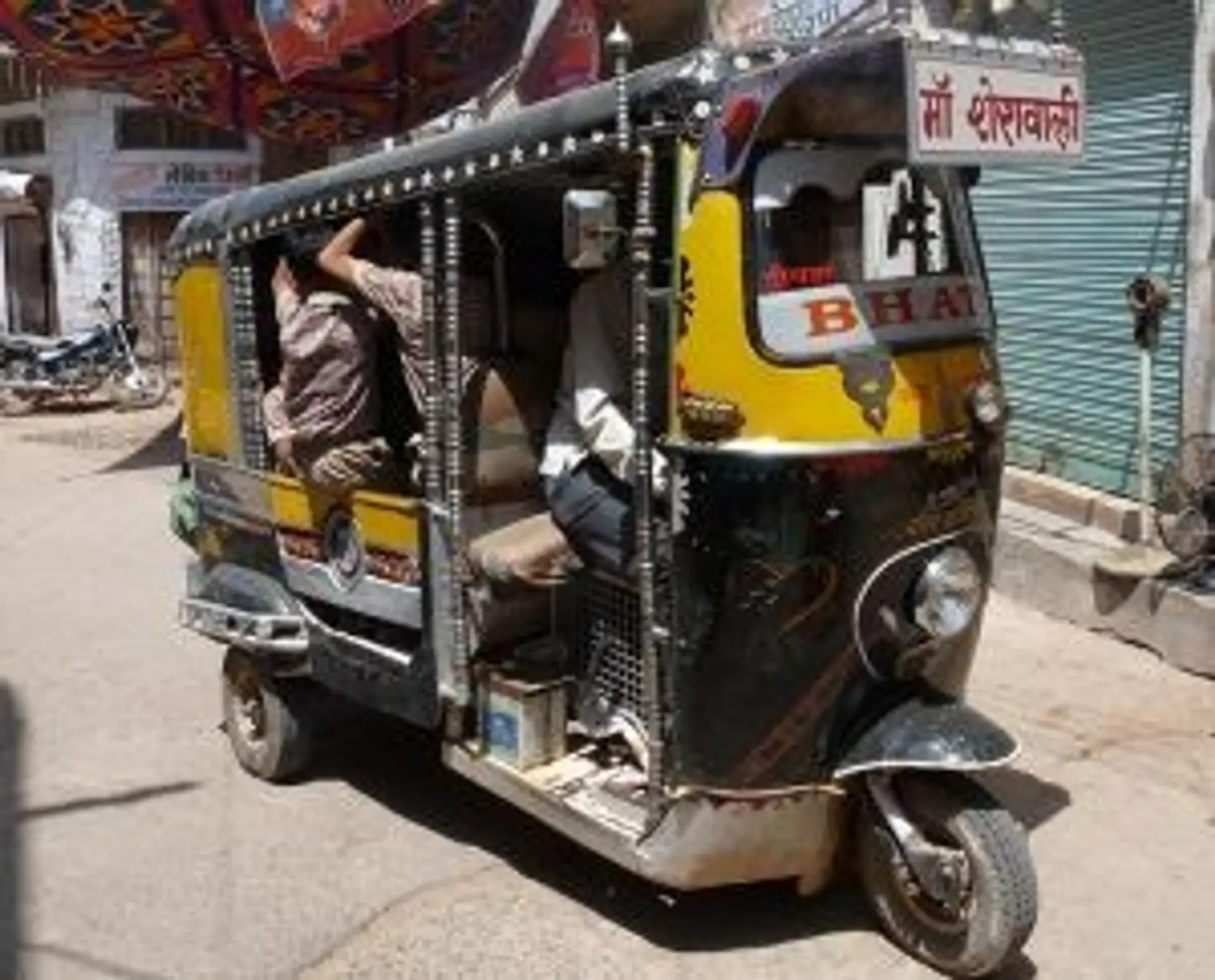
These motorized three-wheelers, omnipresent in cities, offer an authentic and practical experience for short urban trips. They weave everywhere and provide immediate immersion in Indian life!
- Practical: Always negotiate the price before getting in (even if there is a meter, it is not always used). A smile, a few words in Hindi, and a sense of humor quickly ease the interaction.
- Safety: A safe means for short distances, but avoid carrying valuables in plain sight. Always consult several drivers to compare offers.
Trains: The Art of Traveling the Indian Way
Beyond their primary function, trains in India represent a unique adventure. The railway network, one of the largest in the world, opens the door to all regions of the country—and offers an incomparable human tapestry.
- Booking: Tickets go on sale 120 days before travel. Plan ahead, especially in high season! For last-minute departures, the "Tatkal" system (special quotas the day before at a higher price) can save the day. Purchase tickets on the official IRCTC site, through an agent, or at the station counter (with paper forms).
- Classes: From simple non-AC seats to air-conditioned berths (2AC, 3AC), with variable standards. For optimal comfort and safety on long trips, prefer second or third air-conditioned class.
- Life onboard: Compartments are lively: vendors, local families, tourists, aromas of chai! Prepare locks and chains to secure bags under the seat and keep documents and money on you.
- Delays: Expect some timing surprises—track your train’s progress with apps like RailYatri or NTES.
- Atmosphere: The train brings together all social layers of India. Let yourself be carried by this unique and warm human experience.
Car with Driver
Hiring a car with a driver is the most common, safe, and flexible way to explore India off the beaten track. It is ideal for customized tours, particularly in Rajasthan, Tamil Nadu, or the Indian Himalayas.
- Operation: cars almost always come with a driver. Renting without a driver is very rare and generally discouraged.
- Booking: Ideally before arrival, through a trusted agency. Some drivers also double as informal guides, but a professional guide remains essential for in-depth cultural visits.
- Comfort: Private vehicle, stops on request, secure luggage. Some agencies offer WIFI, coolers, and water service on board.
- Limitations: Higher prices than collective transport and typically limited daily mileage. Prices rise during festivals and peak seasons.
Domestic Flights: Exploring India's Vastness
India's vast distances sometimes make flying indispensable. Several national and low-cost airlines operate in the country: Air India (national carrier), IndiGo, SpiceJet, AirAsia India, Vistara, among others.
- Main airports: Delhi, Mumbai, Bangalore, Chennai, Kolkata, and Hyderabad serve as major air hubs, well connected to key tourist destinations.
- Booking: Online (often via mobile apps) or through an agency. IndiGo is known for its efficiency.
- Formalities: Arrive 1.5 to 2 hours before the flight. Print your ticket and prepare for strict security checks. Rules on batteries, sharp objects, and liquids are enforced.
- Tip: Prices remain affordable outside holiday periods or national celebrations. Compare low-cost airline offers.
On Foot: The Art of Slow Discovery
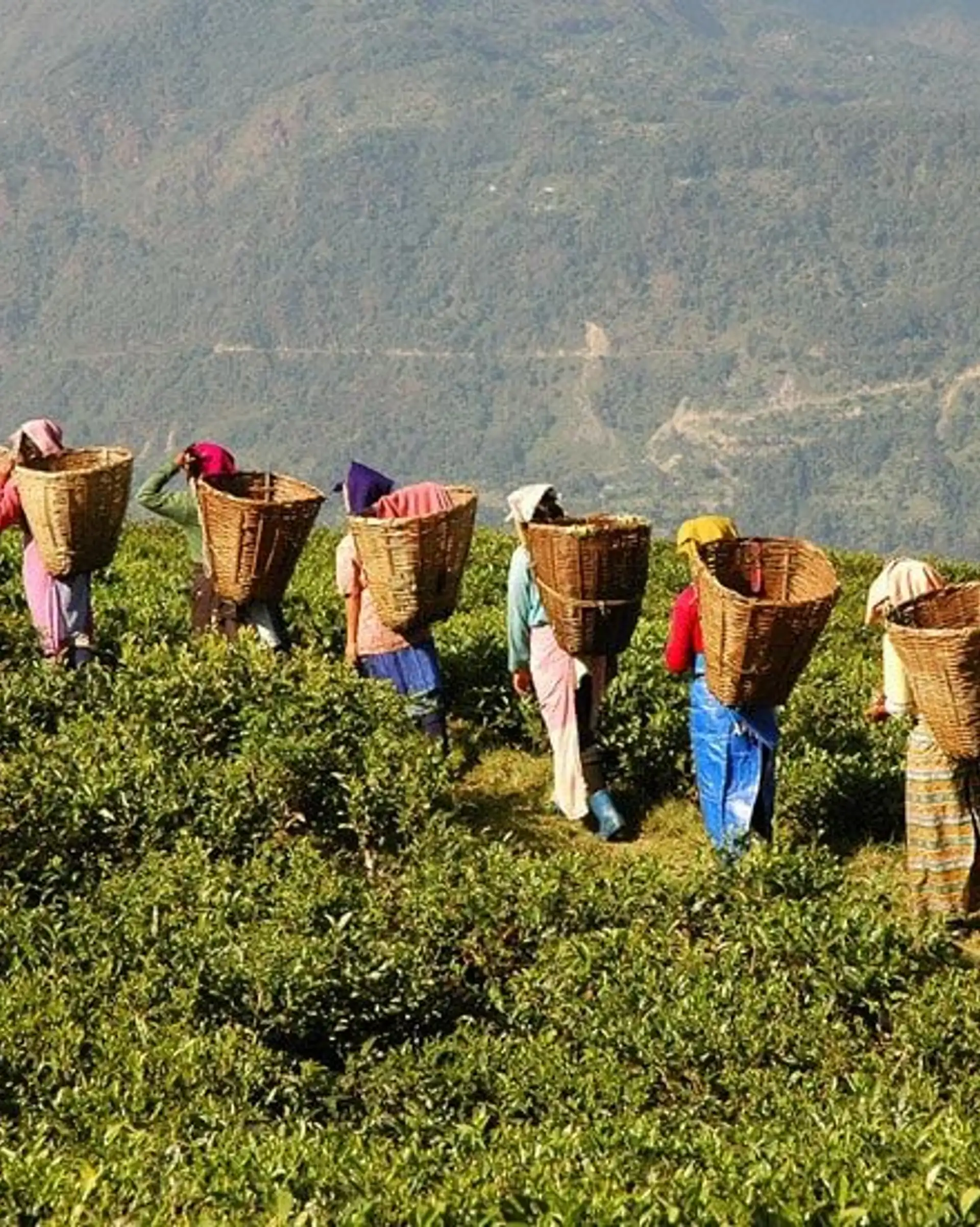
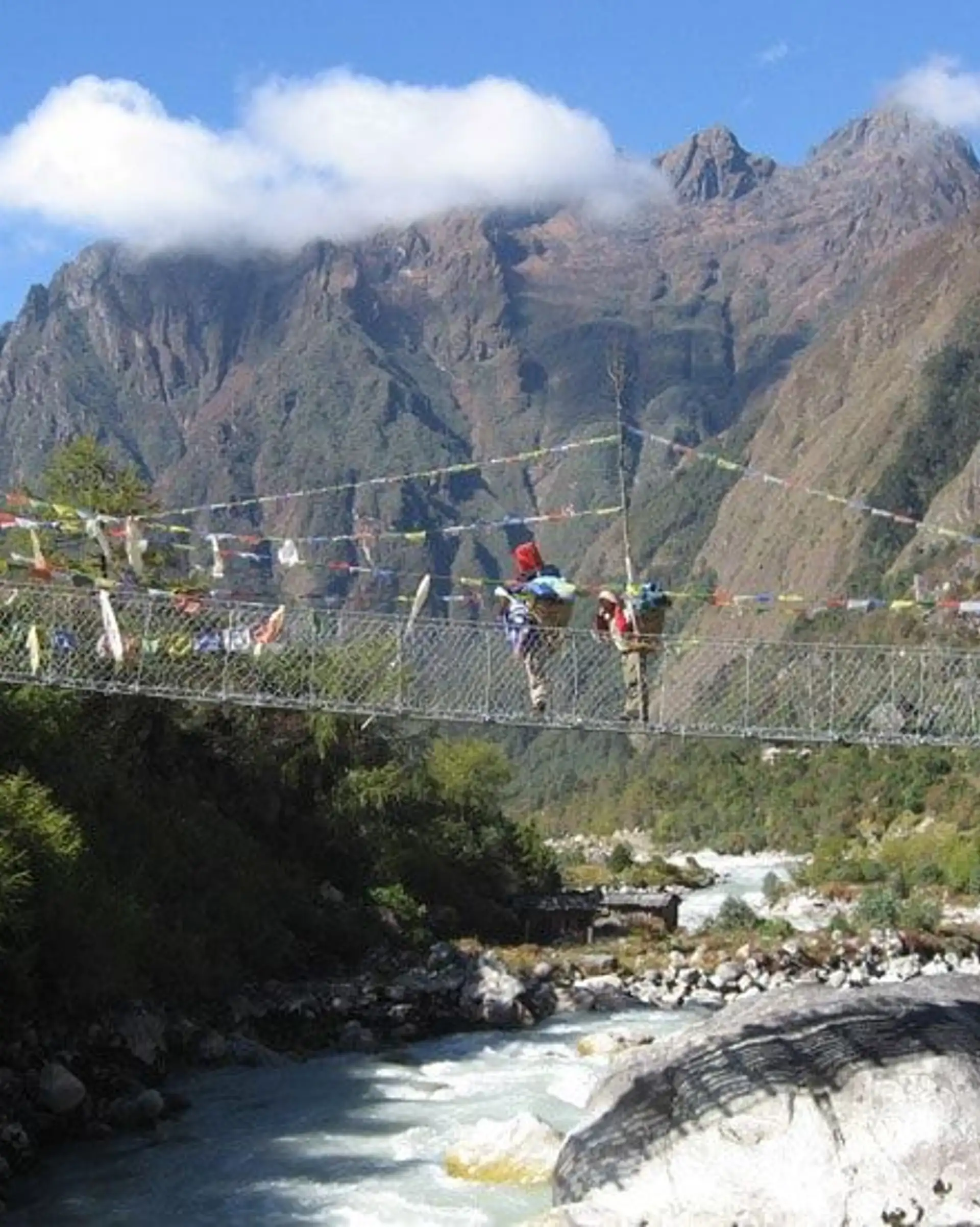
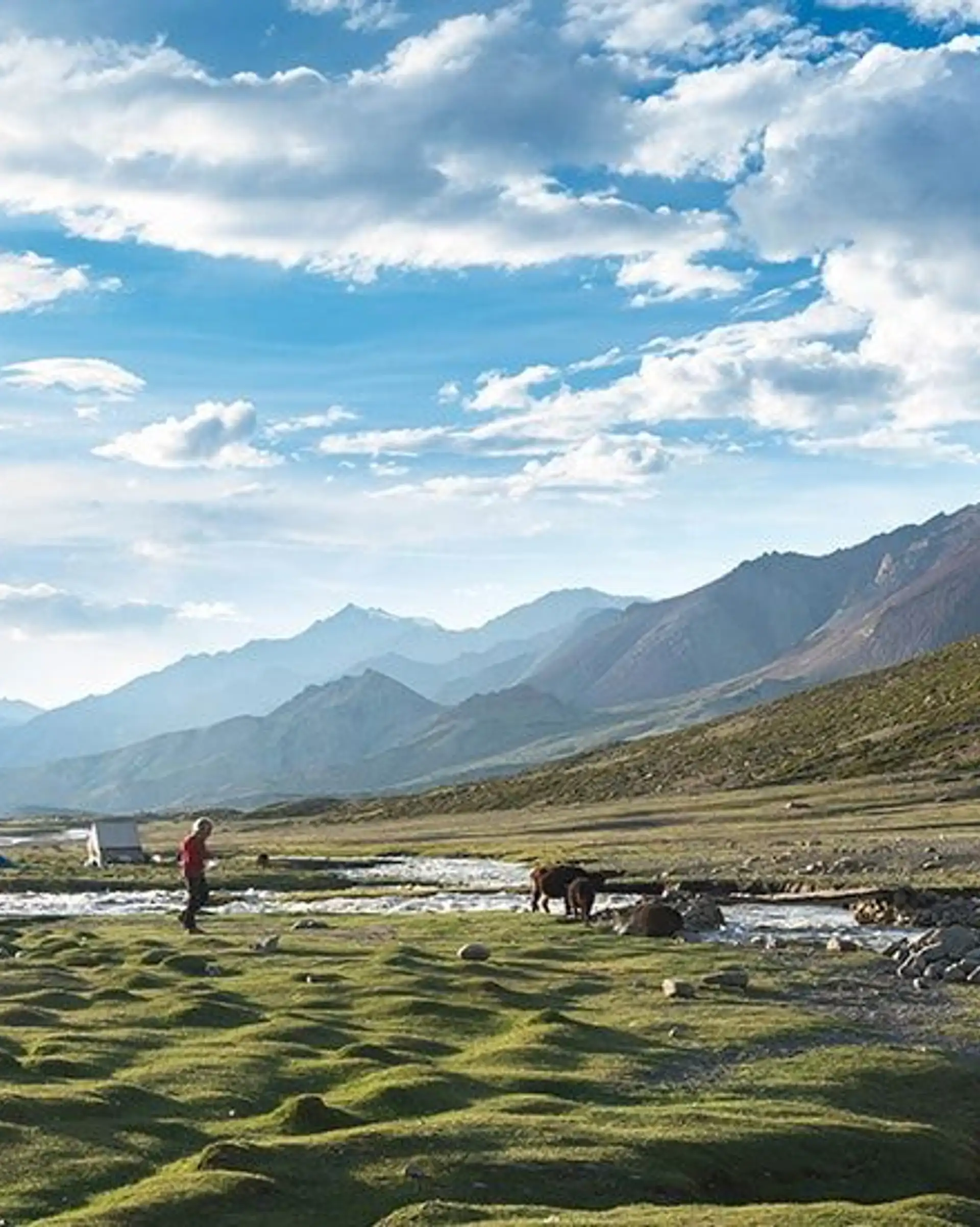
Walking part of India is a precious experience. Beyond the magnificent routes in Ladakh or Sikkim, walking lets you access isolated villages, cross tea plantations in Kerala, or traverse the southern ghats. In the East and Northeast, unusual treks open up to curious travelers (Assam, Arunachal Pradesh). Walking encourages exchange, contemplation, and… flexibility!
By Bicycle: Immersion and Gentle Adventure
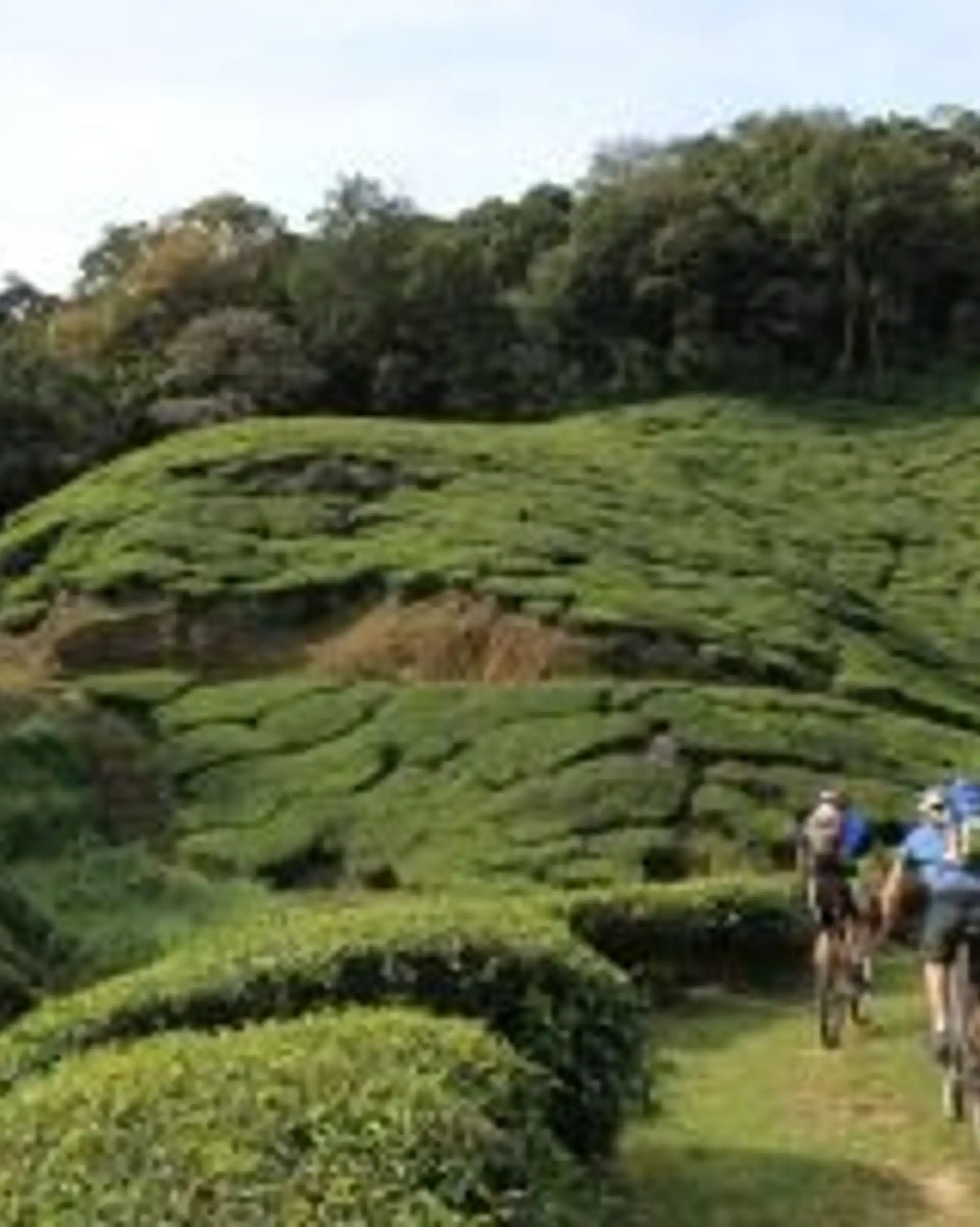
Cycling in India requires adaptation, caution, and preparation but offers rare freedom, especially in some corners of the Indian Himalayas or South India.
- Safety & Equipment: Rent from reputable providers (check brakes, tires, and lights), wear a helmet, ride during the day with lights and visible clothing.
- Routes: In the mountains (e.g., Spiti, Ladakh): favor short, gradual stages to acclimate gently. In the South (Kerala, Tamil Nadu), shaded roads and rural landscapes are well suited.
- Tips: Avoid big cities at peak hours, always share your route with someone, use GPS, and secure your bicycle when stopped.
On Horseback
Horseback trekking in India sparks the imagination, especially in Rajasthan on Marwari horses. It’s an opportunity to discover secret countryside unreachable otherwise and better understand rural India in all its hospitality. Be cautious: choose professional guidance and inquire about animal health conditions.
By Boat
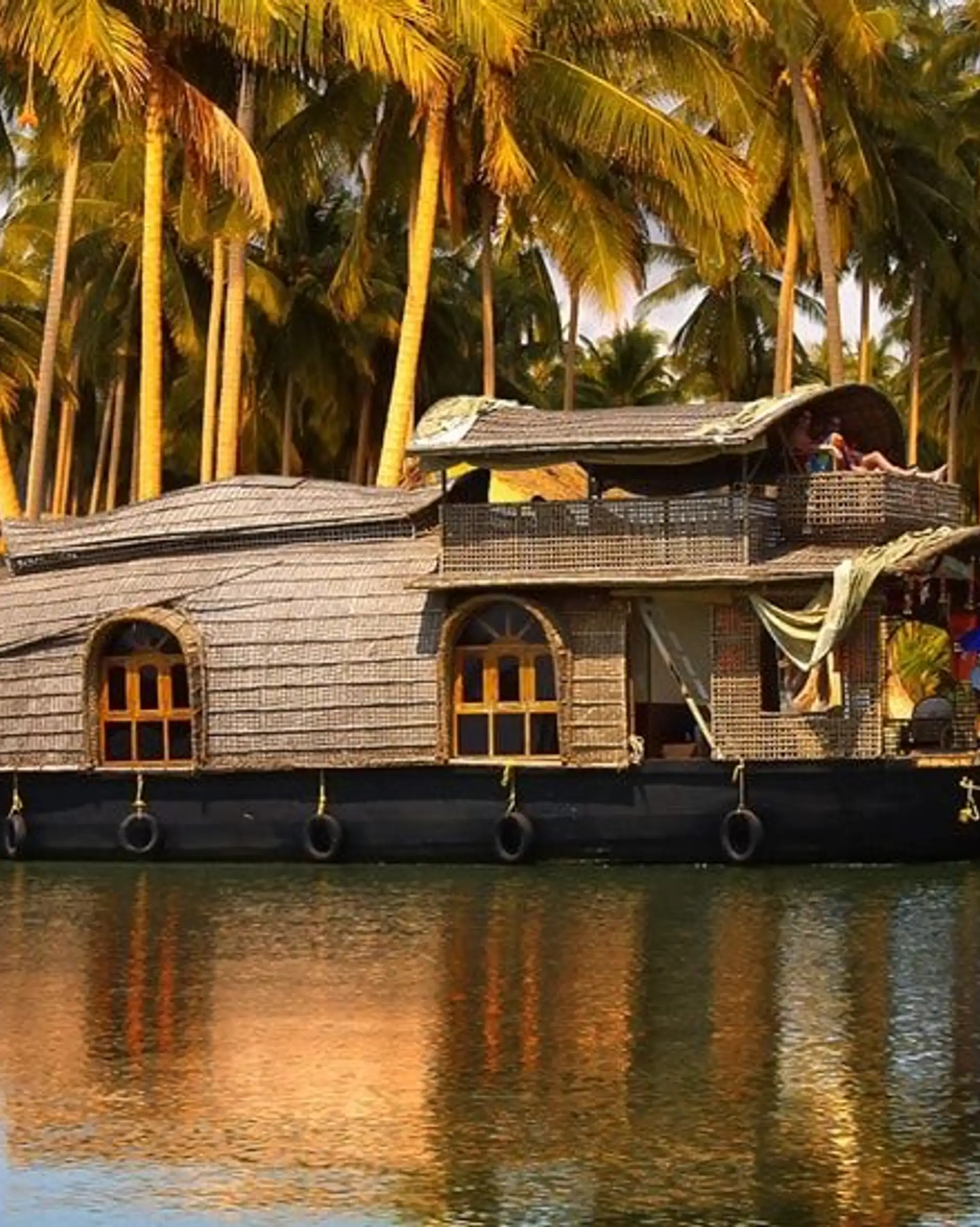
River tours offer a different perspective. Navigating the Ganges or Brahmaputra, gliding on Kerala’s backwaters on a houseboat, touches the soul of deep India, between riverside villages, pilgrimages, floating markets, and hidden beaches. Remember to book in advance during high season.
Getting Around India:
Your choice of transport in India will depend on your desired comfort, available time, region traveled, and type of adventure you seek. The Shanti Travel team tailors each itinerary according to your wishes, blending safety, authenticity, and immersion for an unforgettable trip to India.
Unsere lokale Agentur in Indien: Shanti Travel in Neu-Delhi
Kompetenz und Nähe im Herzen der indischen Hauptstadt.
Adresse: A5, FIEE Complex, Ma Anandmayee Marg, Block A, Okhla Phase II, Okhla Industrial Estate, New Delhi, Delhi 110020, Indien