China's 4 most spectacular landscapes
China is an immense country. It traverses an almost bewildering diversity of climates, cultures and landforms. It is often associated with its futuristic megacities and imperial treasures, but its natural landscapes are among the most impressive in Asia. From the karst peaks rising out of the mist to the colourful mountains of the Gansu desert, here are four spectacular sites that show another side of the country, and above all why they are worth the trip.

1) The hanging mountains of Zhangjiajie National Forest Park
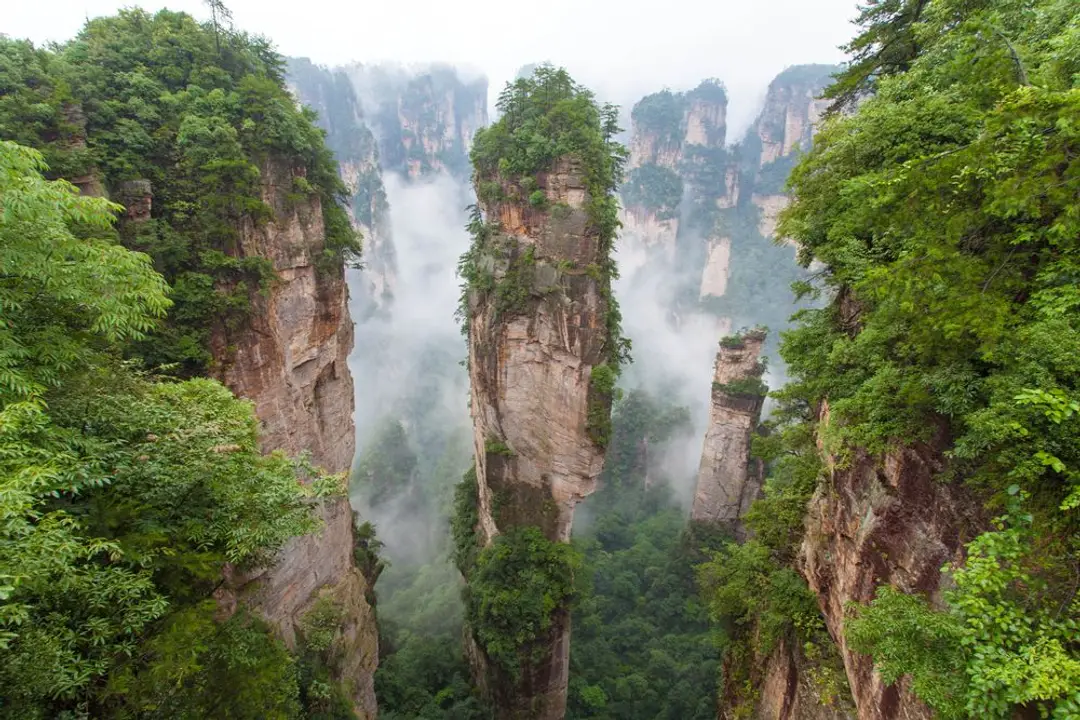
In Hunan province, Zhangjiajie seems to belong to another world. Hundreds of vertical rock pillars rise abruptly from the forest, sometimes shrouded in a thick mist that accentuates the impression of unreality. In fact, this landscape inspired the sets for the film Avatar, and once you're there, it's immediately clear why.
What makes Zhangjiajie spectacular is not just the height of the formations, but their density. As far as the eye can see, sandstone columns sculpted by erosion form a dizzying natural labyrinth. The viewpoints at Tianzi Mountain or Yuanjiajie offer breathtaking panoramas, especially at sunrise, when the peaks emerge from the clouds.
How do I get there?
Zhangjiajie has a domestic airport with links to major cities such as Shanghai and Beijing. The city can also be reached by fast train from Changsha. To get the most out of the park, you need to allow at least two days, as the site is vast and the distances considerable.
2) The River Li at Guilin
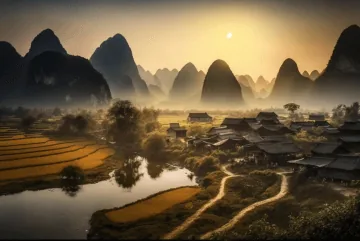
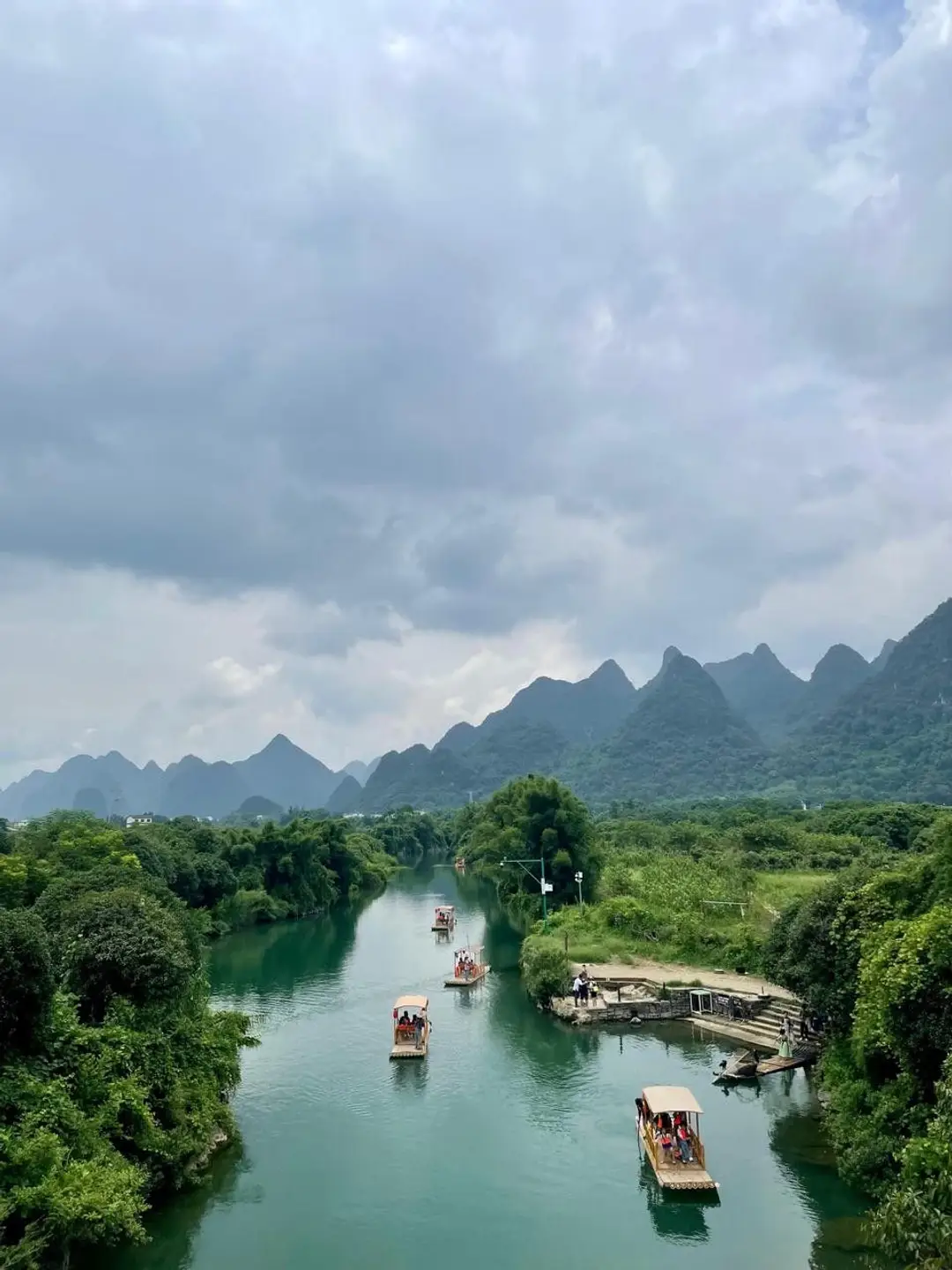
If Zhangjiajie impresses with its dramatic verticality, the Guilin region seduces with its gentleness. Along the Li River, rounded karst hills rise up in an almost unreal setting. This landscape is so emblematic that it features on 20-yuan banknotes.
The main activity in Guilin is sailing on the Li River. Morning mists envelop the mountains, fishermen still manoeuvre their cormorants from time to time, and rice paddies stretch out in the background. The atmosphere is peaceful, almost timeless.
The most famous route links Guilin to Yangshuo by cruise (around 4 to 5 hours), but it is also possible to opt for a bamboo raft for a more intimate experience. The region is ideal for cycling, especially around Yangshuo, where the roads pass through villages and cultivated fields.
The Li River in Guilin is one of my favourite places in China for its grandiose view of mountains as far as the eye can see.
How do I get there?
Guilin has an international airport and excellent rail links with Guangzhou, Shenzhen and Hong Kong. It is one of the most accessible regions for discovering the karst landscapes of southern China.
3) Tiger Leaping Gorge
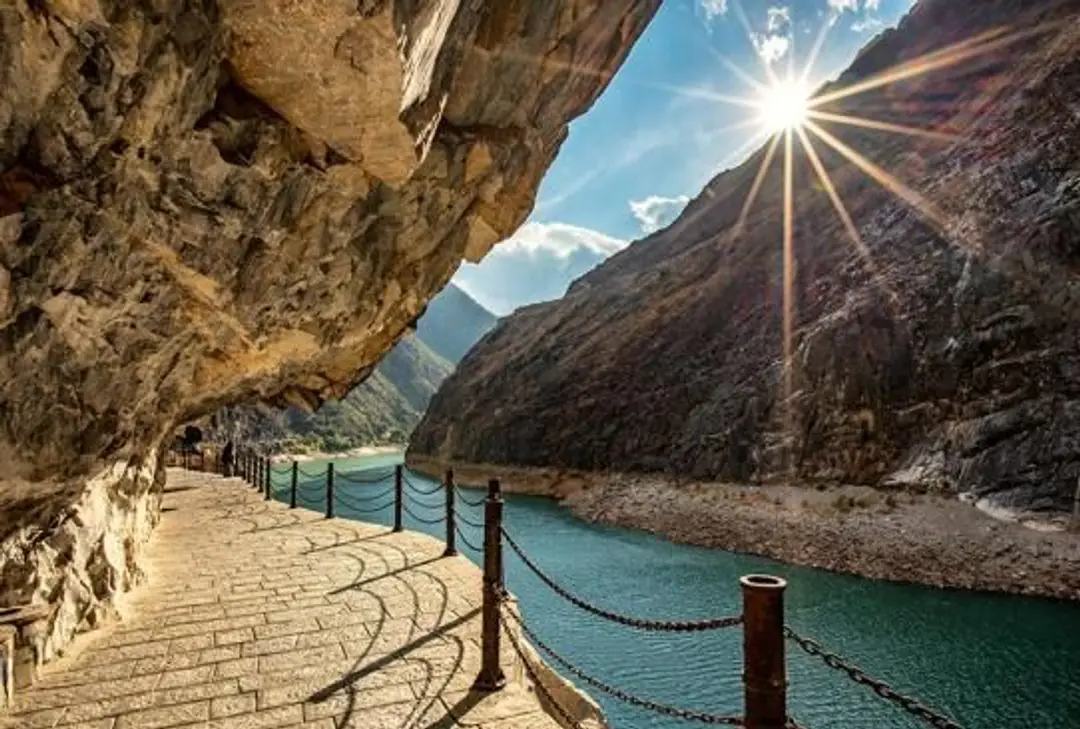
In Yunnan, the Tiger Leaping Gorge offers a completely different spectacle: here, there is no gentleness, but rather a wild and grandiose nature. The gorge, carved out by the Jinsha River (a tributary of the Yangtze), is considered to be one of the deepest in the world. It winds its way between peaks over 5,000 metres high. The contrast between the tumultuous river below and the snow-capped mountains above is breathtaking. It's a place that has to be earned: to really appreciate it, you have to walk. The hiking trail follows the gorge, offering spectacular views at every turn. Physical effort enhances the intensity of the landscape. For travellers in search of adventure and nature, this is a place not to be missed!
How do I get there?
The gorge is usually reached from Lijiang (domestic airport), then by bus or private car (about 2 hours). A one- or two-day hike will allow you to enjoy the site to the full.
4) The unreal colours of Zhangye Danxia
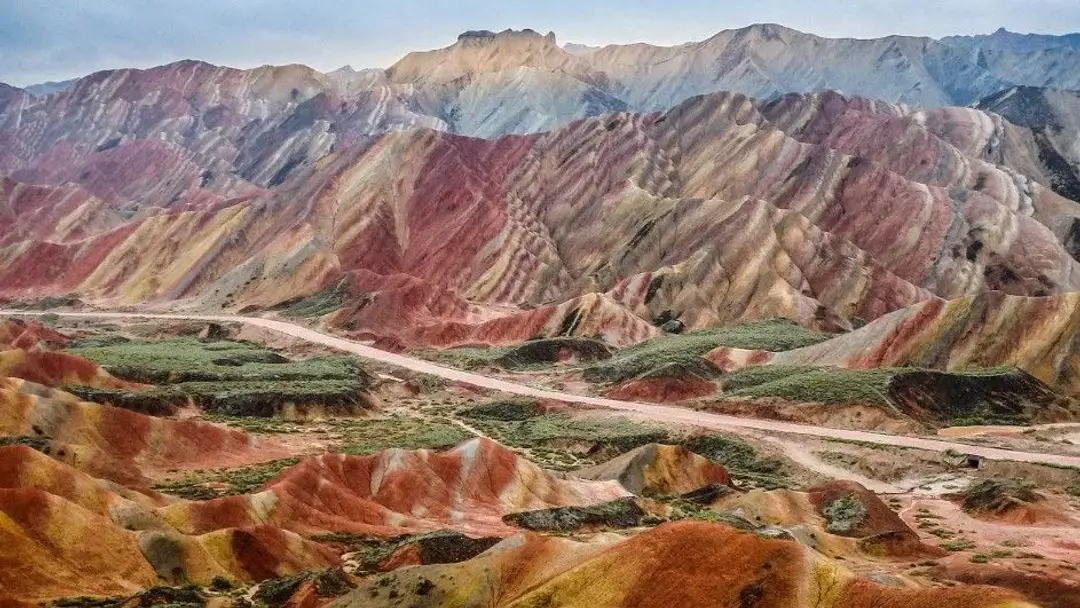
In the province of Gansu, at the gateway to the desert, the mountains of Zhangye Danxia seem to have been painted by hand. The rock strata display red, ochre, yellow and orange hues formed by millions of years of mineral deposits and erosion.
What makes the site spectacular are its almost surreal colours, particularly intense at sunrise and sunset. The footbridges provide access to various observation points without damaging the site. Less well known than Zhangjiajie or Guilin, this region offers a totally different setting, more desert-like, and still very little known.
How do I get there?
Zhangye can be reached by train (particularly from Xi'an or Lanzhou) or by domestic plane. The park is around 40 minutes from the city centre, and shuttle buses run between the various viewpoints.
Thanks to the high-speed rail network and numerous domestic flights, it is now relatively easy to connect these regions, even if the distances are considerable. These four sites alone illustrate China's extraordinary geographical diversity: subtropical karst formations, alpine gorges, the colourful mountains of the north-west... Few countries offer such variety in the same territory.