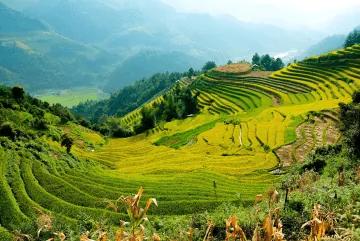
Continuing Adventure and Support in Nepal
Nepal has made an inspiring recovery following past earthquakes, and today travelers are welcomed with open arms. Opting for a trip to Nepal is one of the best ways to support the local economy and foster long-term resilience among Himalayan communities.
Trekking Regions: Updates and Recommendations
The essential trekking regions such as Annapurna, Mustang, Dolpo, Solu-Khumbu (Everest), Kangchenjunga, and Kathmandu Valley are open to travelers; as anywhere, check your government’s travel advice before you go. Infrastructure and tourist facilities in these destinations have been restored, making them ideal for both novice and experienced trekkers.
-
Annapurna Region: Practically untouched by earthquake damage, this classic trekking area offers routes suitable for all levels and is fully operational.
-
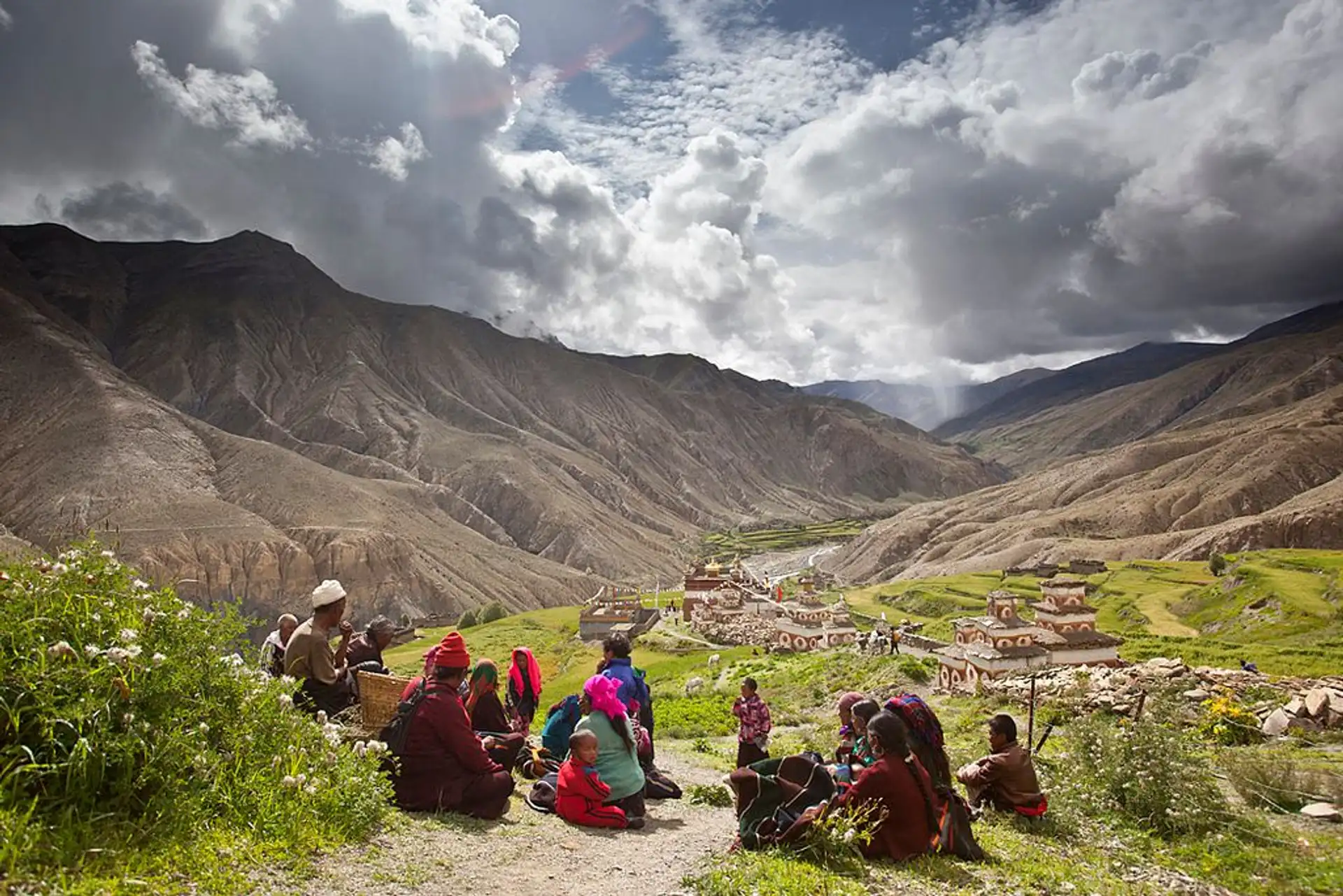
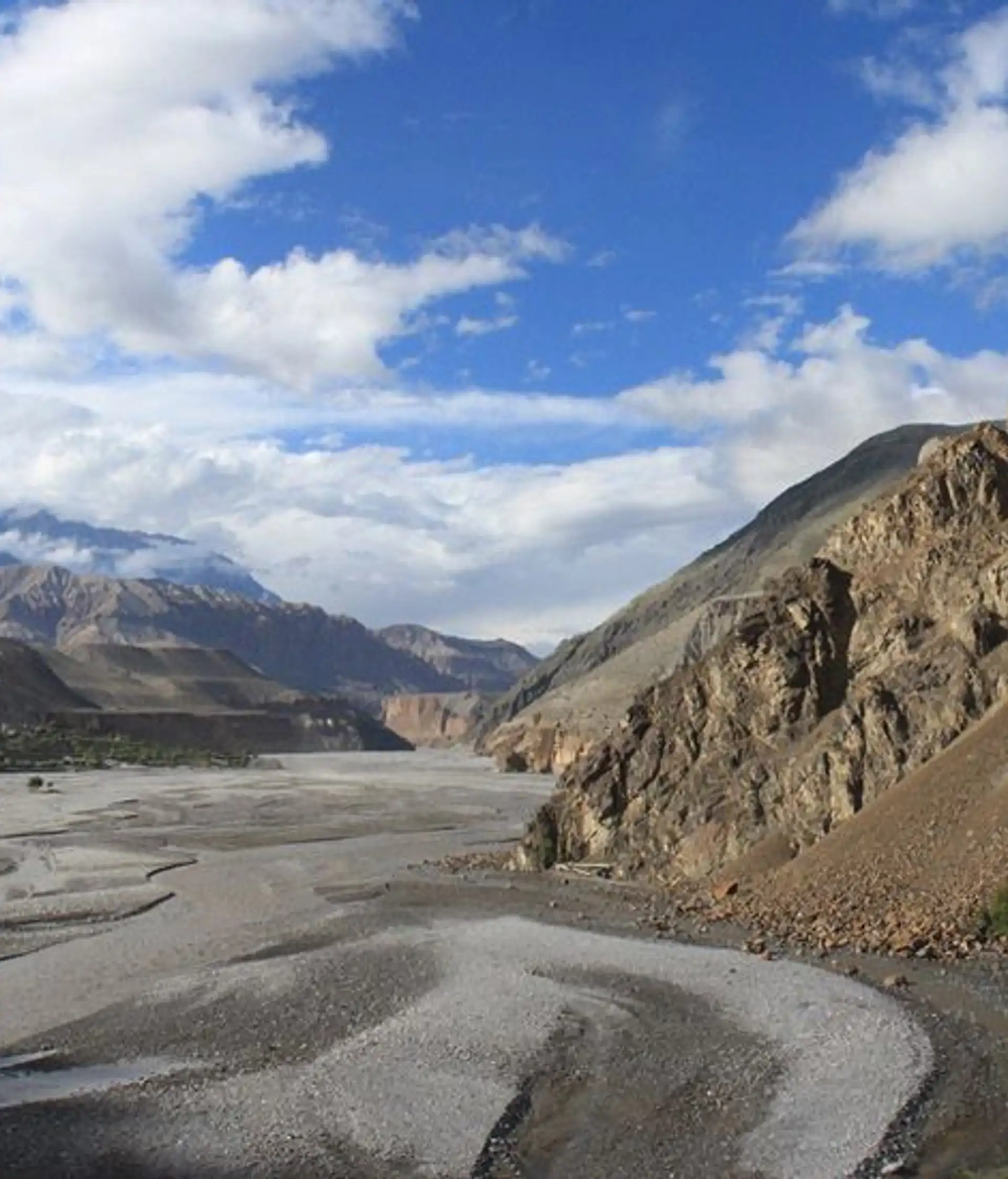
Mustang and Dolpo: These remote western regions remain some of Nepal's most unique trekking locations, requiring special permits. Both areas are now open, with tourism actively supported. Let yourself be inspired by their distinctive culture and pristine landscapes.
-
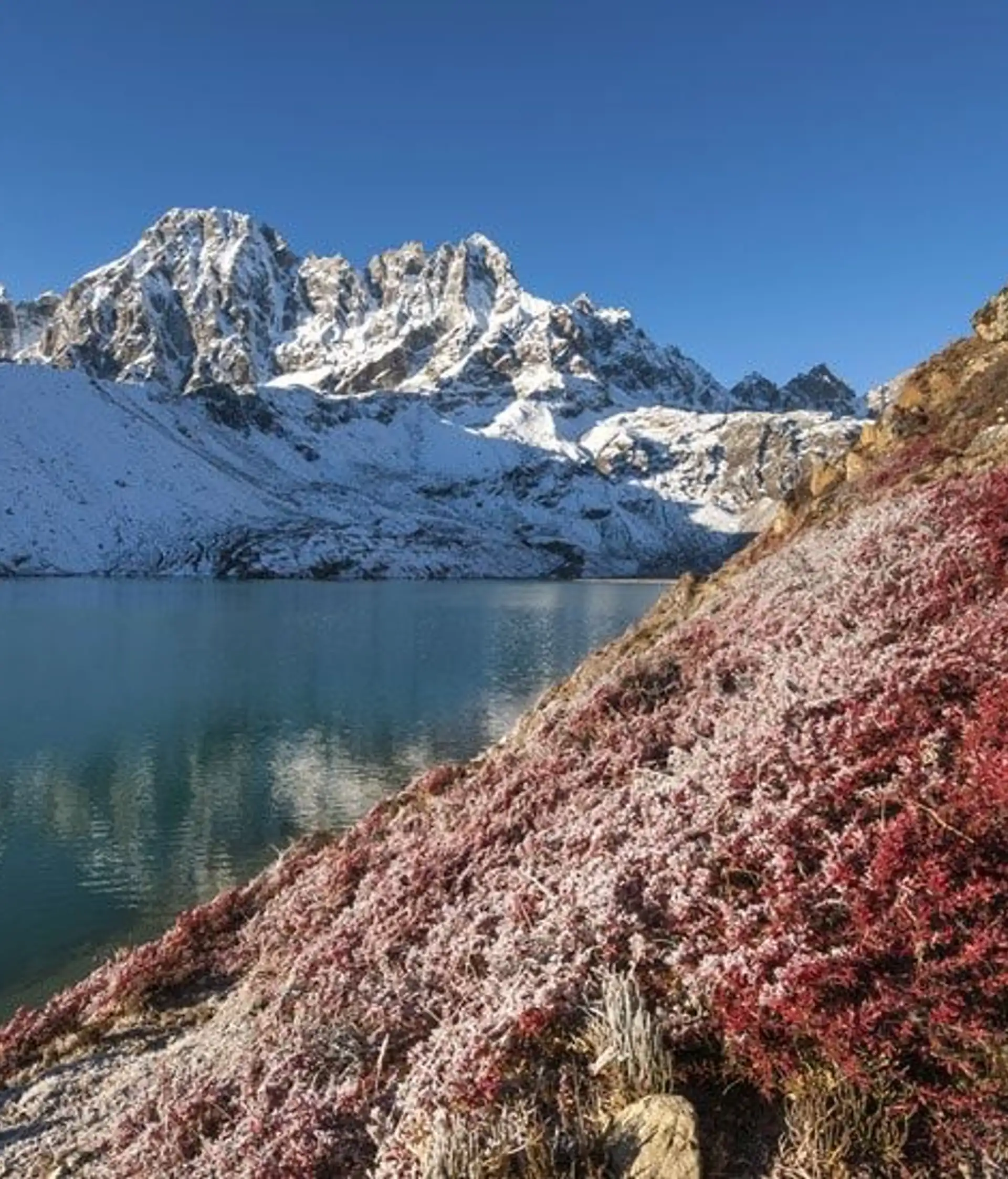
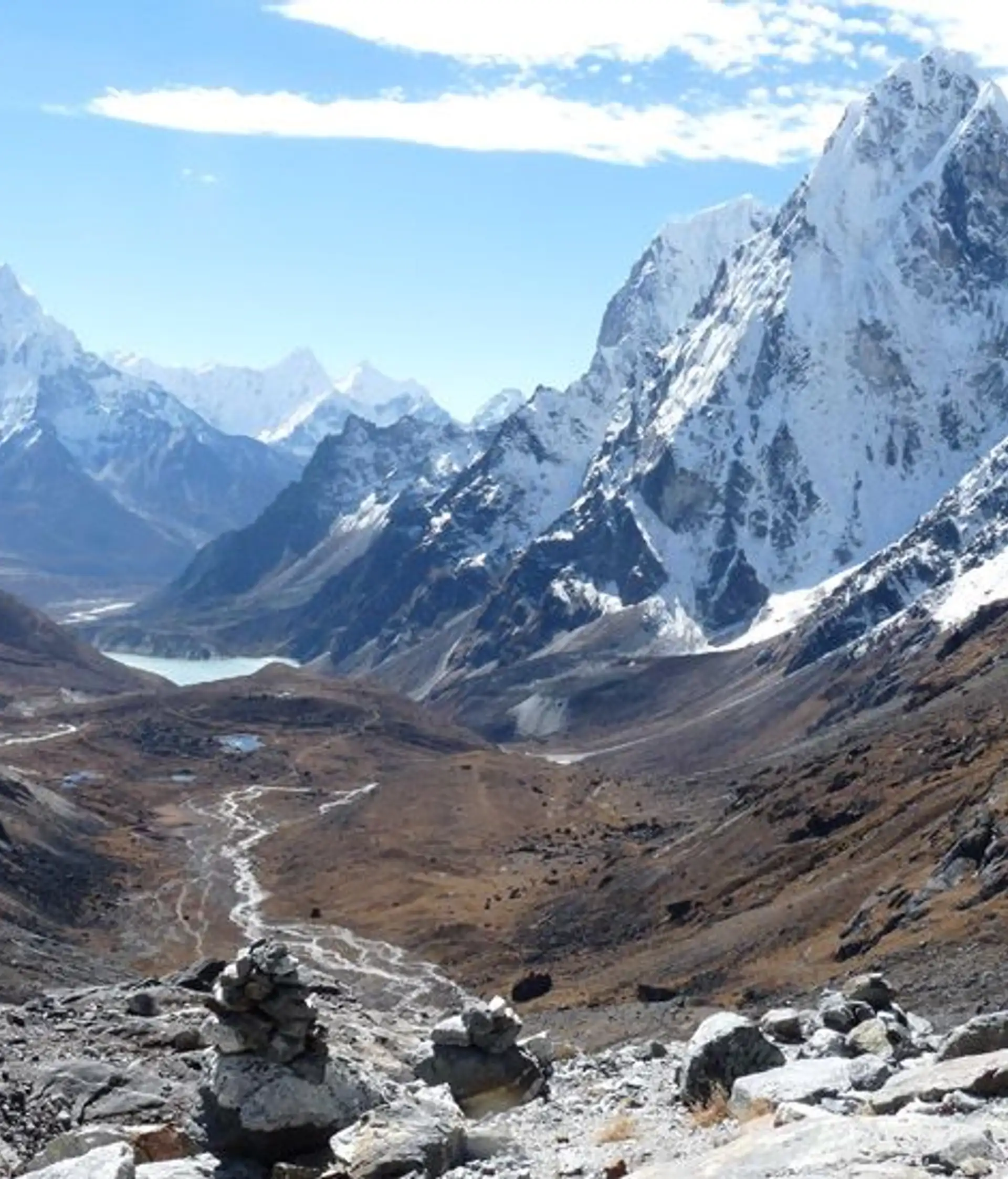
Solu-Khumbu (Everest Region): After extensive repairs, the Everest trails and villages are safe, with tourism resuming in full swing. The legendary trek to Everest Base Camp is once again accessible.
-
Kangchenjunga Region: This tranquil eastern region offers breathtaking scenery and adventure, ideal for seasoned trekkers seeking unspoiled trails.
-
Kathmandu Valley: The heart of Nepal's culture, Kathmandu and its surrounding valley, is vibrant and fully accessible, perfect for exploring temples, markets, and living heritage.
Many previously affected areas now boast improved infrastructure, enhanced accommodation, and new trekking opportunities, including emerging routes in Nepal's mid and far-western regions. Remember, the best times to visit remain spring and autumn, taking advantage of clear skies and gentle weather.
Responsible Tourism and Local Engagement
Now more than ever, your presence as a traveler is impactful. By joining responsible journeys, you help local guides, porters, and communities thrive. Trekking, sightseeing, and cultural exchanges contribute directly to Nepalese livelihoods, preserving traditions and promoting sustainable development.
Ongoing projects and improvements reflect Nepal's adaptability and the vital role of tourism. Your adventure is both a source of wonder and a meaningful contribution to the country’s future.
Conclusion: Travel That Makes a Difference
Choosing Nepal as your next trekking destination is more than a journey—it's an act of solidarity. Whether exploring Annapurna, Mustang, Dolpo, Solu-Khumbu, Kangchenjunga, or Kathmandu Valley, your trip supports Nepal’s continued recovery and growth.
The Shanti Travel Team is deeply committed to designing responsible, enriching itineraries that foster genuine connection between travelers and the people of Nepal.