Your expert on destination Sri Lanka
A Sri Lanka safari comes down to four parks: Yala for leopards, Udawalawe for elephants, Wilpattu for a quieter, wilder reserve and Minneriya for the seasonal elephant gathering. Pick by the animal you want, the month and where your route runs.
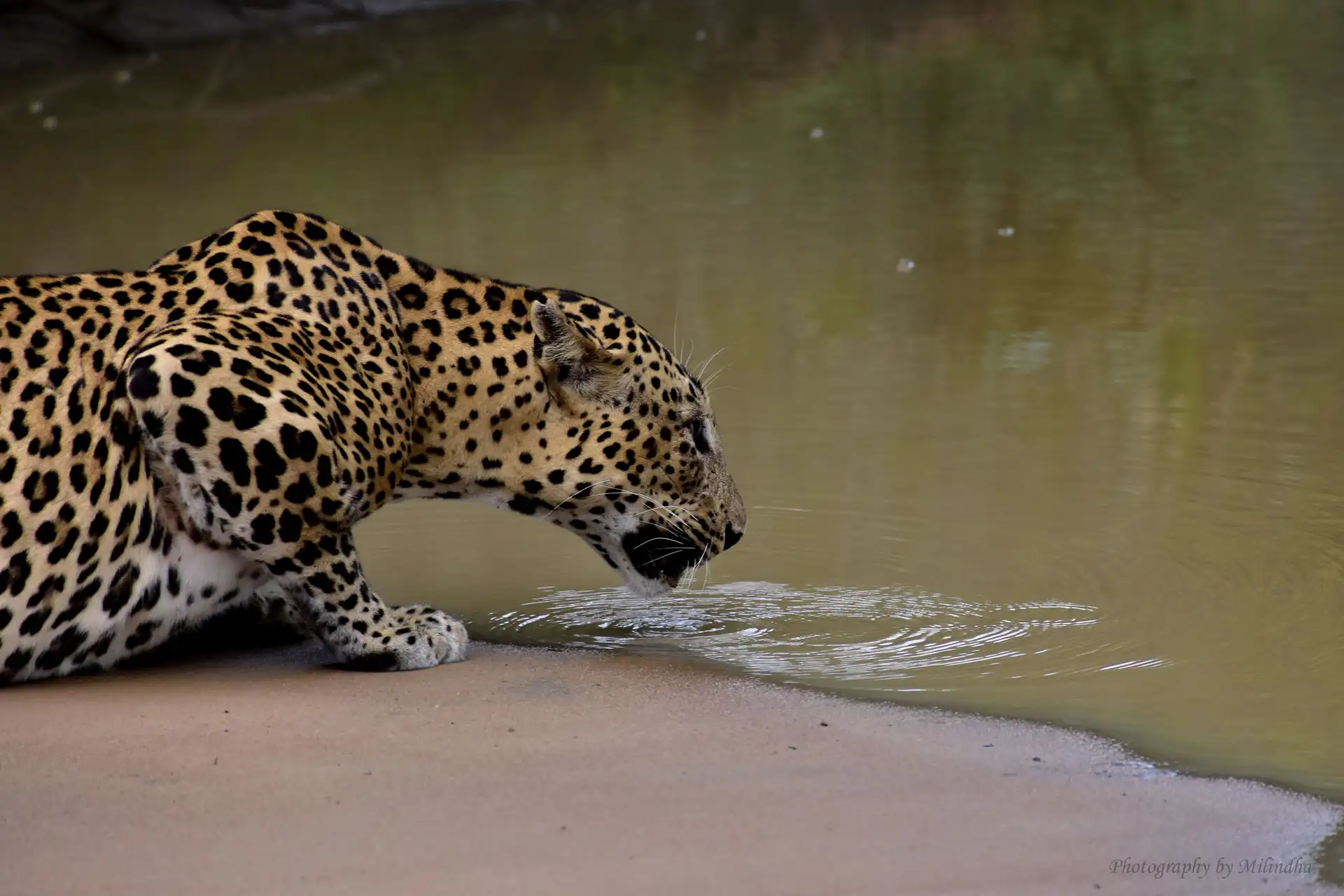
For leopards, choose Yala, or Wilpattu if you'd rather trade crowds for space. For the surest elephant sightings, choose Udawalawe. For the big seasonal herds, choose Minneriya between July and October. Whatever you pick, sightings are never guaranteed: these are wild animals, and the day decides.
| Your priority | Park | Region | Season note |
|---|---|---|---|
| Leopards | Yala | South-east | Blocks 1 and 2 close for a few weeks around September-October |
| A vast, quieter park | Wilpattu | North-west | Access rules and arrangements change, so ask when booking |
| Elephants | Udawalawe | South | Open terrain makes spotting easier |
| An elephant gathering | Minneriya | North-central | Strongest in August and September |
| A safari near the Cultural Triangle | Minneriya | Near Habarana, Sigiriya, Polonnaruwa | July to October |
Not sure which park fits your route? Our local experts in Sri Lanka can build the safari around your itinerary.
Yala National Park sits in south-east Sri Lanka and is the name most travellers know. It is famous for its leopards, and the park is also home to elephants, buffalo, crocodiles, deer, monkeys and a long list of birds.
A Yala safari runs in an open jeep along the park's tracks, with a driver-guide, or a driver and a separate guide, depending on how you book. The outing is mostly a patient search: forest, wetland and more open ground, one sector after another. The leopard is the reason to come, but seeing one is never certain. Time of day, weather, vegetation and plain luck all play a part. For a closer look at what lives on the island, see our guide to the animals of Sri Lanka.
Yala's entrance fee is roughly USD 35-45 per adult, plus the jeep and VAT, as of June 2026. Older sources quote anything from USD 25 upwards, which is why a range is safer than a single number. Allow at least a half day, plus the transfer from your hotel to the gate.
Each year the park closes Blocks 1 and 2 for a few weeks around September-October, while the other blocks stay open. Exact dates move, so check the Department of Wildlife Conservation before you book anything around those months.
Yala is the busiest park in the country. When one jeep finds a leopard, others gather fast, and the sighting can turn into a queue of engines. Go in the early morning, when it's cooler, and bring water, sun protection and light clothing. If crowds put you off, Wilpattu is the obvious alternative. Yala still makes the most sense when your route already runs through the south-east.
Udawalawe National Park lies in southern Sri Lanka, around the Udawalawe reservoir. Grassland, woodland and wetland share the space, and that openness is the point: elephants are easier to spot from the jeep than in denser forest. Birds and other mammals appear along the way, so the outing isn't devoted to a single species the way a leopard hunt can be. If elephants are your main goal, this is the park to pick.
The entrance fee is about USD 40-43 per adult, taxes included, as of August 2026. The final bill depends on the vehicle and group fees, and older sources show lower numbers, from about USD 25.
Plan a half day, starting in the morning before the heat builds. Udawalawe fits neatly between the south and the hill country, so if you're heading on to Ella, put the safari on the way instead of making a separate round trip. Before you book, ask exactly what the price covers: the vehicle, the driver-guide and the entrance fees can be bundled or charged apart. Also confirm the departure time and meeting point the day before, so the morning doesn't start in a scramble.
In the north-west, Wilpattu National Park is the largest national park in Sri Lanka. Its signature feature is the "willus", natural depressions that fill with water and become waterholes deep in the park. Between woodland, open ground and those pools you can look for leopards, elephants, buffalo, deer and birds.
Wilpattu suits travellers who want size and space, and whose route runs through Anuradhapura, the Cultural Triangle or the north-west. Reaching it from the south would mean crossing the island for one activity, which rarely makes sense. As in Yala, the leopard is on the list, and as in Yala, no encounter is promised.
Allow several hours, because the park is big and moving between sectors takes time. An early start gives you cooler air and a longer window for watching. Don't stack long transfers on the same day. Fees and access rules change, so ask for the current arrangements when you book rather than relying on an old number.
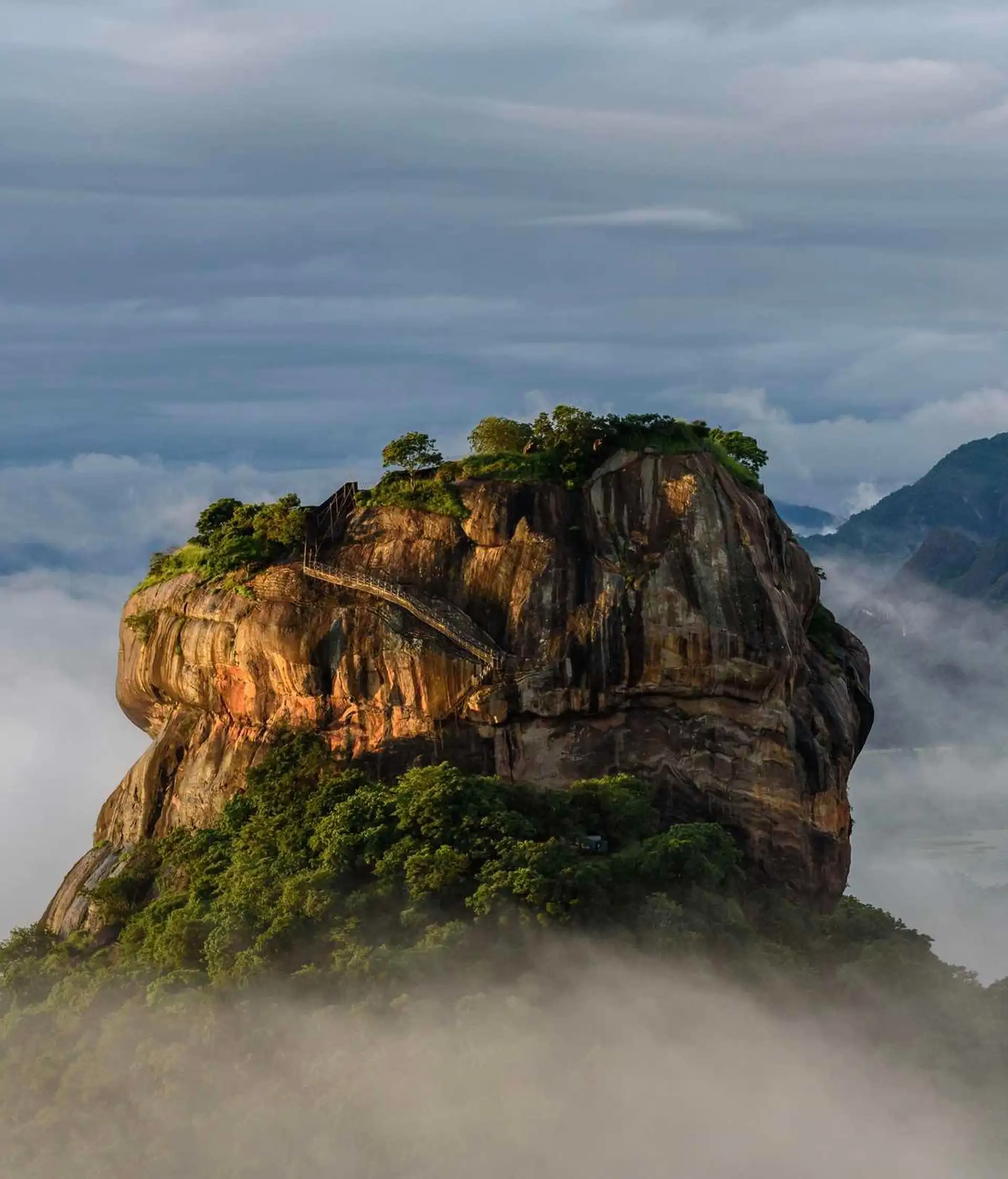
Minneriya National Park is in north-central Sri Lanka, close to Habarana and Polonnaruwa. It is known for the seasonal gathering of elephants around the Minneriya reservoir, and it pairs well with the Cultural Triangle: Sigiriya, Habarana and Polonnaruwa are all within easy reach, and Habarana and Sigiriya are the practical bases.
The gathering follows the dry season, which runs roughly from May to October. It peaks in August and September, and the wider season is July to October, as of August 2026. Herds move with water and fresh grass, so numbers vary from year to year, and sometimes the elephants are elsewhere in the region. That's why you shouldn't pick Minneriya from a calendar alone: ask your guide or agency where the herds are during your stay.
Allow half a day, plus the transfer from your hotel. Elephants aren't the whole show; birds, monkeys and other animals turn up along the way. Fees and access arrangements change, so confirm them when you book.
Start with the route, not a ranking. A park you can reach without a long detour usually gives a better day than a famous one that eats your schedule.
Our Sri Lanka travel guide helps place each stop on the map before you commit.
Count on a half day per outing, plus the drive to the entrance. When the park is far from your hotel, or the safari is combined with other activities, that can stretch to a full day. Avoid a long transfer right before or after a very early start. Spending two nights near the park also raises your odds of a good sighting, because one bad morning doesn't decide the whole visit.
One honest limit: a safari often means long stretches of dust, scrub and waiting between sightings. If you go in expecting a constant parade of animals, you'll be disappointed. If you go for the quiet and the occasional big moment, you won't be.
You can arrange a safari with a local driver-guide or through a travel agency. Either way, ask what the price includes: transport, safari vehicle, guiding, entrance fees and any extras. Four things drive the cost: the park, the length of the outing, the type of vehicle and the size of your group. The park fees above are the fixed part, and the rest is negotiable.
Access conditions and booking arrangements can change, so check the official information from the Department of Wildlife Conservation before you travel, especially for permits and access. Browse our Sri Lanka trip ideas to see how safaris sit inside a full itinerary.
Tell us your dates and what you most want to see, and a Sri Lanka expert will shape the route and the safari days.
Ready to plan it? Send a trip request and design your Sri Lanka itinerary with Doriane.
Route planners put the road distance between Ella and Yala at roughly 80 to 110 km, depending on the route and the entrance used. By car or taxi the drive takes about two and a half hours (as of February 2024). Buses and mixed transport take longer, so a private driver suits a morning safari better.
Yala is open daily from 6 am to 6 pm, and the entry rules on opening hours are strict. Morning outings usually run from about 6 am to 10 am, and afternoon ones start around 2 pm. Confirm the exact slot with your driver the day before.
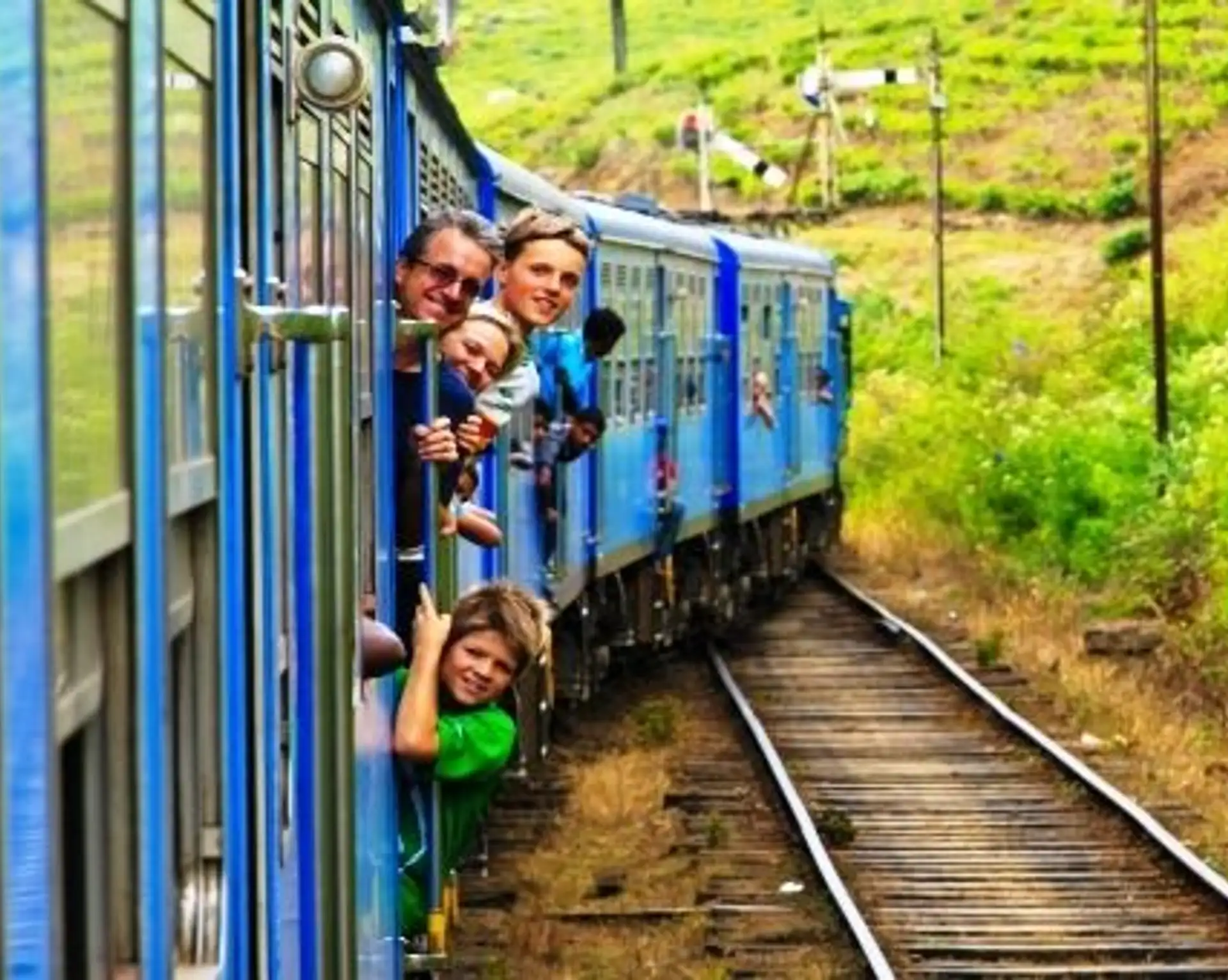
The Kandy to Ella train is one of Sri Lanka's best-known rail journeys, about 7 hours through tea country. Cyclone Ditwah disrupted the direct service in November 2025, so check the current status with Sri Lanka Railways or your driver before booking. Shorter Nanu Oya sections and road transfers fill the gap.
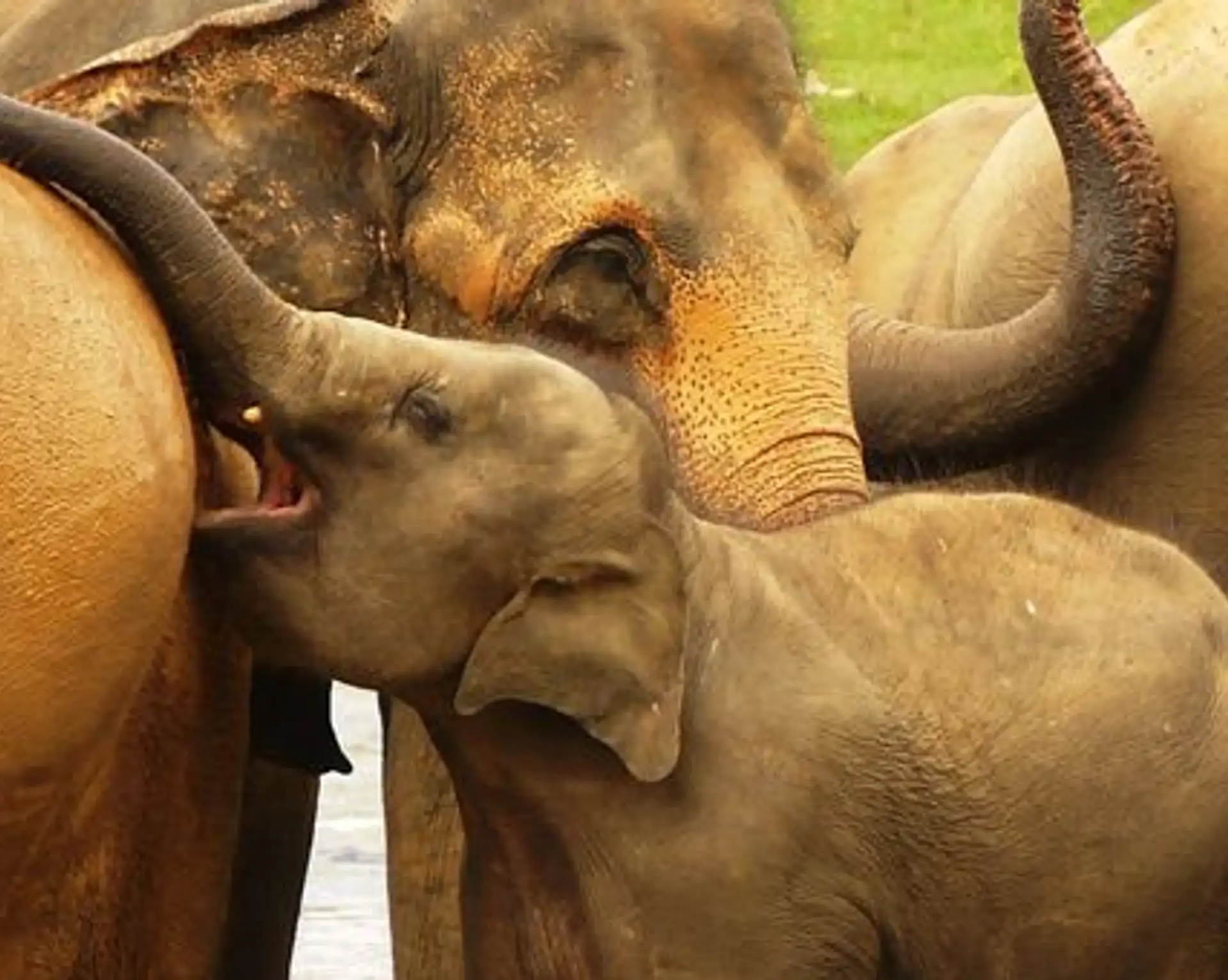
Witness one of nature's most extraordinary spectacles as hundreds of wild elephants gather freely in a breathtaking display unlike anywhere else on Earth. Immerse yourself in the untamed beauty of Sri Lanka's wilderness and experience the remarkable energy of this unforgettable natural phenomenon.
Embrace the spirit of adventure and let the new year set the pace for unforgettable getaways in Asia and beyond. Discover our inspired travel resolutions to brighten your 2022 with meaningful experiences, cultural surprises, and vibrant moments near and far.
Subscribe and receive our travel inspirations and practical advice twice a month.
Wanting to share your trip with a group?