Your expert on destination Indonesia
===================================================
To truly experience the heart and soul of the archipelago, a journey to witness the volcanoes in Indonesia is essential. As local experts on the subject, we've spent two decades guiding travelers across these extraordinary landscapes—each unique, sacred, and thrilling in its own way. Before planning your next volcano adventure, take a moment to discover more about what makes these wonders such an integral part of both Indonesia’s geology and its culture. For further inspiration on your trip, you can learn even more about travel to Indonesia with us.
Indonesia holds over 130 active volcanoes, part of the dramatic Pacific Ring of Fire, making it the country with the highest number of active volcanoes in the world. Most are stratovolcanoes—towering, beautifully conical peaks born from powerful tectonic activity. Yet, each mountain is more than a geological marvel: these volcanoes are woven deep into the spiritual and cultural fabric of local communities. Pilgrimages, rituals, and ceremonies abound; climbing them is as much a cultural encounter as it is a physical adventure.
Below, discover our insights and practical advice about the nation’s most iconic volcanoes, including their spiritual meaning, visitor etiquette, and unforgettable experiences.
Heading to Java? Mount Bromo is a must-see. Rising to 2,329 meters amid an otherworldly plain of volcanic ash, its dramatic setting has inspired awe for travelers and locals alike. This volcano is sacred to the Tenggerese people: each year, the lively Yadnya Kasada festival sees offerings of fruits, vegetables, and even livestock cast into the smoking crater to appease mountain spirits. Witnessing this ritual or even just greeting the sunrise from Mount Penanjakan—where you’ll take in the luminous silhouettes of Batok, Semeru, and Bromo—is nothing short of magical.
Visitor Tip: Dress warmly for the predawn chill. The sunrise is spectacular, but the stairs to the crater rim can get crowded during festival season—patience and respect for local customs are part of the experience.
The most active volcano in Indonesia, Merapi’s frequent eruptions have shaped not only the landscape but also Javanese spiritual traditions. The volcano is viewed as a powerful guardian; locals offer gifts to its rivers, particularly before eruptions, in hopes of appeasing its volatile spirit. Trekking here (to 2,900 meters) is a physically demanding adventure: the route leads from lush paddy fields into a harsh, sulfur-scented summit environment marked by steaming vents and craters.
Safety Note: Always check volcanic activity before attempting a hike—Merapi’s mood changes quickly. Trekking should only be attempted with an experienced local guide and reliable safety information.
Mount Batur, on Bali, is one of the more accessible volcano treks in Indonesia, famed for its twin calderas and lakes. At 1,717 meters, it offers a relatively easy night ascent—reaching the summit for sunrise is a classic Balinese adventure. Along the way, you’ll pass recent vents and smaller cones, the landscape a graphic reminder of Bali’s ever-active geology. Though Batur lacks the extensive rituals of other peaks, locals deeply respect the mountain, and it is believed to possess mystical energy.
Trekker Advice: Start your climb early, bring a flashlight, and expect to share the summit with many others. The popularity of this volcano means sunrise is a communal celebration.
One of Southeast Asia's most spectacular volcanic experiences, Rinjani in Lombok soars to 3,726 meters. Its vast crater, Segara Anak Lake, and the inner Barujari cone offer breathtaking sights—an astonishing blue lake cradled amongst the clouds. Rinjani is also revered by local Sasak and Balinese, who hold pilgrimages and make offerings on its shores. The multi-day trek is physically taxing but richly rewarding.
Guidance From Experience: Trek only with a licensed guide and porter team, and prepare for 3 days/2 nights of rugged conditions. Respect lake areas where religious rituals occur; never descend to or swim in sacred zones without explicit permission.
Towering over eastern Bali at 3,142 meters, Mount Agung occupies a central place in Balinese Hindu belief—the island’s temples and homes are often built to face this sacred volcano. Rituals and offerings performed by guides before and during any ascent are essential for safety, and climbers should participate with genuine respect. The climb is tough (typically starting around 2 am) but reaching the top in time for sunrise is an unforgettable spiritual and visual reward.
Essential Etiquette: Always trek with a local guide. Observe silence and participate in pre-climb offerings to honor local traditions and maintain a respectful mindset throughout the journey.
Perhaps less famed outside Indonesia, Raung (3,332 meters) is among the country’s most active and formidable peaks. Known for its huge, 2-kilometer-wide crater and thick sulfurous fumes, it has been at the center of significant eruptions disrupting air routes. The volcano’s raw, rugged beauty draws experienced trekkers seeking serious adventure.
Safety Priority: Due to frequent activity, always monitor current eruption status. Raung’s terrain is tough and steep—attempt only with competent guides and the right equipment.
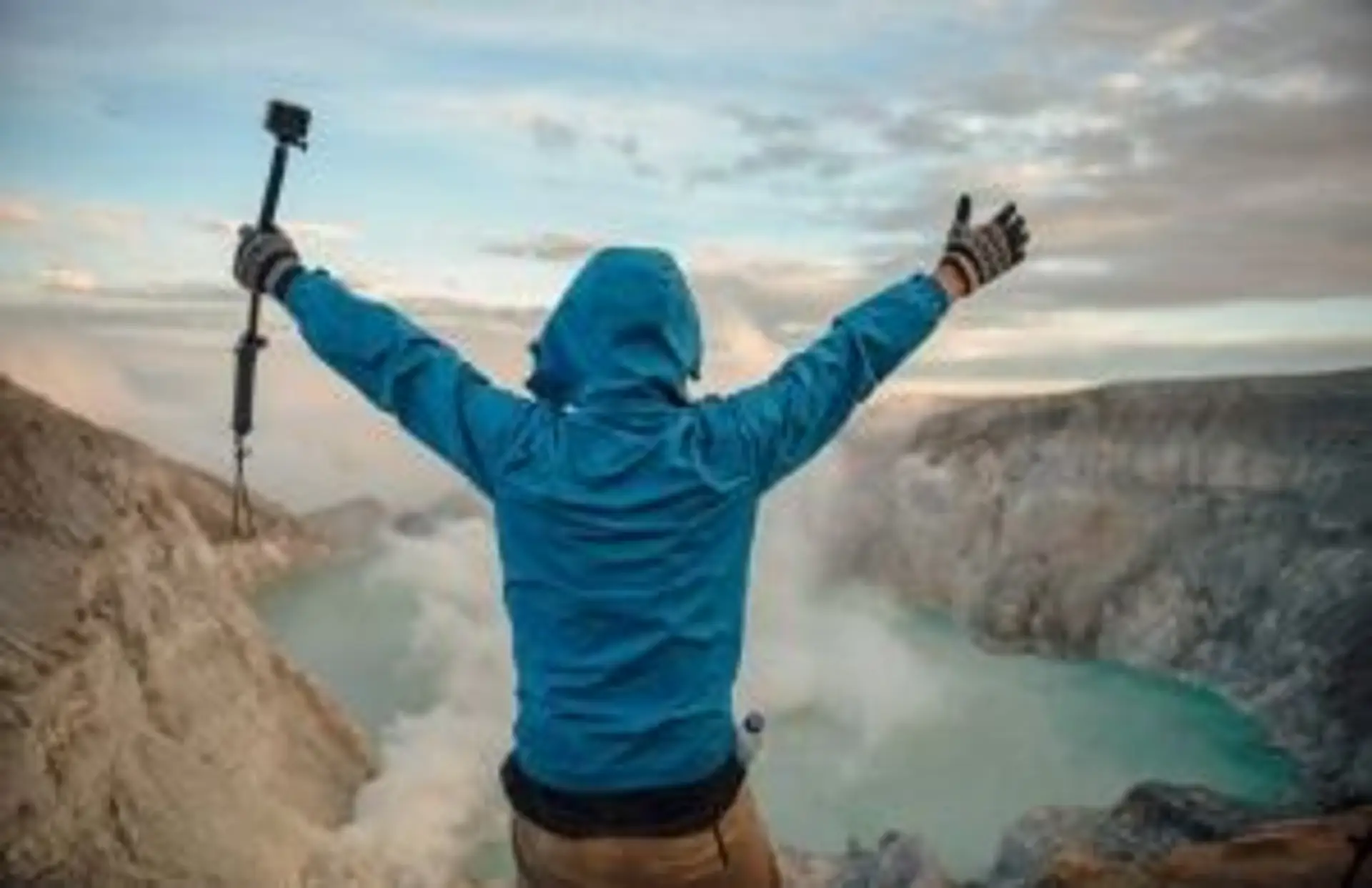
Situated in East Java and standing at 1,559 meters, Ijen is famed for the surreal blue flames seen at night—an extraordinary phenomenon created by ignited sulfuric gases—and the striking turquoise acid lake, the world’s largest. A challenging aspect is witnessing sulfur miners hauling loads up the treacherous crater path, highlighting a unique cultural interaction between people and volcano.
Expert Recommendation: Start your hike before dawn to see the blue fire; bring a mask due to intense sulfur fumes—and always remain on established paths to protect both yourself and this living landscape.
With over 20 years of experience crafting custom volcano adventures across Indonesia, we know these sacred mountains reveal both the mystery of the earth and the soul of the archipelago. Deep connections to local ceremonies, geology, and tradition will transform your journey from a simple hike into a once-in-a-lifetime cultural experience.
Whether you wish to catch the blue flames of Ijen, join celebrations at Bromo, or summit the revered Agung, trust that specialist advice and local respect turn every climb into a story you’ll never forget.
Subscribe and receive our travel inspirations and practical advice twice a month.
Wanting to share your trip with a group?