Mongolian Food: Dishes, Drinks and Table Manners
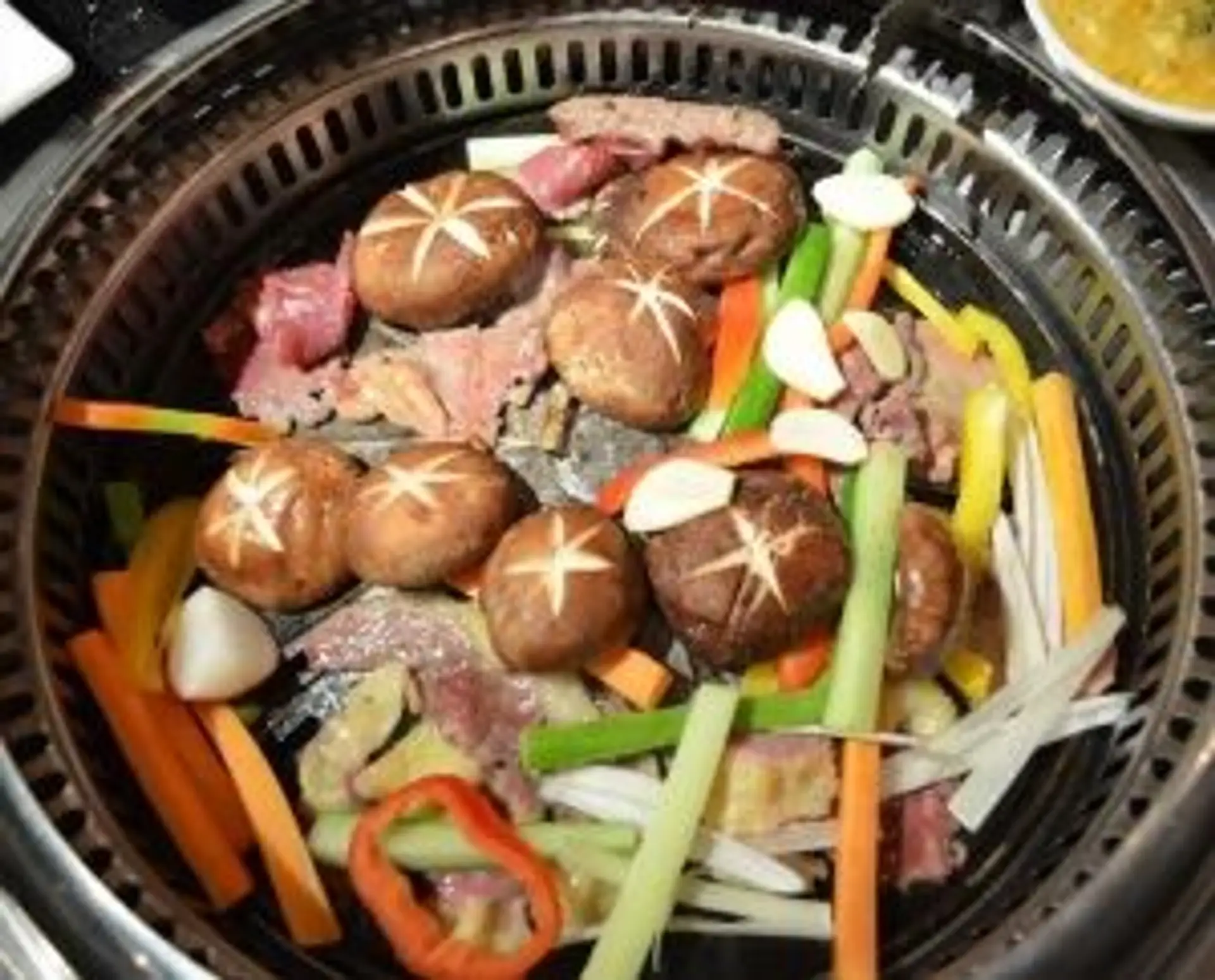
Mongolian food is built on what herds provide: mutton and other meat, plus milk in every form, from yogurt to fermented mare's milk. Vegetables are scarce, flavours are plain, and meals are shared. Below are the dishes, drinks and customs you'll meet at a nomad family's table and in Ulaanbaatar.
Planning a wider trip? Start with our Mongolia travel guide, then come back here before your first meal in a ger.
Mongolian food at a glance
Traditional Mongolian food is meat, mostly mutton, and dairy in every form, shaped by nomadic herding and a climate that limits vegetable growing. Mongolian cuisine is simple, filling and generous, and its most emblematic dish is khorkhog, meat cooked with hot stones and shared in a circle.
| Dish | What it is | How it's cooked or served |
|---|---|---|
| Buuz | Dumpling filled with mutton, onion and garlic | Steamed |
| Khuushuur | Half-moon pancake with mutton or beef | Fried until crisp |
| Tsuivan | Flat noodles with meat, carrots and onions | Hearty herder's dish |
| Khorkhog | Meat (often mutton), sometimes carrots or potatoes | In a metal pot with burning hot stones |
| Boodog | Marmot or goat | Cooked inside its own skin with hot stones |
| Borts | Dried meat | Kept for the long winters |
| Tarag | Creamy, mild yogurt | Eaten plain or with blueberry jam |
| Aaruul | Dry, hard cheese | Nibbled as a snack |
| Airag | Fermented mare's milk | Drunk in summer |
| Milk tea | Black tea brewed in milk, with salt | Served through the day |
Why does the table look like this? Because the herd comes first. The herds supply meat and milk, and a harsh climate leaves little room for vegetable growing. What reaches the plate is shaped by what a family can keep alive on the steppe, and dried meat keeps the family fed through the long winters.
Think of the meal in three parts. Dumplings, pancakes and noodles are the everyday dishes. Hot-stone cooking is for gatherings and honoured guests. Dairy and tea run through the whole day. The sections below follow that order.
Traditional Mongolian dishes to try
Buuz and bansh
Buuz is a steamed dumpling filled with mutton, onion and garlic. It's plain and nourishing, and it's the signature dish of Tsagaan Sar, the lunar New Year, when families prepare hundreds of them to welcome and honour visitors.
Bansh is the miniature version. It's usually dipped in milk tea before eating, a habit that says a lot about how nomads think about quick, energy-rich meals.
Khuushuur
Khuushuur are half-moon pancakes. The round dough is folded over on itself, trapping mutton or beef inside, and then the whole thing is fried, which makes the shell crispy. That's the difference from buuz: one is steamed, the other fried.
You'll find khuushuur everywhere, from town to steppe, and they suit meals on the go during large gatherings and festivals such as the Naadam festival (11-13 July). On long drives across the steppe they're an easy thing to eat on the road.
Tsuivan
Tsuivan combines flat noodles, pieces of meat (generally mutton or beef) and a few vegetables such as carrots and onions. It's a herder's dish: heavy, warm and made for a hard day outdoors, ideal after a day out in the wilderness.
Khorkhog
Khorkhog is probably the most emblematic dish of Mongolia, and the one people mean when they talk about "Mongolian barbecue". Pieces of meat, often mutton, go into a metal pot, sometimes with carrots or potatoes. Burning hot stones are dropped in alongside, and the intense heat gives tender, fragrant meat.
The cooking is only half of it. Khorkhog is shared in a circle, and preparing one is a social event. It's often kept for festive occasions or for receiving distinguished guests, so if a family makes it for you, take that as a compliment.
Boodog
Boodog is a separate dish, even though it also relies on hot stones. Here the animal's own skin is the cooking vessel. Traditionally the animal is a marmot, though goat is used too. It is emptied, then filled with burning hot stones, seasoned meat and aromatics, and the skin is closed again so the meat cooks in steam.
It's typical of the great events of the steppe, and the technique fully brings out the flavour of the game. As CNN's Mongolian food feature puts it: "If a Mongolian family prepares a boodog for you, you know you're special."
Meat and borts
The Mongolian diet is notoriously meat-heavy. Mutton, lamb, yak, goat and beef feature in many preparations, and horse sometimes appears too. If you're curious about the herds behind the plate, read about the animals you'll encounter in Mongolia.
Meat may be simply boiled, grilled, or dried as borts, a precious resource for the long winters. Nothing about it is fussy, and it's the reason a Mongolian meal can feel so uniform to a visitor who expects variety. If you're travelling for a week or two, expect to meet the same handful of dishes in different shapes: dumplings one day, noodles the next, boiled mutton in between. The point of the food is to nourish and comfort.
Mongolian dairy and drinks
Tarag, aaruul and dried curd
Fresh cow's milk is usually boiled or made into tarag, a creamy, mild and digestible yogurt. Tarag is a pillar of the daily diet. People eat it plain or mixed with blueberry jam, notably in the north of the country in summer.
Aaruul, a dry, hard cheese, is often nibbled as a snack, and dried curd is found alongside it. Together these products provide the energy and nutrients that pastoral life demands, and they show how much a family depends on its herd.
Milk tea
Mongolian tea starts with basic black tea brewed in milk, with salt added. In some regions butter, rice or even meat goes in as well. It's the favourite drink of the Mongols, and it's more than a refreshment: offering a cup to a guest is a sacred gesture that marks welcome and prosperity.
Expect it throughout the day, often alongside small fried cakes called boortsog. A cup of tea is a natural way to begin any visit, and a cup with boortsog is a simple pairing you will see again and again.
Airag
Airag, also called koumiss, is fermented mare's milk. It's slightly sparkling, mildly alcoholic, usually around 2% and up to about 3%, and highly appreciated in summer. Each nomadic household makes its own, stirring the milk for a day or two with a wooden masher called a buluur.
Airag is the high point of festivities and a symbol of conviviality at gatherings. Offering it is a mark of honour and respect toward one's hosts, so take at least a sip.
Traditional Mongolian food etiquette
Eating in Mongolia is as much a social act as a nutritional one. Meals, particularly in the evening, are the gathering point for family or community. Sharing meat on the bone carries strong symbolic value, in reference to the importance of ancestors and lineage.
Hosts will offer a visitor boiled milk, tea, yogurt or meat, and that is an honour. Accept. Refusing is a serious breach of manners. Utensils are often reduced to the strict minimum, so food is eaten by hand or with a spoon, which keeps things relaxed and simple.
Mongolians also attribute strong symbolism to each food. Food taboos are linked to religion and to shamanic or Buddhist rituals. Dairy and meat are kept strictly apart during certain events, and some animals or parts are forbidden depending on circumstances. At an ordinary visit, though, you will be offered both.
If the table is your reason to go, here are five good reasons to travel to Mongolia beyond it.
Eat with a nomad family on a trip to Mongolia
A family khorkhog in a ger, milk tea at a nomad camp, a first buuz in an Ulaanbaatar market: our local experts in Mongolia can build these into a tailor-made trip. Tell us what you'd like to eat and see, or browse trip ideas for Mongolia.
Mongolian food FAQ
No. Spices are scarce in the Mongolian kitchen, so the cooking stays raw and authentic rather than hot or sharply seasoned. Heat isn't the goal; the essential thing is that a meal nourishes and comforts. Expect mild, straightforward plates rather than anything fiery.
There's a family resemblance: buuz is similar to the Chinese baozi and the Tibetan momo, all steamed dumplings. The contrast lies in the weight Mongolian cooking gives to mutton and dairy, and in its sparse use of seasoning compared with the more varied flavours people expect from Chinese cooking.