Your expert on destination South India
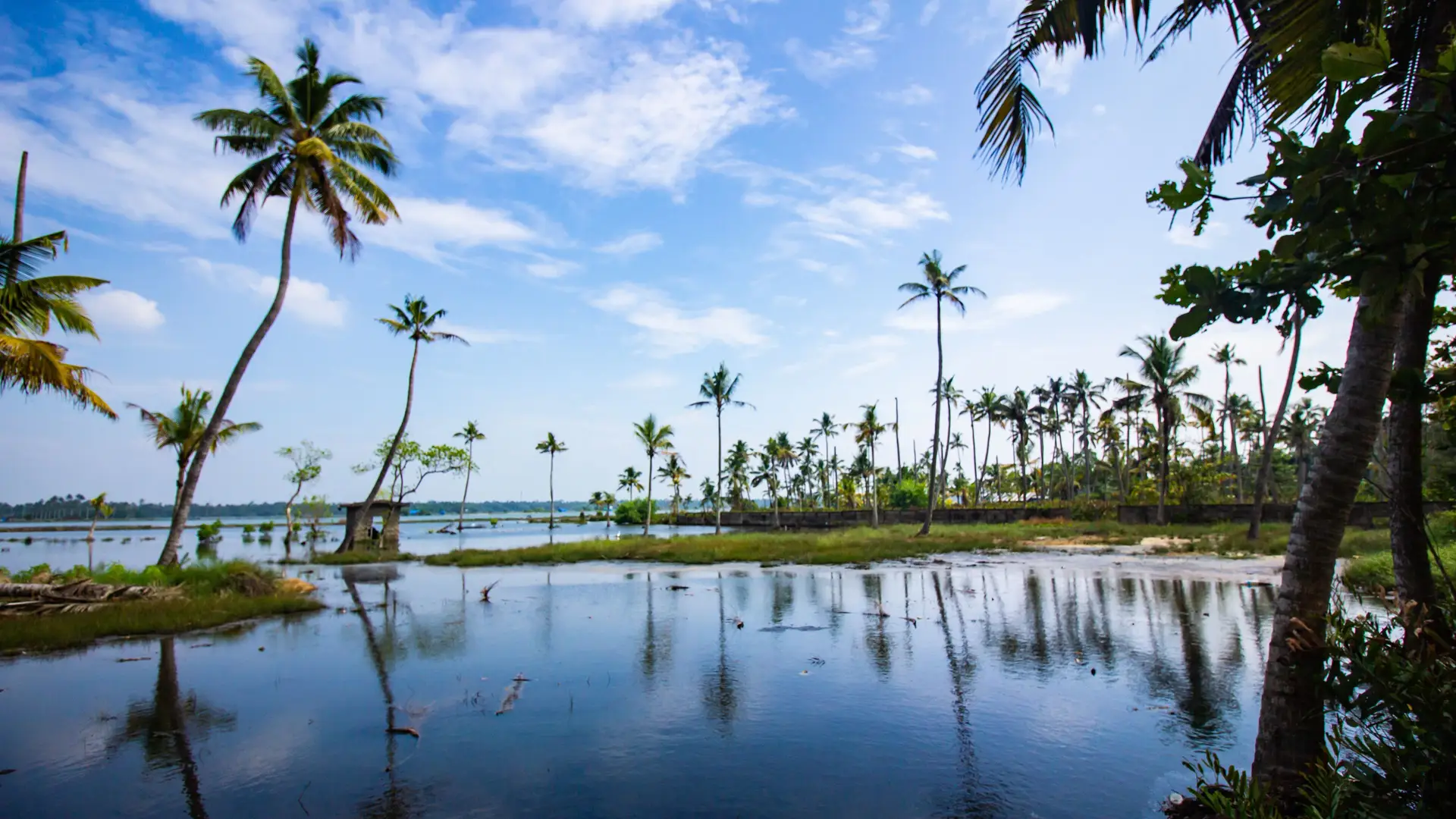
The best time to visit South India is December to March, when most of the region is dry and temperatures sit around 20-30°C (68-86°F). Kerala and Karnataka are pleasant from November, Tamil Nadu from January once the rains have passed, and Goa from December for the beaches.
The calendar splits in two because South India has two monsoons. The southwest monsoon hits Kerala from about early June to September; the northeast monsoon soaks Tamil Nadu from October to December. March is where the heat starts, with 35-40°C (95-104°F) common in April and May. Below you'll find each season, each state and the best month for each kind of trip.
The best time to visit South India is December to March: dry weather, 20-30°C (68-86°F) and the full cultural calendar. Pick Kerala from November to February, Tamil Nadu from January, Karnataka from November to February and Goa from December to March. From March the heat builds, and June to September is monsoon in Kerala and Goa.
| State | Best months | Rain | Heat |
|---|---|---|---|
| Kerala | December to February (November and March also good) | Southwest monsoon about early June to September; a second spell can start mid-October | April and May hottest |
| Tamil Nadu | January to February (March warming up) | Northeast monsoon October to December, mainly on the east coast | April and May hot; on the plains, midday visits can be hard |
| Karnataka | November to February | Varies between coast, plains and hills | Inland Karnataka hot in April and May; Coorg cooler |
| Goa | December to March | Heavy rain June to September | Humid before the monsoon |
Not sure which state fits your dates? See our trips to South India or talk to a local expert.
These are the dry months, comfortable for almost everything: beach days in Goa and along the Kerala coast, houseboat cruises on the backwaters around Alappuzha and Kumarakom, long walks through temple cities. If you're building trips to South India for the first time, this is the window to start from.
The cultural calendar is full as well. Pongal, the harvest festival of Tamil Nadu, runs from 14 to 17 January in 2027, with Thai Pongal on 15 January.
December to February is also the busiest stretch. Christmas and New Year fill the beach resorts of Goa and Kerala, so book rooms and any internal flights or trains early. March is still good, but it's where the heat starts, and by April it's unmistakable.
April and May are the hottest months in South India, with 35-40°C (95-104°F) in many areas. Hill stations such as Munnar, Ooty and Coorg stay cooler. Humidity climbs along the coasts before the rains arrive.
The upside is space: visitor numbers drop and prices soften. Plan sightseeing for early morning or late afternoon and keep the middle of the day for a pool or a long lunch. Tea plantations and forest walks around Munnar make an easy way to gain altitude and lose the heat.
The end of the dry season can also suit a safari, because animals gather around the water points that remain. Conditions vary by park and by year, so check opening periods before you book. For ideas, read about a South India wildlife tour.
Kerala's rains arrive from about early June and last until September. The India Meteorological Department puts the normal onset over Kerala at 1 June, and recent onset dates over Kerala have ranged from 24 May (2025) to 8 June (2023), as of October 2026. For the current year, check the India Meteorological Department before you fix dates.
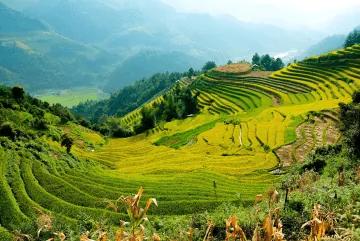
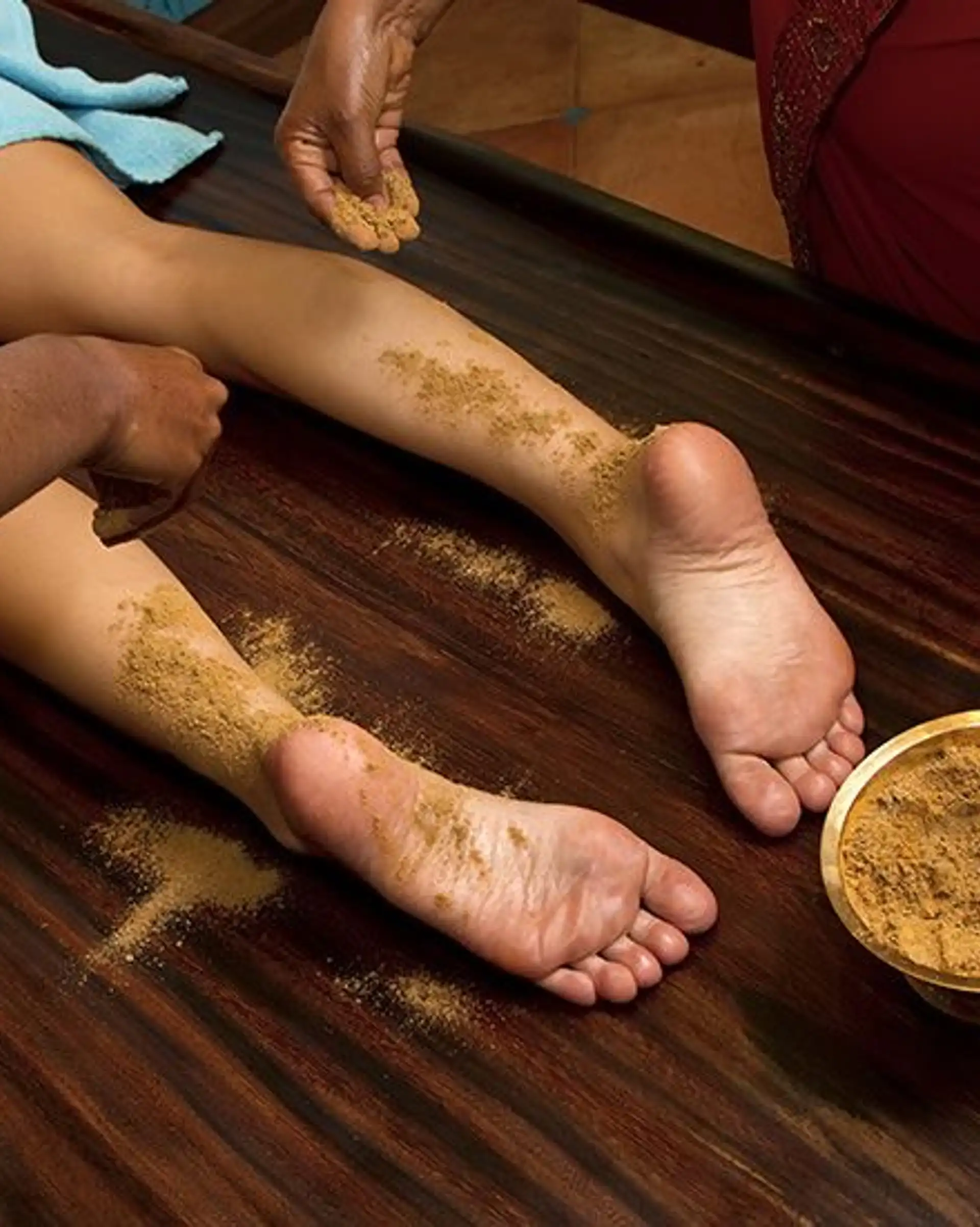
It doesn't rain non-stop, but when it does, it pours. The reward is a green, quieter Kerala: dense vegetation along the waterways, paddies at full colour, fewer people on the backwaters. Pack rain clothing and accept that some hikes and outdoor activities will change with conditions. The monsoon is also the traditional season for treatments, and many centres run cures then, so it suits Ayurveda in Kerala.
Goa gets heavy rain from June to September. The hills turn very green and the pace slows, but it's a poor choice for a beach stay.
South India has two monsoons. The southwest monsoon brings rain to Kerala and Goa from about early June to September, and the northeast monsoon brings rain to Tamil Nadu and the east coast from October to December.
That overlap is why these two months need care. In Kerala the main rains end in October, although a new spell may start from mid-October, and from November conditions improve for Kochi, the plantations and the backwaters. Tamil Nadu moves the other way: the northeast monsoon begins just as Kerala dries out. If your route includes Chennai, Mahabalipuram or Pondicherry, choose dates with that in mind. Landscapes stay lush everywhere after the rains, which is a good reason to come if you care more about scenery than about guaranteed sun.
South India isn't one climate, and the broad "November to March" window you'll see elsewhere puts parts of Tamil Nadu in their wet months. Here is the split by state.
The best time to visit Kerala is December to February, when the weather is drier and the backwaters, Kochi and the plantations are at their easiest. November and March are also good. The southwest monsoon runs from about early June to September, and April and May are the hottest months.
Two things catch people out. A second rainy spell can begin from mid-October, so early October isn't the safe shoulder month it looks like. And the Kerala monsoon season has its own appeal: green landscapes, Ayurveda programmes and far fewer visitors, if you can live with unsettled weather. For a cooler break at any time of year, head up to the Munnar tea plantations. Many travellers pair the state with its neighbour, and our route from Kerala to Tamil Nadu shows how the two calendars fit together.
Tamil Nadu is best from January to February, after the northeast monsoon (October to December) has cleared the east coast. That's the point where the temples of Madurai, Thanjavur, Kanchipuram and Mahabalipuram are at their most comfortable.
From November to February temperatures are more bearable, but rain on the coast is still possible in November and December. Pongal falls in mid-January, so you'll catch the harvest celebrations. March starts to heat up, and in April and May the plains can make midday visits hard. Ooty is the usual hill escape.
Plan on November to February. Karnataka changes a lot between the coast, the plains and the hills, and the drier months suit both cultural visits and outdoor activities. The inland plains get hot in April and May, while Coorg stays cooler thanks to its altitude.
For the beaches, come from December to March. From June to September Goa gets heavy rain: very green, calmer, and a poor fit for a beach holiday. The Goa Carnival happens in the dry season, and its dates change every year. Goa sits on the west coast and is often paired with the South, so the same December to March logic applies to a combined route.
First trip, several regions. December to March works across Kerala, Tamil Nadu, Karnataka and Goa. Temperatures are pleasant and rainfall is low in most of them, which makes it the easiest season to organise.
Beach. December to March in Goa and along the Kerala coast. The June to September monsoon is much less favourable.
Mountains and hiking. The Western Ghats and the hill stations can be visited most of the year, but trails and rain matter. During the monsoon, some excursions are changed or advised against.
Festivals. Pongal in Tamil Nadu runs 14 to 17 January 2027. Onam, Kerala's great festival, begins with Atham on 3 September 2027, and Thiruvonam, the main day, falls on 12 September. Festival dates move each year, so check the year of your trip.
Budget. The hottest months and the monsoon bring fewer visitors and better prices. In return, you accept less predictable weather and a flexible programme.
Our local experts build routes around the weather: a Kerala backwaters stay in January, Tamil Nadu temples in February, hill stations in April. Tell them your dates and they'll shape the route.
Before you book, check these points:
Whatever the season, pack light, breathable clothes, a warm layer if you cross the Western Ghats, and shoulders and legs covered for temples.
Planning a trip to South India? Create your tailor-made trip and design it with a local expert who knows how the monsoons play out in each region.
Yes, with a licensed operator. Houseboats generally have covered decks, and cruising is possible in the rainy months. Sailing is not advised during heavy showers, though, so expect the route or departure time to change with the weather. Ask your operator about its monsoon policy when you book, and keep a flexible day or two around the cruise.
A full cure is usually 21 to 28 days at minimum for a healthy person, with one or two rest days between phases. The treatment itself starts on the second day. Many centres schedule monsoon cures around Karkidaka, the Malayalam month that falls in July and August. Shorter stays exist, but they are a sampler rather than a complete programme.
Subscribe and receive our travel inspirations and practical advice twice a month.

Wanting to share your trip with a group?