Thailand Religion: Beliefs, Buddhism and Temple Etiquette

Thailand's main religion is Theravada Buddhism: 92.5% of people are Buddhist, 5.4% Muslim and 1.2% Christian (Department of Religious Affairs, December 2021). Animist and Hindu practices sit inside daily life, so a single trip can take you past a golden temple, a village mosque and a small spirit shrine in the same afternoon.
This guide covers the figures first, then what each tradition looks like on the ground. For wider planning, see our Thailand travel guide.
What religion is Thailand? The figures
Thailand is overwhelmingly Buddhist, with Muslim, Christian and Hindu minorities. The latest figures in the US State Department's 2022 International Religious Freedom report, taken from the Department of Religious Affairs and dated December 2021, give the split below.
| Religion | Share of population (Dec 2021) |
|---|---|
| Buddhist | 92.5% |
| Muslim | 5.4% |
| Christian | 1.2% |
| Hindu | under 0.2% |
The 2018 census, an older count, put Buddhists at about 94%.
Is Thailand a Buddhist state? Not officially. Thailand has no state religion, but the constitution says the king is a Buddhist and the upholder of religions. Freedom of worship is protected, and more than half of Thais see the different religions as compatible with their culture. Most communities live side by side without friction.
Buddhism in Thailand: the spiritual heart
Theravada Buddhism arrived from Sri Lanka and India and shapes the calendar, the architecture and the manners of everyday life. Buddhism in Thailand is not something you visit only in temples. It is in the saffron robes on the morning street, the garlands on a taxi mirror and the way people greet you.
Temples and monks
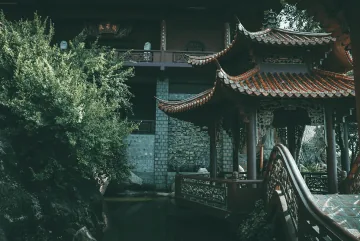
A Thai temple, or wat, is far more than a place of prayer. It works as a community centre that hosts weddings, funerals and the big religious festivals. You will recognise one by its richly decorated halls and its golden stupas, the bell-shaped towers that hold relics or mark sacred ground. The National Office of Buddhism counted 44,195 temples as of March 2025 (list of Buddhist temples in Thailand), so you are rarely far from one, in a city or a village.
Monks are spiritual guides, meditation teachers and givers of blessings. Many young Thai men ordain as monks for a short period, to earn merit for themselves and their family. It is a sign of how closely Buddhist values are woven into social life.
Practices and festivals
Respect, generosity and the search for awakening set the daily rhythm: giving alms to monks, meditating, and following small rules of conduct (a few are in the etiquette section below). Three festivals mark the Buddhist year:
- Visakha Bucha: the birth, enlightenment and death of the Buddha.
- Magha Puja: the Buddha's great sermon.
- Asalha Puja: the start of the monastic Lent.
Each brings processions, prayers and offerings, and families, villages and visitors take part. Dates follow the lunar calendar and move from year to year; our best time to visit Thailand guide helps you plan around them.
Temple etiquette for visitors
Thai temple etiquette starts with two habits that come straight from Buddhist daily life.
- Take your shoes off when you enter a temple, and also when you enter a home. Look for the pile of sandals at the door.
- Do not touch another person's head. It is treated as the most respected part of the body.
Beyond these, act as you would in any place of worship: stay calm, treat monks and sacred images with respect, and follow any signs posted at the entrance. If you want help fitting temple visits into a route, our local experts do this every day for travellers.
Islam in southern Thailand
Most Thai Muslims live in the south, mainly in Pattani, Yala, Narathiwat and Satun, where they sometimes form the majority. Islam is the country's second religion, at 5.4% of the population in December 2021. Almost all followers are Sunni and most are of Malay origin.
Daily life revolves around some 3,000 to 3,500 mosques, which serve as places of worship and as community centres. Ramadan, Eid al-Fitr and Eid al-Adha set the rhythm of the year, often with local touches. Calls to prayer mark the hours of the day, and hospitality is part of the culture.
Do Muslims and Buddhists get along? In most of the country, yes: coexistence is the norm, encouraged by religious authorities and a shared commitment to peace. Tensions linked to politics do exist in some southern provinces, so check your government's current travel advice before heading to the far south.
Spirit houses and animism: Thai syncretism
A spirit house (san phra phum) is a small shrine, often shaped like a miniature temple or house, placed in front of a home or business to shelter the protective spirits of the land. Locals leave flowers, food and incense there to attract luck and protection.
Behind it lies animism, the belief in spirits (phi) and protective forces. It runs deep in Thai spirituality and sits on top of Buddhism, Hinduism and even Islam rather than competing with them. That layering, called syncretism, is one of Thailand's most distinctive traits.
It shows up in big decisions too. Some families consult a shaman or a monk before choosing a wedding date, a baby's name or the site for a new house. Amulets, sacred tattoos and ritual blessings come from the same world. On your trip you will notice the shrines outside hotels, shops and houses, usually with fresh offerings. They are not decoration, so don't touch or move the offerings. Festivals and folk art carry the same beliefs, with protective dances and blessed objects at local ceremonies.
Hinduism, Christianity, Confucianism and Taoism
Hinduism
Hindus make up under 0.2% of the population. They are mainly of Indian origin and live in the large cities. Several Hindu temples remain in Bangkok, used for traditional ceremonies, and Hindu influence still appears in royal ceremonies and certain festivals.
Christianity
Christians are 1.2% of the population (December 2021), mostly Catholic or Protestant. Churches are established in particular among ethnic minorities in the North and Northeast. The missionary legacy is visible in schools, some hospitals and the churches you find in towns and mountain villages.
Confucianism and Taoism
These traditions are practised mainly by Sino-Thai communities. They appear in ancestor worship and in the veneration of deities such as Guan Yu. Chinese shrines and pagodas stand in urban Chinatowns and in the northern provinces. Chinese New Year and the Ghost Festival are the main celebrations, and non-Chinese Thais attend them too.
Seeing it on your trip
Religion shapes a route in Thailand more than most visitors expect. A good itinerary can pair a morning at a working wat with a southern mosque, a Chinatown shrine in the evening and a spirit house outside your hotel. Each tells a different part of the same story, one of openness and curiosity towards other beliefs.
Our local experts build these stops into tailor-made journeys, with timing that avoids the busiest festival days if you prefer, or lands on one if you'd like to join in. Tell us what you want to see and a local expert in Thailand will shape the route around it. Start with your trip request, or browse ideas for a trip to Thailand.
Thailand religion FAQ
Yes. The penal code bars acts that insult or defame a religion, with penalties of two to seven years in prison, a fine of 2,000 to 14,000 baht (about $58 to $410), or both, according to the US State Department's 2022 report. Dress and behave respectfully at religious sites, and check your government's current travel advice.
In one survey, yes. Gallup International's 2015 poll of 65 countries ranked Thailand first, with 94% of respondents describing themselves as religious. Rankings like this depend on the year, the countries polled and how the question is worded, so treat it as a snapshot rather than a permanent title.
The 2015 census counted 2,892,311 Muslims, or 4.29% of the population. That is lower than the share quoted in the body because the figures come from different years and different counting methods, so compare them with care.