
Your expert on destination Thailand
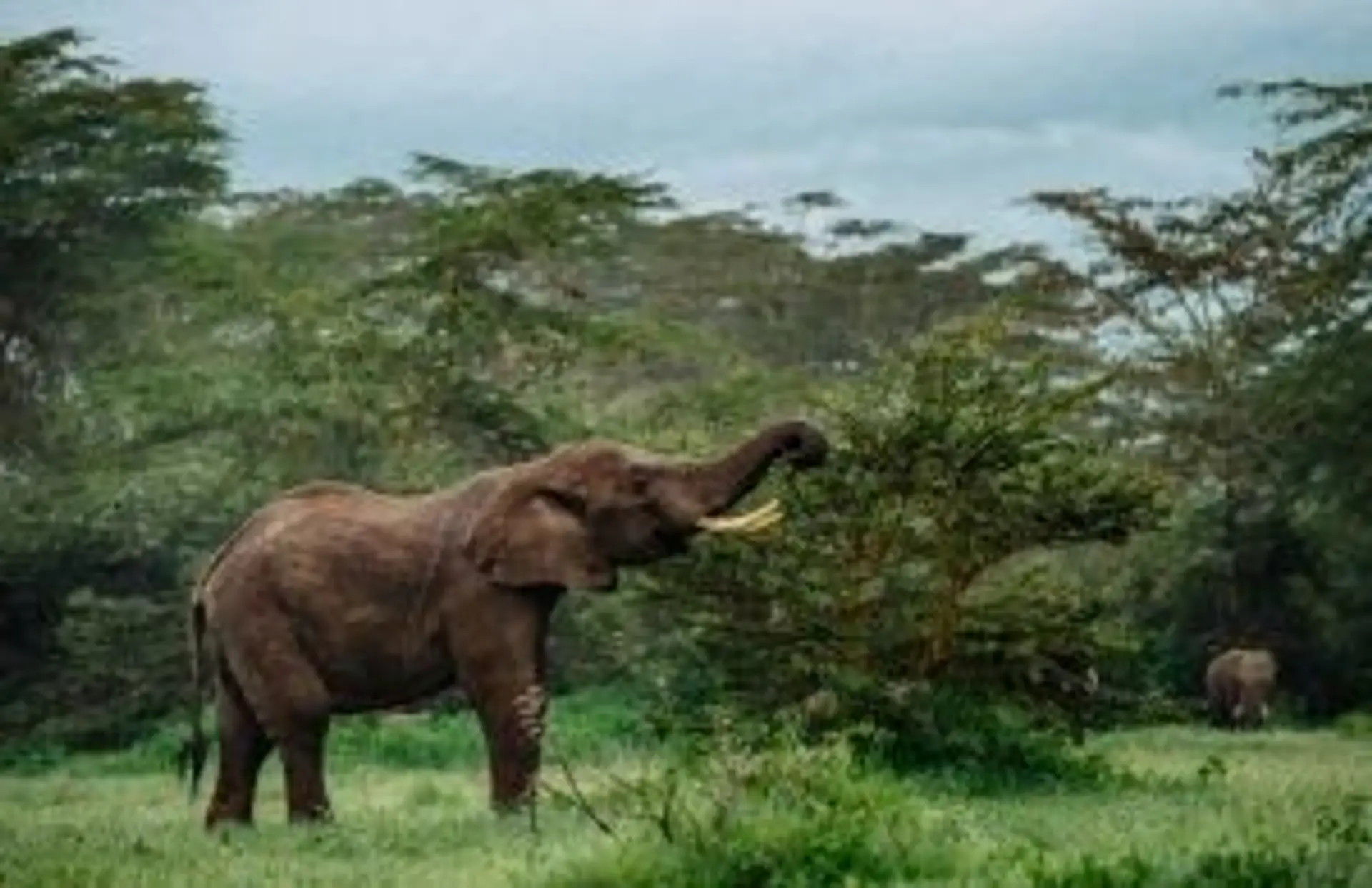
Discovering the animals of Thailand on a responsible trip means immersing yourself in one of the most spectacular yet fragile ecosystems in Asia — one that needs to be protected. At Shanti Travel, we encourage our travellers to explore this richness while adopting actions that help protect these species: choose responsible sanctuaries and refuse any form of animal exploitation.
It's worth knowing that in Thailand, many animal species are mistreated or endangered.
So please don't encourage the tourist exploitation of monkeys, tigers, elephants and other species — for example, by boycotting elephant-back rides...
That said, the country has around 150 national parks scattered across its territory that protect these animals — places well worth prioritising!
Thailand stands out for its incredible faunal diversity: the Asian elephant – the national symbol –, the Indochinese tiger, a variety of primates, exotic snakes, rare birds (black-headed ibis, great hornbill) and a host of unusual reptiles, amphibians and insects. This mosaic of species, unique in Southeast Asia, is both a source of national pride and a conservation challenge.
Several species coexist in Thailand, including the long-tailed macaque, the gibbon and the white-handed lar gibbon.
Lopburi is nicknamed the 'city of monkeys': they roam freely there, true urban icons! However, for everyone's sake, keep your distance and avoid feeding these animals, as it encourages sometimes aggressive interactions and disrupts their natural behaviour.
This cousin of the millipede, though intimidating, plays a useful role in the ecosystem by regulating populations of harmful insects. It's mostly encountered during the rainy season in warm, humid spots. Caution is advised, as its bite is painful, though rarely dangerous to humans.
Rare and elusive, this small nocturnal primate lives high in the canopy of southern forests. Its strictly arboreal, carnivorous lifestyle makes it almost invisible to the unprepared traveller. If you're lucky, you might spot one during a respectful, guided evening wildlife tour deep in the forest.
At the heart of the nation's culture and history, the Asian elephant embodies wisdom and strength. Long exploited in the logging industry and tourism, it is now the focus of rehabilitation programmes. Many national parks and ethical sanctuaries – such as the Elephant Nature Park near Chiang Mai or the Phuket Elephant Sanctuary – offer responsible experiences: you can observe elephants living semi-wild, feed them without riding on their backs or taking part in shows. Your visit will support their protection and wellbeing.
A nocturnal species with the astonishing ability to glide dozens of metres thanks to a skin membrane, the colugo inhabits the humid forests of the south. Solitary and shy, it delights nature lovers during silent evening watches beneath the canopy.
More than 60 species can be found, from harmless pythons to vipers and cobras. In national parks, extra care is needed, especially when walking off marked trails. Most snakes fear humans and flee at the slightest vibration, making encounters rare. Local guides know exactly which areas to avoid and offer valuable advice.
Some iconic – but endangered or elusive – animals remain invisible to most travellers.
This rare cetacean, with its rounded forehead and very short beak, frequents the estuaries of the Mekong and other great Asian rivers. Extremely vulnerable to overfishing and pollution, spotting one today is a rare exception.
A small freshwater crocodile, once abundant, now almost invisible, as it is particularly endangered (the most threatened of its family). It survives only in relic populations in a few rivers and marshes in central Thailand and Cambodia.
The world's smallest bear species, it shares tropical forests with other large mammals and is fiercely shy of humans. A victim of poaching and habitat loss, it has become extremely rare.
At the start of the 20th century, Thailand was home to many tigers. Today, only a handful survive in the wild, in the most remote reserves such as Huai Kha Khaeng or Khao Yai. For the passionate and lucky observer, there remains hope of spotting traces in the pockets of jungle where conservation is the absolute priority.
By choosing a trip aligned with responsible initiatives, every visitor becomes an actor in conservation. Support ethical sanctuaries, refuse any attraction that exploits or stresses animals, and share your discoveries to promote a respectful approach to Thailand's incredible wildlife. The whole Shanti Travel team is on hand to help you organise a nature-focused, engaged trip, as close as possible to wildlife… but always with respect for its inhabitants!
Subscribe and receive our travel inspirations and practical advice twice a month.

Wanting to share your trip with a group?