
Your expert on destination Vietnam
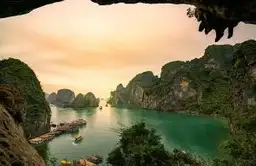
Vietnam is a true paradise for nature and wildlife lovers. Located in the heart of Indochina, this S-shaped country stretches over more than 1,650 kilometres from north to south, offering an exceptional diversity of ecosystems: humid tropical forests, lush mangroves, high mountain plateaus and pristine coral reefs.
With more than 30 national parks and nature reserves, Vietnam is home to some of the richest biodiversity in Southeast Asia. The country has over 310 mammal species, 840 bird species, 296 reptile species and an exceptionally diverse marine life. Some of these species are endemic, meaning they exist nowhere else on the planet.
Here, you can encounter iconic species, from the elusive pangolin to the majestic Asian elephant, as well as a wide variety of colourful birds, fascinating primates, impressive reptiles and remarkable underwater life. Tailor-made programmes guide travellers in discovering these natural treasures, with the greatest respect for ecosystems and local communities.
Whether you're a bird-watching enthusiast, a diving fan, a wildlife photographer or simply curious about nature, this guide will help you prepare your trip to get as close as possible to Vietnamese wildlife. Discover itineraries tailored to your interests on our Vietnam Travel page.
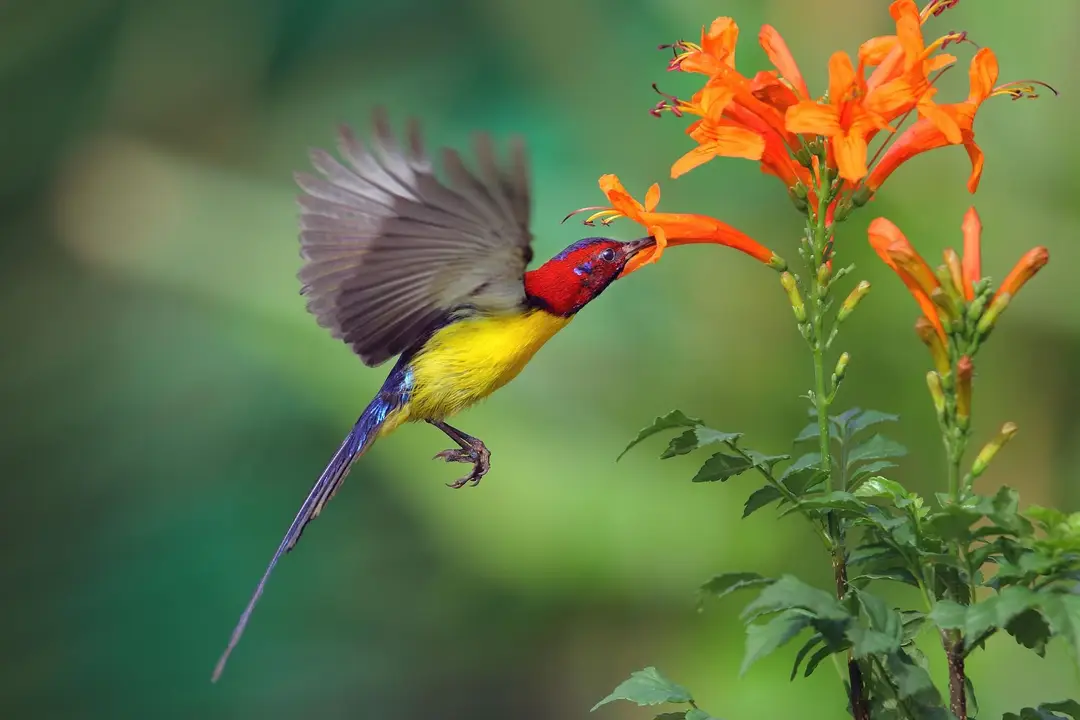
Vietnam is a top destination for bird watching, with more than 900 species recorded across the country, some among the rarest in Southeast Asia. Nature lovers will enjoy special moments, particularly in Phong Nha-Ke Bang National Park (where more than 30 rare species have recently been recorded), Tram Chim (a refuge for more than 230 species, including the impressive sarus crane and the black-faced spoonbill), Cat Tien (home to Germain's peacock-pheasant and the green peafowl) and Cuc Phuong (more than 300 species, including the famous great hornbill). The islands of Cat Ba, Van Long Nature Reserve and the Mekong Delta complete this mosaic.
To make the most of your birdwatching: head out early morning or late afternoon, hire a knowledgeable local guide, stay quiet and discreet, and wear suitable clothing. Our programmes such as Vietnam for Families or Vietnam Essentials are perfect for combining these discoveries with unforgettable moments of relaxation in nature.
💡 Practical tip: best time to watch birds in Vietnam The ideal period for bird watching in Vietnam runs from November to March, during the dry season. Migratory birds from Siberia and China join resident species, multiplying your chances of sightings. Morning outings between 6am and 9am offer the best conditions: birds are more active and the light is perfect for photography.
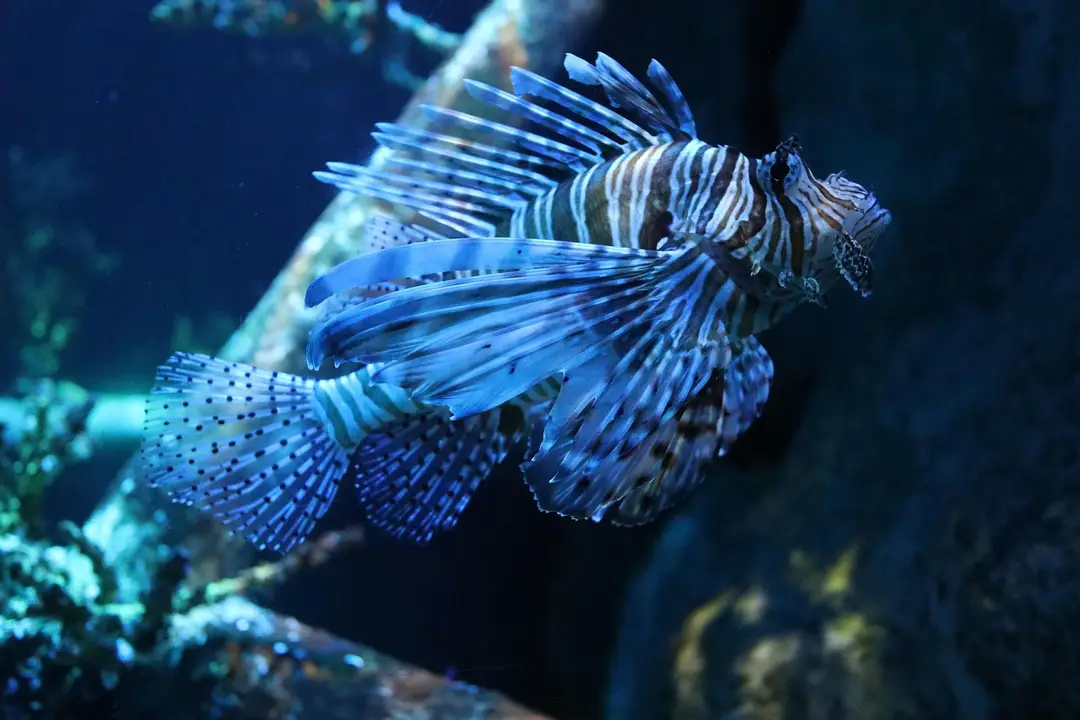
Vietnam's marine life is captivating for its diversity and beauty. The Nha Trang region, known for its crystal-clear waters, is home to nearly 350 coral species and a multitude of colourful tropical fish. It's one of the best diving and snorkelling spots, with the islets of Hon Mun and Whale Island (where you can spot whale sharks from April to June). Phu Quoc island, rich in untouched sites, is also home to seahorses, turtles, moray eels, rays and even the occasional dugong.
The ideal period for exploring these waters runs from November to April, when the sea is calm and visibility excellent. Marine protected areas are increasingly common along the Vietnamese coast, helping to preserve reefs, promote responsible snorkelling and limit the impact of fishing. It's essential to follow local regulations: never touch or remove corals or marine animals, and choose outings with certified, environmentally conscious operators. For an eco-responsible experience, consider programmes such as Gentle Mekong Cruise.
🐢 Did you know? Vietnam's sea turtles Vietnam's coastline is home to five of the seven existing species of sea turtle: the green turtle, hawksbill, olive ridley, loggerhead and leatherback. The Con Dao Islands are a major sanctuary where hundreds of turtles come to nest each year between April and September. Conservation programmes allow visitors to witness the release of baby turtles, an unforgettable and environmentally respectful experience.
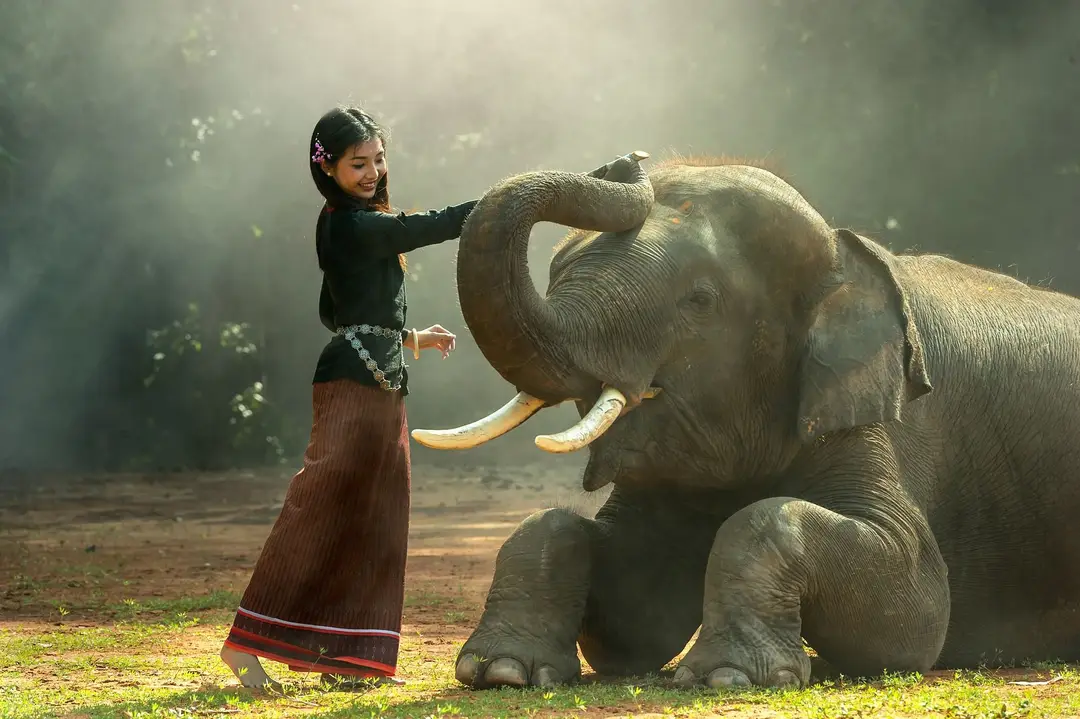
Vietnam is today home to fewer than 200 wild Asian elephants, mainly in the Central Highlands. Yok Đôn National Park (Đắk Lắk) is the benchmark for responsible ecotourism: here, elephants live semi-wild in their natural habitat, and viewing takes place without intrusion, always guided by specialists. The Vietnamese government has launched an ambitious conservation plan through to 2035 to strengthen the population, step up the fight against poaching and restore natural habitats. In Buôn Đôn, a village with a historic link to elephants, tourism is gradually shifting away from elephant-back rides in favour of more respectful experiences.
A few essential tips: always choose activities that put animal welfare first, never take part in elephant-back rides, keep a recommended distance and support local ecotourism and education initiatives. The Vietnam Essentials programme includes this immersive approach at the heart of a region steeped in centuries-old traditions.
🌿 Conservation focus: elephants at risk Vietnam faces a major challenge in preserving its Asian elephants. In 1990, the population was estimated at around 2,000 individuals. Today, only around a hundred remain in the wild, mainly in the provinces of Đắk Lắk, Nghệ An and Thanh Hóa. Deforestation, habitat fragmentation and human-elephant conflict are the main threats.
Promising initiatives are emerging: ecological corridors between protected areas, training for mahouts in respectful practices, and the development of ecotourism as an economic alternative. By choosing responsible experiences on your trip, you contribute directly to these conservation efforts.
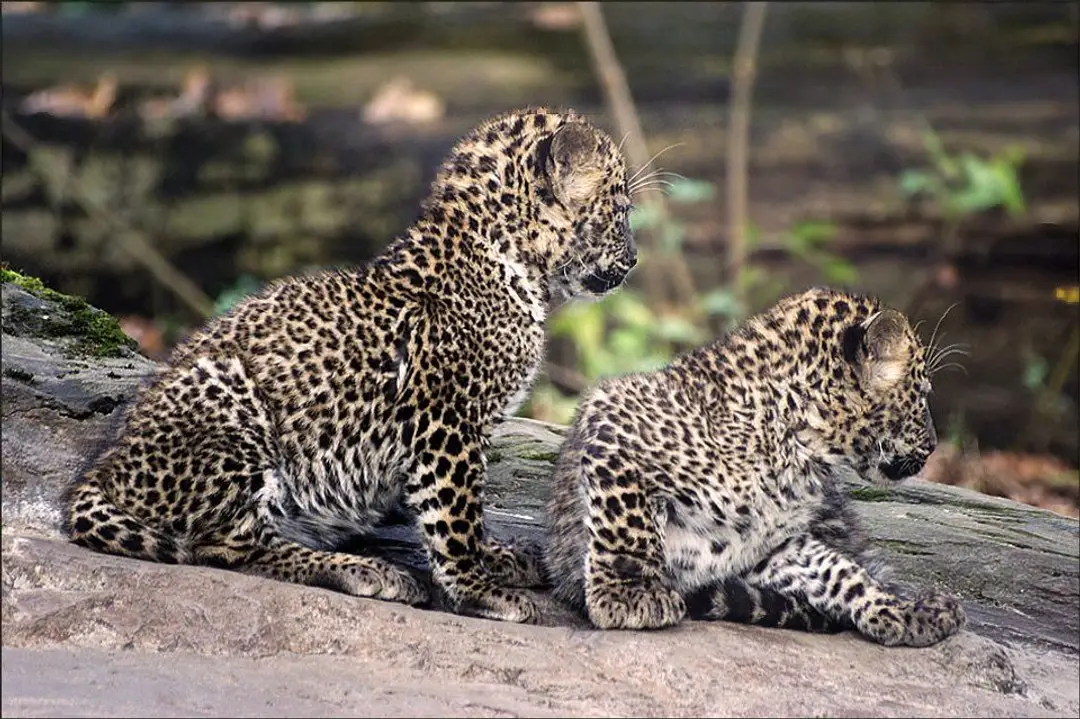
The tiger, the leopard (clouded leopard) and the Asian wild dog (dhole) have almost entirely vanished from Vietnam's forests: recent surveys have found no tangible trace of these large carnivores. Their chances of being spotted in the wild have become extremely slim, but their powerful symbolism continues to inspire wildlife conservation. More resilient, sun bears and smaller carnivores still roam forested areas such as Bach Ma, though they remain shy and mostly nocturnal.
The saola, nicknamed the 'Asian unicorn', remains one of the most mysterious mammals in the world. Discovered only in 1992 in the Annamite mountain range, this ox-like animal has been photographed in the wild on only a handful of occasions. Its population is estimated at fewer than 100 individuals, making it one of the most endangered mammals on the planet.
Other fascinating carnivores still roam Vietnam's forests: the marbled cat, the masked palm civet, the binturong and the Temminck's cat. Essentially nocturnal and extremely elusive, these animals rarely reveal their presence, except through tracks or camera traps set up by scientists.
For travellers, a hike through parks such as Pu Mat or Cat Tien evokes these mysterious presences, while rehabilitation programmes for carnivores and pangolins help restore a fragile ecological balance. If you'd like to explore these wild regions, the North Vietnam Treks and Villages tour takes you into the heart of authentic nature.
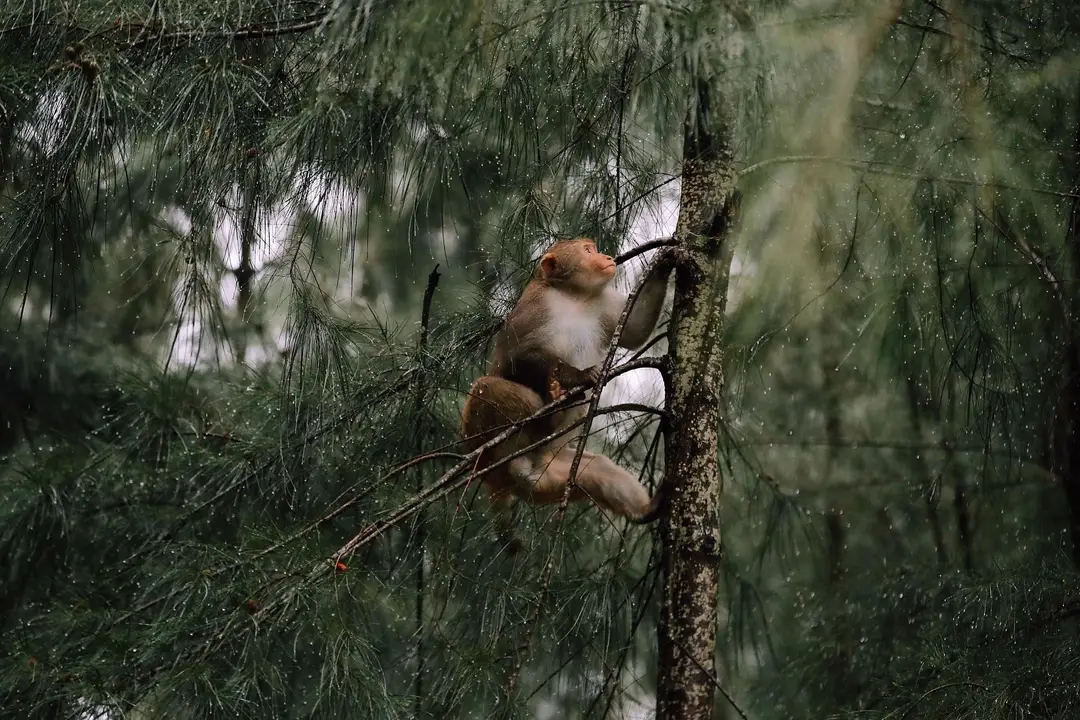
Vietnam is one of the last refuges for endangered primates such as the grey-shanked douc langur (fewer than 1,000 individuals, central Vietnam) and the Tonkin snub-nosed monkey (northern Vietnam, around 160 individuals recently recorded). Macaques, gibbons, langurs and otters inhabit various forested areas, often visible on excursions in national parks. The white-handed or white-cheeked gibbon delights visitors with its morning calls.
To observe these animals while respecting their fragile environment, choose guided visits to specialist centres, such as the one at Cuc Phuong National Park, where the Endangered Primate Rescue Center works to rehabilitate and release them into the wild. Never take part in illegal captivity or buy souvenirs made from animal parts. The Vietnam Untamed trip allows for authentic encounters with primates, combining forest immersion with cultural discovery.
📷 Where to photograph primates in Vietnam? To maximise your chances of observing and photographing primates in ethical conditions:
An experienced local guide remains essential for locating these animals while respecting their peace and quiet.
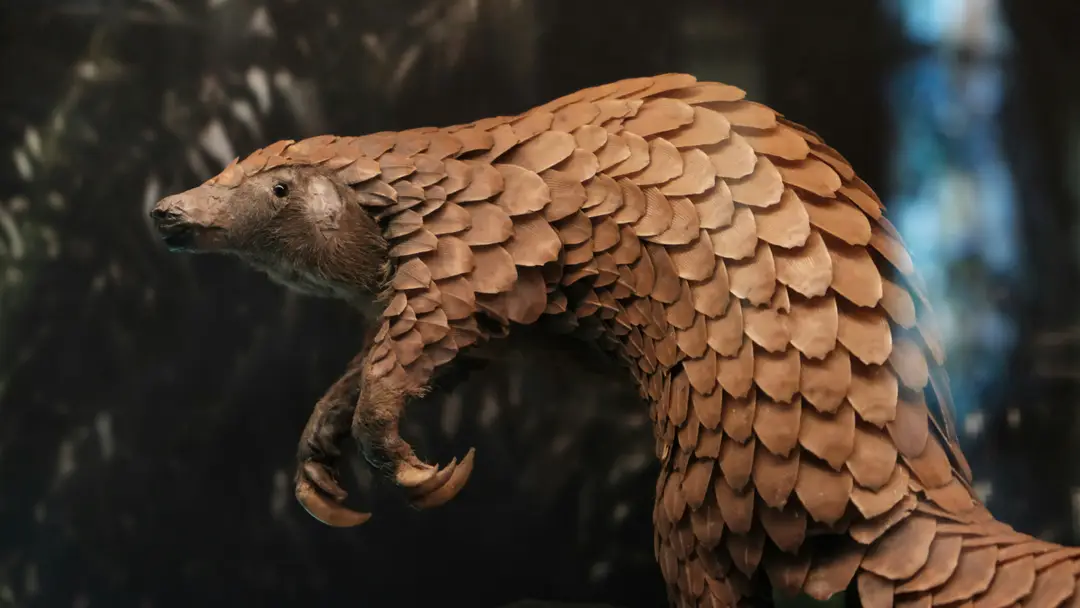
Among Vietnam's most fascinating treasures are the Sunda pangolin (a victim of poaching but regularly released back into parks such as Cuc Phuong or Cat Tien), slow lorises and other nocturnal animals (civets, wild cats, otters). You can observe them on organised night-time visits in small groups, always with an experienced guide and with the strictest respect for the animals and their habitat. At Cuc Phuong, these outings run between 7pm and 10pm using electric vehicles to limit disturbance.
Slow lorises, with their big eyes and slow movements, fascinate visitors. However, these nocturnal primates are seriously threatened by the illegal wildlife trade. Sadly, many tourist venues still offer 'selfies' with these animals, a cruel practice that contributes to their decline. Never take part in this kind of activity: the lorises used have usually had their venomous teeth removed, suffer intense stress and are often captured illegally.
Genuine responsible night observation takes place in the forest, with trained guides using red lights to minimise disturbance. Sightings remain a matter of chance, but this approach respects animal welfare and contributes to species conservation.
Centres such as Save Vietnam's Wildlife combine scientific monitoring (including drone technology to track pangolins) with educational outreach. Strict rules also aim to limit disturbance, support reintroduction and actively combat habitat fragmentation and poaching.
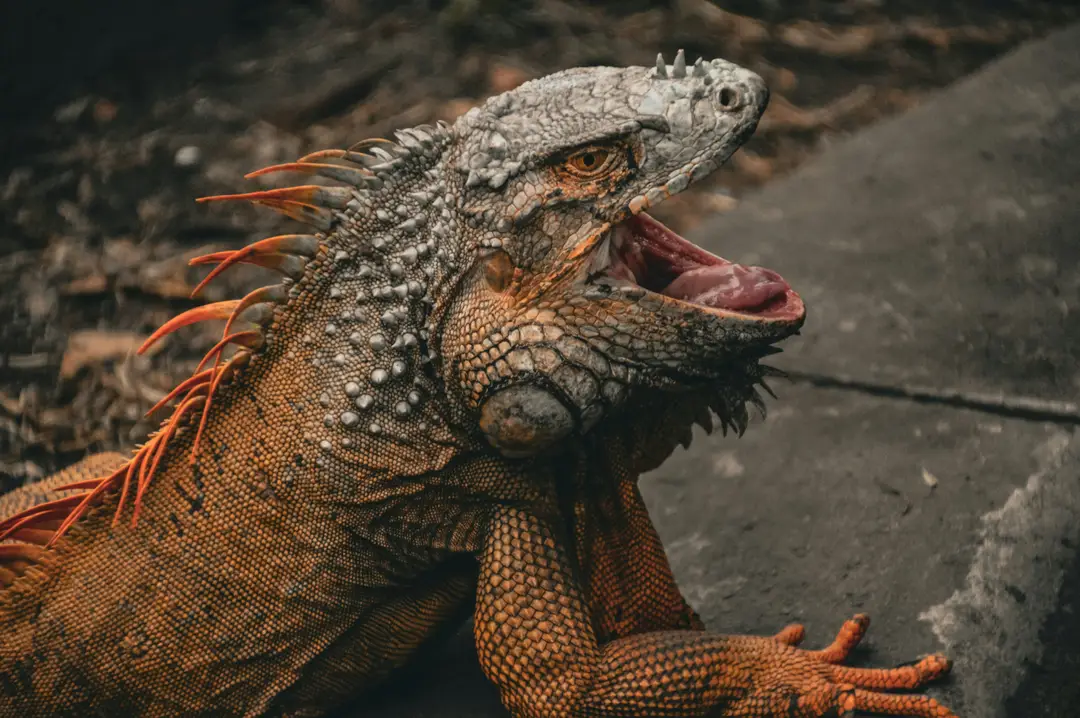
Vietnam is home to an extraordinarily rich reptile and amphibian fauna, with more than 296 recorded reptile species and 180 amphibian species, including many recent discoveries.
Vietnam's forests are home to more than 150 snake species, from harmless grass snakes to impressive reticulated pythons that can reach 6 metres in length. Venomous species include several cobras (including the formidable king cobra), the many-banded krait and various vipers. Rest assured: encounters with dangerous snakes remain rare for travellers who stick to marked trails and follow their guides' advice.
The saltwater crocodile, the largest living reptile, still frequents some mangroves and wetlands of the Mekong Delta, though its population has become very small. Monitor lizards, particularly the Bengal monitor, can sometimes be spotted near waterways in national parks such as Cat Tien.
Vietnam is a hotspot for amphibians, with new species discovered almost every year. The mountain forests of the north are home to brightly coloured frogs and endemic salamanders. Hoang Lien National Park (in the Sapa region) is particularly notable for its diversity of high-altitude amphibians.
Best spots for reptile watching: Cat Tien (pythons, monitor lizards), Cuc Phuong (giant geckos, box turtles), Mekong Delta (crocodiles in semi-natural captivity), Tram Chim (freshwater turtles).
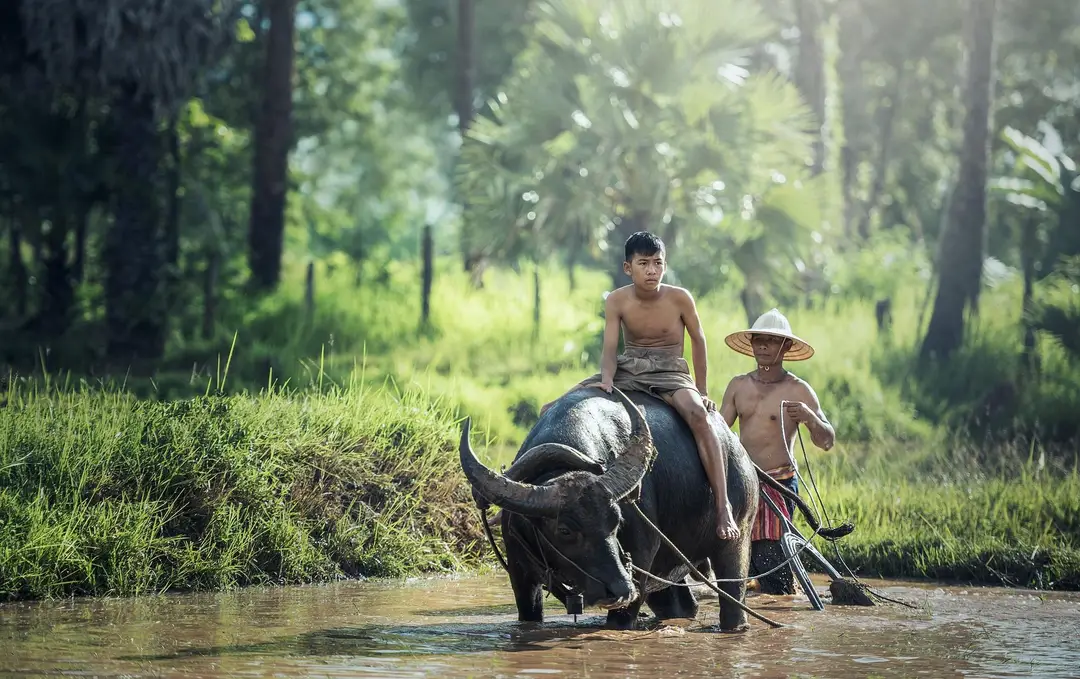
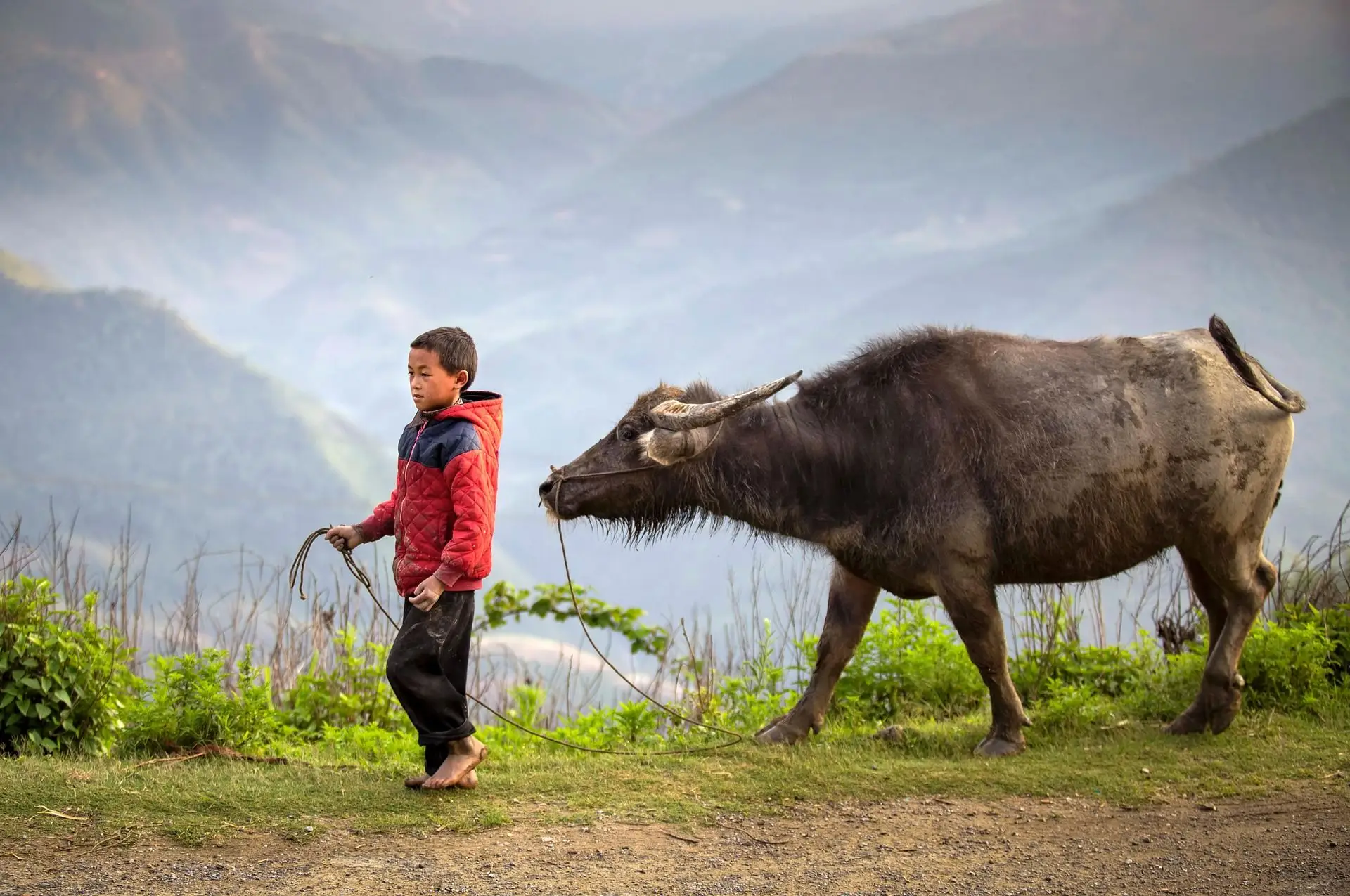
Water buffalo – domesticated or occasionally wild – are icons of rural Vietnamese life. Found in the rice paddies, they play a key role in agriculture and are honoured at traditional festivals. Other, more discreet animals live in the countryside: turtles, rodents, pigs, goats and cows. Crocodiles can occasionally be spotted in certain protected wetlands, though Vietnam remains poor in large marine mammals.
In the most remote corners – such as Cuc Phuong National Park – lucky adventurers may also spot civets, wild cats or fireflies on guided night outings. These exceptional sightings always require the company of a specialist guide and adherence to park rules.
Unfortunately, the Indochinese tiger is now considered functionally extinct in Vietnam. No scientific evidence of its presence has been recorded for more than 20 years, despite numerous studies. The last confirmed sightings date back to the 1990s. Intensive hunting and habitat destruction caused its disappearance.
Vietnam has few animals that are genuinely dangerous to humans. The main risks involve certain venomous snakes (cobras, vipers), jellyfish in coastal areas at certain times of year, and, very rarely, saltwater crocodiles in remote mangroves. By following safety guidance and staying on marked trails with a guide, the risks are minimal.
The dry season, from November to April, offers the best conditions for observing land wildlife: passable paths, and animals more active and concentrated near water sources. For marine life, March to September is best on the southern coast, and May to September in the centre. Each region has its own specifics, so check details for your chosen destinations.
Most of the major national parks have tourist infrastructure: accommodation, French- or English-speaking guides, and marked trails. Some, such as Cat Tien or Cuc Phuong, are just a few hours' drive from major cities. Others, more remote, such as Pu Mat or Bach Ma, require more travel time but guarantee a deeper immersion in wild nature.
Always choose observation activities without direct contact with animals, pick operators certified for their environmental commitment, never feed wild animals, never buy products made from endangered species (ivory, scales, fur), and strictly follow national park rules. Your behaviour has a direct impact on conservation.
Yes, Vietnam is home to many endemic species, meaning they exist nowhere else. The most iconic examples include Delacour's langur, the Cat Ba langur, the saola, the giant muntjac, several species of colourful frogs and birds such as Edwards's pheasant. This endemic richness makes Vietnam a priority destination for global biodiversity conservation.
Absolutely! Vietnam offers this dual richness. Many national parks are located near ethnic minority villages or major cultural sites. You could combine a day of bird watching at Tram Chim with exploring the Mekong Delta, or a trek in search of primates at Cuc Phuong with a visit to ancient temples. Our tailor-made tours seamlessly blend these two dimensions.
The vaccinations recommended for Vietnam (hepatitis A and B, typhoid, Japanese encephalitis depending on the area) also cover visits to national parks. Anti-malarial treatment may be advised for certain remote forested areas. Consult a travel health clinic 6 to 8 weeks before departure for personalised advice.
Exploring Vietnam's wildlife means immersing yourself in one of the richest and most mysterious ecosystems in Southeast Asia. From the ancient forests of the north to the coral reefs of the south, each ecosystem reveals its discreet inhabitants: birds with dazzling plumage, playful primates, fascinating reptiles, majestic elephants and a host of species still little known.
This journey into the heart of Vietnamese nature is also a commitment to its preservation. Vietnam faces significant challenges: deforestation, poaching, habitat fragmentation. But many positive initiatives are emerging, driven by local organisations, village communities and responsible travellers like you.
Whether you dream of a wildlife safari on the trail of the saola, an early-morning birding trip through the marshes of Tram Chim, a magical dive among the corals of Nha Trang, or a magical night listening for pangolins in the forests of Cuc Phuong, Vietnam promises unforgettable encounters. Every sighting, every photo, every moment of connection with wildlife is a reminder of our planet's fragile beauty and the importance of protecting it.
The richness of its wildlife, still preserved despite conservation challenges, makes the country an ideal destination for nature lovers, wildlife photographers and anyone curious about the subtle links between people and their environment.
Want to set off on the trail of these fascinating animals? Create your tailor-made trip with our Vietnam expert and discover a country where nature still has its rightful place.
Subscribe and receive our travel inspirations and practical advice twice a month.
Wanting to share your trip with a group?