Religion in Vietnam
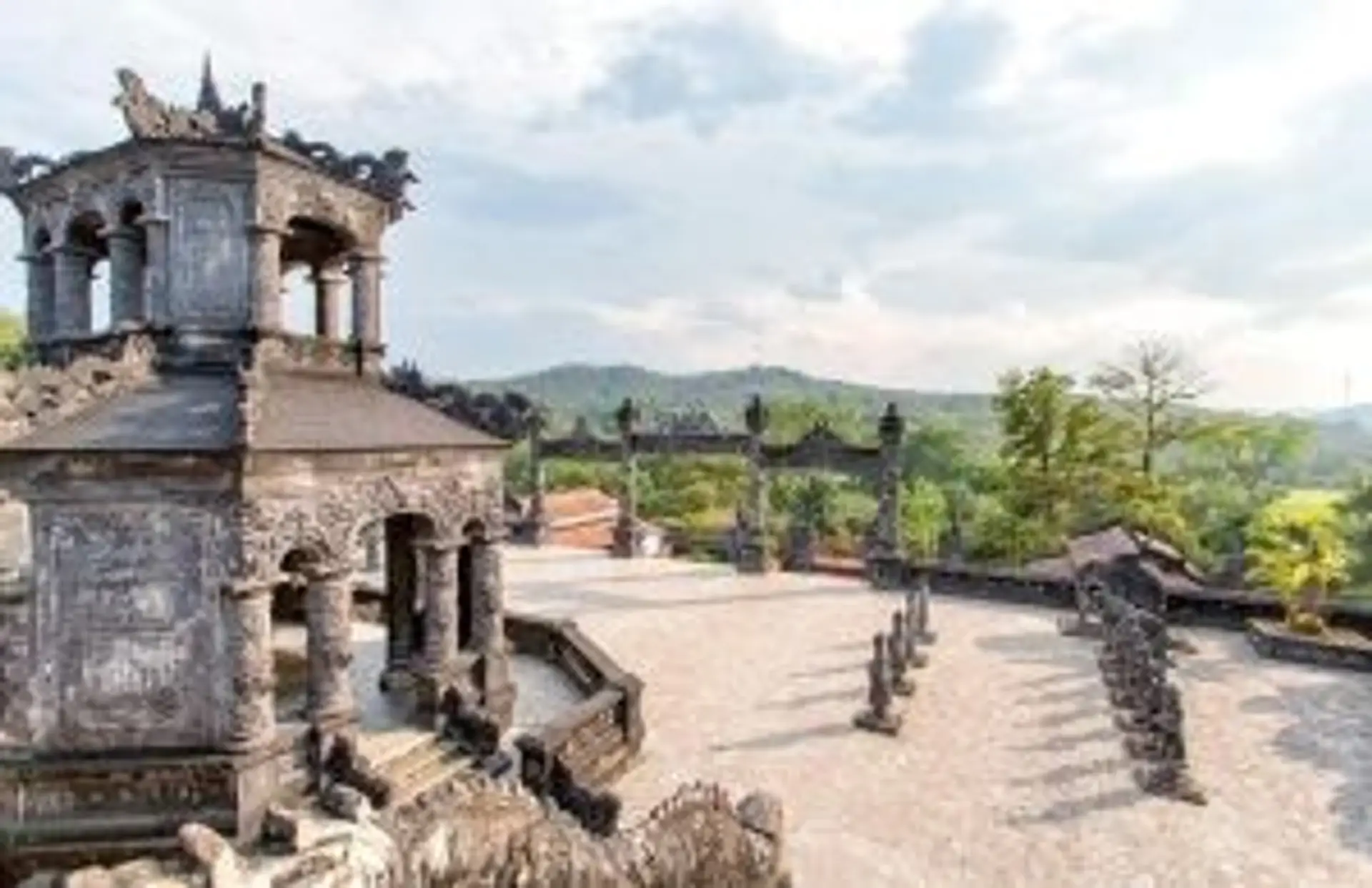
To truly appreciate the depth of religion in Vietnam, travelers must immerse themselves in its uniquely syncretic spiritual landscape. When you travel to Vietnam, you’ll discover a tapestry of beliefs where Buddhism, Confucianism, Taoism, indigenous cults, ancestor worship, and homegrown faiths create a vibrant spiritual culture that infuses daily life and national identity.
While Vietnam is officially an atheist state, most of its population engage in spiritual practices. Strongly influenced by Chinese, Indian, and European philosophies, Vietnamese religion today is a melting pot from which emerge three foundational traditions—the so-called "Three Teachings" (Tam Giáo): Buddhism, Confucianism, and Taoism. Yet, the richness of Vietnamese spiritual life goes far beyond these pillars, blending popular folk beliefs, indigenous practices, and even foreign elements into everyday rituals and communal celebrations.
The Three Main Religions in Vietnam
Buddhism arrived in Vietnam in the second century, gaining prominence during the Ly Dynasty as the state religion. The predominant form is Mahayana Buddhism—an inclusive school known for its aspiration to enlightenment for all, not only for the monastic class.
Unlike more rigid or sectarian forms found elsewhere in Asia, Vietnamese Buddhism is profoundly syncretic and flexible. Temples often blend elements of Buddhism, Taoist deities, local spirits, and even revered ancestors on a single altar. The Pure Land school with its focus on the recitation of Amitabha Buddha is particularly popular, alongside vibrant Zen (Thiền) practices. In daily life, Buddhist values—especially compassion, harmony, and respect—permeate family and social interactions. Vietnam even developed its own Zen branch (Trúc Lâm Yên Tử) under King Trần Nhân Tông, illustrating how local culture shapes and absorbs religious currents. The Buddha is a familiar, approachable presence in folk tales, songs, and village rituals.
Confucianism, transplanted from China, established the moral and social codes still visible today. Its five celebrated virtues—benevolence, righteousness, propriety, wisdom, and fidelity—form the backbone of Vietnamese notions of duty, especially regarding family hierarchy and communal relationships. While the formal influence of Confucianism waned during periods of foreign rule, its respect for elders, emphasis on education, and ethical order continue to govern much of public and private life.
Taoism focuses on harmony and the elusive balance between man and nature, arriving with Chinese influence but thriving as a local philosophy. Many rituals, folk healing, and festivals draw on Taoist cosmology, celebrating nature’s elements and the pursuit of inner peace.
The Vietnamese Spiritual Synthesis and the Role of Ancestor Worship
Religious practice in Vietnam is defined by extraordinary spiritual syncretism. The cultural ideal is not to belong rigidly to a single faith, but to weave elements from various traditions into a harmonious whole. Most Vietnamese families maintain a home altar to honor ancestors—regardless of their affiliation with Buddhism, Catholicism, or other faiths. Offerings and incense keep the spirits of the departed close, with major rituals held on death anniversaries and holidays like Tết (Lunar New Year) and Vu Lan (Ancestor’s Day).
Ancestor worship (Phạm Giao) is the unifying thread: it connects generations, sustains family solidarity, and shapes communal identity. Village and nature spirits are venerated as guardians of the land, while local temples, pagodas, and communal houses act as focal points for festivals and neighborhood gatherings. Even among urban youth, these deeply rooted customs foster a sense of continuity and respect for tradition.
Folk and Indigenous Religions: Cao Dai, Hoa Hao, and More
Vietnam’s spiritual variety also includes remarkable indigenous religions. Two of the most notable are:
Cao Dai (founded 1926, Tây Ninh) is a truly Vietnamese creation, explicitly blending Buddhism, Taoism, Confucianism, Christianity, Islam, and indigenous beliefs. Colorful temples, a distinct hierarchy, ancestor veneration, and universalist ethics make Cao Dai a fascinating religion to encounter, with about 1–2 million followers mainly in southern Vietnam. Its ritual life is elaborate, drawing tourists and spiritual seekers alike to the grand Holy See near Ho Chi Minh City.
Hoa Hao Buddhism (founded 1939, Mekong Delta) is a reformist, lay-oriented Buddhist movement, dedicated to simple home worship, faith healing, practical charity, and a focus on the needs of rural communities. Its adherents favor humility, patriotism, and direct engagement over temple-based rituals.
Indigenous folk cults—such as the Mother Goddess worship (Đạo Mẫu), spirit possession, and shamanic rituals—are practiced widely. These traditions thrive in ceremonies that call upon spirits for health, fertility, and protection, and are especially vital among ethnic minorities and in rural areas. The remains of Hindu temples at Mỹ Sơn and Po Nagar testify to ancient Cham religious life, and among the Chams today, both Hinduism and Islam survive.
Religion and Daily Life: Customs, Festivals, and Spiritual Expression
Religious beliefs deeply influence daily routines, ethical values, and Vietnam’s rich festival calendar:
- Most homes and even shops display ancestral altars with fresh offerings and incense, ensuring prosperity and harmony.
- Temples and pagodas are the scene for not just worship but also for community events, storytelling, and celebrations.
- Major festivals like Tết (Lunar New Year) and Mid-Autumn Festival fuse Buddhist customs, ancestor worship, and popular superstitions. During these events, families gather to pray for good fortune, health, and bountiful harvests.
- Rituals and taboos—such as careful attention to gestures, codes during meals, and offerings to nature’s spirits—punctuate everyday interactions. This spiritual etiquette fosters both individual mindfulness and communal solidarity.
Distinctive Temples and Pagodas: Architecture as Spiritual Expression
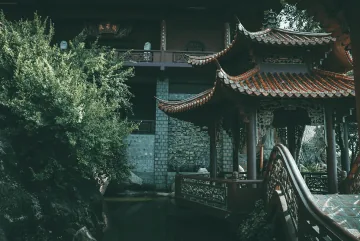
Vietnamese temples and pagodas are as diverse as the beliefs they shelter. They feature:
- Curving tiered roofs with dragon or phoenix motifs, symbolizing protection and spiritual ascent.
- Wood, stone, and terracotta craftsmanship reflecting harmony with nature and ancestral heritage.
- Elaborate decorations—from lotus-shaped towers to intricately carved altars and bell towers—that tell stories of spiritual striving and cultural pride.
- Eclectic blends: Some temples, like Vĩnh Tràng Pagoda, mix Vietnamese, Chinese, Japanese, and European influences into a single harmonious structure—testament to the country’s openness and creative adaptation.
- Legendary sites: The iconic One Pillar Pagoda in Hanoi is designed like a blooming lotus, a symbol of purity rising above the world.
Religion in Vietnam Today: Modernity, Policy, and Living Traditions
Since 1975, while the state continues to officially promote atheism and regulate religious activity, spiritual life remains vibrant. The government has gradually broadened recognition to numerous religious groups—over sixty are officially acknowledged today—yet significant restrictions persist, with unregistered or independent denominations sometimes facing surveillance or repression.
Despite these challenges, religion is recognized for its positive social contribution, and traditional practices like ancestor worship, pagoda visits, and folk ceremonies are embraced—even by non-believers—as part of national heritage. Travelers will notice how altars, incense, and symbolic offerings permeate city streets, markets, restaurants, and homes, revealing a society where the spiritual and secular coexist harmoniously. Festivals and temple rituals serve not only as religious observance, but also as unifying cultural celebrations that bring together communities and generations.
At Shanti Travel, with decades of experience in Vietnam, we guide our travelers in understanding and respectfully engaging with these complex spiritual threads. Experiencing religion in Vietnam—whether through attending a festival, sharing in a family celebration, or visiting an ancient pagoda—is one of the most profound ways to connect with the soul of this fascinating country.