Trekking in Vietnam
Trekking in Vietnam: A Complete Guide for Adventurers
===================================================
To truly appreciate the wonders of this enchanting country, trekking in Vietnam offers an unrivaled opportunity to venture through spectacular landscapes, meet ethnic minorities, and discover nature’s untamed beauty. If you’re considering a trip to Vietnam focused on trekking, this guide brings together expert insights gained from two decades of experience designing treks to suit every style and ability.
The Best Regions for Trekking in Vietnam
While Vietnam offers a variety of hiking environments, the North stands out for its dramatic mountain terrain, cool climate, and dense patchwork of ethnic communities. Here you’ll find everything from challenging multi-day expeditions to gentle scenic walks. Each area presents its own blend of landscapes, trekking difficulty, and cultural encounters:
Sapa Valley
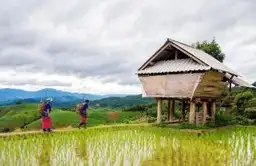
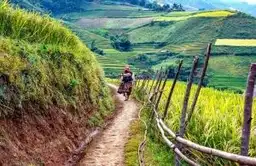
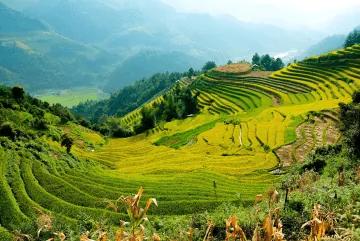
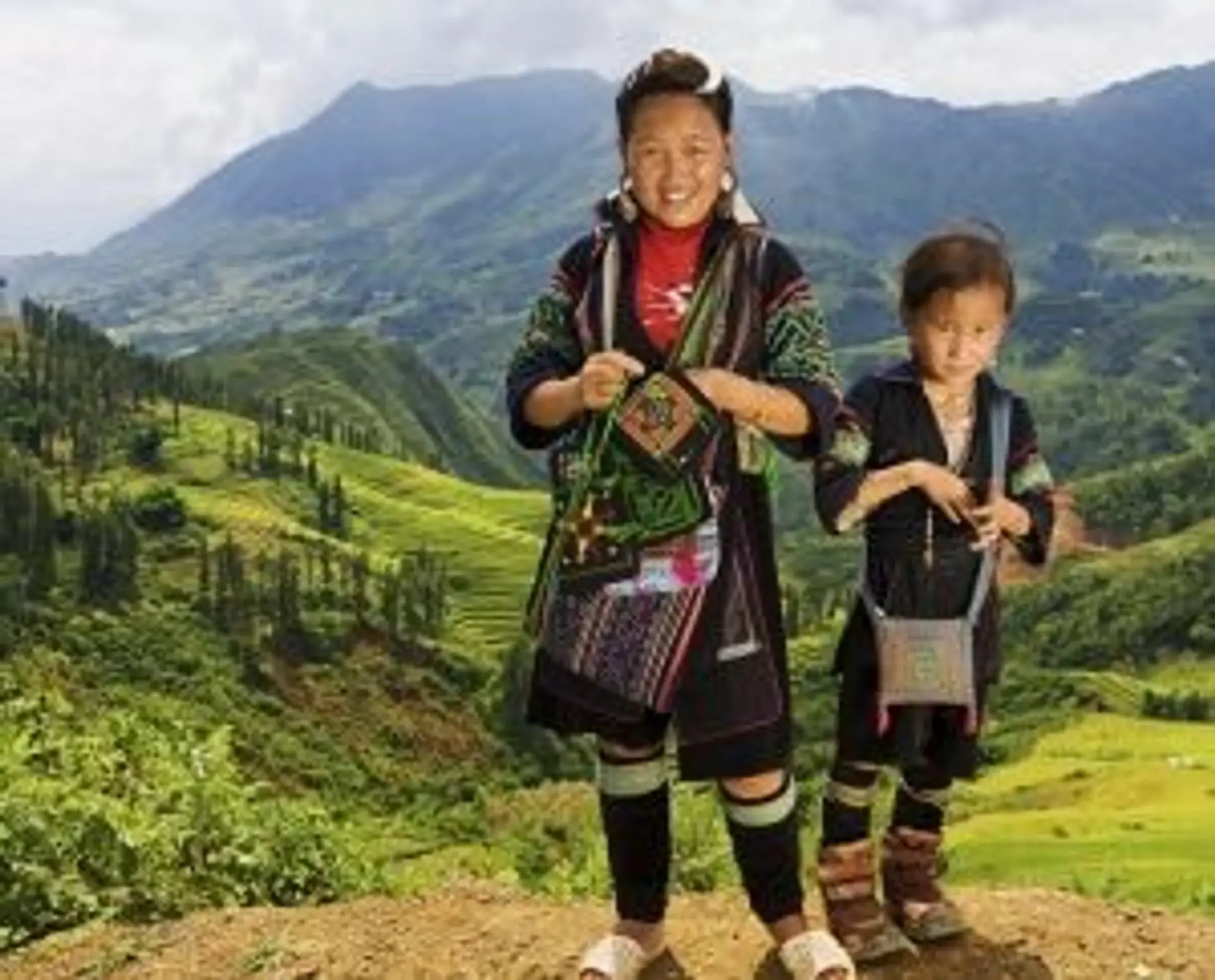
Perched at an altitude of 1,600 meters, Sapa is the starting point for treks of all levels. Discover iconic rice terraces, vibrant ethnic villages (home to Hmong, Dzao, Giay and Tay peoples), and breathtaking views. Trails range from easy walks through valleys to strenuous climbs over mountain passes. Treks here often include overnight stays in traditional homestays—an immersive slice of local life where you’ll enjoy homecooked meals, simple hospitality, and cultural exchanges. Make time for the colorful local markets, a highlight for those curious about tribal crafts and dress.
Mount Fansipan
Nearby Sapa lies Mount Fansipan, the 3,143-meter “Roof of Indochina.” This summit trek is demanding—typically 1–2 nights on the trail, sleeping in mountain huts and passing through lush mountain forests and rougher, alpine sections. The reward is panoramic views of misty peaks and rare alpine flora such as orchids and rhododendrons. For trekkers less eager to climb, the cable car (operational since 2016) offers a shortcut to sweeping vistas.
The Far North / Chinese Border
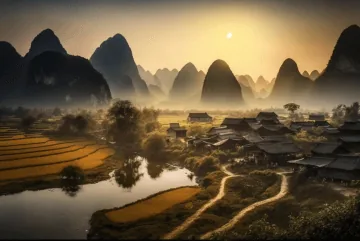
Ha Giang province and the regions near the Chinese border offer Vietnam’s wildest trekking. Expect steeper, drier, almost lunar limestone hills, with traditional villages of the Black Lolo and other minorities barely touched by modernization. In Cao Bang, Meo Vac, and Bao Lac, trekkers can expect total immersion in nature and village life: rushing mountain streams, patchwork rice terraces, remote wooden homes, and enchanting waterfalls providing a soundtrack along the way. Ethnic encounters are a highlight here—observe weaving, cooking, and unique festivals in villages largely unchanged for generations.
Cat Ba National Park
On the island of Cat Ba, set aside at least two nights to combine invigorating treks across mountains and lush forests with well-earned relaxation. Reach summits for sweeping ocean views, reminiscent of Halong Bay’s majestic limestone towers. Cat Ba’s trails pass through tropical foliage, offering glimpses of local wildlife, including langur monkeys and rare birds—perfect for nature lovers seeking a diverse trekking experience.
Mai Chau
South of Hanoi, Mai Chau’s peaceful valley is framed by emerald mountains and dotted with White Thai tribal villages. Trekking routes vary from flat ricefield strolls to challenging paths skirting rainforest. Every visitor finds their pace—gentle cultural walks or 15 km routes through vibrant landscapes. Homestays here promise delicious local dishes and evenings spent learning about rice cultivation or traditional weaving.
National Parks to Explore
Vietnam’s national parks are havens for trekkers:
- Ba Be National Park: Jungle hikes, boat rides on pristine lakes, encounters with Tay and Dzao communities.
- Ninh Binh (“Halong Bay on Land”): Gentle walking trails between limestone karsts, caves, and pagodas—ideal for beginners.
- Phong Nha – Ke Bang: Adventurous treks through lush forest to vast cave systems—home to Son Doong, the world’s largest cave.
Types of Treks and Mapping Difficulties
- Easy Walks: Village walks and short nature trails (Ninh Binh, Mai Chau, lower Sapa) suitable for families and those seeking a relaxed pace.
- Moderate Treks: Day-long trails with occasional climbs (Muong Hoa Valley near Sapa, Mai Chau rainforest loops).
- Challenging Treks: Multi-day expeditions, steep ascents, and rugged trails (Mount Fansipan, Ha Giang passes, Ta Nang–Phan Dung trek).
Practical Preparation & Insider Tips
- Best Seasons: Trek between September–November (harvest season with golden rice terraces) or February–May (cool, dry weather). Avoid the June–August wet season in the north—trails may become slippery and dangerous.
- Guides: Hire local guides, especially in northern minority regions; they ensure safety, offer in-depth cultural interpretation, and access to lesser-known trails.
- Homestays: Expect basic but welcoming conditions—shared bathrooms, simple bedding, and hearty local food. Bring a headlamp and your own toiletries for comfort.
- Essential Gear: Well-gripped trekking shoes, lightweight clothing in layers (mountain climates shift quickly), a rain jacket, sun hat, sunscreen, insect repellent, water purification options, and a basic first-aid kit. Trekking poles help with tough ascents and descents.
Cultural Etiquette for Trekkers
- Dress modestly: Cover shoulders and knees in villages, and avoid flashy attire.
- Photography: Always ask permission before photographing locals.
- Respect local customs: Maintain quiet at night, learn basic greetings, and never disturb sacred spaces.
- Support communities: Buy handicrafts directly from villagers at a fair price, participate in shared meals, and show genuine curiosity.
Unique Flora and Fauna
Vietnam’s trekking regions are biodiversity hotspots. Sapa and Fansipan display alpine flora in spring (rhododendrons, orchids). Cat Ba is home to rare primates, while Ba Be and Pu Luong reserve offer a mix of jungle plants, bamboo groves, and rich birdlife.
Why Trekking in Vietnam with Shanti Travel Is Unmatched
With over 20 years of expertise in adventure travel, we at Shanti Travel craft bespoke trekking routes tailored to all levels of fitness, season, and interests. Whether you seek serene nature walks, cultural immersion with ethnic tribes, or a challenging conquest of Indochina’s highest peaks, our advisor team ensures every trek is safe, authentic, and unforgettable.
Contact your Shanti Travel Expert to find the trekking itinerary and regions that best suit your adventure spirit in Vietnam!