Your expert on destination Japan
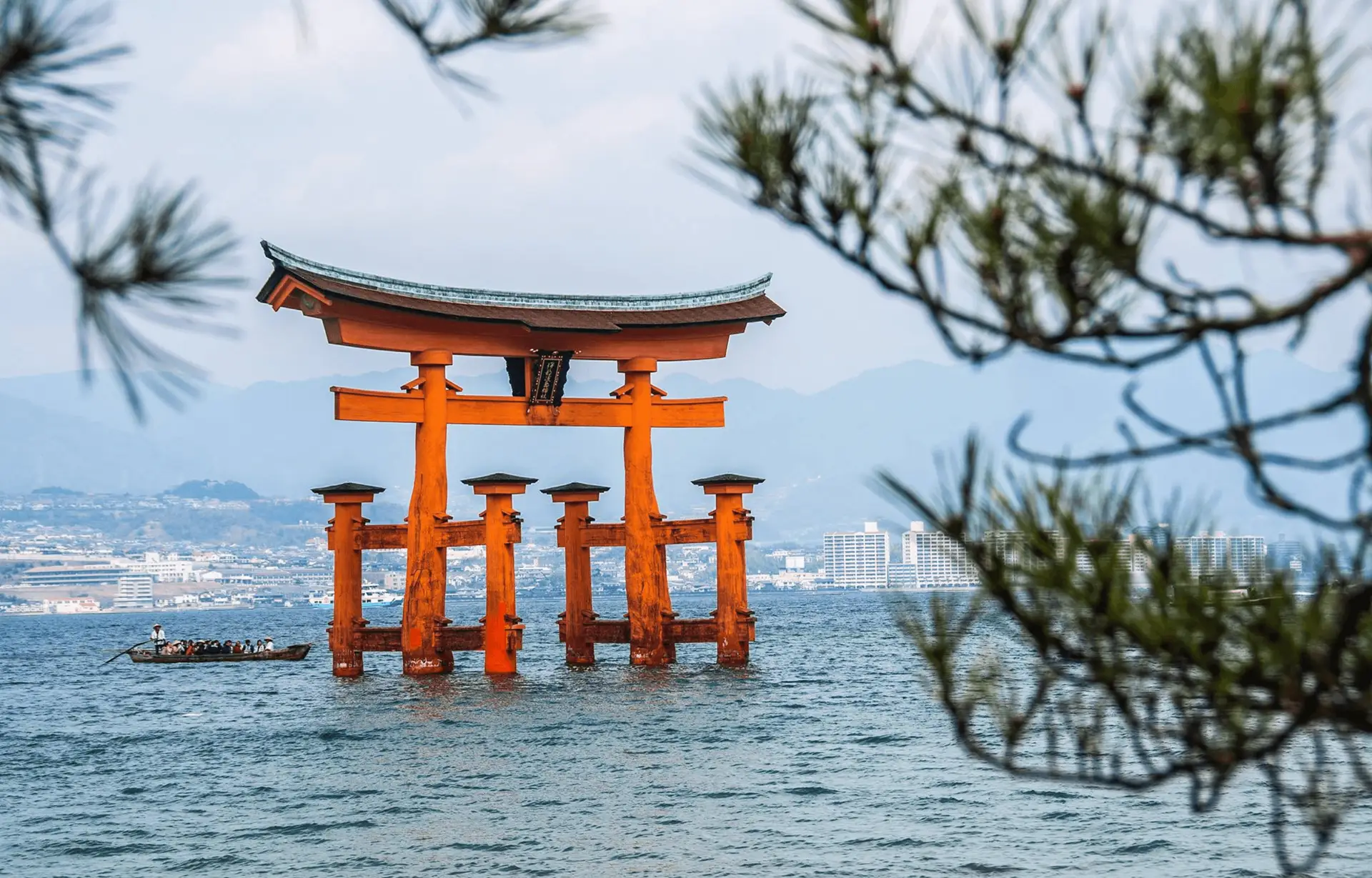
Japanese is a unique language considered a language isolate, although it has borrowed some words of East Asian and European origin. There are many regional dialects, but 98% of the population speaks standard Japanese, which forms the basis of the Japanese vocabulary used when travelling.
To make the most of your trip to Japan, it is useful to learn a few basic Japanese words and expressions. Knowing some essential Japanese words makes communication easier and shows a level of respect that is appreciated by local people. Japanese people always appreciate travellers' efforts to speak their language. Support from a local agency can also help overcome the language barrier through personalised local advice.
Key points
Travel need Useful Japanese expression Hello Konnichiwa – こんにちは Thank you Arigatou gozaimasu – ありがとうございます Excuse me / Sorry Sumimasen – すみません Please Onegaishimasu – お願いします I don't understand Wakarimasen – 分かりません How much does it cost? Kore wa ikura desu ka? – これはいくらですか? Where are the toilets? Toire wa doko desu ka? – トイレはどこですか? The bill, please Okaikei o onegai shimasu – お会計をお願いします
There are few representatives of the ancient ethnic groups of Japan today. The best known are the Ainu, a minority living in northern Japan and Russia, with only around 300 speakers today.
Japanese is the official language of Japan, but it is also spoken on Angaur Island (Palau, Micronesia). There are also significant Japanese-speaking communities in Brazil, Peru, Taiwan and South Korea.
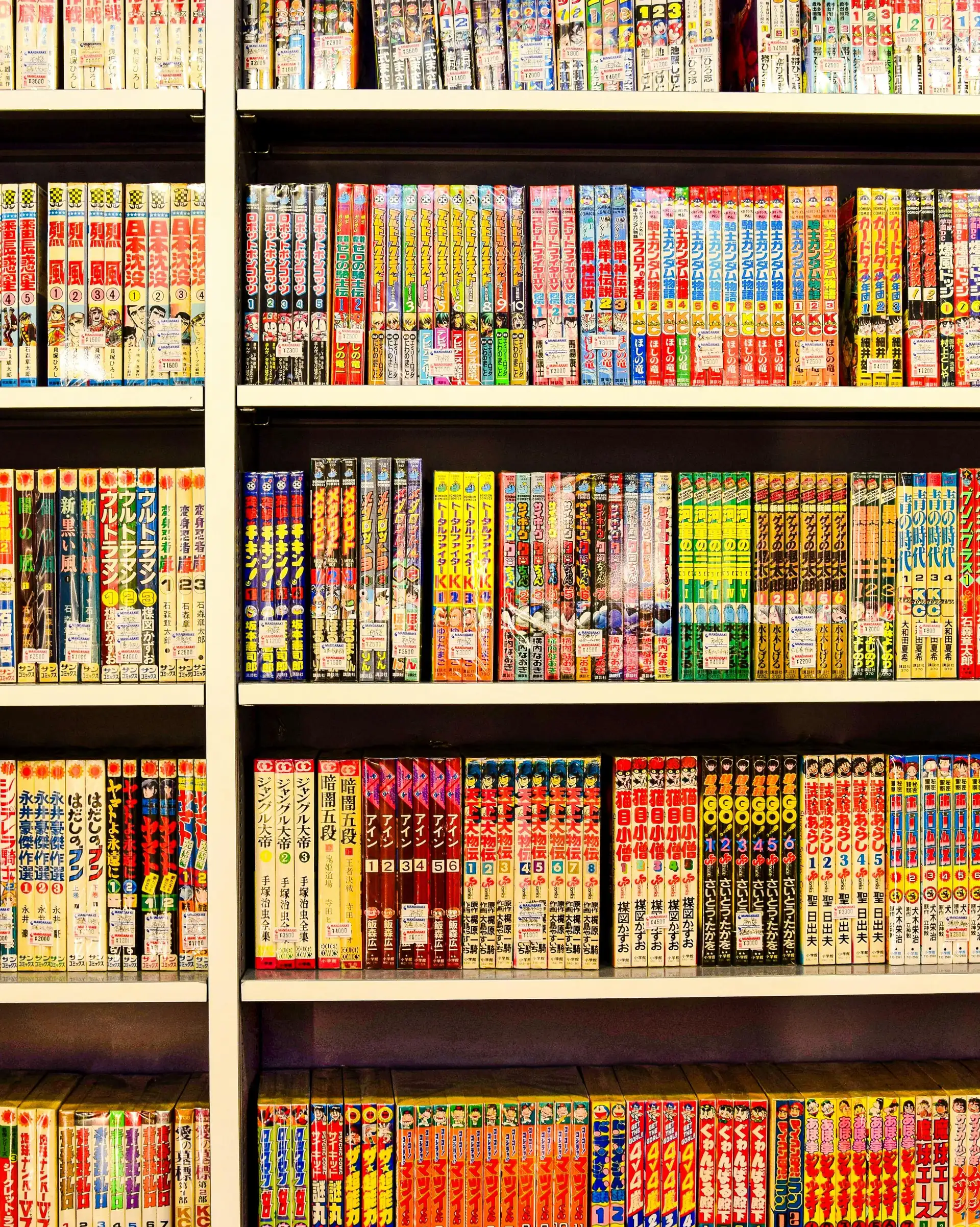
The introduction of Chinese writing in the 4th century had a profound influence on the language. Today, Japanese people still use Chinese characters (kanji), complemented by two syllabaries known as kana: hiragana and katakana. These writing systems facilitate learning to read and form the basis of written Japanese vocabulary, allowing children, from an early age, to develop a certain degree of independence in reading comprehension.
Tip: Always use the polite form with strangers or in formal situations. Politeness is an integral part of communication in Japan.
| English | Japanese (romaji) | Japanese |
|---|---|---|
| Good morning | Ohayou gozaimasu | おはようございます |
| Hello (during the day) | Konnichiwa | こんにちは |
| Good evening | Konbanwa | こんばんは |
| Goodbye | Sayonara | さようなら |
| See you soon | Mata kondo | また今度 |
| Thank you | Arigatou gozaimasu | ありがとうございます |
| I don't understand | Wakarimasen | 分かりません |
| Do you speak French / English? | Furansugo / eigo ga hanasemasu ka ? | フランス語/英語が話せますか? |
| How are you? | O genki desu ka ? | お元気ですか? |
| Sorry / Excuse me | Sumimasen | すみません |
| I am sorry | Gomen nasai | ごめんなさい |
| Yes | Hai | はい |
| No | Iie | いいえ |
| You're welcome | Dôzo | どうぞ |
| Verb (Japanese) | Meaning | Example |
|---|---|---|
| 行く (iku) | To go | 日本に行きます (I am going to Japan) |
| 見る (miru) | To see | 絵を見ます (I am looking at a painting) |
| 食べる (taberu) | To eat | 寿司を食べます (I am eating sushi) |
| 飲む (nomu) | To drink | お茶を飲みます (I am drinking tea) |
| 買う (kau) | To buy | お土産を買います (I am buying a souvenir) |
| 話す (hanasu) | To speak | 英語を話します (I speak English) |
| 聞く (kiku) | To ask / listen | 道を聞く (Ask for directions) |
No, it is possible to travel in Japan without speaking the language fluently, especially in major cities. However, knowing a few essential Japanese words (hello, thank you, excuse me) makes communication easier and shows a level of respect that is appreciated by locals. Learning a basic Japanese vocabulary can significantly improve your travel experience.
Japanese writing is based on three complementary systems:
Among the most useful expressions:
These useful Japanese phrases cover most everyday situations: restaurants, transport and shopping.
Saying “no” directly can seem abrupt. Japanese people tend to favour more nuanced expressions or phrases such as sumimasen (excuse me) to politely decline an offer. This subtlety is part of the Japanese cultural etiquette worth knowing before travelling to Japan.
Subscribe and receive our travel inspirations and practical advice twice a month.
Wanting to share your trip with a group?







![Alignement de maisons de pêcheurs traditionnelles funaya au bord de l'eau dans le village de pêcheurs d'Ine au Japon[cite: 10].](https://dozjp40rj04ea.cloudfront.net/eyJidWNrZXQiOiJzaGFudGktc3RyYXBpLXVwbG9hZHMiLCJrZXkiOiJKYXBvbl9JbmVfVmlsbGFnZV8wMDk0MjE5MTYwLmpwZyIsImVkaXRzIjp7InJlc2l6ZSI6eyJmaXQiOiJjb3ZlciIsIndpZHRoIjoyNTZ9LCJ0b0Zvcm1hdCI6IndlYnAiLCJ3ZWJwIjp7InF1YWxpdHkiOjU1fX19)