When to go to Japan ?
Japan, a vast archipelago stretching over 3,000 km between the Pacific Ocean and the Sea of Japan, boasts a remarkable climatic diversity. From Hokkaido in the north to Okinawa in the south, each region possesses its own unique characteristics. This mosaic makes Japan a destination to explore year-round. For a successful *trip to Japan , choosing the right time to travel is essential, depending on your preferences: nature, culture, sports activities, or relaxing on the beach.
Four distinct seasons punctuate Japanese life, each offering unique experiences:
- Winter (December to February)
- Spring (March to May)
- Summer (June to August)
- Autumn (September to November)
Northern Japan: Hokkaido and Tohoku
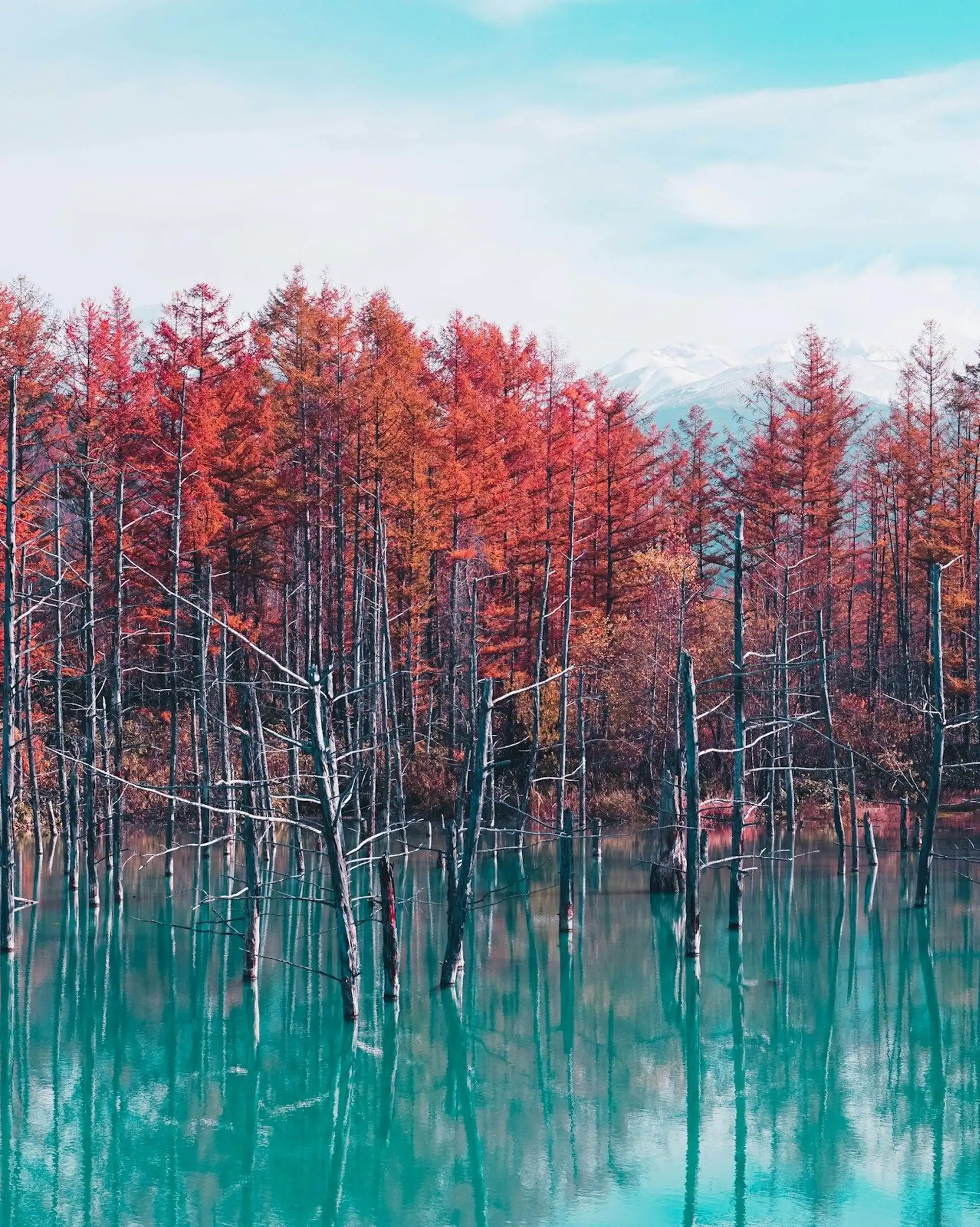
In the north, on the island of Hokkaido, the climate is temperate continental, with long, harsh winters and abundant snow. This is the best time for skiing, especially in Niseko and Furano. Summers remain cool and dry, ideal for hiking or viewing the flower fields. Autumn arrives early, as early as September, painting the forests in vibrant colors.
| Season | Average temperatures | Strengths |
|---|---|---|
| Winter | -5 to 0°C | Skiing, snow festivals, snowy onsen |
| Summer | 17 to 25°C | Hiking, national parks, flower festivals |
| Autumn | 8 to 16°C | Early Momiji, vibrant landscapes |
Central Japan: Honshu (Tokyo, Nagoya, Kyoto, Osaka)
On the main island of Honshu, where Tokyo, Kyoto, Nagoya, Osaka and Kobe are concentrated, the climate is humid subtropical: summers are hot and humid (up to 33°C in July-August), while winters are moderately cold with little snow except in the mountains.
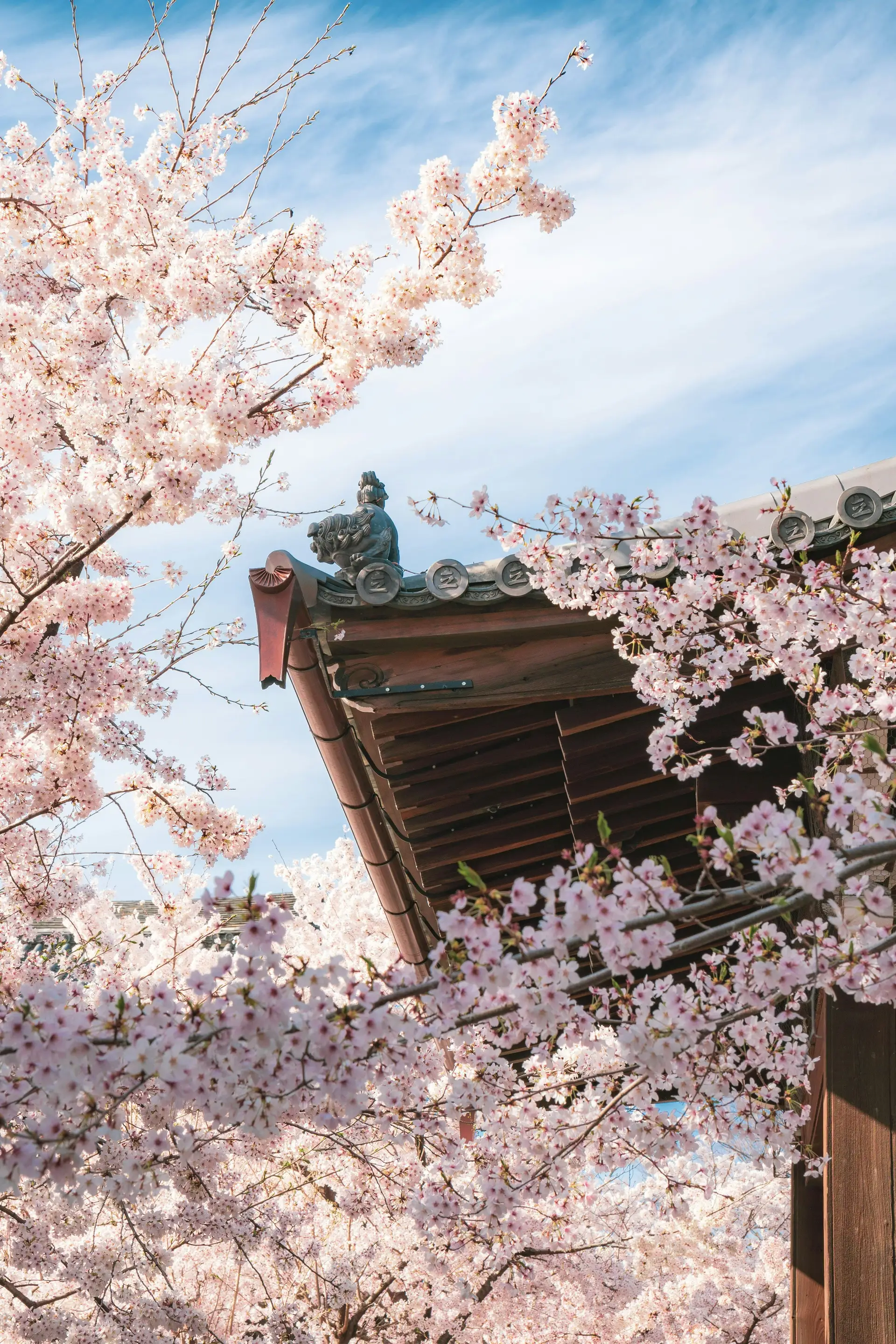
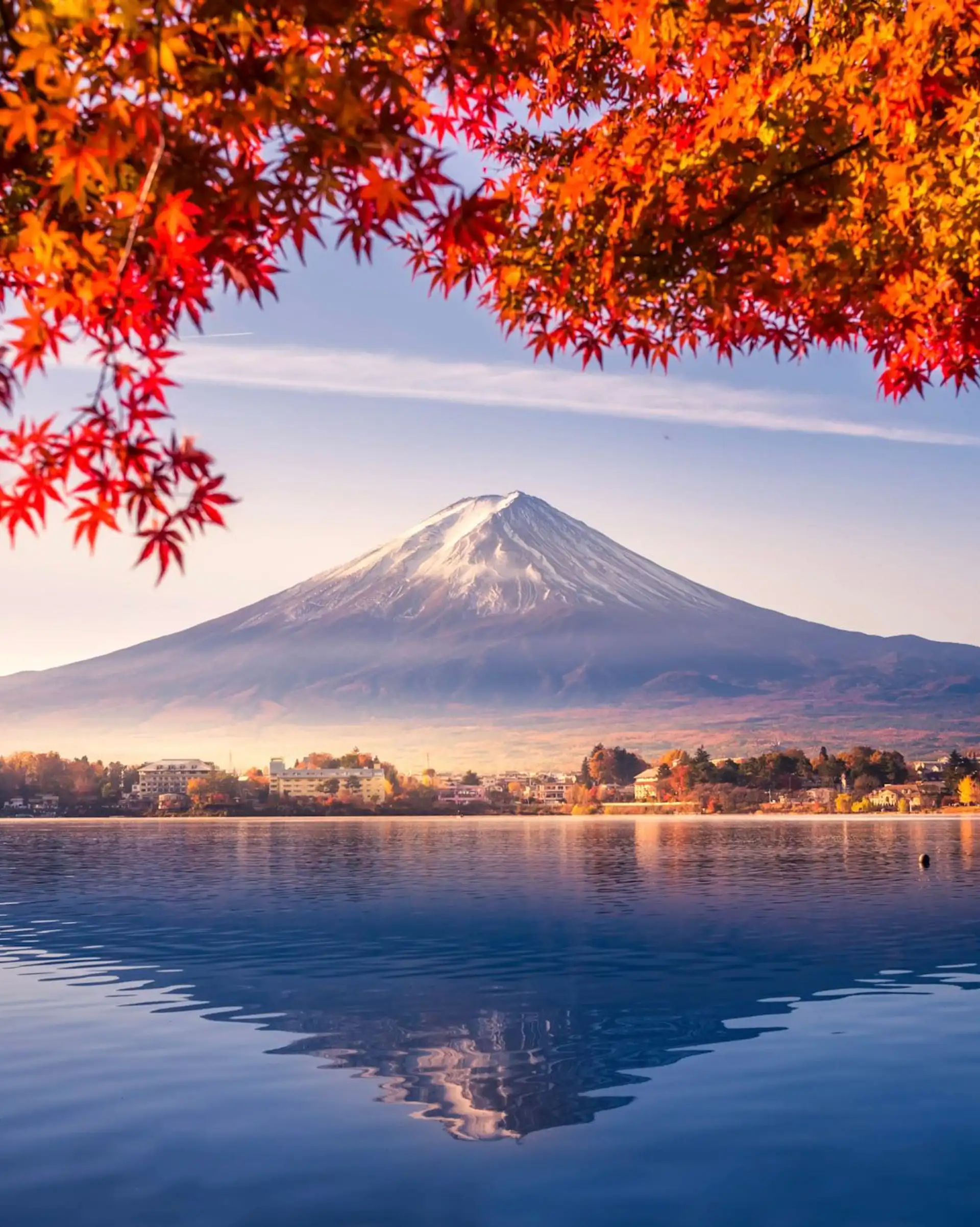
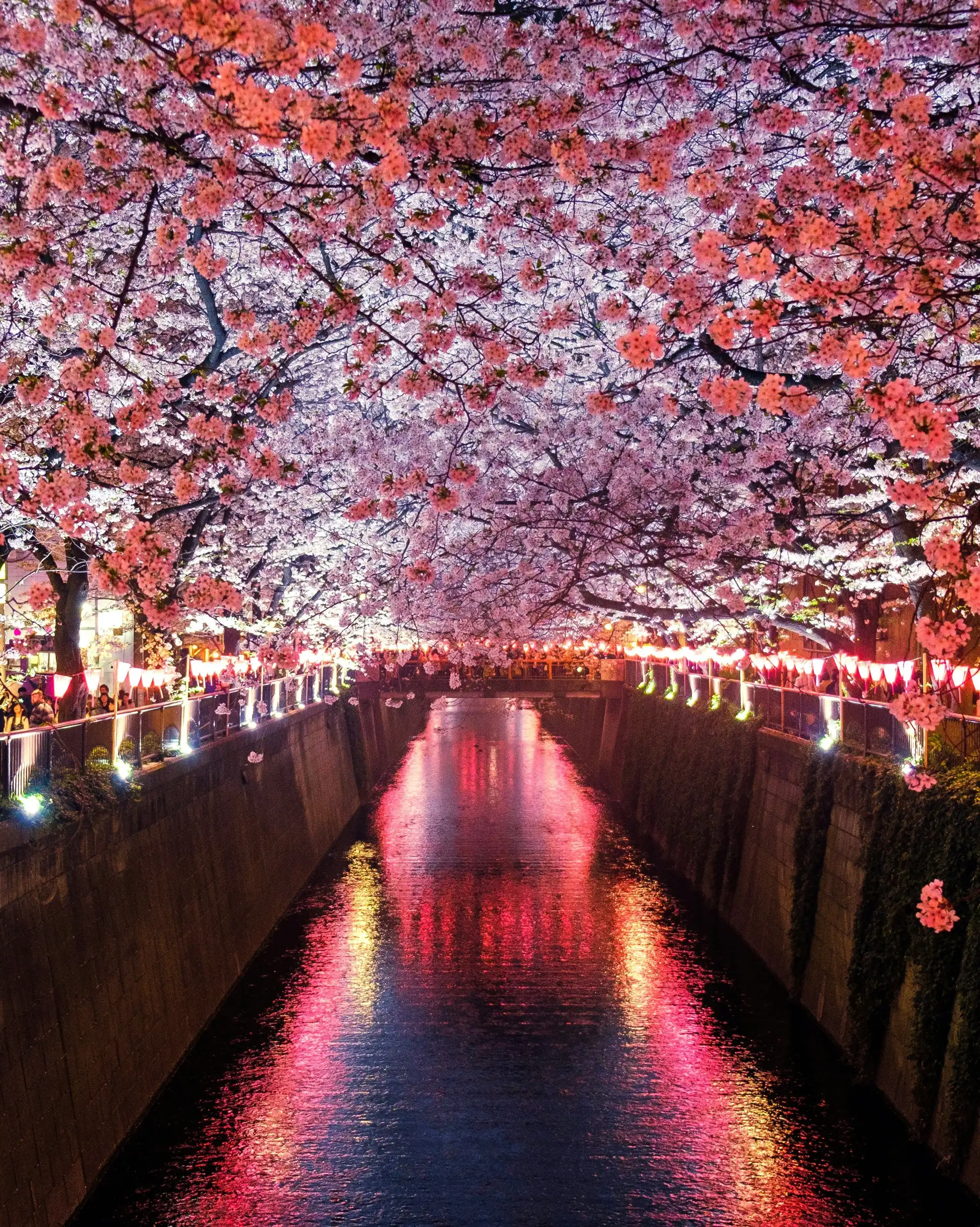
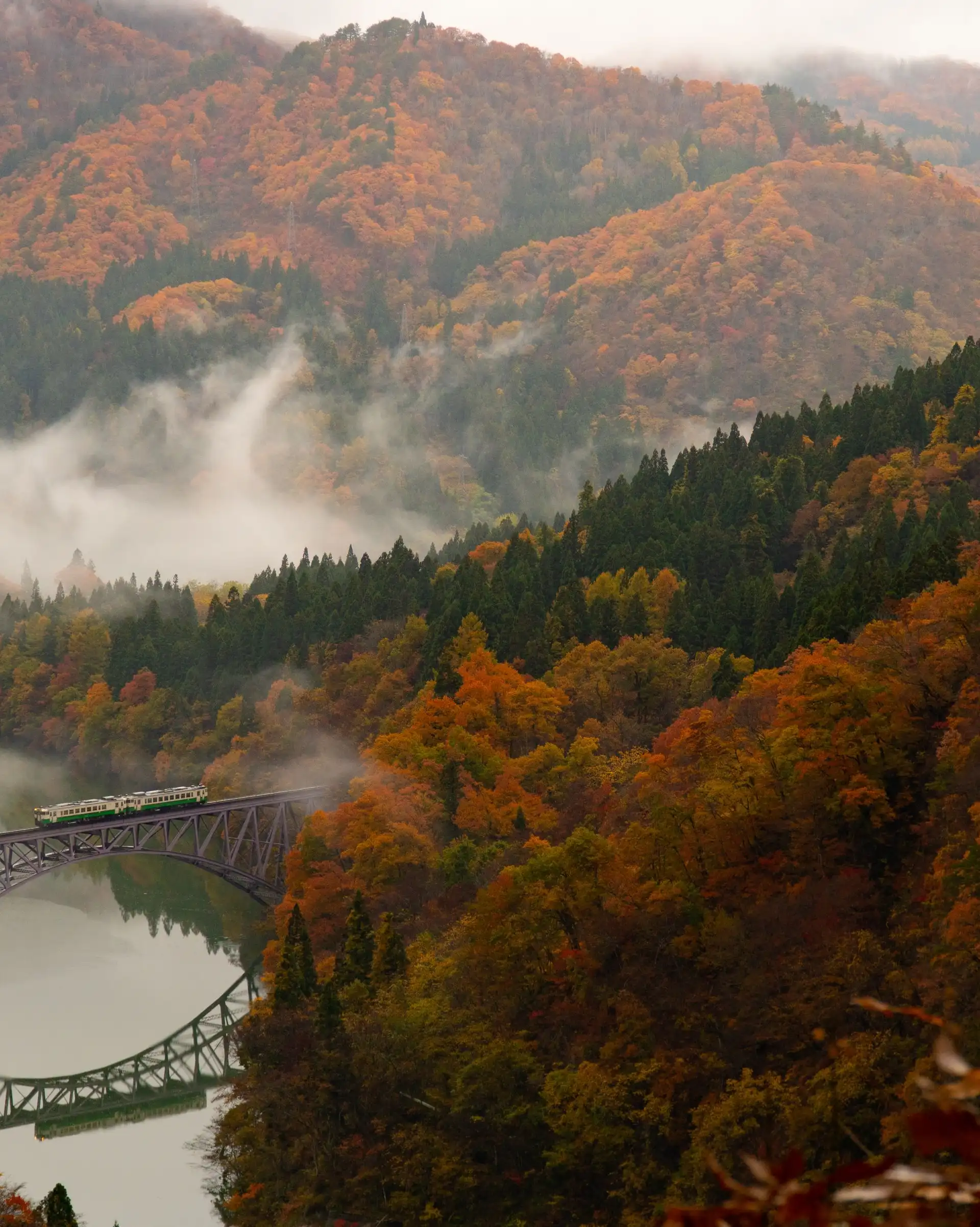
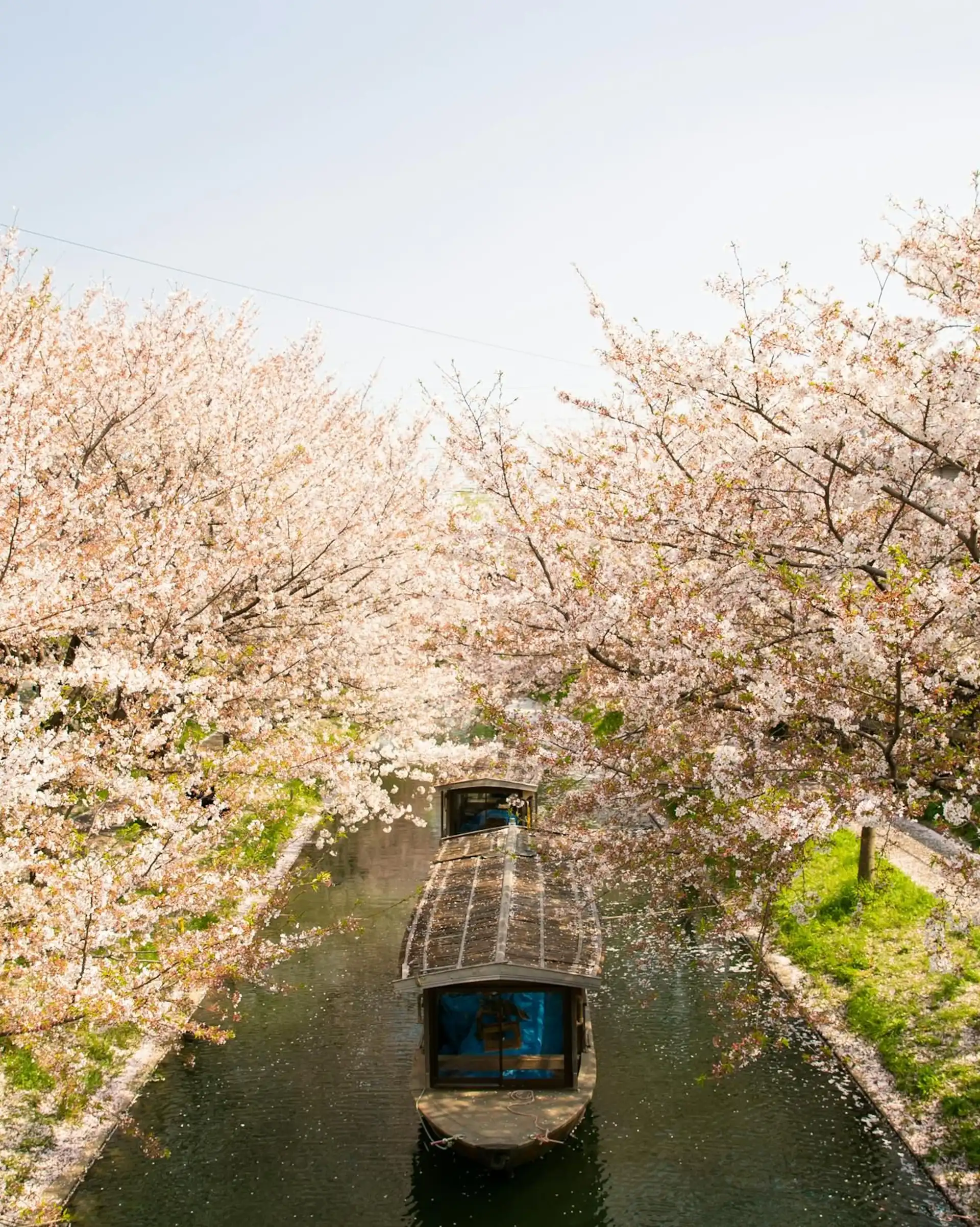
Spring (March to May) offers mild temperatures and coincides with the famous cherry blossom season (sakura): in Tokyo and Kyoto, it usually begins in late March and lasts about two weeks. Autumn (October to November) brings incredible maple colors, particularly in the gardens of Kyoto and the Nikko region.
The rainy season (tsuyu) generally occurs between early June and mid-July. During this period, be sure to bring an umbrella: showers are frequent, but often brief.
| Season | Average temperatures | Points of interest |
|---|---|---|
| Spring | 10 to 20°C | Hanami (sakura), festivals, imperial gardens |
| Summer | 25 to 33°C (humid) | Festivals, fireworks, morning walks |
| Autumn | 12 to 21°C | Momiji, golden light, traditional festivals |
| Winter | 2 to 10°C | Cultural visits without crowds, onsen |
Southern Japan: Kyushu
On the island of Kyushu, the climate is generally temperate with mild springs, autumns, and winters. Summer, however, becomes tropical, with high humidity and significant rainfall during the rainy season (May-June). From July to September, the weather becomes drier again, ideal for exploring volcanoes, hot springs, and discovering local cuisine.
However, one should remain vigilant between August and September, a period more exposed to the passage of typhoons, although their impact generally remains limited for travellers.
Ryukyu Islands and Okinawa: Tropical Japan
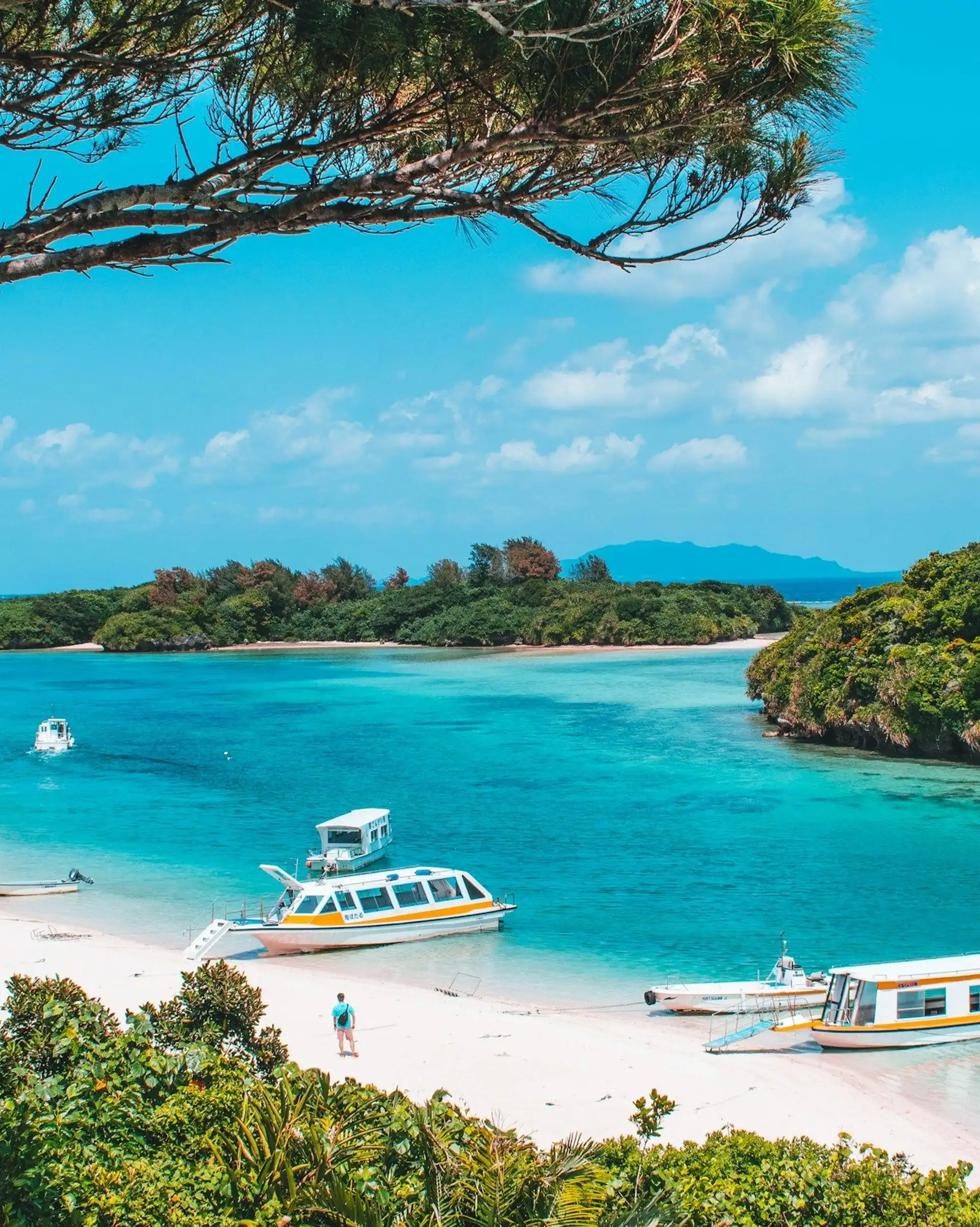
In the far south, Okinawa enjoys a subtropical climate. Winters are particularly mild (around 19°C), perfect for enjoying the beaches away from the summer crowds. The cherry blossoms begin to bloom very early, as early as the end of January.
In summer, temperatures rise, and the days remain sunny, ideal for swimming and diving. The rainiest period is from May to June, followed by drier months in July and September.
Seasonal events and festivals not to be missed
- Spring : Hanami during the cherry blossom season, Sakura Matsuri in the parks of Tokyo, Kyoto or Hirosaki.
- Summer : Spectacular festivals such as the Gion Matsuri in Kyoto (July), or grand fireworks displays (Hanabi Taikai) in Tokyo. The Obon festival, celebrated throughout Japan, brings traditional dances to life in cities.
- Autumn : Momiji (maple leaf coloring) from early October to December, culinary masses around seasonal produce, local festivals throughout the country.
- Winter : Snow festivals in Hokkaido (Sapporo Snow Festival), experience of open-air hot springs and visits to temples in a hushed atmosphere.
When can we see the cherry blossoms and autumn foliage?
- Sakura : From south to north, from late March to early May. In Tokyo/Kyoto, flowering occurs mainly from the last week of March to the first week of April; in Sapporo (Hokkaido), it arrives at the end of April-beginning of May.
- Momiji : Maple colours from early October in the north (Hokkaido, Tohoku), during November on Honshu and until December in the south.
Practical advice depending on the season
Spring (March to May)
- Bring light clothing and a mid-season jacket; the climate is mild but the evenings remain cool.
- The season is ideal for walks in the gardens, hanami (cherry blossom viewing), and spring festivals.
Summer (June to August)
- Pack light, breathable clothing, a hat, and plenty of water. Humidity can be high, especially in Kyoto and Tokyo.
- Opt for visits early in the morning or in the evening. Enjoy Okinawa's beaches and traditional festivals.
Autumn (September to November)
- Pack light layers and a jacket for the evenings. Pleasant weather and little rain, perfect for hiking and exploring temples under the red foliage.
Winter (December to February)
- Pack warm clothes, especially in the central and northern regions. In the south, mid-season clothing is sufficient.
- Ski resorts await you in Hokkaido and Nagano, while onsen are ideal for a relaxing moment.
Summary table of the best times to visit, region by region
| Region | Best time | Recommended experiences |
|---|---|---|
| Hokkaido | September-October, winter | Autumn colors, skiing, nature |
| Honshu | March-May, October-November | Sakura, momiji, culture |
| Kyushu | Spring, autumn | Nature, hot springs, festivals |
| Okinawa | Late winter, summer (excluding rain) | Beaches, diving, relaxation |
Japan can be enjoyed in every season. Taking into account the country's diverse geography and cultural rhythms will allow you to create a tailor-made itinerary according to your desires for adventure, relaxation, or cultural discoveries.
Our travel ideas for Japan
Our travel guides to Japan
Japan Itinerary: 3 Weeks – My 21-Day Route

Tattoo Friendly Onsen in Japan: What to Know Before You Go

Japan Luggage Forwarding: How Takkyubin Works, Cost and T...
Japanese Temples and Shrines: Our Experts' 5 Best Picks

Japanese Desserts: 10 Sweets to Try on Your Trip to Japan