Must-See Monuments of North India
Set off to discover the architectural treasures of North India, an exceptional region with a millennia-old heritage, where Mughal grandeur, Rajput palaces, and sacred temples abound. Whether you're a history enthusiast, a lover of fine stonework, or simply curious, a trip to North India brings you into the heart of a vibrant and spiritual culture.
From Delhi to Rajasthan, through Madhya Pradesh and Odisha, every cultural tour in this part of India offers an immersion into the legacy of great empires and ancient traditions. These majestic monuments tell centuries of dynasties, love, faith, and conquest. Explore these exceptional sites at your own pace and experience an unforgettable journey into the soul of the subcontinent.
Here is our selection of the 10 monuments not to be missed in North India for a timeless and emotional journey.
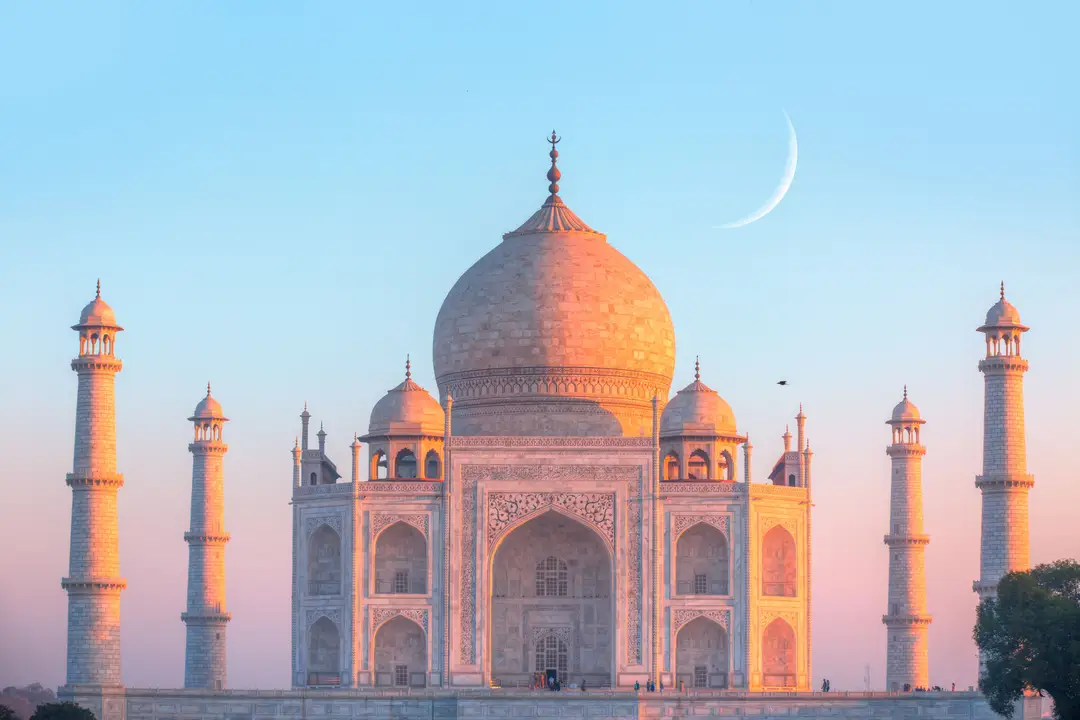
1) Taj Mahal – Agra (Uttar Pradesh)
A universal symbol of love, this white marble mausoleum was built by Emperor Shah Jahan in memory of his wife Mumtaz Mahal and is one of the most famous monuments in the world, listed as a UNESCO World Heritage site. Its symmetry, architectural finesse, and the changing light that caresses its dome will amaze you at every moment.
- Opening hours: 6 AM to 7 PM, closed on Fridays. Night visits possible around the full moon (8:30 PM to 12:30 AM).
- Price: 1,100 INR (~€15) for foreigners, free for children under 15.
- Tips: Visit early morning to avoid crowds and heat, allow up to 3 hours on site (otherwise extra fees), and book your ticket online to save time. Bringing food, large bags, or water bottles inside is prohibited.
- Photography: Prefer the West entrance in the morning for better light and fewer crowds—ideal for photos!
- Trivia: Unique night visits let you admire the mausoleum bathed in moonlight, a magical moment for travelers.
2) Agra Fort – Agra (Uttar Pradesh)
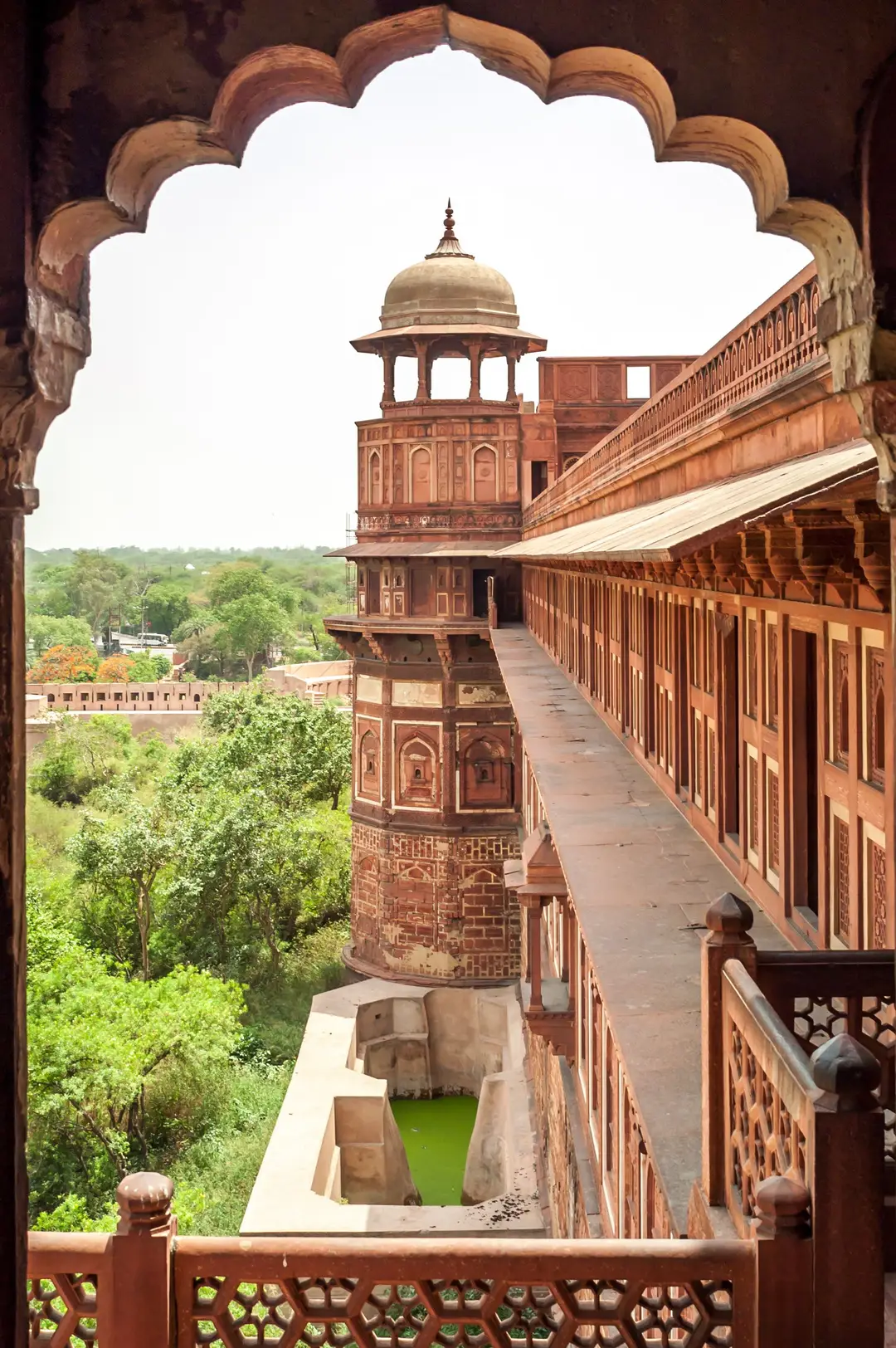
Just a few kilometers from the Taj Mahal, this impressive red sandstone fort was the main residence of the Mughal emperors during the golden age of their dynasty, between the 16th and 17th centuries. It forms a true "city within a city" with monumental walls, refined palaces, gardens, and audience halls.
- Opening hours: From sunrise to sunset, every day.
- Price: 650 INR for foreigners (50 INR for Indians), possible extra fee for video.
- Tips: Plan 1 to 2 hours to explore the site. Best access is via Amar Singh Gate. Guided tours are highly recommended to enrich your experience with history and anecdotes about the Mughal dynasty.
- Trivia: You can enjoy a unique view of the Taj Mahal from some of the inner palaces!
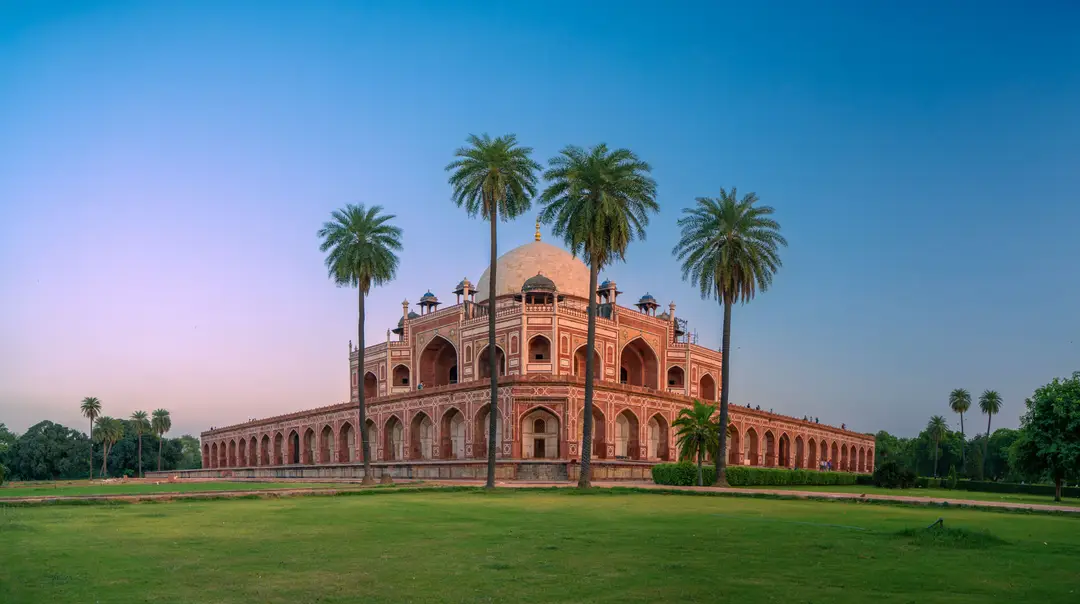
3) Humayun's Tomb – Delhi
A precursor of the Taj Mahal, this magnificent 16th-century mausoleum rests in sumptuous Persian-style "Charbagh" gardens, where architectural harmony and tranquility reign. It is the first great Mughal garden-tomb in the country, also UNESCO-listed, and has inspired many buildings since.
- History: Built between 1562 and 1572 for Humayun, it marked an architectural turning point with its vast gardens and elegance of red sandstone and white marble.
- Modern Museum: Since 2024, a digital museum offers an immersive experience to relive 7 centuries of Delhi’s cultural history and the Mughal empire—a visit not to miss!
- Opening hours: From sunrise to sunset, every day.
- Price: 500 INR for foreigners (free under 15).
- Tips: Allocate 1 to 1.5 hours on site, visit early morning or late afternoon. Bring water, a hat, and enjoy the green spaces for a peaceful break. Combine with a visit to nearby Sunder Nursery to enrich your day.
4) City Palace – Udaipur (Rajasthan)
Overlooking Lake Pichola, the City Palace of Udaipur is a majestic complex built starting in 1559 and expanded over 400 years. It perfectly blends Rajput, Mughal, European, and Chinese styles in a stunning succession of courtyards, hanging gardens, and ornate balconies.
- Opening hours: Daily from 9:30 AM to 5:30 PM.
- Price: Starting at 300 INR for adults, reduced rates for seniors/children; extra for museum or guided visits.
- Tips: Allow at least 2 hours to explore the numerous museums and enjoy panoramic lake views. Entrance is quieter at opening. Don't hesitate to visit the artisanal shops on site.
- Trivia: The palace was the main residence of the Mewar dynasty, symbolizing refinement and Rajput resistance against invasions.

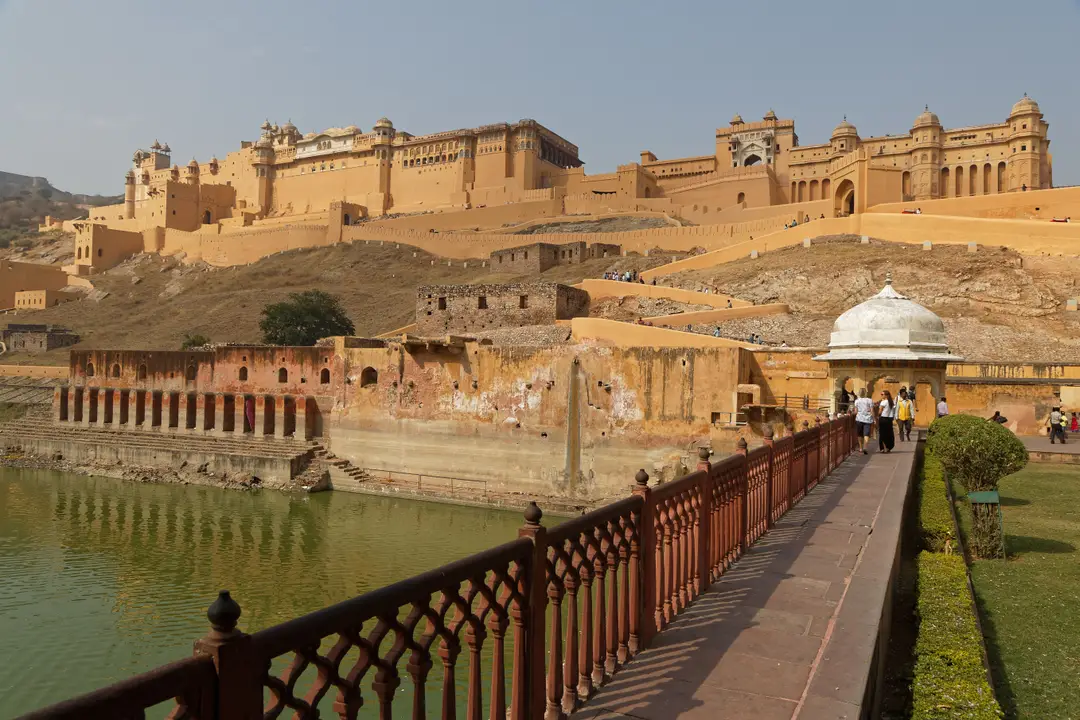
5) Amber Fort – Jaipur (Rajasthan)
Perched on a hill with panoramic views of Maota Lake, Amber Fort embodies the full splendor of the Rajputs while elegantly combining Mughal and Hindu architecture. Built mainly in the 16th century, this iconic site is famous for its frescoes, palaces adorned with mirrors, and stylized gardens.
- Opening hours: 8 AM to 6 PM (night visits possible 7 PM to 9 PM).
- Price: 500 INR for foreigners.
- Tips: Visit early morning or late afternoon. Allocate 2 to 3 hours and wear good shoes to climb the fort’s ramps. Guide recommended. The nighttime option reveals the fort under magical lighting.
- Trivia: The fortress is connected by a secret tunnel to the neighboring Jaigarh Fort, which is also open to visitors!
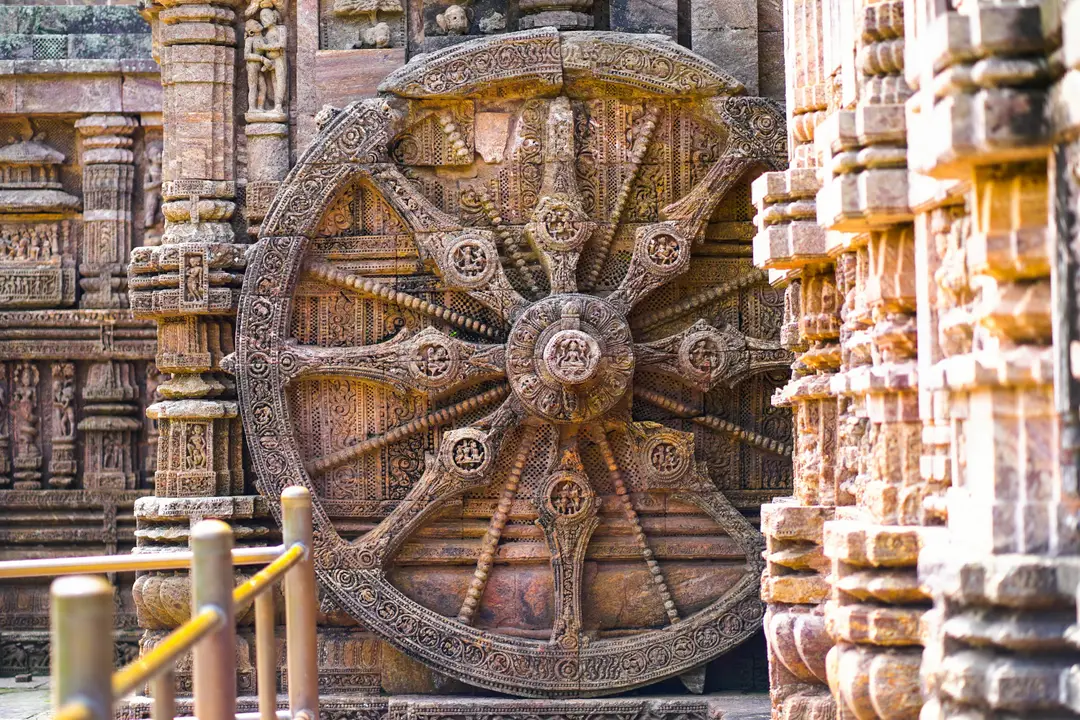
6) Konark Sun Temple – Odisha
Although slightly to the east, this 13th-century gem dedicated to Surya, the Sun God, is a unique masterpiece of Kalingan architecture. Built in the shape of a monumental chariot pulled by seven horses and adorned with 24 finely carved wheels, it embodies the splendor of Hindu cosmology.
- Opening hours: 6 AM to 8 PM, every day.
- Price: 600 INR for foreigners, free for children under 15.
- Tips: Prefer early visits for the best light on sculptures; wear suitable shoes and bring water. A guide will enlighten you about the astronomical symbolism and erotic scenes carved at the temple’s base.
- Trivia: Some ancient Indian astronomers used the temple's structure to observe the sun’s movements and time.
7) Medieval Town of Orchha – Madhya Pradesh
A lesser-known treasure of Madhya Pradesh, founded in the 16th century by the Bundelas and thriving until the 18th century. Orchha is distinguished by its architecture blending Rajput and Mughal styles, with superb palaces, temples, and fortifications, all along the peaceful Betwa River.
- Sites to see: The fort and its “char bagh” gardens, the royal palace with colorful frescoes, the majestic cenotaphs (chhatris) lined along the river.
- Tips: Plan a full day to enjoy the serenity and explore the town on foot with a local guide to capture all artistic and historical details. The period from October to March is most pleasant.
- Trivia: Orchha offers a peaceful setting, away from traditional tourist routes, ideal after a visit to Khajuraho.
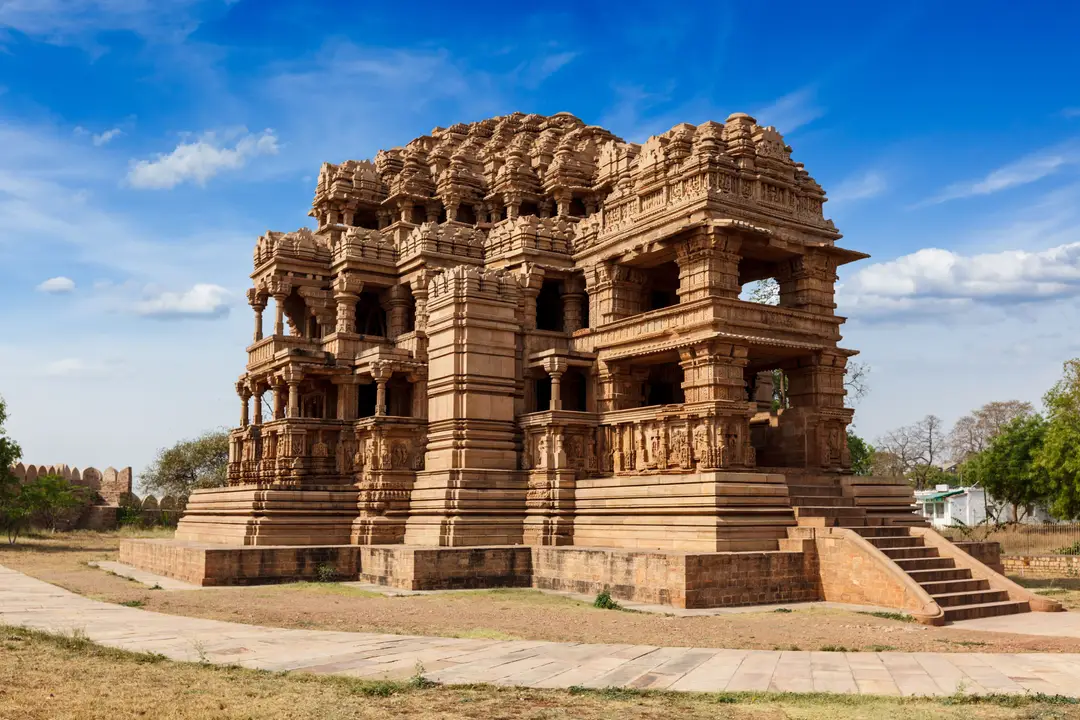
8) Gwalior Fort – Madhya Pradesh
Majestic, this fort perched atop a rocky plateau dates back to the 8th century and was fortified by the Tomar Rajputs. It mixes Rajput, Mughal, and Hindu influences, with refined palaces (Man Mandir, Gujari Mahal), ancient temples, and beautiful Jain sculptures along the trail.
- Opening hours: 6 AM to 5:30 PM, every day.
- Price: 250 INR for foreigners, free under 15.
- Tips: Wear comfortable shoes, bring water, and let yourself be guided to fully understand the site's deep history. The best visiting conditions are between October and March. Photography is allowed (except tripods without permits).
- Trivia: This fort has water reservoirs capable of sustaining 15,000 soldiers, reflecting its strategic importance during sieges!
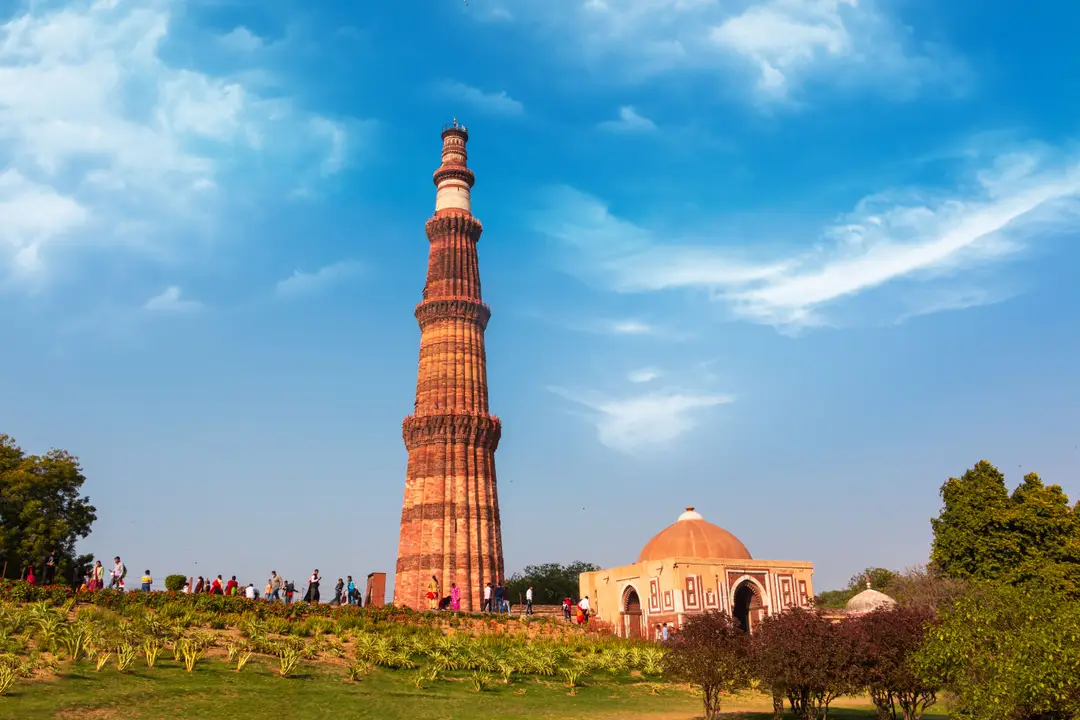
9) Qutub Minar – Delhi
This 73-meter-high minaret, built in the 12th century in Delhi by Qutb-ud-din Aibak and his successors, is the tallest brick minaret in the world and a symbol of the rise of Indo-Islamic architecture. The complex also includes Delhi’s oldest mosque and the famous Iron Pillar.
- Opening hours: Dawn to dusk, every day.
- Price: 600 INR for foreigners. Under 15: free.
- Tips: Best times to visit are morning or late afternoon. Allow 1 to 1.5 hours to explore the UNESCO-listed complex.
- Trivia: The Iron Pillar, over 1,600 years old, still puzzles experts with its rust-resistant properties!
10) Jantar Mantar – Jaipur
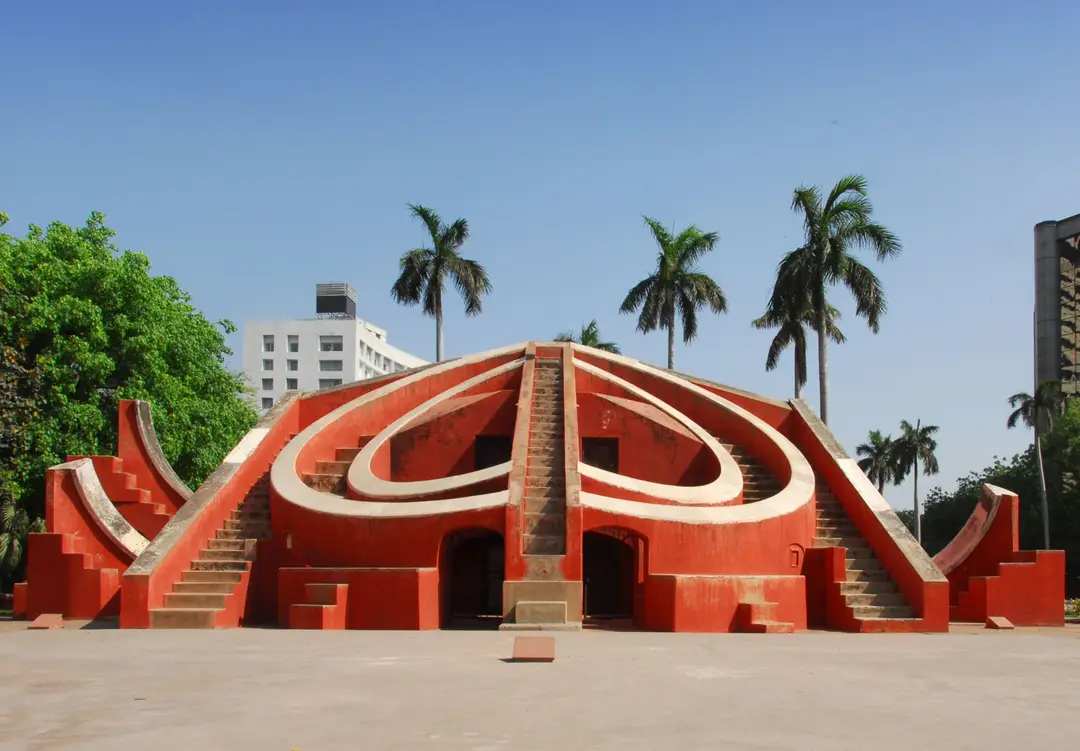
Built in 1734 by Maharaja Jai Singh II, this astronomical observatory features 19 monumental instruments made of stone and marble, including the world’s largest sundial. It testifies to Indian scientific ingenuity and the Maharaja’s passion for astronomy.
- Opening hours: 9 AM to 7 PM, every day.
- Price: 200 INR for foreigners.
- Tips: Prefer visiting between October and March, with a guide or audio guide to fully understand each instrument’s function. The site is large and outdoors, so bring sun protection.
- Special feature: Ideally located in Jaipur’s historic center, near the City Palace, it perfectly complements a day’s sightseeing in the Rajasthan capital.
North India is filled with architectural treasures to explore on a customized cultural journey. From maharaja palaces and Mughal forts to millennia-old temples and UNESCO marvels, each stop reveals the diversity and grandeur of India’s history.