Your expert on destination Sri Lanka
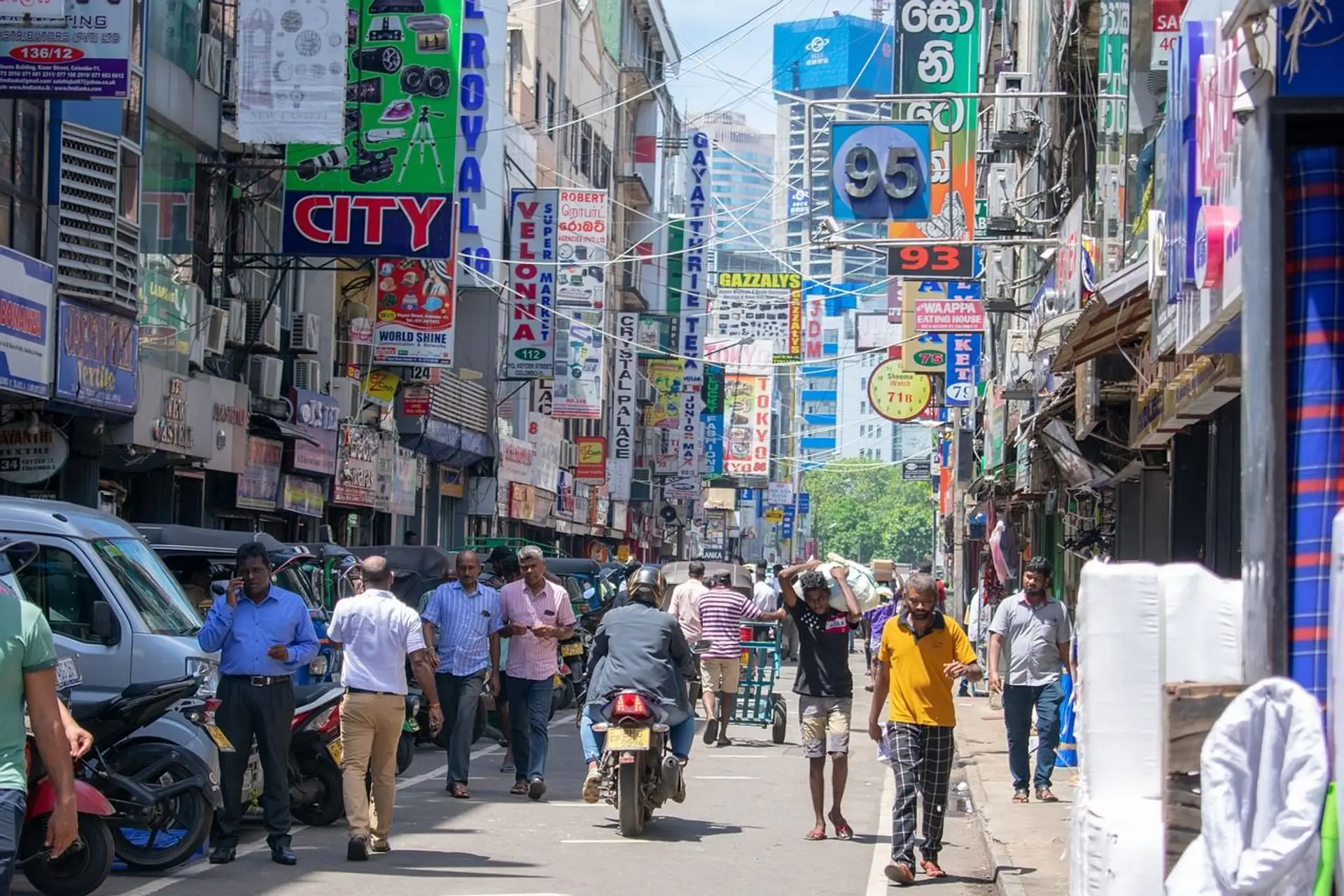
Sri Lanka culture rests on respect, modesty and a relaxed, Buddhist-influenced calm. Four faiths share the island, with Buddhism the majority, and Sinhala and Tamil are the main languages. Greet people with your palms together, cover your shoulders and knees at temples, and take your shoes off before you go in.
Get those basics right and most of the rest follows. This guide covers what visitors actually run into: greetings, temple manners, everyday habits, full moon holidays, tipping and the famous head wobble.
Sri Lanka culture is built on respect, modesty and a relaxed pace of life. Four faiths share the island: Buddhism is the majority religion, followed by Hinduism, Islam and Christianity (as of May 2026). Sinhala and Tamil are the main languages, and English is widely understood in tourist areas.
A little history explains why the north and south feel different. The island became independent in 1948, and Ceylon was renamed Sri Lanka in 1972. The civil war ended in May 2009. Tamil culture is strongest in the north, which is why you'll hear "Vanakkam" there instead of the Sinhala greeting.
For numbers on the country, see our Sri Lanka key figures. For deeper background on arts and traditions, Wikipedia's Culture of Sri Lanka is a solid reference.
Put your palms together in front of your chest and say "Ayubowan", which means "may you live long". In the north, say "Vanakkam", the Tamil greeting.
| Phrase | Language | Where to use it |
|---|---|---|
| Ayubowan | Sinhala | Most of the island |
| Vanakkam | Tamil | The north |
English will get you through hotels, restaurants and tour desks. Still, a few words of Sinhala or Tamil make contact easier and show you've made an effort. Keep your manner calm, smiling and kind; people notice, and it sets the tone for the whole conversation.
At Buddhist and Hindu temples in Sri Lanka, take your shoes off, cover your shoulders and knees, and never pose in front of a Buddha statue. The same dress rule applies at many sacred sites across the island.
For men, that means long trousers. For women, covered shoulders and a long skirt. Carry a light scarf or shirt in your day bag and you'll never be turned away at a gate. Shoes also come off at some private homes, so look at the doorstep when you arrive.
Outfits that are too light (low necklines, mini-skirts) are out of place even in tourist areas, and going topless on beaches isn't accepted.
The statue rule is the one visitors most often break. The source of this guide calls posing in front of a Buddha statue a serious offence. Other guides are more specific: don't stand with your back to a statue for a photo. Both point the same way, so photograph the statue itself, and skip the selfie.
Yes. Plain white is fine, and it's a practical choice in the heat. What matters is coverage, not colour: shoulders and knees covered for temples, and a modest cut everywhere else.
Life in Sri Lanka runs at a gentler speed than in much of Europe or North America. Whether you're waiting for lunch in a restaurant or for a bus, patience gets you further than hurrying the staff.
Modesty is the norm. Hugging and kissing in public are kept for private life. Smoking is forbidden in public spaces, parks included. And the left hand is traditionally considered unclean, so use your right hand to eat or to hand something over.
Then there is the head wobble. The Sri Lankan head wobble can mean yes, or simply that the person is listening, so it is not a firm answer. If something matters, such as a pickup time, confirm it in words.
| Do | Don't |
|---|---|
| Greet with palms together | Pose in front of a Buddha statue |
| Remove shoes at temples and some homes | Wear mini-skirts or low necklines |
| Cover shoulders and knees at sacred sites | Go topless on beaches |
| Use your right hand to eat and give | Use your left hand for food or handing items |
| Keep affection private | Hug or kiss in public |
| Stay patient and smiling | Rush staff or drivers |
| Check Poya dates before planning a night out | Expect to buy alcohol on a full moon day |
| Smoke only where it's permitted | Smoke in public spaces or parks |
For more on social norms, the non-commercial Cultural Atlas guide to Sri Lankan culture is worth a read.
Full moon Poya days are public holidays in Sri Lanka, and alcohol sales are banned, even in hotels. Check the dates before planning a night out.
In practice, that means a beach bar that was lively on Tuesday can be dry on Wednesday. If you want a sundowner on a particular evening, look up the full moon date before you book.
Independence Day falls on 4 February. For other events during your travel dates, ask your local expert when you plan the trip.
Haggling is common in markets unless a price is displayed. Start friendly, stay smiling and don't push if you've already agreed a price. Touts work the tourist areas, but they are generally polite and not very insistent, so a calm "no, thank you" is usually enough.
As of June 2026, a tip of about 10% is usual in restaurants that add no service charge. Where service is included, US$2-4 extra is common.
If you prefer milder food, ask for a dish "not too spicy". Sri Lankan cooking can be hot, and nobody will think twice about the request.
On a safari or a hike, stay discreet, avoid flashy clothes and follow your guide's instructions. Keep your distance from wild animals, especially elephants and monkeys; monkeys are very present in Dambulla.
In wet areas such as the Sinharaja forest or the Knuckles range, bring salt against leeches.
Sri Lankans are warm, curious and often very smiling. Don't be surprised if people ask many questions about you or your country. That curiosity isn't intrusive; it reflects a sincere wish to connect. Professionalism can be uneven, with a late driver or a slow kitchen, but a generous welcome usually makes up for it.
Our local experts can shape a route that fits these customs, from temple visits to quiet days on the coast. See what a tailor-made trip to Sri Lanka looks like.
A smile, appropriate clothing and a few simple gestures go a long way. Tell us when you plan to travel and what you want to see, and a local expert will design your Sri Lanka trip with you. Start with the trip request form, or browse our Sri Lanka travel guide first.
There is no law against it, but the risk is real. In 2014 a British nurse was detained on arrival over a Buddha tattoo on her arm, and a court ordered her deportation for insulting Buddhism, the country's main religion. A British man was refused entry for the same reason in 2013. If you have religious imagery on your skin, cover it and check with the embassy before you fly.
Don't arrive hungry, as the meal may come a few hours after you arrive. Accept the tea or snacks you're offered, because refusing is impolite. If you bring a gift, make it small and symbolic, hand it over with both hands, and avoid black or white wrapping, which is linked to funerals. Skip flowers and alcohol unless you know the host welcomes them.
Subscribe and receive our travel inspirations and practical advice twice a month.
Wanting to share your trip with a group?