Your expert on destination India
A yoga retreat in India works best when you choose the place before the programme. Rishikesh suits first-timers who want to try several styles, Mysore is the home of Ashtanga, and Kerala pairs yoga with Ayurveda. Here is how to choose, how long to stay and what to check before booking.
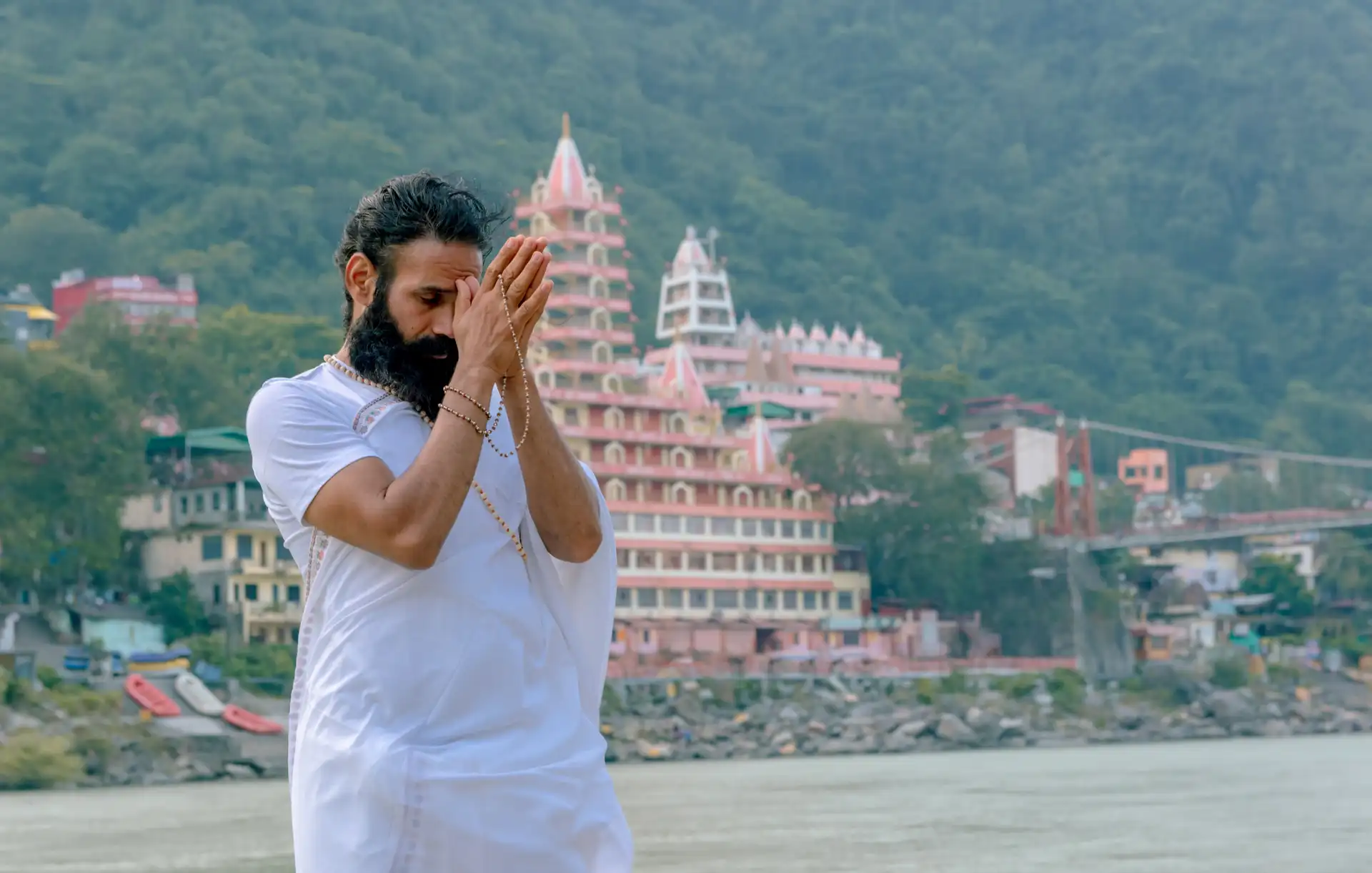
Rishikesh in Uttarakhand is the best-known base for yoga in India and suits first-timers, Mysore in Karnataka suits Ashtanga students, and Kerala suits travellers who want yoga with Ayurveda. Pick by the style you practise and by how much weight yoga should carry in your trip to India.
Yoga grew out of the Hindu roots of yoga, and you'll notice it: in many places practice sits next to temples, chanting and daily ritual. Two schools in the same city can still feel completely different, so the place is only half the decision.
| Place | State | Best for | Suggested stay |
|---|---|---|---|
| Rishikesh | Uttarakhand | Trying several styles, ashram atmosphere | Several days |
| Mysore (Mysuru) | Karnataka | Ashtanga, regular daily practice | A week or more |
| Kerala | Southern India | Yoga with Ayurveda, regional discovery | Several days in one place |
Not sure which of the three fits your practice? Tell our local experts your style and level, and they will suggest a place.
Rishikesh sits on the banks of the Ganges, in the foothills of the Himalayas. The town is packed with ashrams, schools and studios, which is its strength and its difficulty: the choice is huge, and the offer runs from Hatha, Ashtanga and Vinyasa to meditation and pranayama (breathing practice). That range makes yoga in Rishikesh a good first step if you don't yet know which style suits you.
Keep the first stay short enough to explore. A few days lets you try different classes and walk the river without turning the trip into an intensive programme. Spring and autumn are generally pleasant for combining practice and sightseeing, though the weather changes a lot from season to season.
If you like a shared atmosphere, the International Yoga Festival runs from 9 to 15 March 2027 and falls in that spring window. Confirm the dates on the organiser's site before you fix flights, and expect the town to be busier than usual that week.
Before you pick a school, check three things: the content of the classes, the level they ask for, and the number of sessions each day. A timetable with five hours of practice is a very different holiday from one with two.
Mysuru, usually written Mysore, is in Karnataka. It is closely tied to Ashtanga yoga as developed and taught by K. Pattabhi Jois, which makes it the natural choice if you already practise the method and want to do it every day in the place it is taught.
Plan a week or more if yoga is the main purpose of the trip. That gives you time to settle into a routine rather than just visit a class. Teaching periods vary from school to school, so ask your chosen school directly before fixing your dates. Mysore is also a pleasant city to explore around the practice, with its palace and markets, so a lighter day or two fits in easily.
Mysore is a poor fit if you want variety. Most people come to repeat the same sequence morning after morning, and that repetition is the point.
Kerala, in southern India, lets you combine yoga, Ayurveda and discovery of the region. Some centres run organised wellbeing stays, while others let you add yoga to a more classic itinerary. If the medicine side interests you, read about Kerala and Ayurveda first.
Stay several days in the same establishment if you want to take on its rhythm. Choose the period by climate and by what else you have in mind, especially the backwaters or the coast. Before booking, check what place yoga really has in the programme: in some stays it is the main activity, in others it is a complement to treatments and rest.
There are three formats: a few classes during a tour of India, a yoga retreat, or a teacher training course. The right one depends on your goal. Someone who wants to keep up a practice on holiday has different needs from a traveller after a retreat or a qualification.
If your priority is to discover the country, you can fit yoga in without booking a retreat. A morning session before sightseeing, or a practice at the end of the day, keeps the programme varied while you try local teaching.
Plan a number of sessions you can actually keep up, rather than a daily routine that wears you out by day four. This format suits travellers who move between several cities or regions. For the most popular schools, ask about timetables and booking rules in advance and adapt your route if needed.
A retreat slows everything down. Classes, meditation and pranayama shape the day, and the rest of the schedule bends around them. Expect early starts and often several sessions a day.
Give yourself several days to adapt to how the centre runs. Before booking, check the programme, the level required, meals, accommodation, transfers and what is included in the price.
A training course is a different commitment. It suits people who want to deepen their practice or learn to teach, with a structured programme of theory and practical classes. Many searches for Rishikesh yoga come from this group, and the town does attract many trainees.
Allow a much longer stay than a retreat and limit your travel while it lasts. Compare the teaching content, the number of hours, the admission requirements and the certification awarded. If your goal is professional, read those criteria with extra care.
A yoga trip doesn't mean spending the whole stay in an ashram. You can alternate practice with cultural discovery, as long as you don't pile up the transfers.
Distances and travel times in India can make a route dense and tiring. If you want to practise several times a week, changing city every two or three days gets in the way. Read up on getting around India before you lock in the stops.
Book several nights wherever yoga matters. A multi-night stop lets you find your rhythm, try more than one class and still have time to explore.
Even on a stay built around yoga, keep some time for India itself. Early classes, a temple visit, an hour in a market, a walk, a good meal: the mix works because each part makes room for the next.
Plan lighter days after several days of intensive practice. Your body will ask for them anyway, and a loose schedule lets you adjust once you're there.
Two to three weeks is enough to combine sightseeing with regular practice. A common pattern is to spend the first part on the sights and finish with several days in a place geared to yoga. In Mysore, count a week or more.
If a retreat or training course is the main goal, let it set the length of the trip, and stay put rather than adding stops. Leave a margin before and after, so you don't go straight from intensive practice to a long journey.
Book first whatever fixes your route: the retreat, the training course or the accommodation in a specific centre. Occasional classes can stay flexible, and many can be arranged on arrival, depending on each school's terms. Check cancellation conditions, arrival and departure times and the house rules, because some ashrams run to precise schedules that you should build into the route before you buy transport.
The budget depends mainly on the format. A few classes inside a classic trip cost something very different from a retreat with accommodation and meals, or a full training course. Compare what is included rather than the headline price, then add transport, extra nights, meals that aren't covered and activities outside the centre. That is how you avoid underestimating the real cost.
A tailor-made yoga trip lets the practice weeks and the sightseeing days sit in the right order, with transfers kept short.
Choosing the school matters as much as choosing the place. Two establishments in the same town can differ in style, level and rhythm.
Find out who the class is for: beginners, intermediate students or experienced practitioners. Some schools teach several styles, others one method only. Look at the length of sessions too, and at what they contain. A class can be mostly postures, or can add breathing, meditation and yoga philosophy.
Beginners should favour teaching that explains and adapts, rather than a session whose pace leaves them behind.
Heat, humidity and a change of rhythm affect how you feel on the mat. After a long journey, resume gradually and don't try to hold your usual intensity from day one. Bring comfortable clothing, a water bottle and a change of clothes if the day has several sessions, and shift your sleep to match class times, since early mornings are normal.
If you like the idea of a festive practice day, the International Day of Yoga falls on 21 June every year, after the UN General Assembly declared it on 11 December 2014. Travelling responsibly in India also matters at a retreat; see our notes on travelling responsibly in India.
The simplest way to start is to settle three things: your style of yoga, how much sightseeing you want, and your dates. From there, the place, the length and the order of stops follow.
Send a trip request with those three answers. A local expert in India will build the stops around your practice.
Not for a short programme. India's official e-Visa site lists attending a short-term yoga programme among the purposes allowed on an e-Tourist visa, next to recreation and sightseeing. Check the visa type, validity and rules on indianvisaonline.gov.in (page dated 31 August 2026) before you book, especially if your course is long or formal, since the rules differ by visa.
Allow a few months. One Mysore Ashtanga school's registration page accepts applications from 15 days to six months before arrival, and asks students to register about three months ahead. Classes start on set dates, so you can't join on any day. Rules differ by school, so confirm the process with yours before you buy flights.
Expect a strict code. Rishikesh is a pilgrimage town where alcohol and non-vegetarian food are banned by law, and ashrams enforce this on site. One ashram's guidelines ask men and women to cover shoulders, midriff and calves. Some ashrams also keep quiet hours or silence periods, or ask for a minimum stay. Read the house rules before booking (guide dated October 2026).
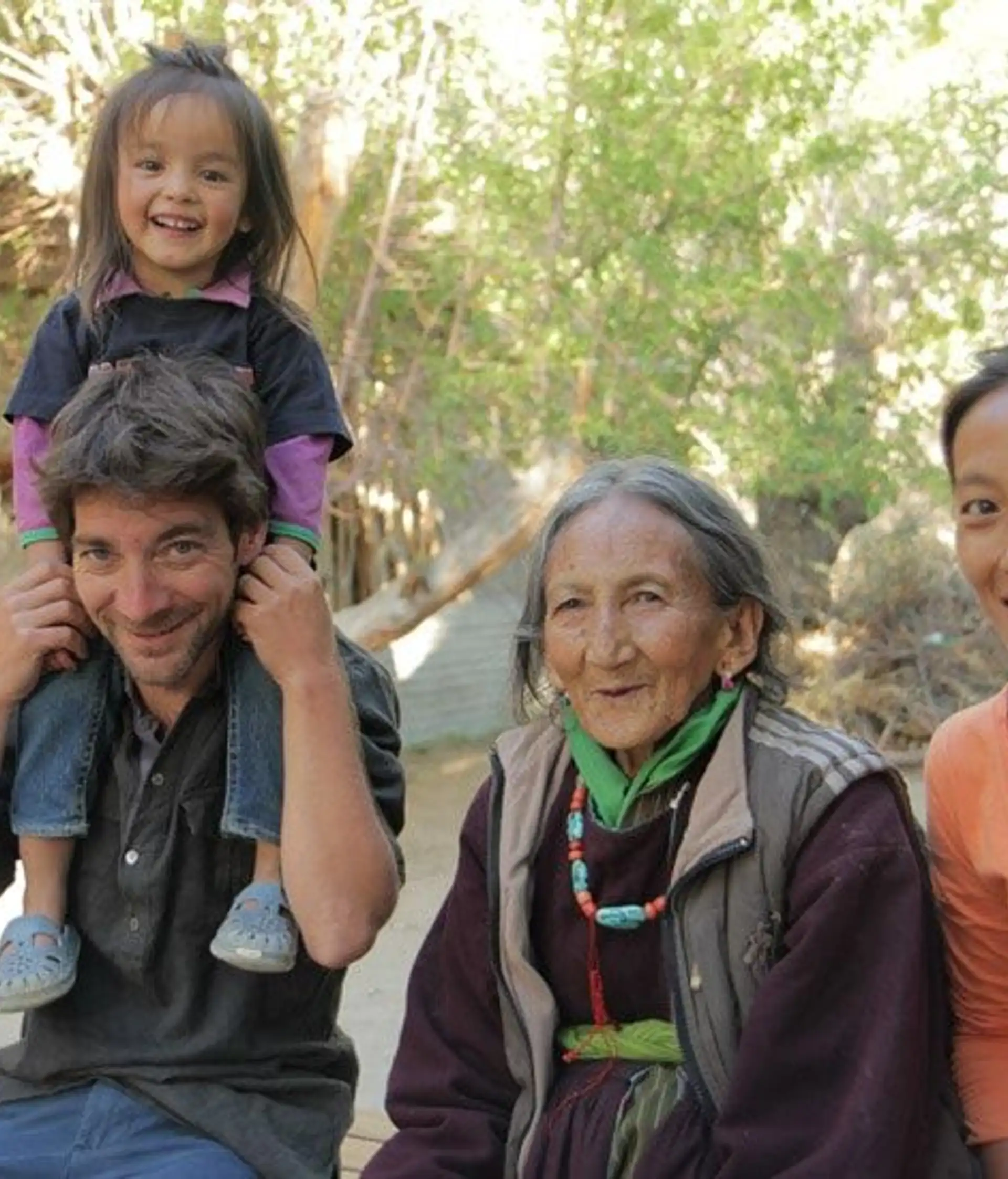
From 1780 €
From 1530 €
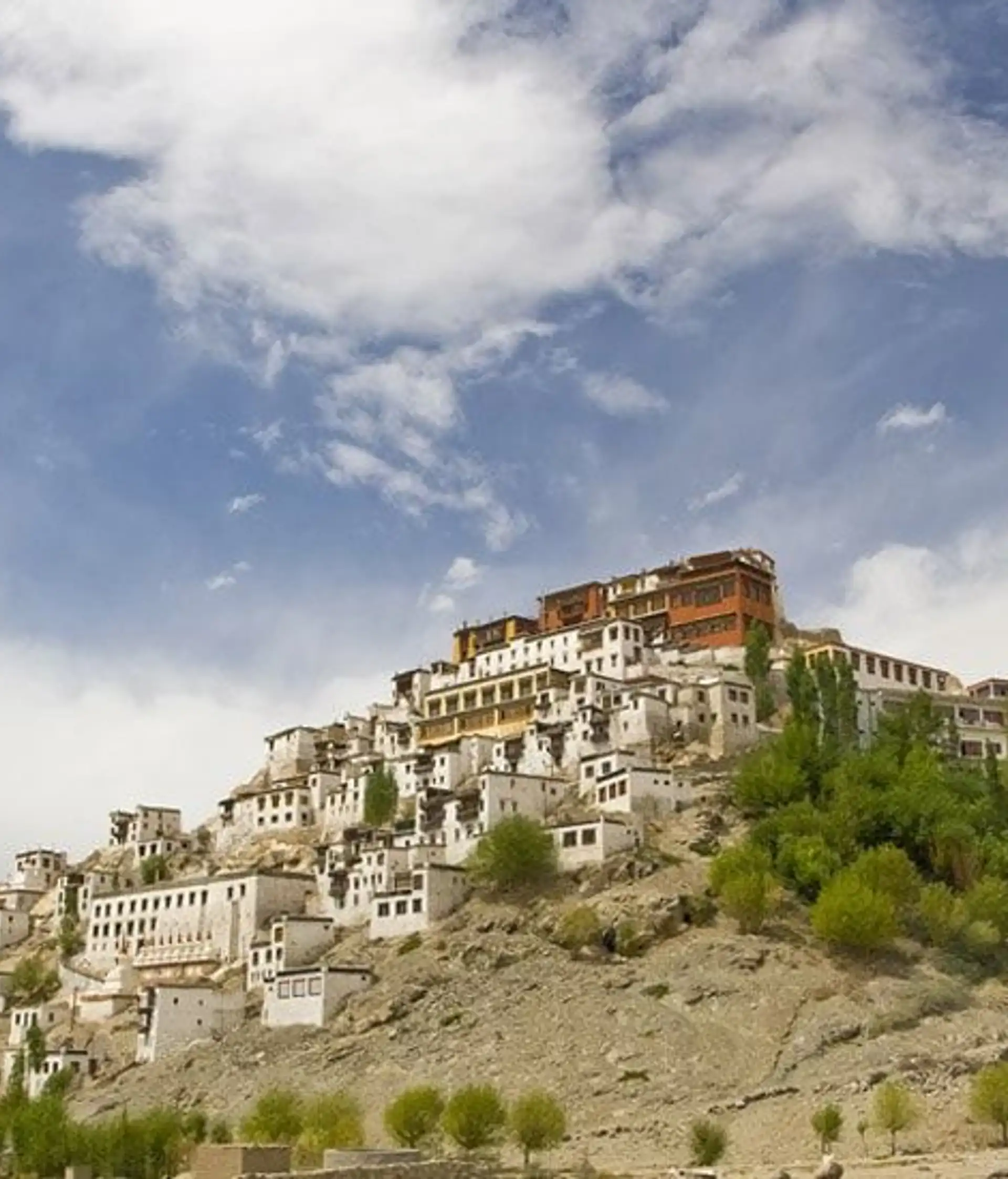
From 1022 €
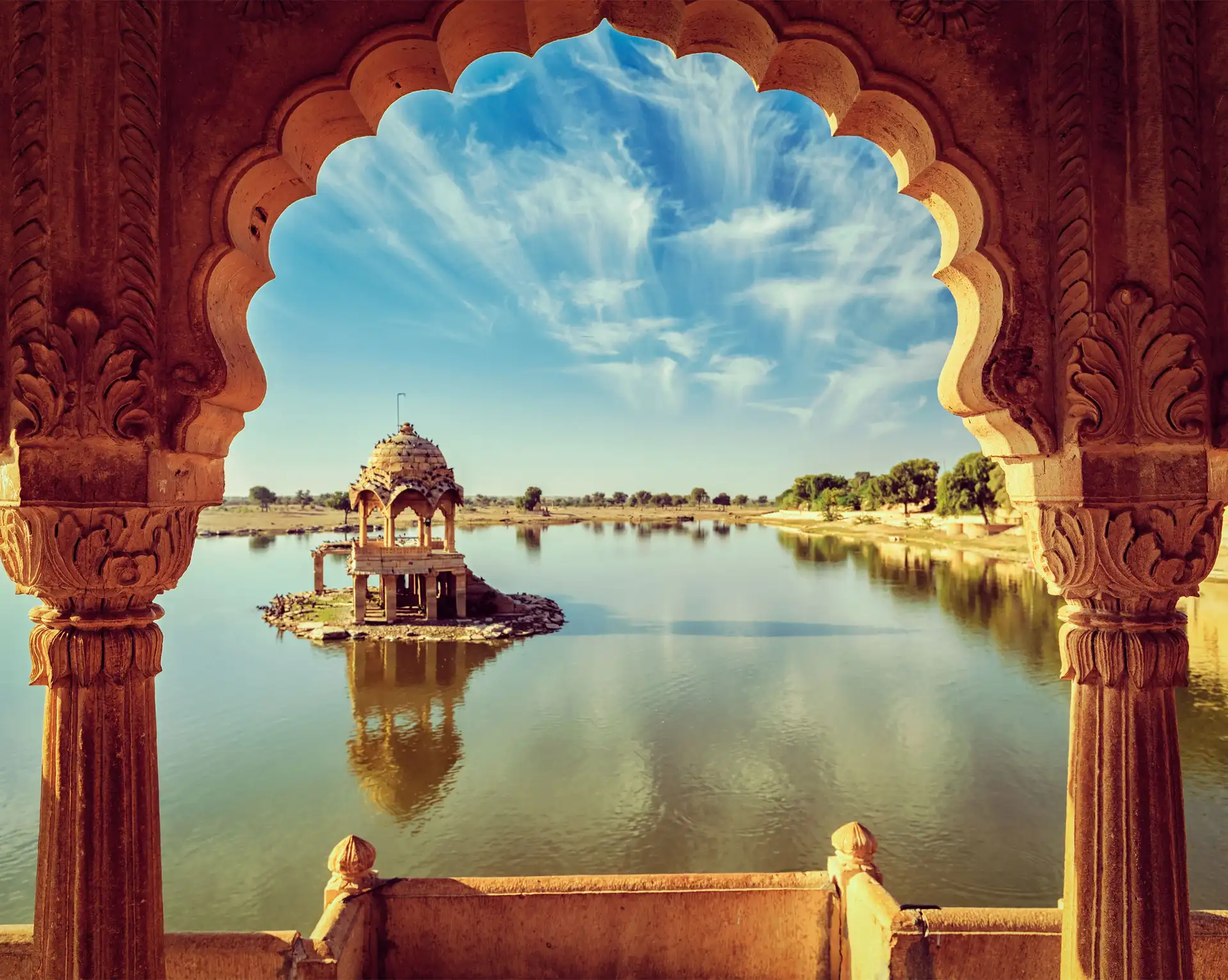
Traveling to India with family is a dive into a world of colors, traditions, and contrasts. But it’s also an adventure that requires careful preparation, especially when traveling with children. To help you get a clearer picture, here is an honest account full of practical advice for enjoying a trip to India with kids with peace of mind.
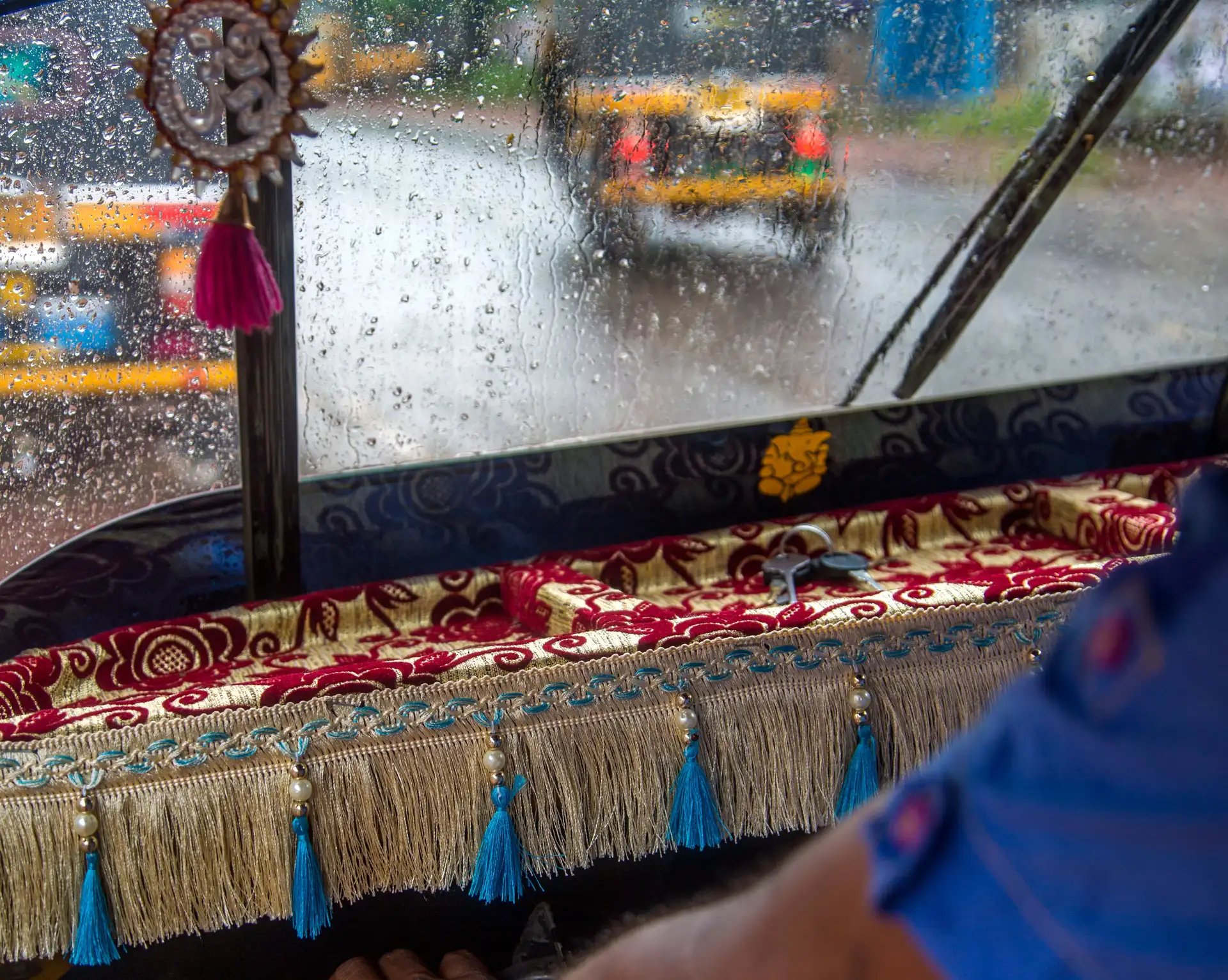
When I told my loved ones I was going to India... right in the middle of July, the reaction was unanimous: “But... it’s the monsoon! You’ll spend your vacation in the rain!” So yes, it rains. Sometimes heavily. Sometimes every day. But you know what? Traveling during the monsoon is far from a bad idea.
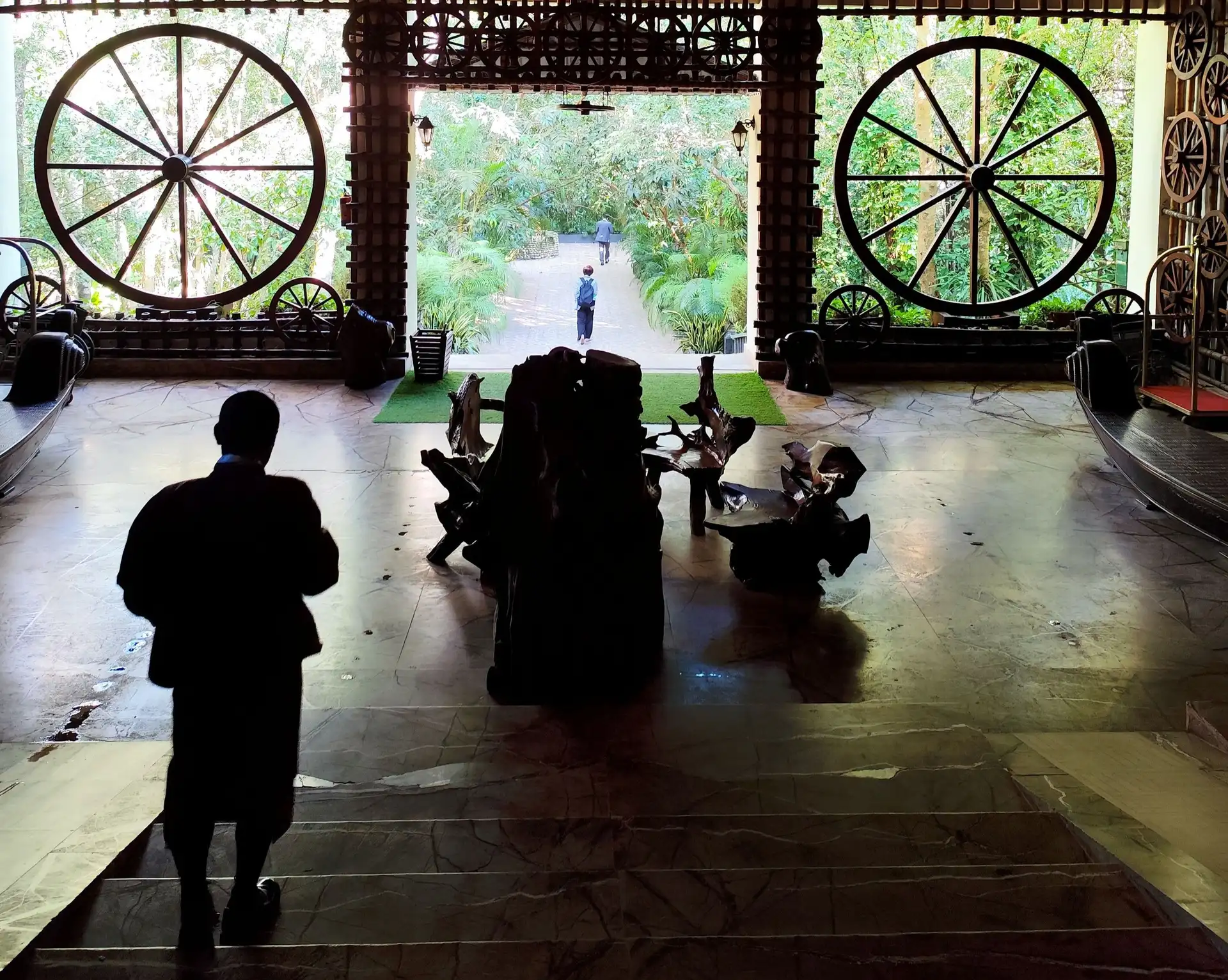
Assam offers a captivating escape for travelers seeking authenticity, nature, and vibrant traditions in one of India's most unexplored regions. Experience the essence of the Northeast as you journey through enchanting landscapes and a rich, living culture.
Subscribe and receive our travel inspirations and practical advice twice a month.

Wanting to share your trip with a group?