Your expert on destination Myanmar
To truly immerse yourself in the authentic rhythms of daily life, understanding the diverse transportation in Myanmar is essential. Traveling across this enchanting country doesn’t just involve getting from point A to B—it’s an experience that unveils local customs, landscapes, and unique logistical quirks. At Shanti Travel, we guide travelers through every step, ensuring your trip to Myanmar is as smooth—and insightful—as possible.
Below is some information on the different modes of transportation in Myanmar:
Things are changing fast in Myanmar and so are the roads and transportation infrastructure within the country. Although many roads still have potholes and bumps, the overall condition has improved a lot on the country's main axes, especially between Yangon and Mandalay. The journey times by car and bus have therefore shortened somewhat and driving still remains the most common mode of transportation in Myanmar. In Yangon however, there are now more and more traffic jams due to new legislations and a ban on motorbikes that was enforced in 2003. Foreigners cannot rent a car without a driver in Myanmar, but you will always find some means of transport whatever your journey (taxi in Yangon, motorbike taxi in Mandalay, horse-drawn cart in Bagan, etc..). Despite driving on the right side of the road, do not be surprised to get into a car with the steering wheel on the right!
Travelers should be aware:
Practical tips:
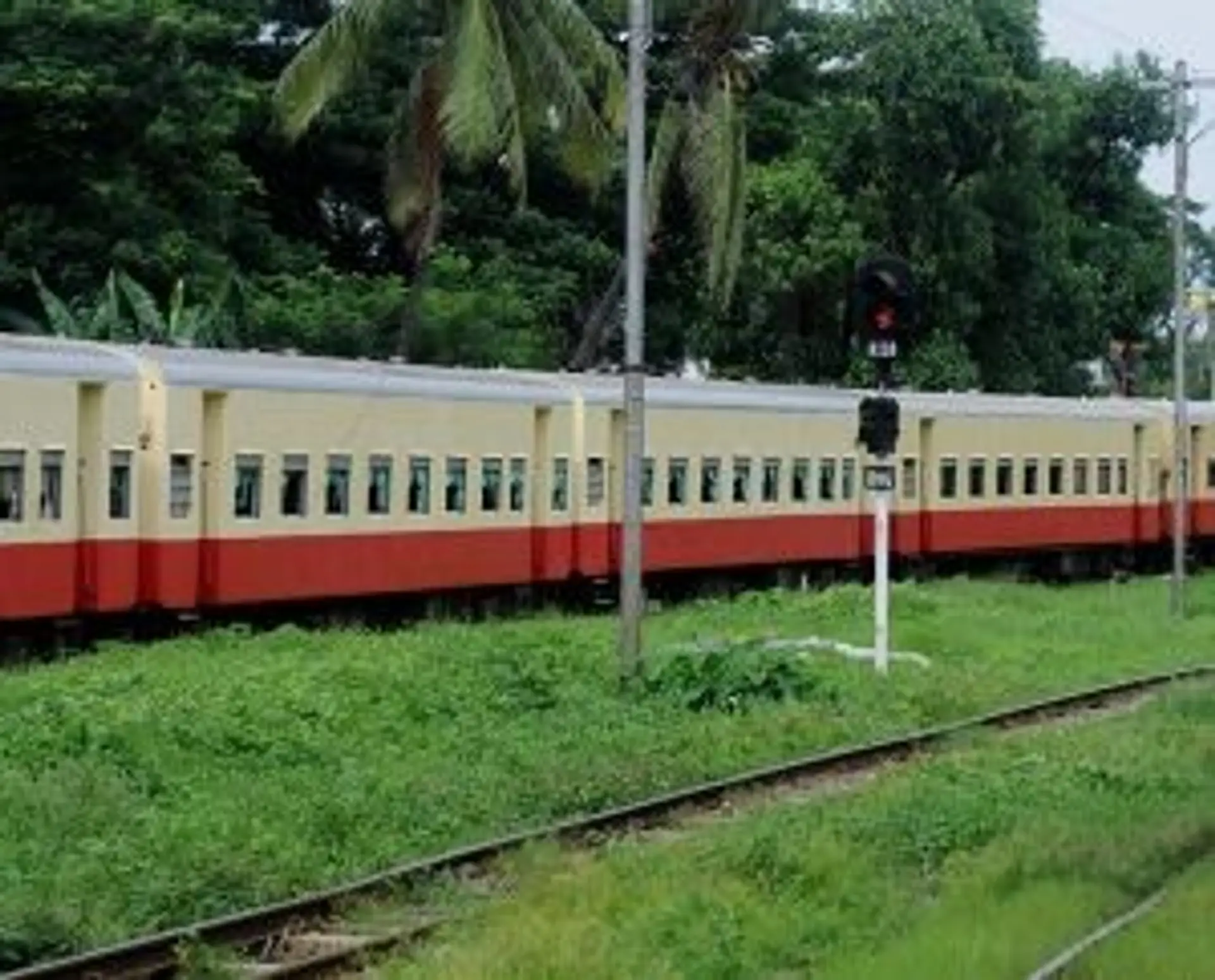
Taking the train in Myanmar is a journey in itself! Some railways date back to the colonial era and the trains can be very run down, adding to the authentic experience. Travel is slow, uncomfortable and trains are rarely punctual, making it one of the less efficient methods of transportation in Myanmar. However, this is an excellent opportunity to watch the landscapes pass by and take a glimpse into the daily life of the Burmese who travel alongside you. Aboard the trains, you will also have the chance to taste lots of small snacks or fruits sold by the numerous street vendors.
Special insights for travelers:
Air travel remains the most efficient mode of transportation in Myanmar for long distances. Given the size of the country, it can be very practical or even essential to take domestic flights when getting around in Myanmar. For example, it takes approximately 12 hours in a bus to get from Yangon to Inle Lake compared to a mere 1h10 by plane! Taking internal flights within Myanmar will save you significant time since the main cities and various tourist centers of Myanmar are served by domestic airports. For your flights in Myanmar, we recommend several airlines: Air Mandalay, Yangon Airways, Air KBZ and AsiaWings.
What to know:
Myanmar has many navigable rivers, but the best known, of course, is the Irrawaddy, the river that stretches over 2,000 km long and crosses the country. Today, a major line of communication and transportation in Myanmar still flows along these waters. A number of cruise companies organize cruises of a day or a few days. If you would like to experience a cruise in Myanmar and experience one of the more relaxing methods of transportation in Myanmar, we recommend the journey between Mandalay and Bagan. From early morning until mid-afternoon, you will discover beautiful landscapes and life on the river, from cargo ships to children's games by the water as you listen to the sounds of the river...
Extra details:
Transportation across Myanmar is in constant evolution, blending tradition and modernity. By embracing the diversity and quirks of each mode, travelers not only reach their destination, but also experience the heart of Myanmar life in transit. With Shanti Travel’s expertise, you’ll navigate these options with confidence, making the journey as memorable as the destination itself.
Subscribe and receive our travel inspirations and practical advice twice a month.
Wanting to share your trip with a group?