Your expert on destination Myanmar
If you are drawn to authentic exploration and unique encounters, joining an off-the-beaten-track adventure in Myanmar will reward you with lasting memories and rare experiences. Discovering off-the-beaten-track adventures in Myanmar is the key to unveiling hidden corners, vibrant cultures, and wild landscapes rarely touched by tourism.
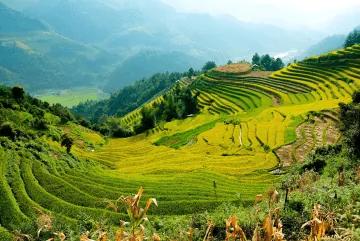
Shan State is a paradise for adventurous travelers seeking to step beyond Myanmar’s well-trodden paths. Here, treks take you deep into the mountains, lush forests, and across sprawling rice terraces and tea plantations. What makes trekking in Shan State truly unique is the chance to visit remote hill villages inhabited by ethnic groups such as the Pa’O, Palaung, Danu, Taung Yo, Akha, Lisu, and others.
Guided hiking routes – particularly from Kalaw to Pindaya or on to Inle Lake, as well as in the Hsipaw region – are designed not just for natural beauty, but to foster meaningful encounters with communities that maintain centuries-old traditions. The Pindaya caves, housing nearly 8,000 Buddha statues, add a mystical stop to certain trek itineraries. In areas around Keng Tung, each trek can pass through several distinct minority villages in a day.
Homestay experiences are central to the adventure:
Special moments abound: sharing tea with villagers, seeing Pa’O women in their striking black tunics and colorful turbans, or visiting a remote monastery where monks welcome you for the night. The slow, sustainable rhythm of rural Shan life reveals a different side of Myanmar and is best experienced respectfully and with patience.
Southern Myanmar is a patchwork of dramatic karst landscapes, iconic rice paddies, sprawling rivers, and caves filled with unexpected wonders. Around Hpa An, adventure opportunities are numerous:
Around Mawlamyine, delve into colonial history, explore decaying yet atmospheric buildings, and let local guides lead you into Karen villages and Thanlwin River escapades. Don’t miss Shampoo Island: steeped in royal ritual, serene, and dotted with stupas, it’s an excellent spot to experience local monastic life away from crowds.
A little farther lies the world’s largest reclining Buddha, an imposing and surreal experience that epitomizes Myanmar’s fascinating contrasts.
Myanmar’s Golden Triangle remains one of Southeast Asia’s most enigmatic regions, where the borders of Thailand, Laos, and Myanmar meet. For the truly adventurous, the region around Kengtung is a goldmine of ethnic diversity and wild scenery.
Plan a trip with respect for local rhythms, supporting tribal economies by buying directly from artisans and leaving only footprints behind.
Mrauk U, shrouded in mist and history, rivals Bagan for archaeological intrigue but offers an intimacy matched by few places in Asia. Reachable via rural roads or a scenic river journey from Sittwe, it’s home to atmospheric stone-brick temples set amid rolling hills and village life frozen in time.
Mount Victoria, the highest peak in Myanmar outside the Himalayas, offers exceptional birdlife, endemic flora, and the opportunity to further cultural exchanges with the Chin; trekking in Nat Ma Taung National Park is a nature lover’s delight.
In Myanmar’s far north lies Putao, a remote town in the Himalayan foothills—arguably Southeast Asia’s last great adventure frontier. Snow-capped Mount Hkakabo Razi, clouds of orchids, rare birds, and villages belonging to the Kachin, Lisu, and Rewang peoples define the landscape.
For the boldest, expeditions to Hkakabo Razi’s summit demand one month or more and mountaineering experience. Even short treks here, however, rank among Asia’s purest adventures.
Loikaw, capital of Kayah State, is an emerging haven for responsible adventure travelers. The state is one of Myanmar’s best-kept secrets, alive with the traditions of the Red Karen (Karenni) and the Padaung (notably the “long-necked women”), among others.
How to experience Kayah State responsibly:
Loikaw also offers atmospheric temples like Taung Kwe Pagoda, blending Buddhist, animist, and Christian traditions atop limestone outcrops.
Final Words of Advice from Shanti Travel
With over 20 years exploring every corner of Asia, Shanti Travel’s journey experts not only uncover Myanmar’s secrets, but ensure you experience them with cultural sensitivity, ethical engagement, and maximum reward. Whether it’s trekking with Pa’O in Shan State, watching the sunrise over the Golden Triangle, paddling rivers in the south, or living among hill-tribes in Kayah, the unspoiled Myanmar of adventurers’ dreams truly awaits—off the beaten path.
Subscribe and receive our travel inspirations and practical advice twice a month.

Wanting to share your trip with a group?