Best Time to Visit Sri Lanka / Climate in Sri Lanka
Planning a trip to Sri Lanka based on its climate is one of the best ways to ensure you fully enjoy the island’s diverse landscapes, wildlife, and vibrant coastal culture. With two active monsoon systems and varied topography, Sri Lanka offers distinctly different climates across its regions, so knowing when and where to travel becomes the secret to a memorable journey.
Climate Overview - Sri Lanka
Sri Lanka’s climate is unmistakably tropical—hot and humid, yet nuanced by its rains, relief, and position in the Indian Ocean. The island is divided into three primary climatic zones:
- Wet Zone: The southwest and central highlands, lush and green due to high rainfall (2,500–5,000 mm/year), especially during the southwest monsoon, with pleasantly cool temperatures in the hills.
- Dry Zone: Encompassing the north, east, and southeast, much drier (630–1,300 mm/year), with principal rains arriving during the northeast monsoon. This region experiences higher temperatures and lower humidity much of the year.
- Intermediate Zone: Lying between, these areas receive moderate rainfall and exhibit elements of both wet and dry climates.
Monsoon Patterns & Their Impact
- Southwest Monsoon (May–September): Heavy rains drench the southwest and the hill country, enveloping places like Galle and Negombo in lush greens. This period brings frequent downpours but only rarely does rain dominate an entire day.
- Northeast Monsoon (December–February): The dry zone receives its main rainfall, while the southwest and highlands bask in drier, sunnier Weather—ideal for most travelers.
- Inter-monsoon Periods (March–April & October–November): Bring scattered thunderstorms and unpredictable weather. October and November, in particular, can be stormy almost anywhere on the island.
Understanding Microclimates
Despite Sri Lanka’s small size, local conditions can vary sharply:
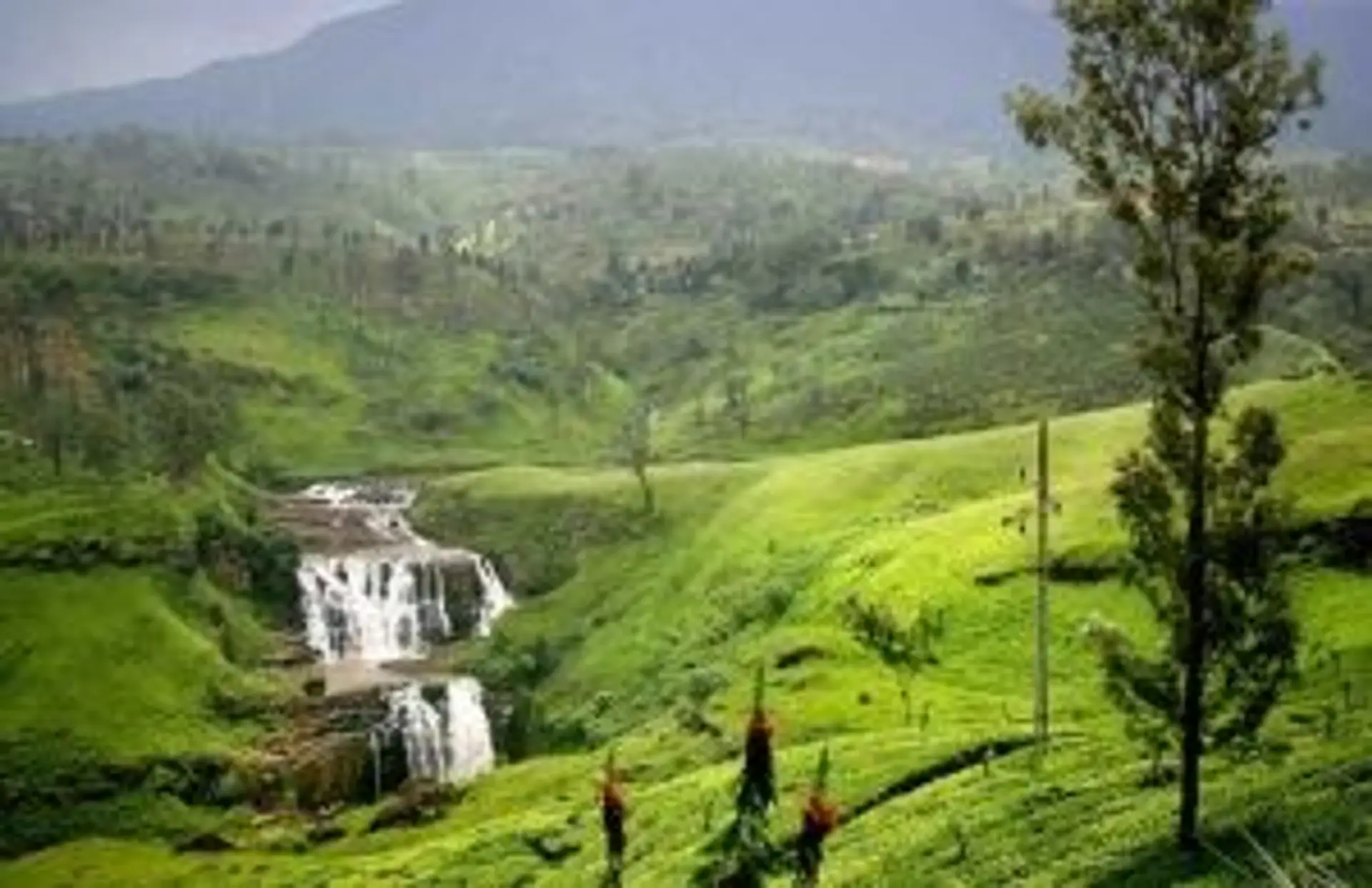
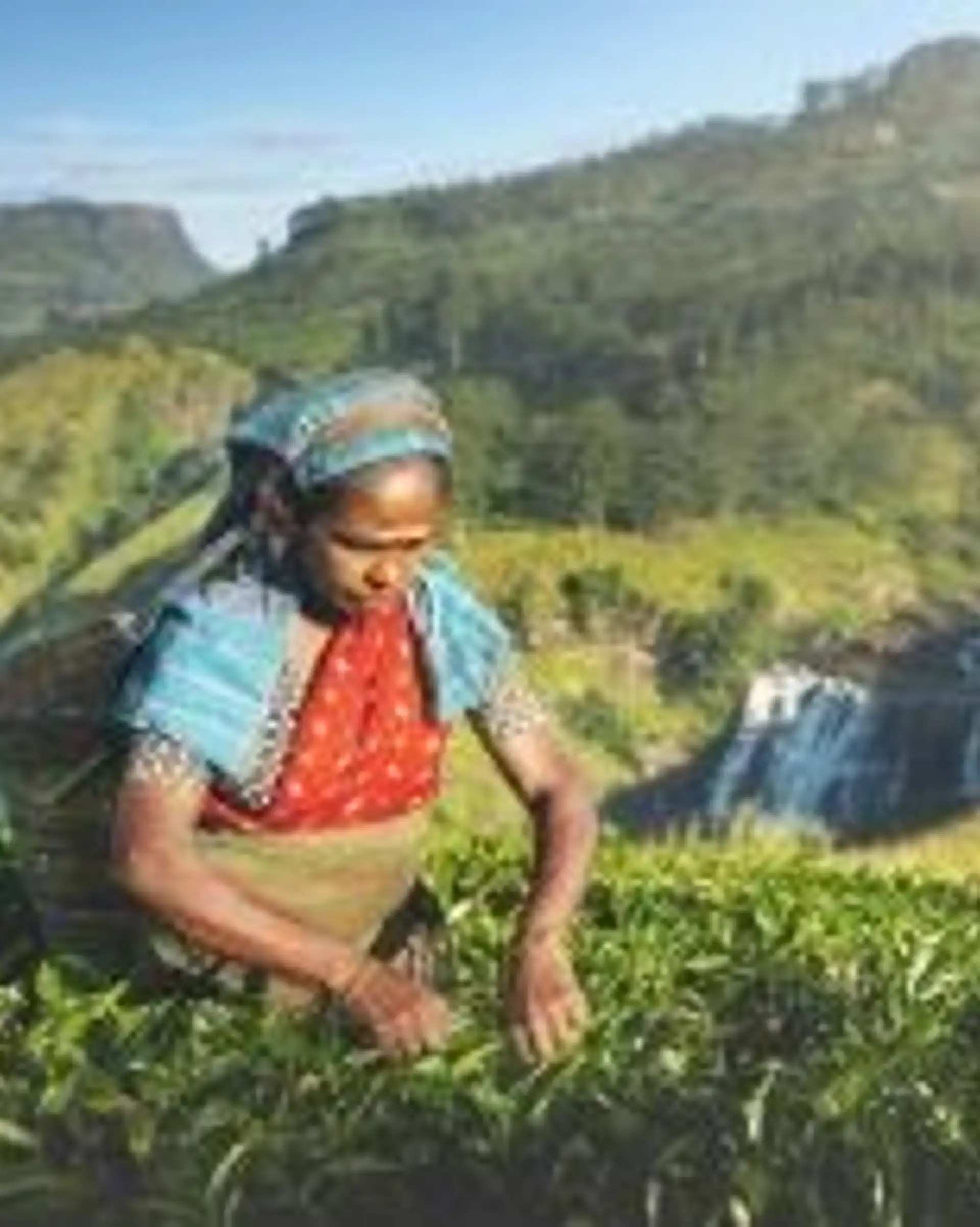
- Hill Country: Around Nuwara Eliya and the Knuckles, altitude keeps things fresh and the air crisp, with brisk nights—even in high season. Out-of-season, expect mists and cool rain.
- Coastal Regions: Generally hot and humid, but tempered by refreshing sea breezes. The difference between the now-sunny southwest and the monsoon-washed east is notable at any given time of year.
- Interior Lowlands: Sweltering during the dry season, with little respite until the arrival of the northeast monsoon.
When to Go: Tailoring the Climate to Your Trip
Sri Lanka’s divided monsoon pattern is both a blessing and a puzzle for travelers:
| Traveler Type | Best Time to Visit | Where to Go | Climate Tips |
|---|
| Families | December to March | Southwest beaches, Hill Country | Pleasant, dry, and sunny. Less rain, great for children. |
| Adventure Seekers | Dec–Mar (treks), July–Sept (hill trails) | Central Highlands, Horton Plains, Knuckles | Dry trails, comfortable trekking. Avoid monsoon months. |
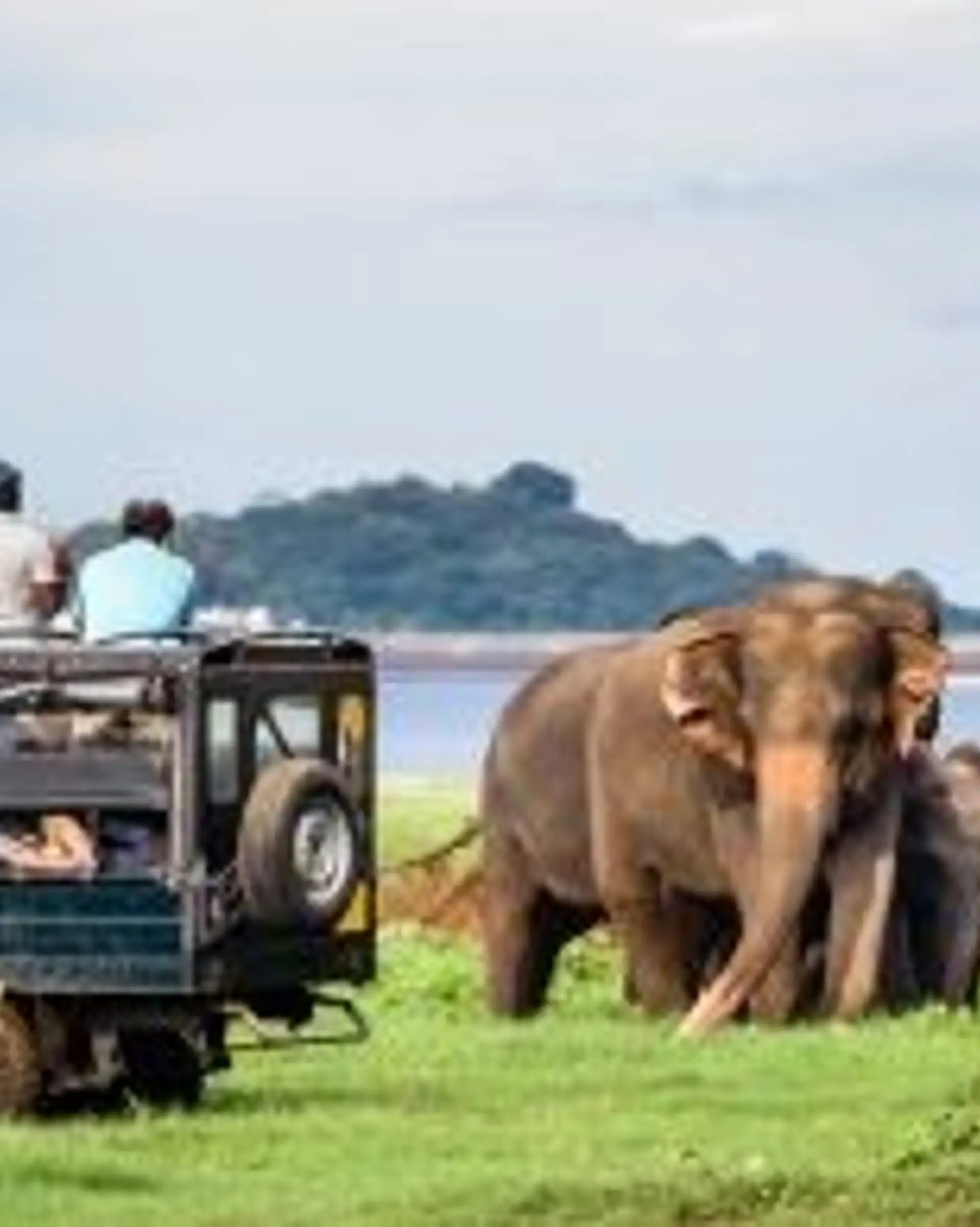
| Wildlife Lovers | May–Sept (Yala, Wilpattu), Dec–Mar (Sinharaja, southwest parks) | Yala, Wilpattu, Sinharaja | Dry weather drives animals to water holes for easier spotting. |
| Beach Lovers | Dec–Mar (southwest coast), May–Sept (east coast) | Mirissa, Galle, Trincomalee, Arugam Bay | Always a coastline with sun. East for summer, southwest for winter. |
Regional "Best Time" Highlights
- Southwest & West Coast (Negombo to Galle): December to March is the dry, high season—perfect for beach life, Galle Fort strolls, and coral snorkeling.
- South Coast (Mirissa, Tangalle): Calm seas in February–March. A magical time for turtle spotting and safari adventures in Yala or Udawalawe.
- Mountainous Regions (Nuwara Eliya, Hatton): December to April brings clear, cool days and starry chilly nights. April’s Sinhala and Tamil New Year is especially atmospheric for climbers heading up Adam’s Peak.
- Cultural Triangle (Kandy, Sigiriya, Polonnaruwa): Best from December to March. To beat both heat and crowds, visit main sites early in the morning.
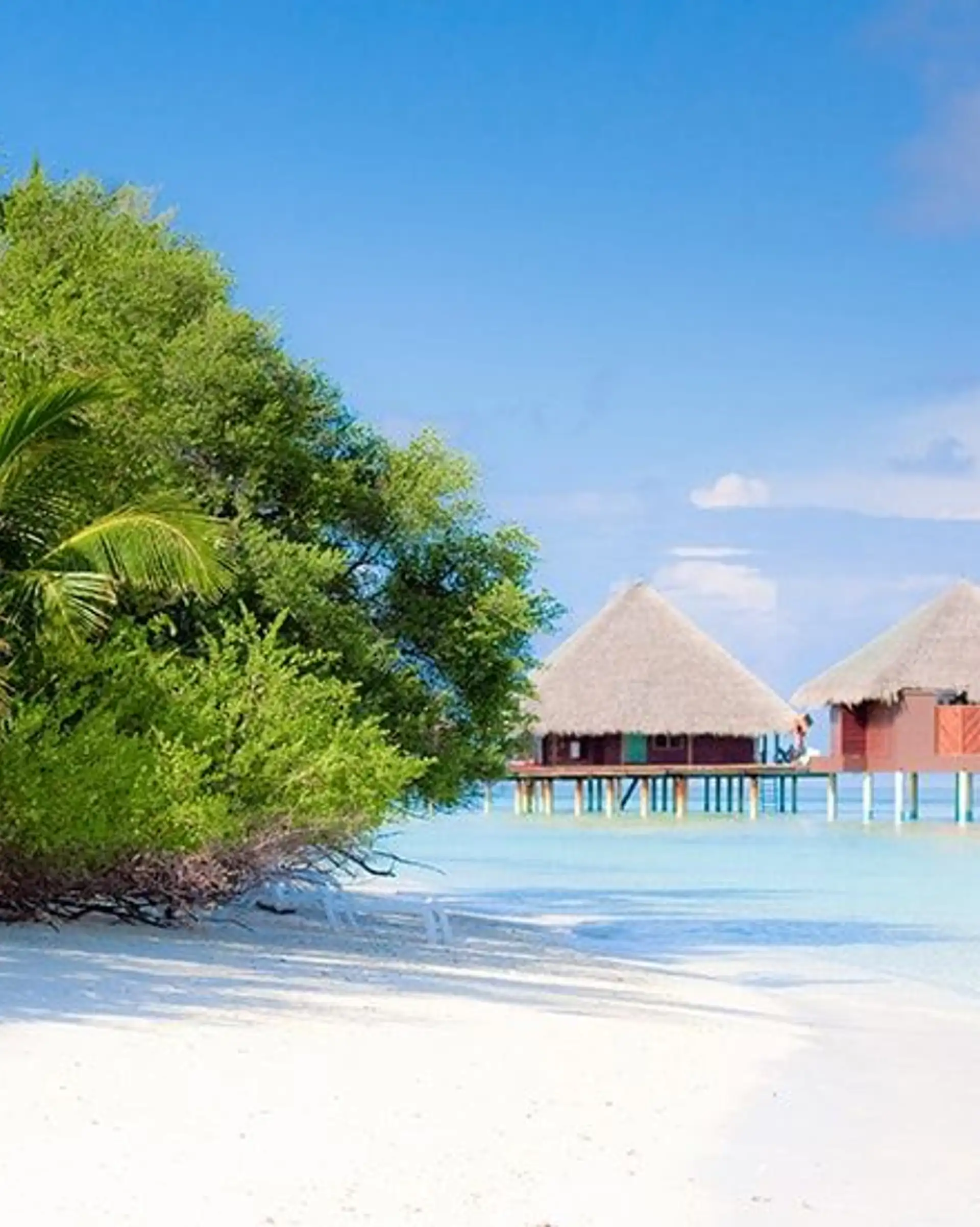
- North & East (Jaffna, Trincomalee, Arugam Bay): Peak season is May to September—when the rest of the country is wetter, here you’ll find pristine sands and tranquil seas.
Shanti Travel’s Insider Tips
- Avoid: October–November and May–June for the wettest conditions—they’re best for flexible travelers seeking bargains.
- Remember: Rain rarely lasts all day—even in monsoon season, hours of sunshine can be expected.
- Wildlife & Nature: National parks become especially rewarding toward the end of dry periods, with animals congregating around diminishing water sources.
- Festivals: Certain climate windows are ideal not just for weather, but for witnessing New Year, Vesak, or Esala Perahera—magical times if you plan accordingly.
Whether you crave sun-kissed beaches, misty tea estates, or lush wildlife parks, Sri Lanka’s climate offers the right window for every passion—if you catch the right monsoon wind. Rely on Shanti Travel’s two decades of Asia experience to help you read these climatic cues and craft the adventure of a lifetime.