
Your expert on destination Japan
Mount Fuji stands at 3,776 metres, making it the highest peak in Japan. Every year, hundreds of thousands of people climb it, but many arrive unprepared. This guide is for those who want to make the most of the experience: choosing the right Mount Fuji climbing route, preparing for changing weather conditions, discovering the best photography spots, and returning safely after an unforgettable adventure.
Mount Fuji is one of Japan's most iconic landmarks. There are four official trails to the summit: Yoshida, Subashiri, Gotemba, and Fujinomiya. Each starts from a designated 5th Station and leads to the crater at the summit, with mountain huts and checkpoints along the way.
Yoshida Trail (north side) is the most popular route, offering the greatest number of mountain huts, rest areas, water stations, and emergency facilities. It is the best choice for first-time climbers. Starting from the Fuji Subaru Line 5th Station at 2,305 metres, the ascent typically takes 5 to 7 hours. The descent follows a separate trail, helping to reduce congestion.
Fujinomiya Trail (southwest side) is the second most popular option. Although shorter than Yoshida, it is steeper and is the most convenient route for visitors travelling from Kyoto or Osaka. Expect the climb to take around 4 to 6 hours.
Subashiri Trail and Gotemba Trail are ideal for hikers looking for a quieter experience. Gotemba is the longest and most challenging route, requiring approximately 7 to 9 hours of climbing from the 5th Station, which sits at just 1,440 metres above sea level.
If you're climbing Mount Fuji for the first time, the Yoshida Trail is the best option thanks to its excellent facilities and safety infrastructure. If you're travelling from Kyoto or Osaka, the Fujinomiya Trail is the most convenient. Avoid ascending via one trail and descending another unless you have planned your transportation carefully, as shuttle buses do not circle the mountain.
The official Mount Fuji climbing season runs from early July to mid-September. This is the only time of year when the mountain huts are open, the trails are free of snow, and rescue services are fully operational.
In early July, the trails gradually open, and higher sections may still have patches of snow. From mid-July to mid-August, it is peak climbing season. Mountain huts are often fully booked, and the trails can become crowded, especially on weekends, but weather conditions are generally at their most stable. This is also the best time to experience a night climb and witness the spectacular sunrise from the summit, known in Japanese as goraikō.
By September, visitor numbers begin to decline, and temperatures become cooler. For many hikers, this is the ideal time to climb Mount Fuji, offering a quieter experience—provided you keep a close eye on the weather forecast.
Outside the official climbing season, Mount Fuji remains accessible only to experienced mountaineers. However, there are no services available, and snow, ice, and strong winds can make the ascent extremely dangerous without the proper equipment and experience.
If your goal is to watch the sunrise from the summit, plan your climb for late July or early August, preferably on a weekday. Leave the 5th Station between 10:00 and 11:00 p.m. to reach the top before dawn. If you'd rather avoid the crowds, choose a weekday or visit during the first half of September. For photography, early mornings usually offer the clearest skies, as clouds tend to build up later in the afternoon.
From the Yoshida 5th Station, the trail steadily ascends across volcanic terrain made up of black ash and rocky slopes. The first part of the climb is relatively gentle. The ascent becomes more demanding from the 8th Station, around 3,100 metres, where the thinner air begins to take its toll. Altitude sickness affects many climbers, with symptoms including headaches, nausea, and dizziness. The best prevention is to climb at a steady pace and stay well hydrated.
Mountain huts (yamagoya) provide overnight accommodation (advance reservations are essential during peak season), as well as simple meals and hot drinks. Prices are relatively high, with a bowl of soup or a coffee typically costing between ¥2,000 and ¥3,000. Toilets are available along the trail but require a small fee of around ¥200, so be sure to carry cash.
Once you reach the summit, you can complete the Ohachi-meguri, a scenic 2-kilometre circuit around the crater that takes approximately 45 minutes to an hour. This route includes Kengamine Peak, Japan's highest point at 3,776 metres. On clear days, the panoramic views stretch as far as Tokyo.
Even in August, temperatures at the summit typically range between 5°C and 10°C, while strong winds can make it feel much colder. A waterproof, windproof jacket is essential. Wear proper hiking boots with ankle support, as ordinary trainers provide little grip on the volcanic terrain. Trekking poles are especially useful during the descent, and a headlamp with fresh batteries is indispensable for overnight climbs.
Many hikers underestimate the descent. The loose volcanic gravel and rocky trails put considerable strain on the knees, and descending from the summit usually takes between 3 and 4 hours. Even in summer, pack warm gloves and a hat.
Mount Fuji is one of the most photographed mountains in the world, but some of the best views are found far below the summit.
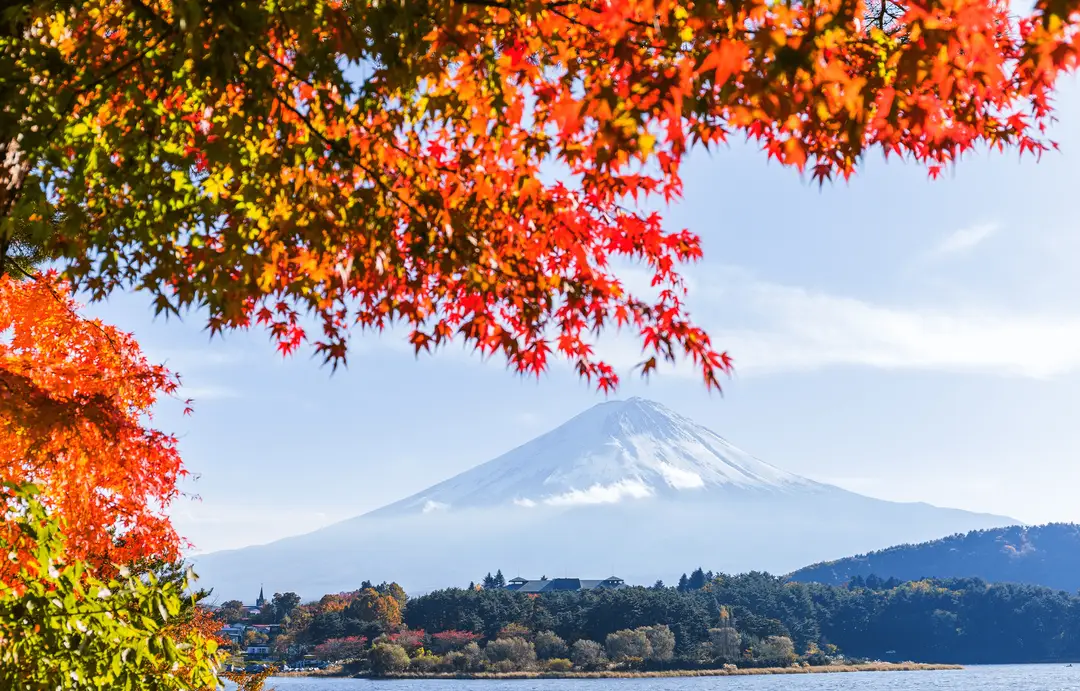
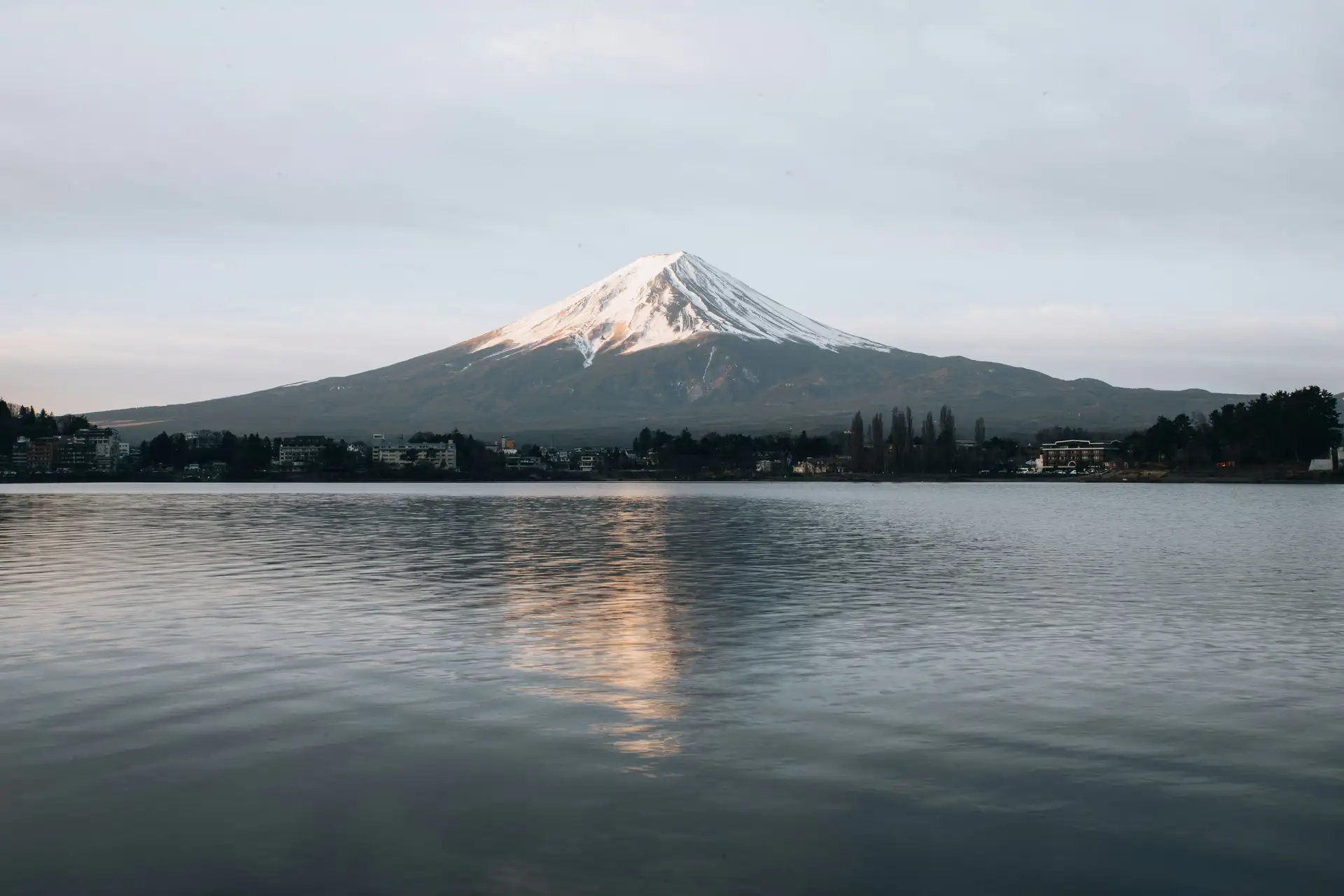
Lake Kawaguchi is the most accessible of the Fuji Five Lakes. On calm mornings, the mountain's reflection on the water creates one of Japan's most iconic landscapes. The lake is approximately one hour by bus from the Yoshida 5th Station. For cherry blossoms framing Mount Fuji, visit between late March and mid-April, although this falls outside the climbing season.
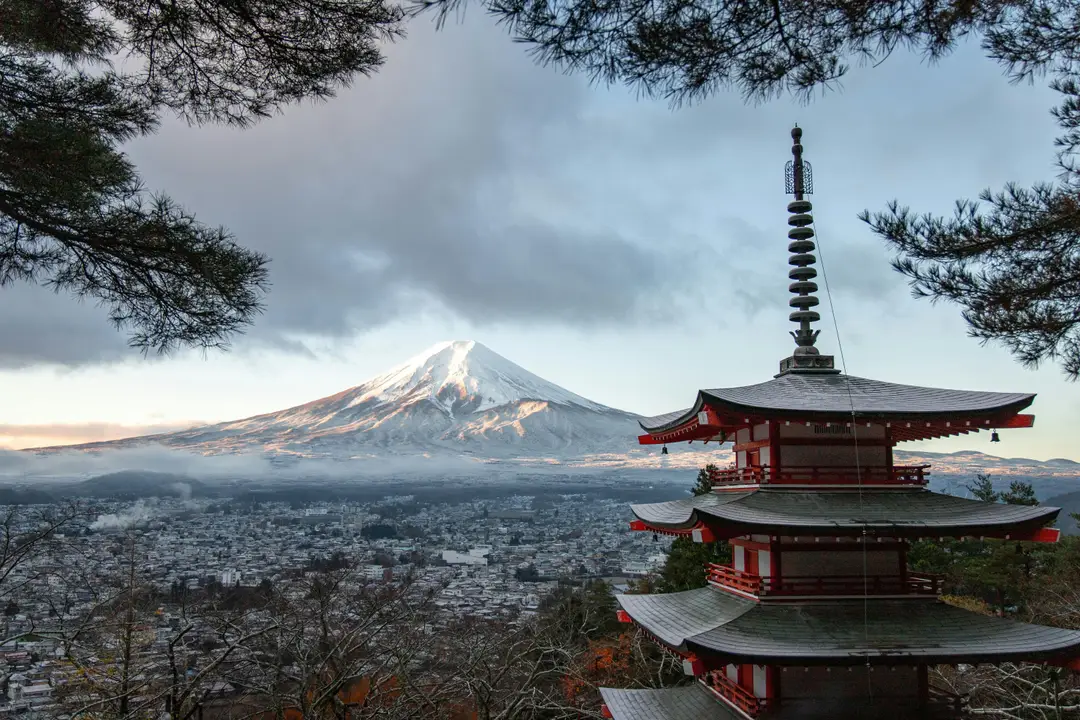
Chureito Pagoda, part of Arakurayama Sengen Park, offers one of Japan's most famous viewpoints, with the five-storey pagoda perfectly framed against Mount Fuji. Reaching the viewpoint requires climbing around 400 steps from the entrance. Early morning or late afternoon provides the best light.
Oshino Hakkai is a traditional village famous for its eight crystal-clear spring ponds, fed by melting snow from Mount Fuji. Here, the mountain rises behind historic houses and peaceful gardens, creating a quieter and more authentic setting than Lake Kawaguchi.
Along the climbing trail itself, the most spectacular views are found between the 8th and 9th Stations at sunrise. Looking east, hikers can admire the Fuji Five Lakes, surrounding plains, and, on exceptionally clear days, Tokyo Bay.
Mount Fuji is often hidden by clouds later in the day, so arriving early greatly improves your chances of clear views. Around Lake Kawaguchi, the northern shore offers some of the finest panoramas, while the Sakuranobori area is renowned for capturing perfect reflections of the mountain. A lightweight tripod is recommended for sunrise, night photography, or long-exposure shots.
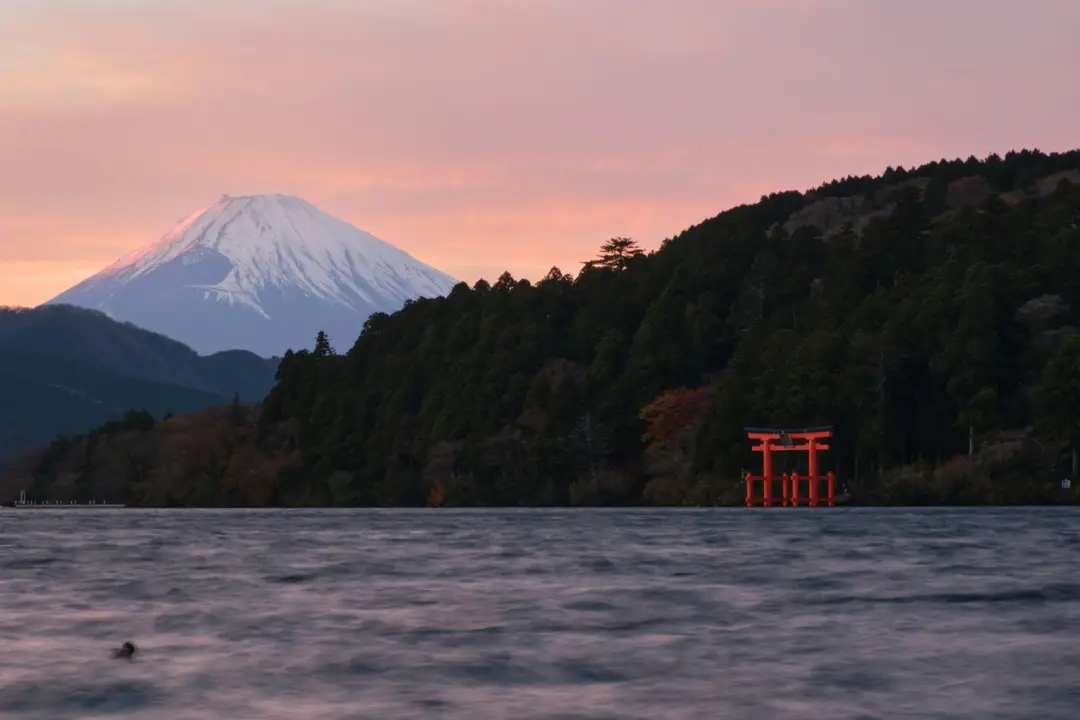
Hakone is another outstanding location, where you can photograph the famous vermilion torii gate standing in Lake Ashi with Mount Fuji rising in the background.
If you have extra time, don't limit your visit to climbing the mountain. The Fuji Five Lakes—Lake Kawaguchi, Lake Yamanaka, Lake Saiko, Lake Shoji, and Lake Motosu—offer countless opportunities for hiking, cycling, photography, and outdoor activities.
Lake Yamanaka is the largest of the five lakes and the closest to Tokyo. Less crowded than Lake Kawaguchi, it is especially popular with cyclists and kayakers. Cycling around the lake covers approximately 14 kilometres and takes between one and two hours, with excellent views of Mount Fuji throughout the route.
Lake Saiko is surrounded by dense forests and offers a more peaceful atmosphere. Nearby, the Narusawa Ice Cave is a fascinating lava tunnel that remains close to freezing all year round. The visit takes around 20 to 30 minutes and provides a refreshing escape during warmer weather.
Lake Motosu is famous for appearing on Japan's ¥1,000 banknote. It is the most remote and least visited of the Fuji Five Lakes, making it an excellent destination for those seeking tranquillity. The classic viewpoint can be found along National Route 139 on the northern shore.
The Fujigoko Bus Pass makes it easy to travel between the lakes and nearby stations. Available as a two- or three-day pass, it can be purchased in Kawaguchiko. Bicycle rentals are also widely available in both Kawaguchiko and Yamanakako for half-day or full-day use.
Unlike the climbing trails, the Fuji Five Lakes can be visited throughout the year. November is particularly beautiful, as vibrant autumn foliage transforms the landscape into one of Japan's most photogenic destinations.
No, but a reasonable level of fitness is recommended. Success depends far more on proper preparation, suitable equipment, pacing yourself, and staying hydrated than on athletic ability alone. If you regularly hike on mountain trails, you should be well prepared for the climb.
Yes. Reservations are strongly recommended during July and August, especially on weekends, as mountain huts often sell out several weeks in advance. Most huts accept online bookings. If you're completing a night climb without staying overnight, no reservation is needed, but you'll need a reliable headlamp.
Yes, although it's advisable to inform someone of your planned route and expected return time. The Yoshida Trail is usually busy during the official season, but the Gotemba and Subashiri trails can be much quieter, particularly on weekdays. Since altitude sickness can develop unexpectedly, climbing with a companion is always safer.
Since 2024, climbers using the Yoshida Trail are required to pay a ¥2,000 conservation fee. Similar fees may apply to other trails, so check the latest regulations before your visit.
Plan for at least three days: one day to arrive and acclimatise, one day for the climb, and one day to explore the Fuji Five Lakes. With four or five days, you'll have time to visit all five lakes, explore lava caves, and discover the region's best photography locations.
Yes, on clear days, especially during winter when the air is drier. Some of the best views are from Shinjuku or Tokyo Tower. However, for close-up views, it's worth travelling to Hakone or the Fuji Five Lakes region.
Turn back immediately. Storms on Mount Fuji can develop rapidly and become extremely dangerous. Above the 7th Station, there are no forests or natural shelters. Check the local forecast the day before your climb, as Japanese weather services generally provide more accurate mountain forecasts than international weather apps.

From 2590 €
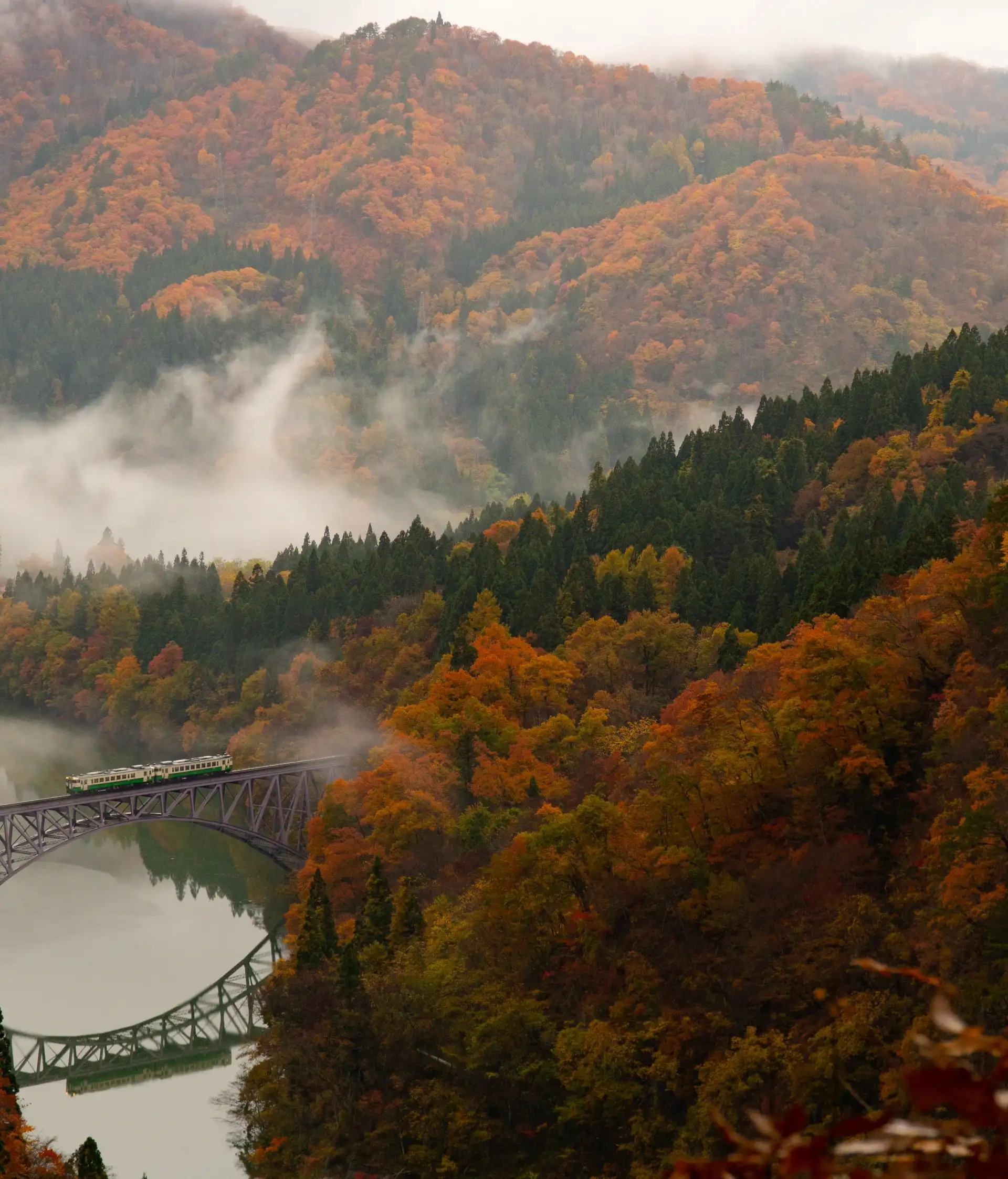
From 3300 €
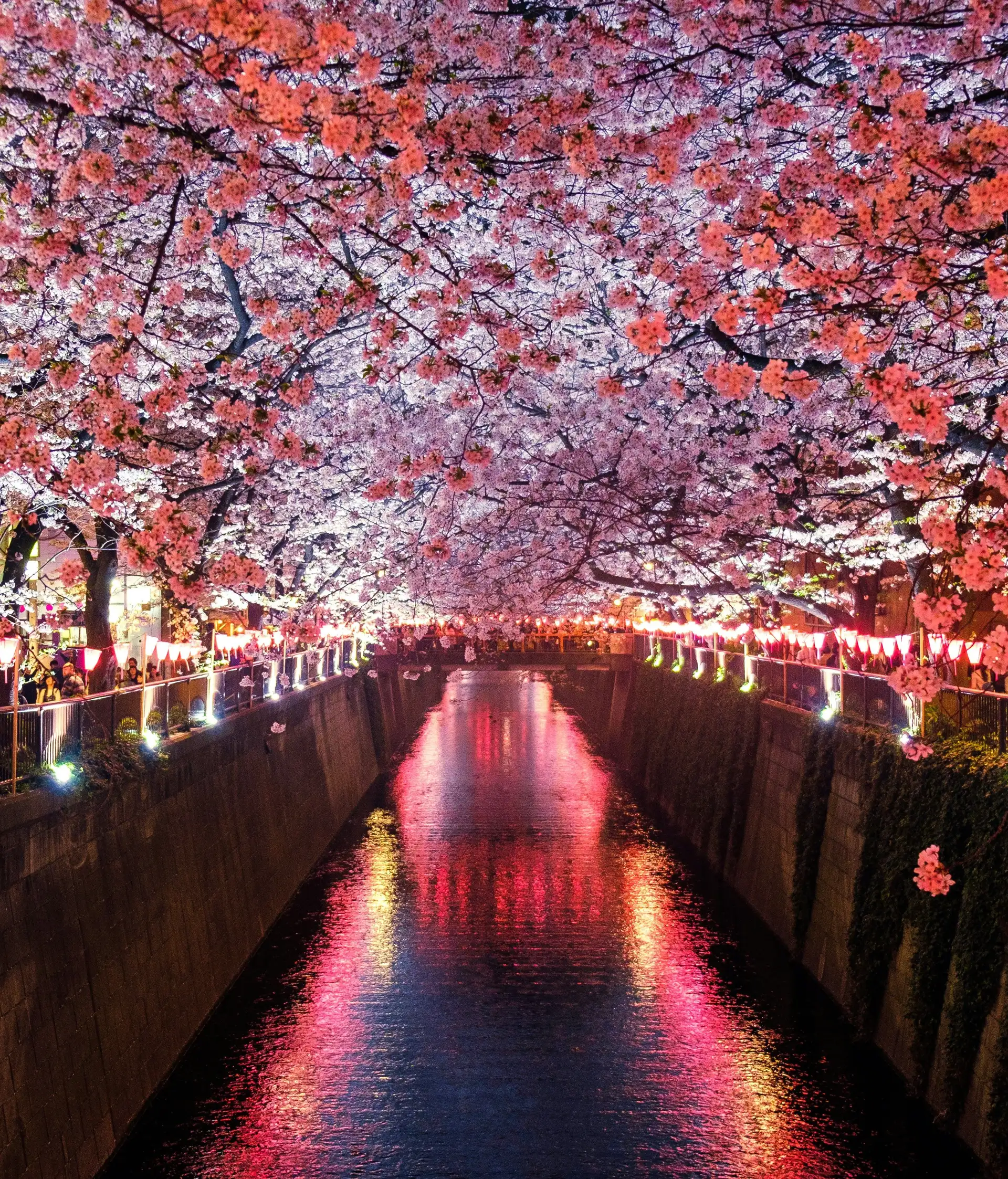
From 2200 €
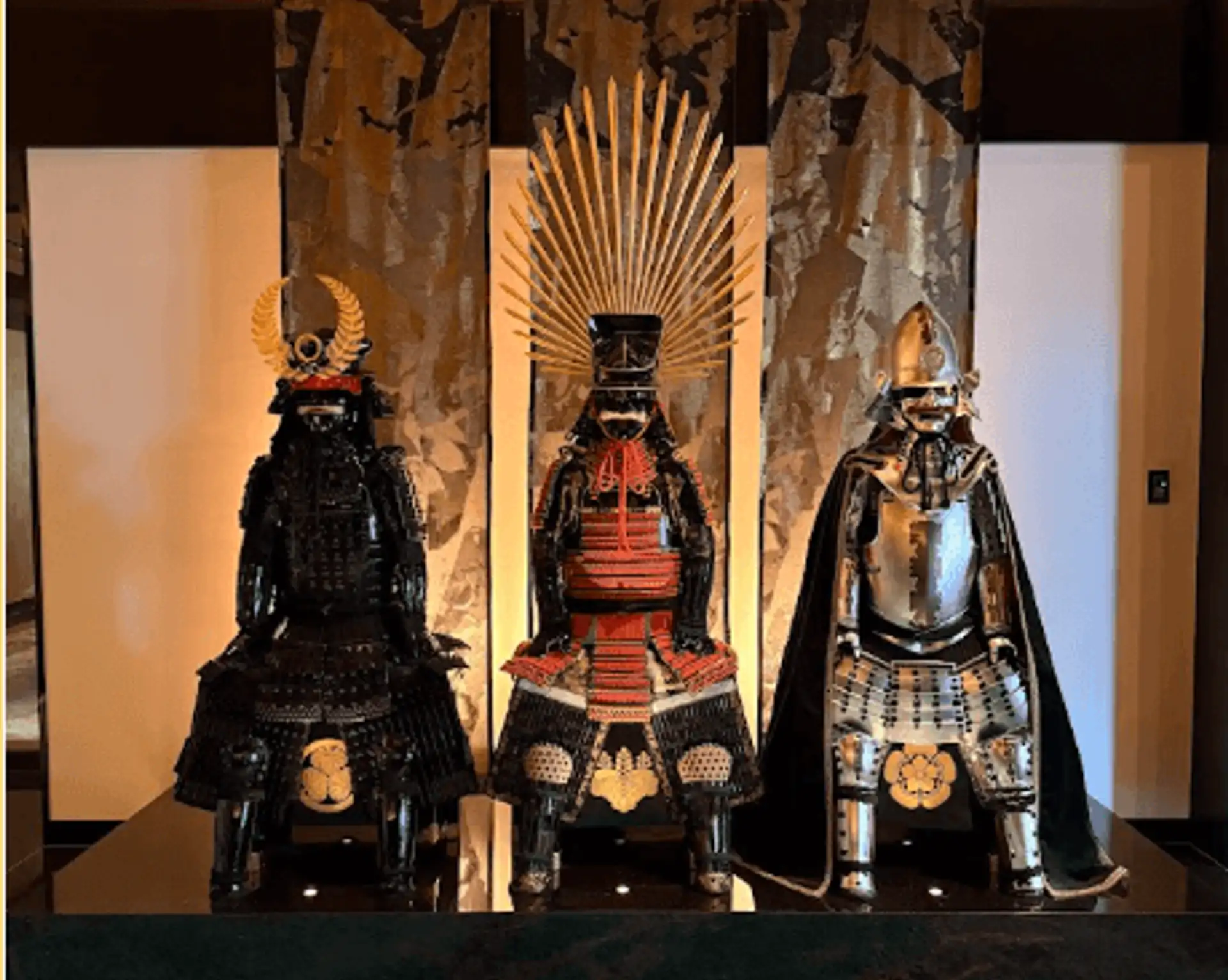
Nagoya is one of those cities that many travellers simply pass through only to realise later that they should have stayed longer. As the capital of Aichi Prefecture, it perfectly blends modern innovation and industrial heritage while remaining deeply rooted in its local traditions and identity.
Set off to discover Japan through its unique arts, blending living tradition and innovative trends that shape its plural identity. This article invites you to explore the richness of Japanese aesthetics, a subtle alliance of history and contemporary creativity.
Subscribe and receive our travel inspirations and practical advice twice a month.
Wanting to share your trip with a group?