Your expert on destination Japan
The **Kumano Kodo** is a network of pilgrimage trails across Japan's Kii Peninsula, mostly in Wakayama Prefecture, and a UNESCO World Heritage Site since 2004. Most first-timers walk the Nakahechi trail: about **70 km (43 miles)** from Takijiri-oji to the Kumano shrines, in 4 to 5 days.
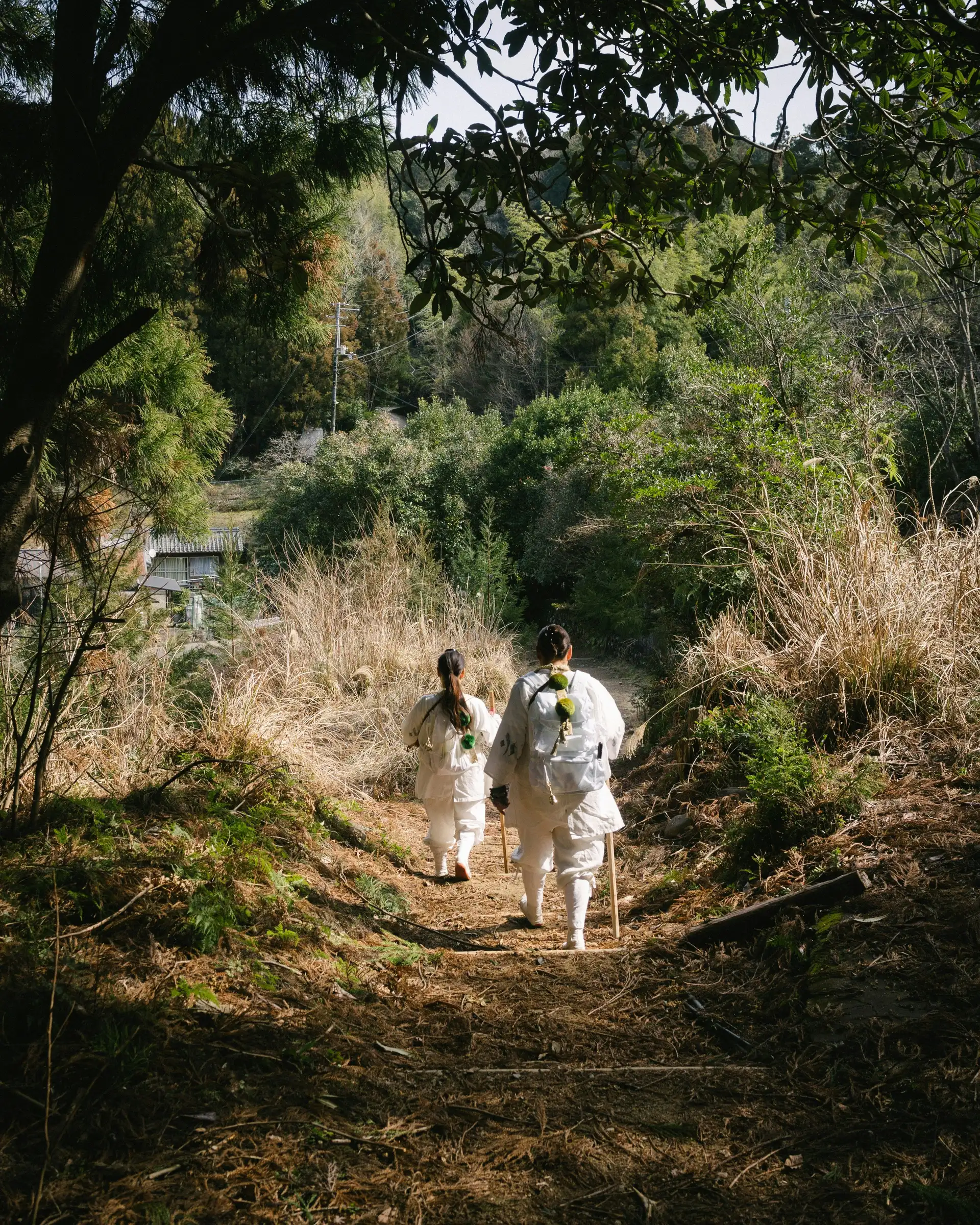
The Kumano Kodo is a network of pilgrimage routes on the Kii Peninsula, registered as UNESCO World Heritage in July 2004. The Nakahechi, the route most first-timers choose, runs about 70 km (43 miles) from Takijiri-oji and takes four walking days, or five with a rest day.
| Where | Kii Peninsula, mostly Wakayama Prefecture (the Iseji route is in Mie) |
| UNESCO listing | July 2004 |
| Main route for first-timers | Nakahechi |
| Length | About 70 km (43 miles) |
| Days | 4 walking days, 5 with a rest day |
| Best seasons | Spring and autumn |
Walking is the point here. The Nakahechi is the most popular route of the network and was historically used by pilgrims coming from Kyoto. It crosses forests, rural villages and mountain paths on its way to the Kumano shrines, and it lets you choose a few stages or the whole length, depending on your level. If the Kumano Kodo is one stop in a bigger trip, our Japan travel guide shows where it fits.
The Kumano Kodo is not one path but a set of historic routes: the Nakahechi, the Kohechi, the Ohechi and the Iseji. The Nakahechi is the simplest to organise, with stage villages, lodging and public transport already in place.
The Kohechi, which links Koyasan to Kumano, is a different proposition. It crosses several passes above 1,000 metres, and some northern sections are isolated with few services, so it suits experienced walkers. The Ohechi and the Iseji are the other two routes; the Iseji is the one that lies in Mie Prefecture. The official Kumano tourism site describes all four.
Every route leads to the three grand shrines of Kumano, the Kumano Sanzan: Kumano Hongu Taisha, Kumano Nachi Taisha and Kumano Hayatama Taisha. The whole area is part of the UNESCO World Heritage listing for the sacred sites and pilgrimage routes of the Kii Mountain Range.
Tip: pick a route by effort, not by kilometres. Elevation gain, steep steps, weather and the weight of your pack can make a short day harder than it looks on a map.
The Nakahechi is about 70 km (43 miles) long according to the official tourism site. Walked from Takijiri-oji to Nachi, it breaks into four walking days of 16, 25, 13 and 14.5 km. Add a rest day at Hongu and you have five days, which is the pace to aim for on a first visit. Strung-together long days turn the walk into a race against the clock; a rest day keeps it a pilgrimage.
The tourism office in Tanabe lists sample trips from 3 days and 2 nights up to 6 days and 5 nights, so the range is wide. Shorter plans skip stages or use local transport; longer ones add rest days and onsen stops. For a first discovery, 4 to 5 days leaves time to enjoy the villages, the traditional lodging and the hot springs without hurrying.
Nakahechi trail stages (Takijiri-oji to Nachi)
| Stage | Distance | Walking time | Climb / descent |
|---|---|---|---|
| Takijiri-oji to Chikatsuyu | 16 km (10 mi) | About 6 hours | n/a |
| Chikatsuyu to Kumano Hongu Taisha | 25 km (16 mi) | About 9.5 hours | 1,210 m up, 1,470 m down |
| Kumano Hongu Taisha to Koguchi | 13 km (8 mi) | About 5 hours 30 | n/a |
| Koguchi to Kumano Nachi Taisha | 14.5 km (9 mi) | 7 to 8 hours | n/a |
The stage figures come from the tourism office and a walker's report from a May 2025 visit, and they add up to 68.5 km, in line with the official 70. Treat the times as walking time only and add stops for lunch and the shrines along the way.
Not sure which stages suit your fitness? Our local experts in Japan can shape the route around your pace.
Takijiri-oji is the classic starting point, and the path climbs into the forest almost at once. The stage to Chikatsuyu is about 16 km (10 miles) and 6 hours of walking. It ends in a village in the peninsula's interior. Buses from Tanabe to the trailhead are limited, so check the timetable the day before.
Start early. In summer, heat and humidity make the morning the most comfortable time to walk. Sleep in the Chikatsuyu area rather than pushing on. Lodging is spread across the villages, so availability has to shape your plan.
This is the long day: 25 km (16 miles), around 9.5 hours, with 1,210 m of climbing and 1,470 m of descent. The trail alternates forest, paved stretches and more open paths on its way to Kumano Hongu Taisha, one of the three grand shrines.
You can shorten it. Hosshinmon-oji, an oji shrine on the route, is about 7 km (4 miles) from Hongu, a walk of 2 to 3 hours that works as a half-day hike. Walkers who want to see the shrine without a full trek often start there.
Plan lunch before you leave. Services are limited on parts of the trail, so carry enough water and food for the day.
The extension to Nachi passes through the Kogumotori-goe and Ogumotori-goe sections. It takes two days. Hongu to Koguchi is 13 km (8 miles), about 5 hours 30. Koguchi to Nachi is 14.5 km (9 miles), 7 to 8 hours.
Both stages ask for good fitness. If you'd rather not walk them back to back, they can be split into day hikes using local transport. Spend a rest day in Hongu first so the Nachi stages start from a rested body, not a tired one.
Walking is only part of the pilgrimage. The rest is the shrines, the villages and the hot springs, and a good itinerary alternates between effort and recovery.
Kumano Hongu Taisha sits in the Hongu area and makes a natural pause after several days on foot. Spend a night in one of the neighbouring hot-spring villages: Yunomine, Kawayu or Wataze. Set aside half a day to a full day here if you want to walk, visit the shrine and soak without watching the clock. If you have tattoos, our guide to tattoo-friendly onsen explains the etiquette.
Near the end of the route, the Daimon-zaka section close to Nachi gives a clear taste of the old pilgrim path. The third grand shrine, Kumano Hayatama Taisha, completes the Kumano Sanzan. For context on how Japanese shrines and temples work before you go, see our guide to Japanese temples and shrines.
What sets the Kumano Kodo apart is that the walking is part of the pilgrimage. Temples, shrines, small villages and forest are met gradually, stage by stage, and you don't need to walk the whole Nakahechi to feel it. A day between Hosshinmon-oji and Hongu, a stage around Hongu or the Daimon-zaka alone already gives a good sense of it. If the cultural and spiritual side is what draws you, a few well-chosen hikes may be enough. For a more immersive trip, several days of walking let you settle into the rhythm of the pilgrimage.
Tip: keep at least half a day free of hiking. The shrines, an onsen and the local cuisine deserve unhurried time too.
The Nakahechi is the easiest Kumano Kodo route to organise, but it isn't easy walking. The 25 km day to Hongu is long, and the climb and descent figures above are real. You don't need to be an expert hiker, though you should be properly fit and comfortable on uneven ground for six to nine hours.
Spring and autumn are the best seasons for walking. Summer is hot, humid and rainy, and winter takes more preparation. January is the coldest month, with temperatures of 3 to 7 C (37 to 45 F) according to the Wakayama tourism board. The region is mountainous and rain can be heavy, so expect wet conditions even when the forecast looks good.
What to pack:
A multi-day walk here needs more planning than a day hike. Lodging sits in small villages, and what is available often decides the order of your stages.
Book lodging first, then build the walking days around it, never the other way round. Plan roughly one night per stage. Check bus timetables before each walk, because rural services run far less often than in Japan's big cities. Hongu is about 1 hour 15 minutes from Kii-Tanabe by Ryujin Bus, according to Japan's national tourism organisation.
Cost is the question many walkers ask first. It depends mostly on where you sleep and how many transfers you need. With few villages and few beds, the choice of lodging shapes both the price and the route.
Ahead of the walk, it helps to know that transport is the weak link in rural Wakayama, which is one more reason to fix your lodging and bus times early. The trail also fits a longer trip: a few days in Kyoto or Osaka before, then onward to the cities or other parts of the Kii Peninsula. Our 3-week Japan itinerary shows one way to combine it.
Tell us your dates and how much you want to walk, and we'll build the Kumano Kodo into your Japan trip. Create your trip.
Yes, if your family is used to walking. Pick the stages carefully: some paths involve stairs, climbs and long descents that tire small legs. Favour short sections, check transport and lodging in advance, and keep each day flexible so you can stop early when anyone is tired.
Yes. Independent walking works if you prepare your route and gather information on trails and transport first. A guide adds context on the pilgrimage's history, the shrines and local traditions. The Kumano tourism site lists local guides, and the northern Kohechi is the section where its page asks walkers to be especially well prepared.
Yes. The daily shuttle is booked through Kumano Travel, and only for lodging also booked there, at least 20 days ahead. Pick-up times are fixed at booking. Put everything inside the bag and keep the delivery tags on. Without that, bags can be sent next day by Yamato or Japan Post. See the official luggage page.
From 2900 €
From 3390 €
From 3300 €
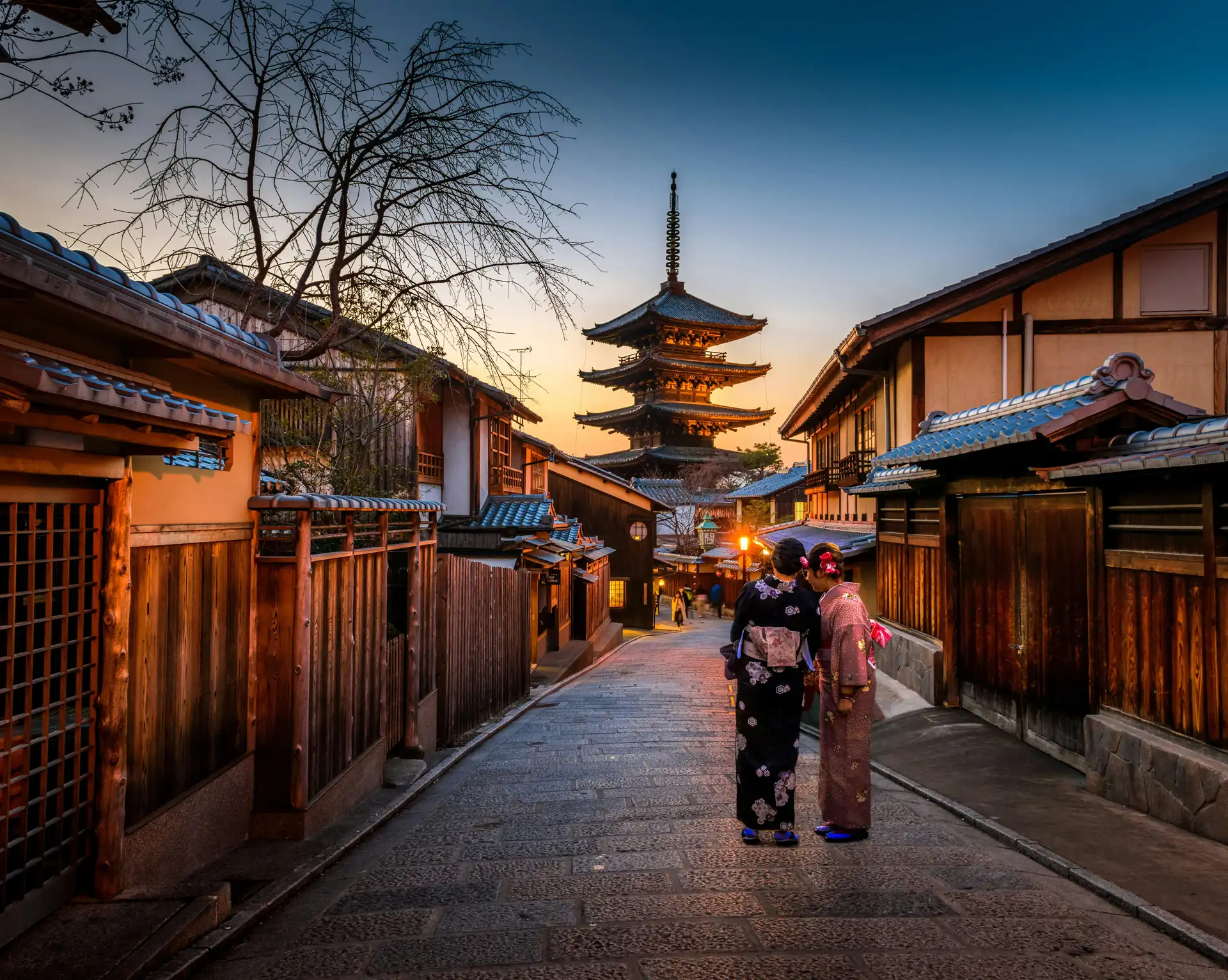
Solo travel Japan is straightforward to do independently: trains link the big cities, English signs and translation apps cover the basics, and counter restaurants suit a single diner. Ten days is enough for Tokyo, Kyoto and Osaka. Plan on about 8,000 to 15,000 yen a day with a dorm bed, and book hotels well ahead.

In the teamLab Borderless vs Planets choice, pick Planets for water rooms, play and families, and Borderless for a calmer, photogenic walk through one connected world. Planets costs ¥3,800 for adults and Borderless ¥3,400 (as of 2026), and Borderless is far easier to reach. If you have time, do both.
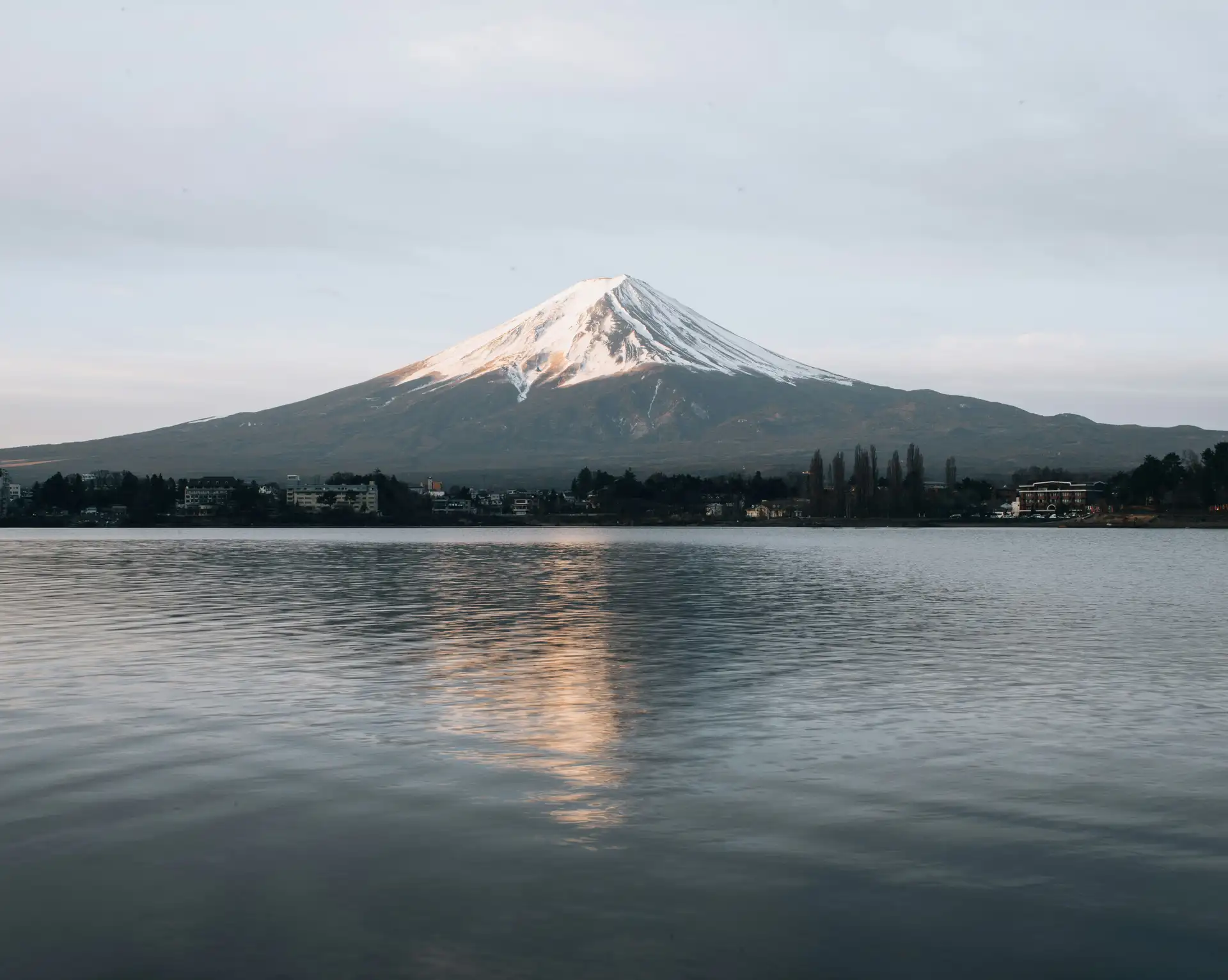
Mount Fuji stands at 3,776 metres, making it the highest peak in Japan. Every year, hundreds of thousands of people climb it, but many arrive unprepared. This guide is for those who want to make the most of the experience: choosing the right Mount Fuji climbing route, preparing for changing weather conditions, discovering the best photography spots, and returning safely after an unforgettable adventure.
Subscribe and receive our travel inspirations and practical advice twice a month.

Wanting to share your trip with a group?