Your expert on destination Japan
Solo travel Japan is straightforward to do independently: trains link the big cities, English signs and translation apps cover the basics, and counter restaurants suit a single diner. Ten days is enough for Tokyo, Kyoto and Osaka. Plan on about 8,000 to 15,000 yen a day with a dorm bed, and book hotels well ahead.
A first solo trip to Japan works well in 10 days: four in Tokyo, four in Kyoto and two in Osaka. Budget about 8,000 to 15,000 yen a day with a dorm bed, or 12,000 to 21,000 yen with a simple hotel, flights excluded (as of October 2026).
| Question | Short answer |
|---|---|
| Trip length | 10 days for Tokyo, Kyoto and Osaka; two weeks lets you add a stop |
| Number of cities | 3 or 4 on a first trip |
| Daily budget | 8,000 to 15,000 yen (about $53 to $100) with a dorm bed |
| 7-day Japan Rail Pass | 53,000 yen for adults from 1 October 2026 |
| Hotel lead time | Book 6 to 9 months ahead |
| Language | English signs and translation apps cover big cities and main sites |
Yes. Independent travel works without speaking Japanese in the big cities and at the main sights, because English signage and translation apps smooth over most situations: ordering, reading a platform board, finding a ticket machine. Trains connect Tokyo, Kyoto and Osaka, so you can move on whenever a place has given you what you came for.
Rural areas are a different story. Communication gets harder away from the main routes, so learn a few simple phrases and keep your hotel's address saved in Japanese. You can show it to a taxi driver or a station attendant when words fail.
Your choice of bed shapes the trip more than you might expect. Hostels are the easiest way to talk with other travellers, and the staff and other guests are a good source of tips on getting around. Compact hotels and single rooms suit you better if you want privacy at the end of a day of sightseeing. Plenty of people mix the two. If you want ideas beyond Japan, our page on solo trips in Asia covers other destinations.
Not sure how many stops fit your dates? Our Japan experts can sketch a route around your pace.
If you're weighing up Japan solo female travel safety, the practical answer comes down to preparation rather than a long list of rules. These solo female travel tips for Japan apply to any solo traveller, and they make evenings easier.
For official guidance on specific situations, read our Japan safety guide before you book.
The best solo travel Japan itinerary is the one with fewer stops. Three or four cities let you see several sides of the country and still leave time for sightseeing and a day trip. Group your visits by neighbourhood instead of crossing the same city several times, and don't schedule too many major sights in one day: getting around takes longer than expected.
Start each day with the sight that is best early, then give the afternoon to a neighbourhood, a museum or a slow walk. That rhythm leaves room to change plans when it rains or when you're tired.
With 15 days, add Kanazawa, Takayama or Hiroshima, depending on your interests. Give the new stop three to five days, which limits hotel changes, and keep one spare day for an excursion where you don't carry your luggage. Osaka stays a short finale.
In rural regions, check train and bus timetables before you leave, because connections run less often than in the cities. The same goes for any day trip from Tokyo or Kyoto: check the total journey time and the last train or bus back, and leave a margin so you don't end the day in a rush.
Travelling alone means you can't split a room or a taxi, but public transport and everyday restaurants keep spending under control. Accommodation, meals, transport and sightseeing make up nearly all of it.
| Item | Yen | USD (about) |
|---|---|---|
| Dorm bed per night | 3,000 to 6,000 | 20 to 40 |
| Simple hotel per night | 7,000 to 12,000 | 47 to 80 |
| Daily budget, dorm bed | 8,000 to 15,000 | 53 to 100 |
| Daily budget, simple hotel | 12,000 to 21,000 | 80 to 140 |
Daily budgets exclude flights and long-distance rail. Dollar amounts use a round rate of 150 yen per dollar, as of October 2026. The maths is simple: a dorm-based day of 8,000 to 15,000 yen already contains the bed, so meals, local transport and sightseeing come to 5,000 to 9,000 yen. Swap in a 7,000 to 12,000 yen hotel and the day becomes 12,000 to 21,000 yen.
Meals are where you can save most easily. Konbini (convenience stores), small canteens, ramen counters and neighbourhood restaurants are cheap, while fine dining and special culinary experiences push the total up. Split your plan into four lines (accommodation, meals, transport, sightseeing) and add a margin for shopping and the unexpected.
The 7-day Japan Rail Pass for adults costs 53,000 yen from 1 October 2026, up from 50,000 yen, according to the Japan National Tourism Organization. Compare it with the individual tickets on your route first, because the national pass is very rarely the cheapest option.
On a Tokyo, Kyoto and Osaka route, price the separate Shinkansen tickets before buying anything. Regional passes are often a better fit, and they are worth a look if you add a fourth stop. Our experts compare the national pass with regional passes and single tickets for your exact route, so you pay for what you use.
The Japanese rail network makes independent travel much easier. For long distances, the Shinkansen reaches the major destinations quickly, and regional trains serve the smaller towns. Tokyo, Kyoto and Osaka also have metro, urban train and bus networks, so you won't need a car.
In cities, a rechargeable transport card (an IC card) saves you buying a ticket for every ride. Navigation apps are useful for checking timetables, platforms and connections. Give yourself extra time for transfers: some stations are huge, and the walk between two platforms can take several minutes.
A car isn't necessary for Tokyo, Kyoto and Osaka. It can pay off in certain rural regions or areas with poor public transport. If you go that way, check the conditions that apply to your licence and the documents you need before departure.
Eating alone is easier than you might fear. Restaurants where you sit at a counter are built for one diner, and ramen shops and some izakaya let you have dinner without booking a table for several people. Walk in, sit down, order. For the small rules of the table, read our notes on dining etiquette in Japan.
For sleeping, the trade-off is company against privacy. Hostels with dorms are the cheapest beds and the quickest way to meet other travellers. Compact hotels cost more but give you a door that closes. Wherever you stay, near a station is the better bet: it saves you walking with luggage and makes evening returns simple.
If meeting people matters, choose a hostel for the first nights, when you still have questions about trains and neighbourhoods, and book a private room later in the trip if you want to recover.
Book your hotels 6 to 9 months ahead. Between spring and autumn availability disappears fast, and last-minute rooms cost noticeably more. Book flights, hotel nights and any passes first. Some popular experiences also need a reservation. Keep flexibility for a night or two, not for the whole trip.
Entry rules depend on your passport, so check the official Japanese government entry rules for your nationality before you book anything.
Travel insurance isn't mandatory, but it's strongly recommended. Hospital costs can climb quickly, and Japan is prone to earthquakes, typhoons, tsunamis and volcanic eruptions on top of ordinary mishaps.
For connectivity, an eSIM, a local SIM or another mobile data option gives you maps, timetables and translation apps. Download the essentials before you leave, including your itinerary and accommodation addresses, in case the signal drops.
Spring and autumn have pleasant temperatures but some periods are very busy. Summer is hot and humid, and winter is colder depending on the region. If you plan to cross several regions, check the weather for each before you fix your route.
An agency that specialises in tailor-made trips is most useful when you combine several regions and still want free time. The point is a route that fits your pace, not more stops.
Tell us your dates, interests and how much company you want, and a local expert will build a solo itinerary with free time kept in. Start your Japan request.
Buy one at the ticket machines or counters of a railway company such as JR East's Suica or JR West's Icoca. A regular card carries a refundable 500 yen deposit, and you can top up at stations or many convenience stores. Refunds only happen at the issuing company, and most deduct a 220 yen fee, so a Tokyo card can't be refunded in Osaka (Japan-Guide, July 2026).
Yes, with the courier service called takkyubin. Your hotel usually arranges it, and the receiving hotel needs a staffed front desk. Delivery is typically the next day, and a standard suitcase costs roughly 1,300 to 2,400 yen. You can send it up to a week before check-in. Email the hotel your arrival date so it expects the bag (The Tokyo Chapter, August 2026).
On most lines it is optional, since trains have reserved and non-reserved cars, and they rarely sell out more than a few hours ahead except on peak days. Reservations open one month before travel at 10:00am and cost a few hundred yen. Bags over 160 cm in total dimensions need a reserved seat on the Tokaido and Sanyo lines (Japan-Guide, February 2025).
From 2900 €
From 3390 €
From 3300 €

In the teamLab Borderless vs Planets choice, pick Planets for water rooms, play and families, and Borderless for a calmer, photogenic walk through one connected world. Planets costs ¥3,800 for adults and Borderless ¥3,400 (as of 2026), and Borderless is far easier to reach. If you have time, do both.
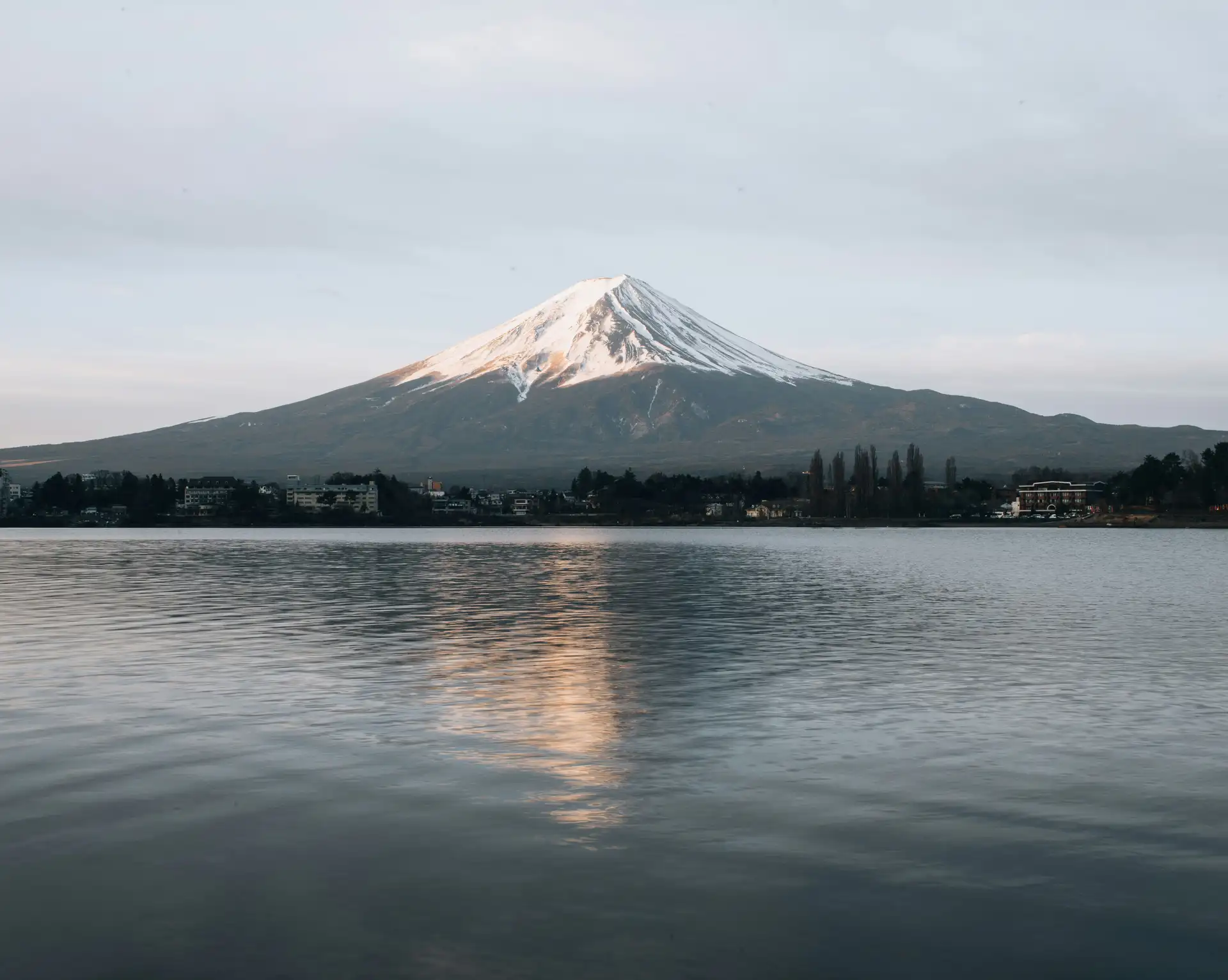
Mount Fuji stands at 3,776 metres, making it the highest peak in Japan. Every year, hundreds of thousands of people climb it, but many arrive unprepared. This guide is for those who want to make the most of the experience: choosing the right Mount Fuji climbing route, preparing for changing weather conditions, discovering the best photography spots, and returning safely after an unforgettable adventure.
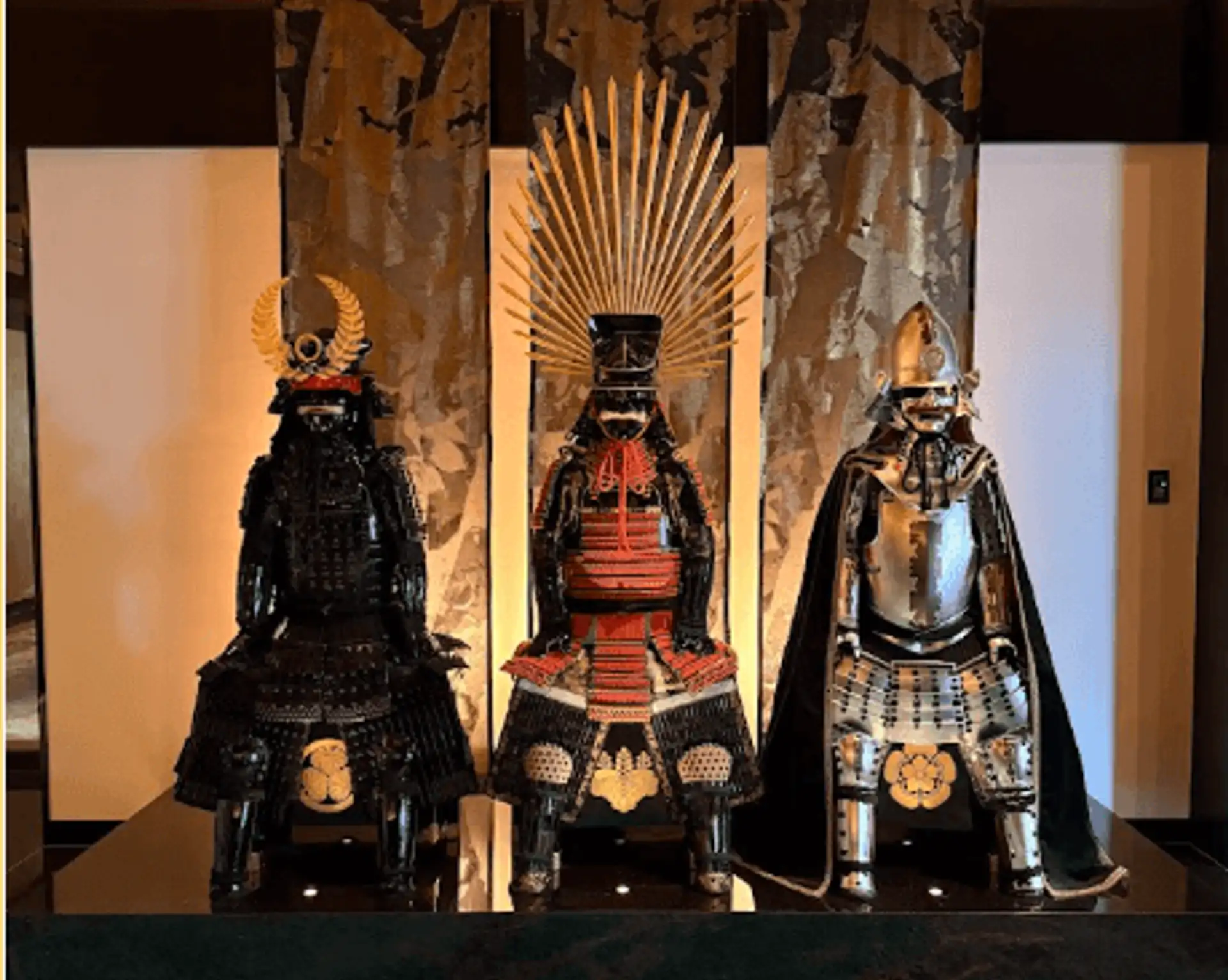
Nagoya is one of those cities that many travellers simply pass through only to realise later that they should have stayed longer. As the capital of Aichi Prefecture, it perfectly blends modern innovation and industrial heritage while remaining deeply rooted in its local traditions and identity.
Subscribe and receive our travel inspirations and practical advice twice a month.
Wanting to share your trip with a group?