Your expert on destination Japan
In the teamLab Borderless vs Planets choice, pick Planets for water rooms, play and families, and Borderless for a calmer, photogenic walk through one connected world. Planets costs ¥3,800 for adults and Borderless ¥3,400 (as of 2026), and Borderless is far easier to reach. If you have time, do both.
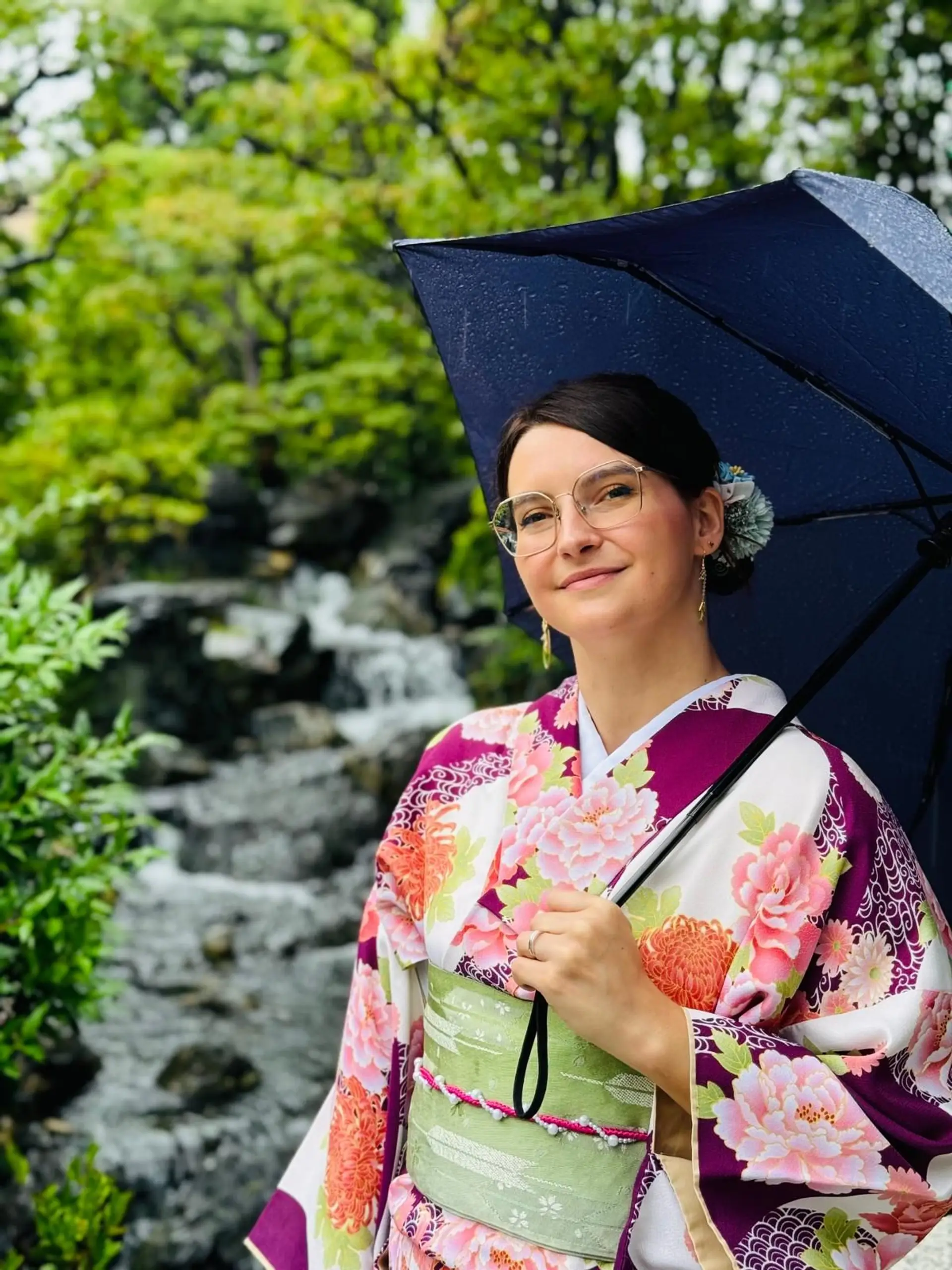
"I find teamLab Planets better suited to families and children," says our Japan expert Mégane. Borderless is the quieter, more contemplative of the two. Both are in Tokyo, and they don't repeat each other.
Short answer: choose Planets if you want to wade barefoot through water, touch things and play, especially with kids. Choose Borderless if you want to wander slowly through rooms that flow into one another, and take photos. With only one free afternoon, let the people in your group decide, not the ticket price.
| teamLab Borderless | teamLab Planets | |
|---|---|---|
| Location | Azabudai Hills, near Roppongi | Toyosu, near Odaiba |
| Atmosphere | Calm, contemplative, one connected world | Playful, interactive, separate installations |
| Best for | Couples, photographers, a slower visit | Families, kids, a hands-on visit |
| Adult ticket | ¥3,400 (about $23) | ¥3,800 (about $25) |
| Time needed | 2 to 3 hours | 2 to 4 hours |
| Barefoot and water | Shoes stay on | Barefoot, with water rooms |
| Floors | Flat and hard, fully accessible | Water and mirrored floors |
| Closing | Open | Scheduled to close at the end of 2027 |
Both belong to the same art collective, so the light, sound and digital flowers feel related. The way you move through them does not.
At Planets you walk barefoot through water and mirrored rooms, and the installations are separate from one another. Many are interactive: drawings come to life, and you climb, jump and slide. Something is always asking you to do something, which is why it works so well for children. Only Planets has the water rooms, so this is where you roll up your trousers.
Is it worth it? For most visitors, yes, and it's the one that sticks in kids' memory. Planets is scheduled to close at the end of 2027, according to travel blogs, after an earlier closing date was pushed back, so don't leave it for a later trip.
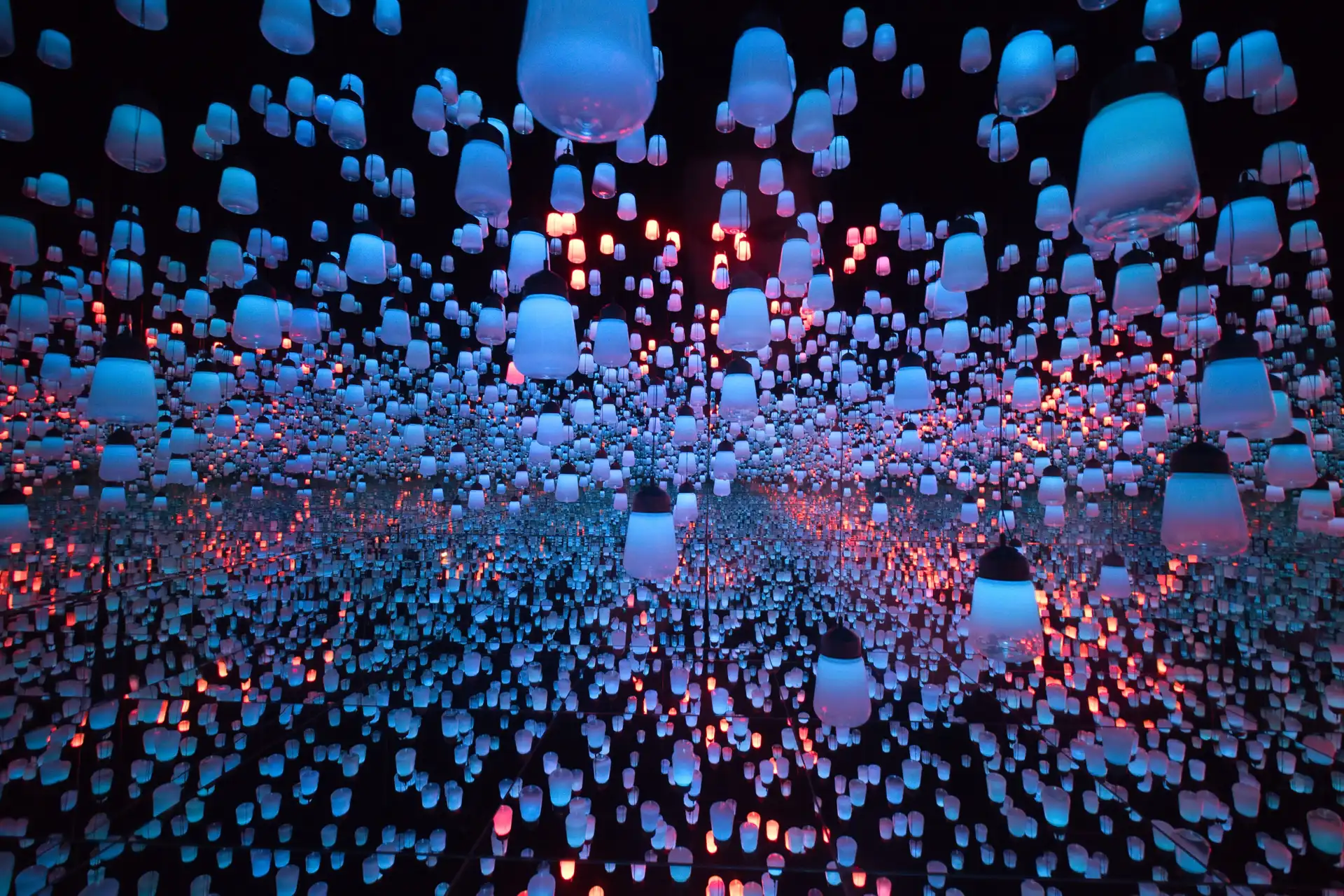
Borderless is the calmer sibling. You take time to look at each room, each play of light, each change in the space. It's also built differently: you enter the teamLab universe and there's no real break until the end. Where Planets separates its installations, Borderless feels like crossing one world that keeps shifting.
It moved to Azabudai Hills in February 2024. The floors are flat and hard, and the museum is fully accessible, which makes it the easier pick with a stroller or a wheelchair.
Borderless is the clear winner here. It sits in Azabudai Hills, a two-minute walk from Exit 5 of Kamiyacho Station on the Hibiya Line. Restaurants, shops and museums are close by, so it slots neatly into a day of sightseeing around Roppongi.
Planets is in the Toyosu district, near Odaiba. The trip is still simple, but it generally takes more transfers, by monorail or metro depending on where you start. That's a small extra cost in time and money. If you're working out how the pieces of a Tokyo day fit together, our notes on planning a trip to Japan show how our experts group neighbourhoods so you cross the city once, not three times.
Allow 2 to 4 hours at Planets and 2 to 3 hours at Borderless. Is 2 hours enough for Borderless? Yes, if you move at a steady pace, but it's easy to stretch to 3 when a room catches you.
Tickets are timed, yet you should still allow about 30 extra minutes at Planets for the entry process, even with a booked slot. Borderless is open from 9:00 to 21:00, with last admission at 20:00. Planets hours change by day, typically opening at 9:00 or 10:00 and closing at 20:00 or 21:00. Check the live calendar on the official teamLab Planets site before you pick a date.
Go early or late in the day if you can. Midday slots and weekends are the busiest, and the rooms are much more enjoyable with room to move.
Both museums sell timed tickets, so book ahead for the day and slot you want.
| Ticket | teamLab Borderless | teamLab Planets |
|---|---|---|
| Adult | ¥3,400 (about $23) | ¥3,800 (about $25) |
| Teen, 13 to 17 | Reduced rate | ¥2,800 (about $19) |
| Child, 4 to 12 | Reduced rate | ¥1,500 (about $10) |
| Under 3 | Free | Free |
Prices are standard rates as of 2026. Some days cost more, and ticket resellers sometimes list Planets at up to ¥5,000, so check the date you want. Buying teamLab Borderless tickets or teamLab Planets tickets through the official sites or a trusted agent keeps you on the base rate.
Kids: Planets. The installations are made to be touched and played with, so children rarely get bored, and the water rooms turn a museum visit into a game. Borderless works for older children who enjoy looking and photographing, but small ones tend to want more to do.
Couples and photography: Borderless. The rooms flow into each other, the lighting is soft and there's space to stop, look and frame a shot. It rewards a slow pace.
First-timers with one slot: go by priority. Travelling with young children or want something physical? Planets. Want the calmer, more atmospheric hour? Borderless.
Travelling with children? Our Japan experts can order the days so the teamLab visit lands when energy is high. For a wider plan, our guide to a first family trip to Japan covers pacing and what to book first.
For Planets, wear clothes that roll easily above the knees, since you'll be walking through water. The floors are mirrored, so choose trousers, or shorts under a dress. Shoes come off at the entrance.
Free lockers at the entrance take your bags, shoes and bulky items. Planets rooms are entered barefoot with nothing but your phone, which keeps the experience immersive and your things dry. Borderless has no water, and shoes stay on.
The two are complementary, and you never see the same room twice. As Mégane puts it, there isn't really a right or wrong answer: the real question is what you're looking for, a more contemplative and photogenic visit with Borderless, or something more interactive and playful with Planets. Book them on different days so neither feels rushed.
For food, Azabudai Hills and Roppongi have a wide choice of local restaurants near Borderless. Near Planets, the Toyosu area has options such as vegetarian ramen right on site. Our Japan travel guide lists dishes worth trying across the country.
Our Japan experts can book your teamLab tickets and fit them into a tailor-made Tokyo itinerary. Tell us about your trip.
Yes, from 20 people. Fill in the group form on the official Planets site, then the management office emails the terms and an invoice. Pay by Japanese bank transfer or credit card, since overseas remittances are not accepted, and the group ticket link arrives by email within five business days. Up to 100 guests can enter per 30-minute slot. Groups under 20 use the regular ticket page.
Tickets cannot be cancelled or refunded once bought. If you bought on the official ticket store, you can change the date and time up to 3 times, as late as 2 hours before your entry time for an Entrance Pass. Tickets bought through travel agencies or convenience stores must be changed through those sellers.
From 2900 €
From 3390 €
From 3300 €
Solo travel Japan is straightforward to do independently: trains link the big cities, English signs and translation apps cover the basics, and counter restaurants suit a single diner. Ten days is enough for Tokyo, Kyoto and Osaka. Plan on about 8,000 to 15,000 yen a day with a dorm bed, and book hotels well ahead.
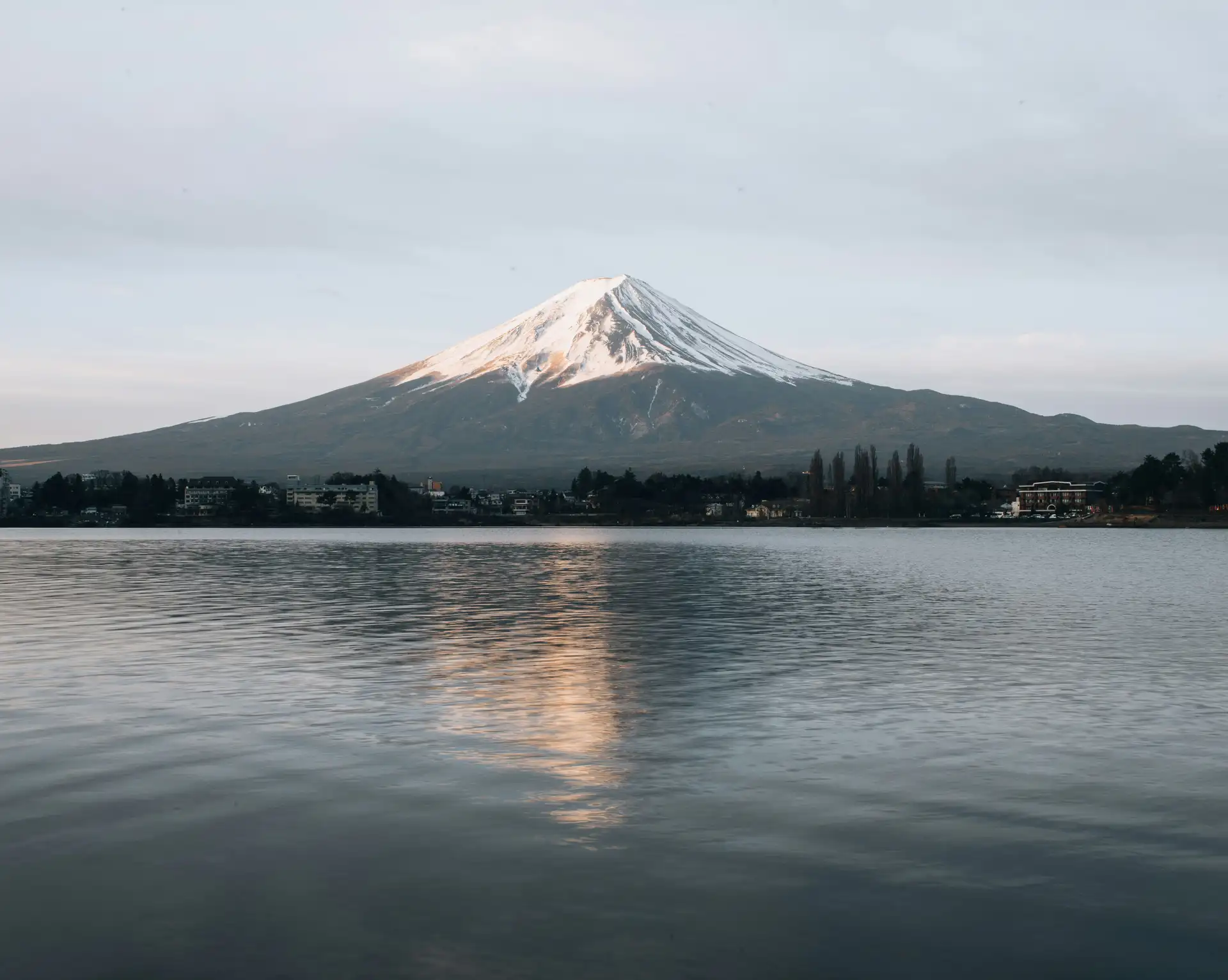
Mount Fuji stands at 3,776 metres, making it the highest peak in Japan. Every year, hundreds of thousands of people climb it, but many arrive unprepared. This guide is for those who want to make the most of the experience: choosing the right Mount Fuji climbing route, preparing for changing weather conditions, discovering the best photography spots, and returning safely after an unforgettable adventure.
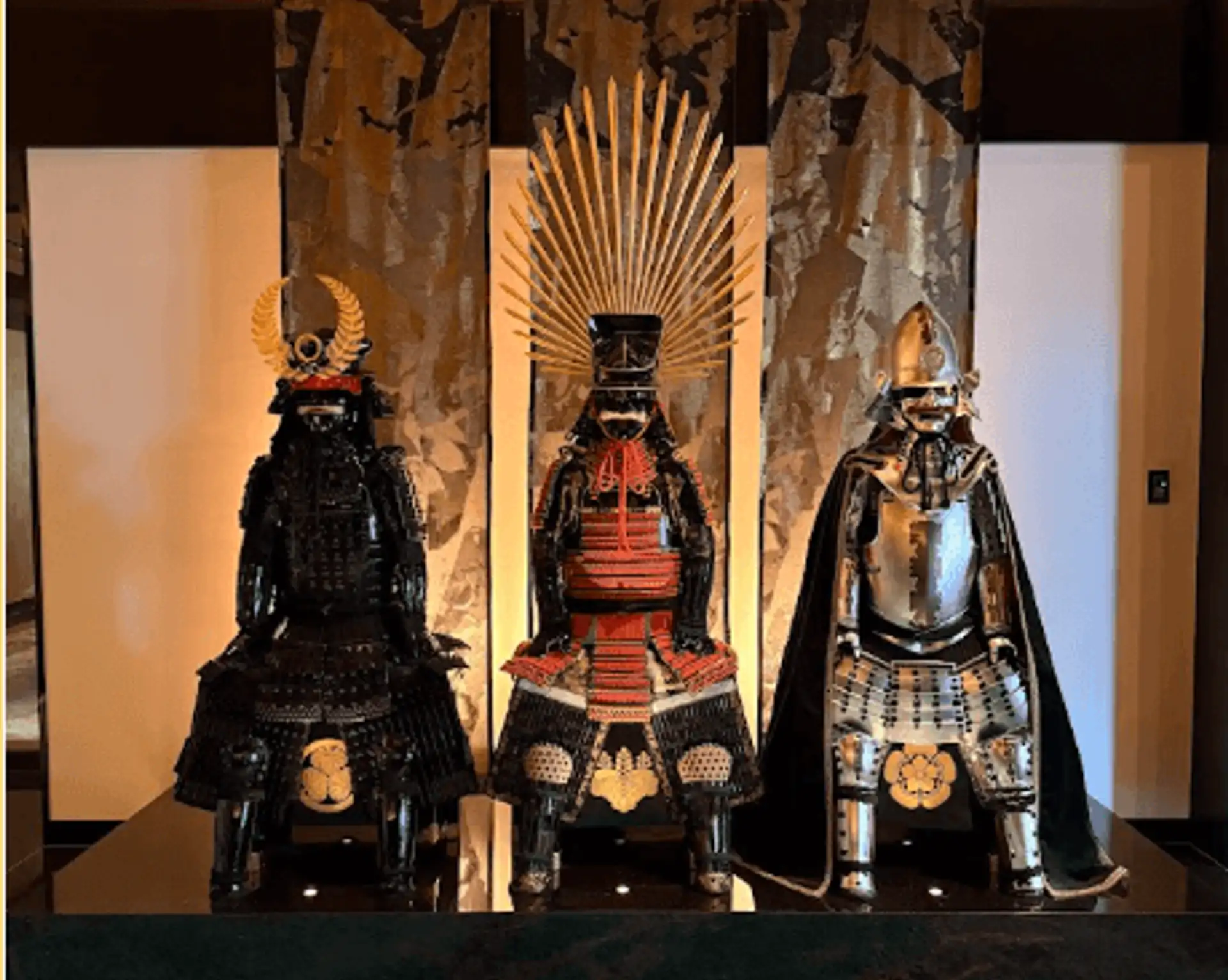
Nagoya is one of those cities that many travellers simply pass through only to realise later that they should have stayed longer. As the capital of Aichi Prefecture, it perfectly blends modern innovation and industrial heritage while remaining deeply rooted in its local traditions and identity.
Subscribe and receive our travel inspirations and practical advice twice a month.

Wanting to share your trip with a group?