Things to do in Uluwatu at a glance
Uluwatu sits on the southern tip of the Bukit peninsula in Bali, on cliffs that drop straight into the Indian Ocean. It's known for its sea temple, its surf beaches and its sunsets, and most of what's worth doing here is spread along that one stretch of coast.
| Activity | Best time | Cost or effort |
|---|
| Uluwatu Temple | Late afternoon | IDR 60,000 for adults |
| Kecak dance | Sunset | IDR 60,000 to 150,000 per adult |
| Padang Padang Beach | Morning | Depends on the tide |
| Nyang Nyang Beach | Early | Several hundred steps down |
| Surfing | May to September | Experienced surfers at the main break |
| Beach clubs | Late afternoon | Pay for drinks and loungers |
Not sure how to fit Uluwatu around the rest of Bali? Our local experts can shape it into your trip.
Uluwatu Temple and the Kecak dance
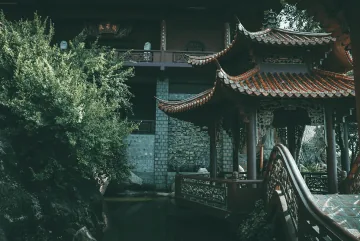
Pura Luhur Uluwatu is the reason most visitors come, and it earns it. The temple is one of the nine directional temples of Bali, built right on the edge of a cliff about 70 m high. Below the walls, the swell breaks on black rock a long way down.
Visiting Uluwatu Temple
Uluwatu Temple costs IDR 60,000 for adults and IDR 40,000 for children as of August 2026, and the gates are open from 07:00 to 19:00. Older guides quote IDR 150,000, but that was a combined temple and dance ticket, so don't be put off by it.
Go around 5 pm. The light turns gold on the cliff, the day-tour crowds have started to thin, and you can walk the clifftop path before the evening performance begins.
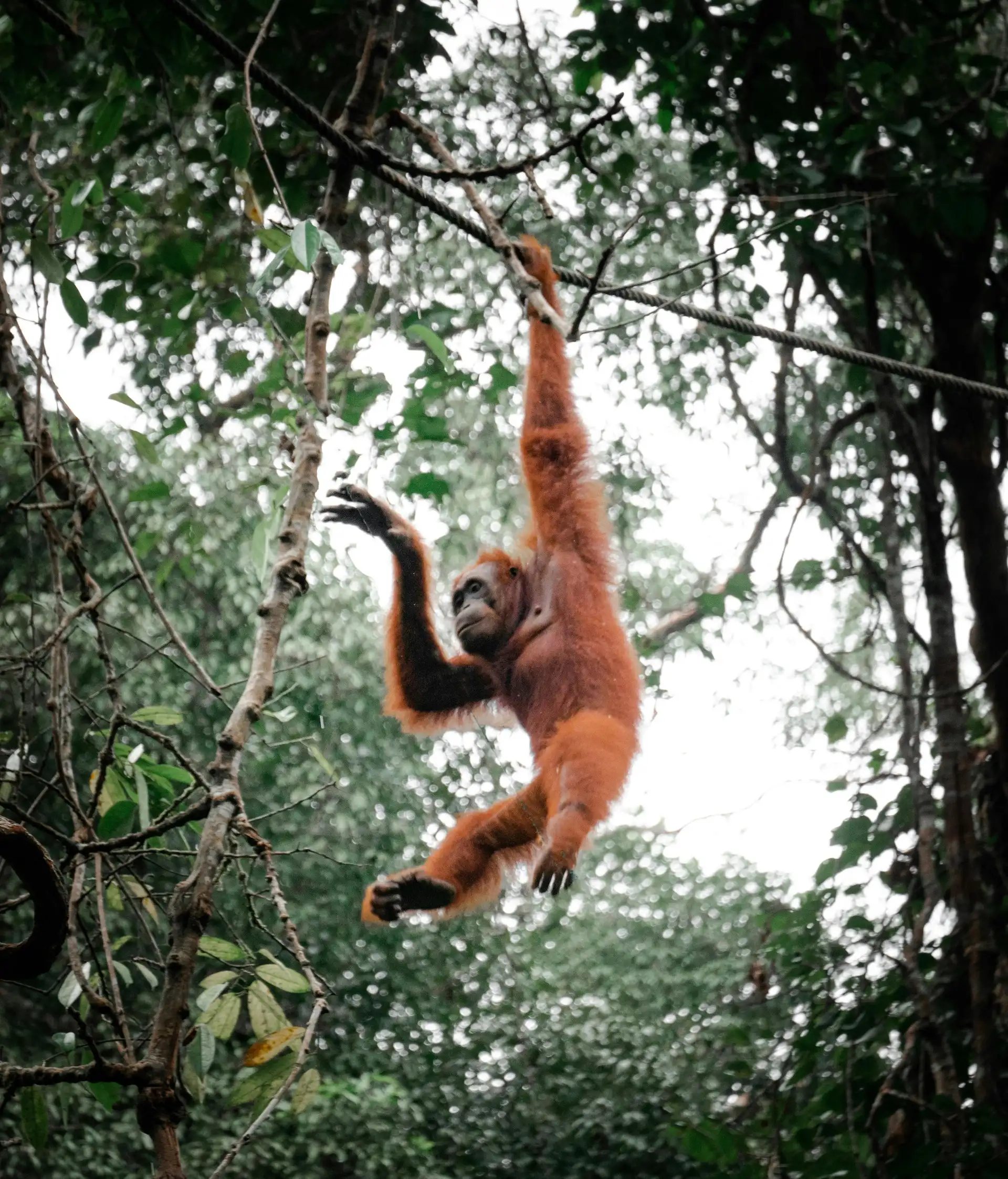
One warning before you go in. The grounds are home to colonies of macaques, and they're quick. Sunglasses, hats and phones are their favourite targets, so put away anything that isn't attached to you and keep your distance. Read up on the animals of Bali before you meet them.
Uluwatu Kecak dance: tickets and times
The Uluwatu Kecak dance is a chanted retelling of an episode of the Ramayana, held at sunset in an amphitheatre open to the sea. There's no orchestra. A choir of bare-chested men chants "cak, cak, cak" in interlocking rhythms while the story is acted out in front of them, and the sky changes colour behind.
Tickets run from IDR 60,000 to 150,000 per adult, depending on where you buy. The lowest listing prices a child at IDR 40,000. Listings show two sessions of about an hour, one around 18:00 and one around 19:15, so confirm the time on the day. In high season, book online to skip the queue and secure a seat.
The hidden beaches of the Bukit
The Bukit peninsula has some of the most beautiful beaches in Bali, and many are reached by stairs cut into the rock itself. Four are worth the walk.
Padang Padang Beach
Padang Padang is the best known, thanks to the film Eat Pray Love. It's a white-sand cove wedged between two rock walls, and it's at its best in the morning before the crowds arrive.
Check the tide times first. Access can become impassable at high tide, and a beach you can't reach is a wasted morning.
Suluban Beach
Suluban lies just below the surf spot of the same name. You find it through a maze of caves and rocky passages that open onto the sand, with warung perched along the cliffside. The mood is more relaxed than at Padang Padang, with surfers coming and going and the sunset as the main event.
Nyang Nyang Beach
Nyang Nyang takes real effort: several hundred steps down to a nearly deserted stretch of sand. There are no shops and no parasols, so carry your own water and food, and plan lunch somewhere else afterwards. It suits travellers who'll walk in exchange for peace and quiet.
Green Bowl Beach
Green Bowl, at the southern end, has turquoise water and sea caves you can enter at low tide. Getting there means a descent of about 300 steps, and like Padang Padang it depends on the tide, so look at the tide table before you set out.
Surfing in Uluwatu
Uluwatu's waves made the spot world-famous in the 1970s, and surfers still make up much of the crowd. The main spot is a powerful, consistent reef break, which makes it a place for experienced surfers.
Padang Padang and Bingin give more variety. Conditions change from bay to bay, so the surf in one cove can be very different from the next.
The dry season runs from April to October, and the best surf falls inside it, from May to September, when east winds blow offshore and groom the waves. A 2020 guide listed board rental at IDR 50,000 to 100,000, so treat that as an old reference and ask at the shop.
If you're new to surfing, skip the main break. Beginners are better off with the surf schools in the gentler bays nearby, with a local instructor beside them.
Beach clubs and sundowners
In recent years Uluwatu has built a scene of beach clubs along the clifftops, with views that plunge to the ocean. Single Fin is the pioneer, and its terrace is still one of the best places to watch the surfers at the end of the day. Newer venues such as Sundays Beach Club go further, with direct access to a private beach below, plus pools and sun loungers.
There's a neat way to fit a club into a temple day. Spend about two hours at one from 15:00 to 17:00, then drive to the temple for sunset and the Kecak dance. You get the loungers and the view in the heat of the afternoon, and the culture once the light softens.
Mix them with the traditional warung that still line the less developed coves. A grilled fish on a plastic stool in one, a cold drink on a lounger in the other: together they show how fast the area has changed, and how much of the old Bukit is still there. For more evening ideas across the island, see night life in Bali.
Bingin, the village that kept its charm
North of the main cliff, Bingin keeps a more intimate feel than the rest of the Bukit. Bamboo guesthouses cling to the cliffside above a surf beach known for its fast left-hand wave. That wave is for experienced surfers, so beginners should head for a school in the neighbouring bays.
The days here follow a simple loop: sunrise yoga, a long surf session, then a wander from one warung to the next. It also works as a base if you'd rather stay away from the bustle of Padang Padang and the main road.
Where to stay in Uluwatu
Where to stay in Uluwatu depends mostly on budget and how close you want to be to the water. The range is wide.
- Small budgets and surfers: family-run guesthouses in Bingin or Suluban, with direct access to the breaks.
- Views: villas with infinity pools, plentiful on the heights, looking out over the ocean.
- Upscale stays: resorts on the cliff edge, with private access to the sea.
Tell us your dates and budget and a local expert will suggest where to base yourself.
Getting around Uluwatu
Uluwatu is spread along the coast, so you can't walk between the temple, the beaches and the surf spots. A scooter is the most flexible way to reach the secluded coves; a 2020 guide quoted IDR 60,000 to 75,000 a day. The roads are in better shape than a few years ago but still winding and narrow, and lighting gets scarce after sunset, which is when care matters most.
If you'd rather not drive, hire a private driver by the day. One driver can string together several beaches and the temple without any parking or timing stress. From Canggu or Seminyak, allow about 30 to 45 minutes by road.
Two days of things to do in Uluwatu
Two days covers Uluwatu's temple, main beaches, surf and a beach club. The order below keeps the tide-dependent beaches in the morning and the temple at the end of the day.
- Day 1. Start at Padang Padang in the morning, after checking the tide. Have lunch in a warung above Suluban, then spend the afternoon surfing or lazing at Bingin. Reach the temple around 5 pm for sunset, and stay for the Kecak dance.
- Day 2. Walk down to Nyang Nyang early, with your own water and food, and enjoy the calm. Lunch in a Suluban warung afterwards. End the day at a clifftop beach club for a last sundowner facing the ocean.
Uluwatu works best as one stop inside a longer Bali route, and that's where a local expert helps most. Plan your Bali trip with a local expert: send a request and we design the route together.