Your expert on destination Bali
Bali is renowned for its exceptional biodiversity and its wildlife, as varied as it is fascinating. A trip to Bali is an invitation to encounter iconic, rare or surprising animals, found both in the island's protected nature and along its many walks.
True stars of Bali's underwater world, manta rays can be seen year-round around Nusa Penida, just 30 minutes by boat from Bali. The sites of Manta Bay and Manta Point, on the west and south coasts of Nusa Penida, offer excellent visibility, especially during the dry season from May to October.
Majestic creatures, they can reach a wingspan of 3.3 metres and weigh up to 2.3 tonnes. Their underwater ballet can be observed while diving or snorkelling, in generally calm, crystal-clear waters during the dry season.
Practical tips:
Manta Point can get very busy, so plan your outing outside peak hours to enjoy the spectacle in peace.
Bali is a prime spot for observing sea turtles. From May to October, during the dry season, they are particularly active, especially in the morning, in areas such as Amed, off Bali's coast. The Gili Islands, near Bali, allow for sightings year-round.
You can also support their protection by visiting:
For responsible observation:
| Aspect | Details |
|---|---|
| Best time | May to October (dry season), morning preferred; year-round in the Gili Islands |
| Conservation centres | Bali Sea Turtle Society (Kuta), sanctuaries in Nusa Penida and Lombok |
| Tips | Morning, seagrass areas, avoid crowds, observe from a distance |
| Local regulations | Nest protection, no collecting/disturbing eggs, follow NGO instructions |
The Bali starling, or Jalak Bali, is one of the island's rarest and most iconic birds, a living symbol of Balinese biodiversity. This small white bird with black-tipped wings and vivid blue eye markings is critically endangered, with fewer than 50 individuals left in the wild, mostly found in Bali Barat National Park.
Breeding and release programmes exist, notably at protected sites such as Bali Barat, Nusa Penida and Nusa Lembongan. Walking through these parks with local guides, you may catch a glimpse of one. However, never encourage the purchase of wild animals or stray from marked trails in the reserves.
Sacred in Hindu religion, long-tailed macaques are found everywhere: in forests, near temples and even in villages. The famous Ubud Monkey Forest and the less touristy Sangeh Monkey Forest are home to more than 600 free-roaming individuals.
To enjoy watching them safely:
Monkeys are intelligent and cunning, and won't hesitate to trade a stolen item back to you for food!
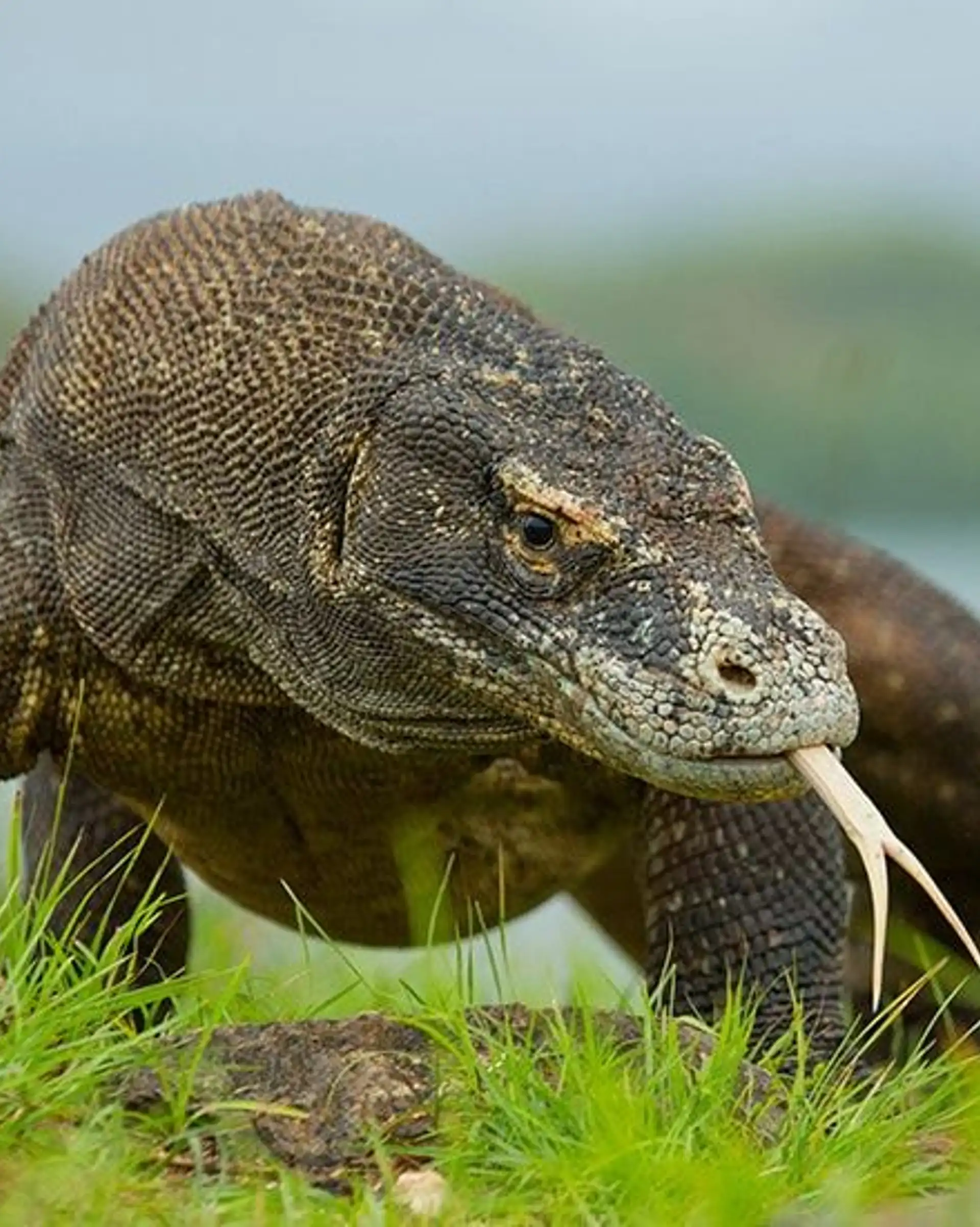
In Bali, you'll come across small geckos everywhere, especially at dusk and at night. Harmless and welcome in homes for their appetite for insects, they are considered good luck by locals, and their distinctive call fills Balinese evenings.
Main species you'll see:
More elusive reptiles also inhabit the island:
Always observe reptiles from a distance, never try to handle them, and enjoy the richness of Balinese wildlife while respecting the peace of these animals.
Bali is a paradise for bird watchers: more than 300 bird species live on the island, most of which can be discovered on hikes through Bali Barat National Park, the mountains around Mount Agung, or the rice fields and tropical forests. Kingfishers, parrots, owls, Sunda thrushes, and rarer birds such as the bali starling or the lesser frigatebird all inhabit these sanctuaries.
Beautiful tropical butterflies often brighten your walks. On the mammal side, sambar deer and wild buffalo live in the dense forests of the west. This variety and richness of wildlife make Bali a top destination for nature lovers and those seeking authentic encounters with animals.
In short, Bali offers a remarkable natural experience, from its lush forests, pristine seabeds and wildlife reserves. To help preserve this heritage, choose guided visits and responsible excursions that contribute to safeguarding the island's unique biodiversity.
Subscribe and receive our travel inspirations and practical advice twice a month.

Wanting to share your trip with a group?