Your expert on destination Bali
To get the most out of your upcoming **trip to Bali, it helps to plan every detail so you can fully enjoy your stay on the Island of the Gods. From packing to health, currency, safety, staying connected and entry requirements, this guide walks you step by step through preparing for a smooth and memorable trip.
Pack light and dress for the tropical climate. Bali calls for loose, breathable clothing, ideally cotton or linen (t-shirts, dresses, shorts, light trousers). A light jumper or jacket is useful for evenings in the hills, which can get cool and damp.
For hikingtrainers are enough; for the beach and everyday use, flip-flops or sandals you can slip on and off easily are ideal. Pack a hat, sunglasses, sunscreen (reef-safe if possible), a light poncho for the rainy season (November to March) and a reusable water bottle.
Don't forget a small first-aid kit, mosquito repellent (effective against dengue), basic medication (antiseptics, anti-diarrhoea tablets, painkillers), and your international driving licence if you plan to ride a scooter or drive a car. A sarong is essential for visiting temples.
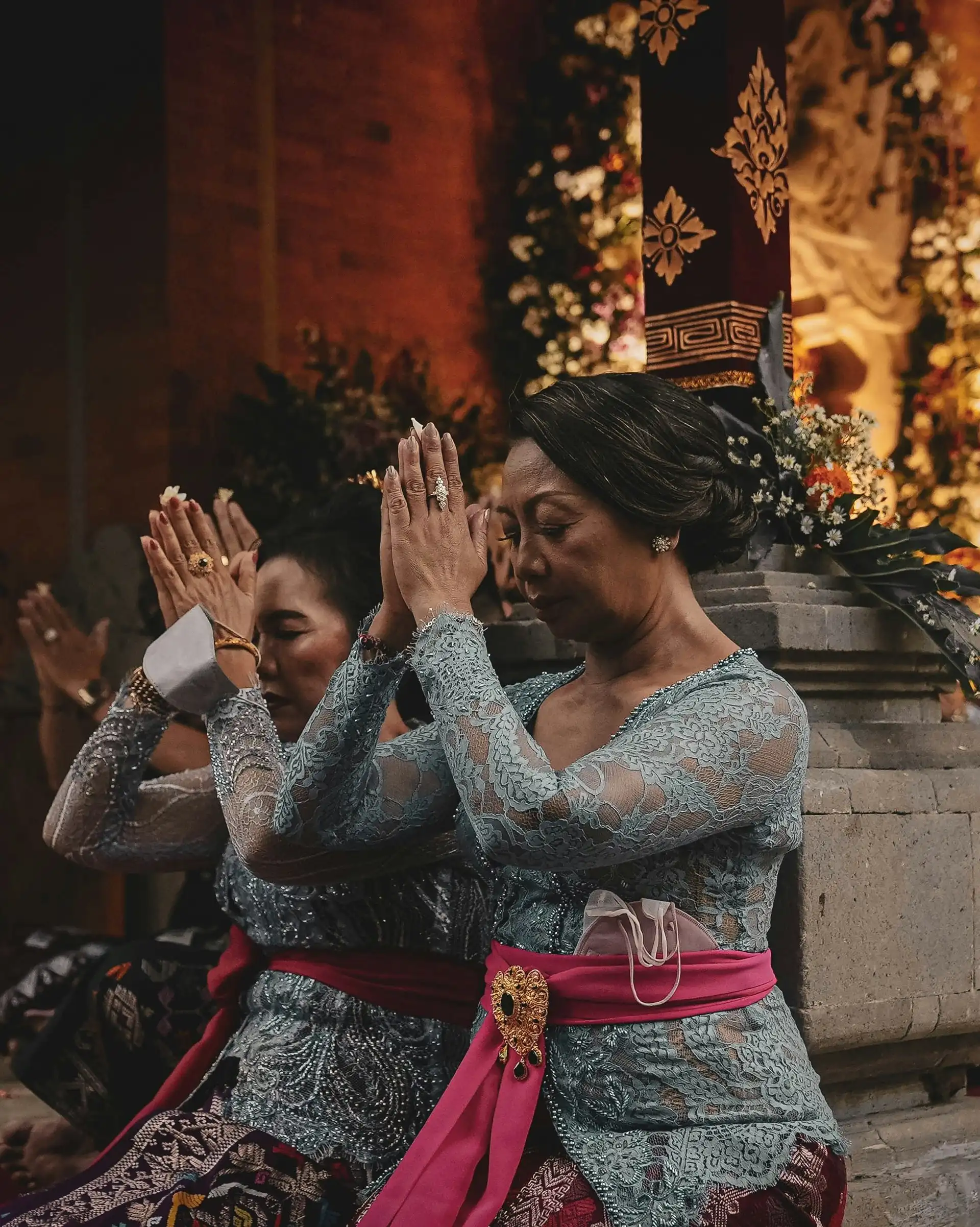
Respect local customs: away from the beach, avoid clothing that's too short or tight, and cover your shoulders and legs for temple visits.
No vaccinations are specifically required for Bali, apart from yellow fever if arriving from an at-risk area. It's still a good idea to be up to date on routine vaccinations (tetanus-diphtheria-polio, rabies, hepatitis A and B, typhoid). See a doctor before you leave for personalised advice and to put together a suitable medical kit.
Tap water isn't safe to drink in Bali: stick to sealed bottled or purified water. Avoid ice cubes and make sure food is well cooked. Pack sunscreen, insect repellent, and probiotics or remedies for digestive upsets, which are common with a change in climate or diet. Protect yourself against mosquitoes with repellent and covering clothing at dusk, and sleep under a mosquito net if needed.
Keep up good hygiene habits, such as washing your hands regularly, and avoid contact with stray animals. Travel insurance covering medical costs, emergency assistance and repatriation is strongly recommended for peace of mind.
Bali uses type C and F sockets (230V, 50Hz), the same as most of continental Europe. Travelers from the UK, the US, Canada or Australia will need a plug adapter and should check that their devices accept 230V. That said, a universal adapter and a multi-socket extension can still be useful depending on your accommodation, and a small surge protector helps guard against power fluctuations.
For time outdoors, a power bank and a small torch also come in handy.
The local currency is the Indonesian rupiah (IDR). The exchange rate hovers around 1 EUR to 18,000 IDR, though it varies. Carry cash at all times, particularly outside tourist areas and for small vendors or local transport. Notes range from 1,000 to 100,000 IDR.
Withdraw cash from official ATMs or major banks to reduce the risk of fraud. Visa and Mastercard are accepted at many hotels and larger restaurants, but rarely at small stalls. Exchange money only at licensed bureaux. Don't carry large sums with you; use your hotel safe for valuables.
On arrival, it's worth buying a local SIM card, ideally from Telkomsel, known for the best 4G/5G coverage across the island. Check before you leave that your phone is unlocked. Prepaid plans usually bundle calls and data at very reasonable rates.
For short stays, an eSIM is also a practical option. Wi-Fi is widely available in hotels, cafes and restaurants, but for anything sensitive, use mobile data rather than public Wi-Fi. WhatsApp is the go-to app for staying in touch locally.
The scooter is the most popular way to get around Bali, offering freedom and easy access, but it requires an international licence and care in local traffic. Hiring a car with a driver is a good option for families or small groups wanting to explore the island comfortably.
Ride-hailing apps such as Gojek and Grab offer a cheap, safe alternative for city trips. Traditional taxis exist too, but stick to official metered companies.
For longer journeys or tighter budgets, tourist buses and shuttles are also available. Whatever your choice, take care on the roads, and wearing a helmet on a scooter is compulsory.
For most visitors, entry requirements are simple but there are a few things to prepare for:
It's also strongly advisable to take out international health insurance covering medical treatment, accidents and possible repatriation.
Bali is generally considered a safe destination, but a few basic precautions are worth following:
Bali has a warm tropical climate all year round. The dry season, from April to October, brings sunny days and little rain, ideal for outdoor activities. Daytime temperatures range from 26 to 32°C and stay mild at night, with the sea between 26 and 29°C.
The rainy season (November to March) brings sometimes heavy showers, often in the late afternoon, though the lush scenery and smaller crowds make it a good time for a more authentic experience. Book accommodation early for July and August, the busiest months.
Bali is a deeply spiritual island, rooted in local Hinduism:
Bali's calendar is full of rituals, festivals and ceremonies, so it's worth checking what's happening during your stay (such as Nyepi or Galungan), which offer authentic experiences as long as you approach them respectfully.
Following this advice will help you enjoy a relaxed, enriching and respectful stay in Bali, in the true spirit of Balinese hospitality.
Subscribe and receive our travel inspirations and practical advice twice a month.
Wanting to share your trip with a group?