Your expert on destination Philippines
Exploring the animal wildlife during your trip to the Philippines means diving into an archipelago ranked among the seventeen most biodiverse countries in the world. Here, the diversity and uniqueness of species—both marine and terrestrial—make every outing an unforgettable experience for nature lovers.
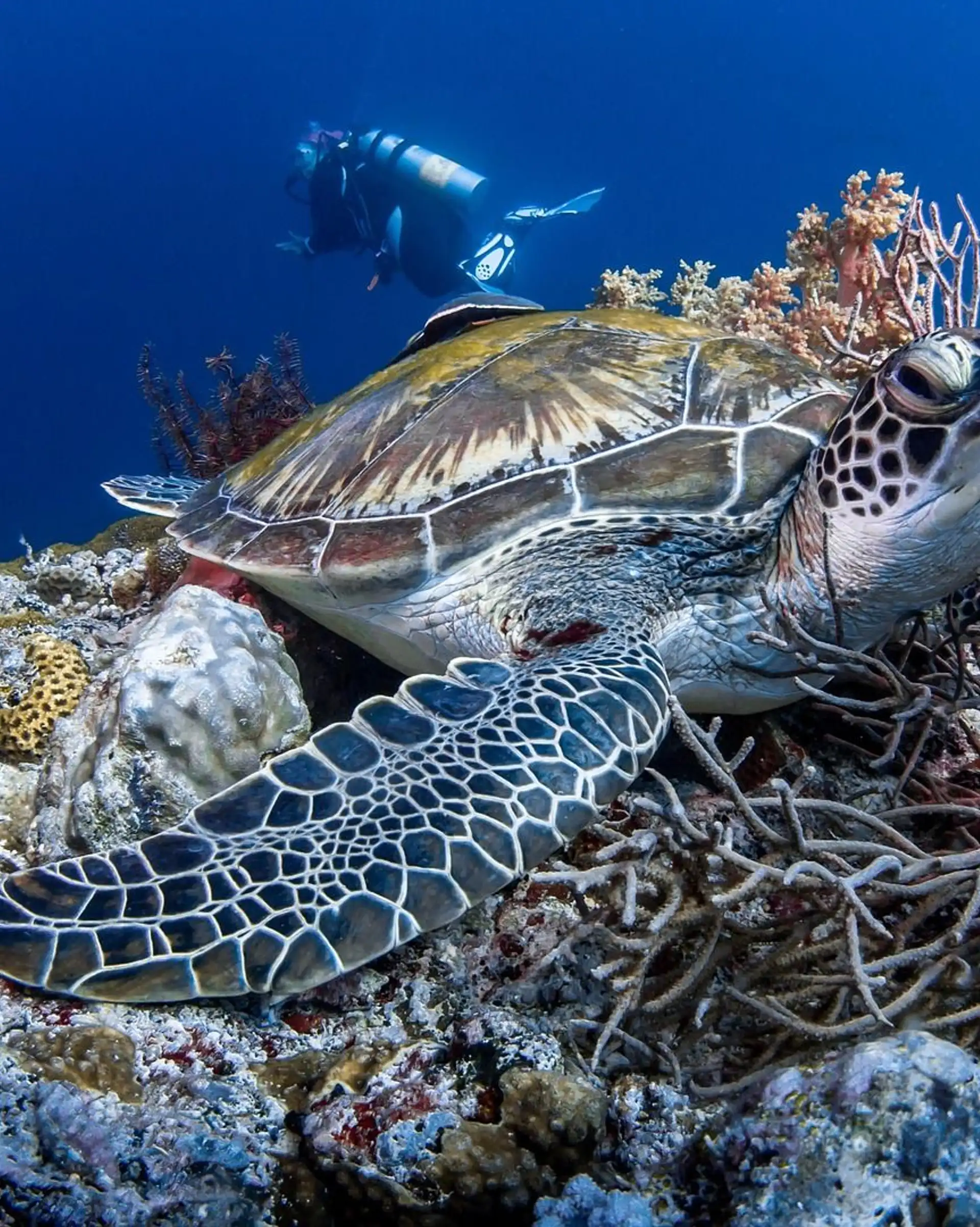
The marine fauna of the Philippines is unmatched in Southeast Asia, with nearly 800 species of corals and over 2,000 species of fish recorded around its 7,000 islands. Sites like Balicasag Marine Reserve, Apo Island Marine Reserve, and Tubog Marine Reserve are some of the most beautiful underwater sanctuaries in Asia, offering fascinating encounters with every dive or snorkeling session.
Shanti Expert Tip: prioritize marine reserves and go with a local Shanti Travel guide who strictly follows regulations to minimize impact on the ecosystem.
Despite pressures from illegal practices like dynamite and cyanide fishing, many protection measures have been put in place. Hundreds of marine sanctuaries and strict regulations (RA 9147, Convention on International Trade in Endangered Species of Wild Fauna and Flora or CITES adherence) now govern the observation and preservation of aquatic wildlife.
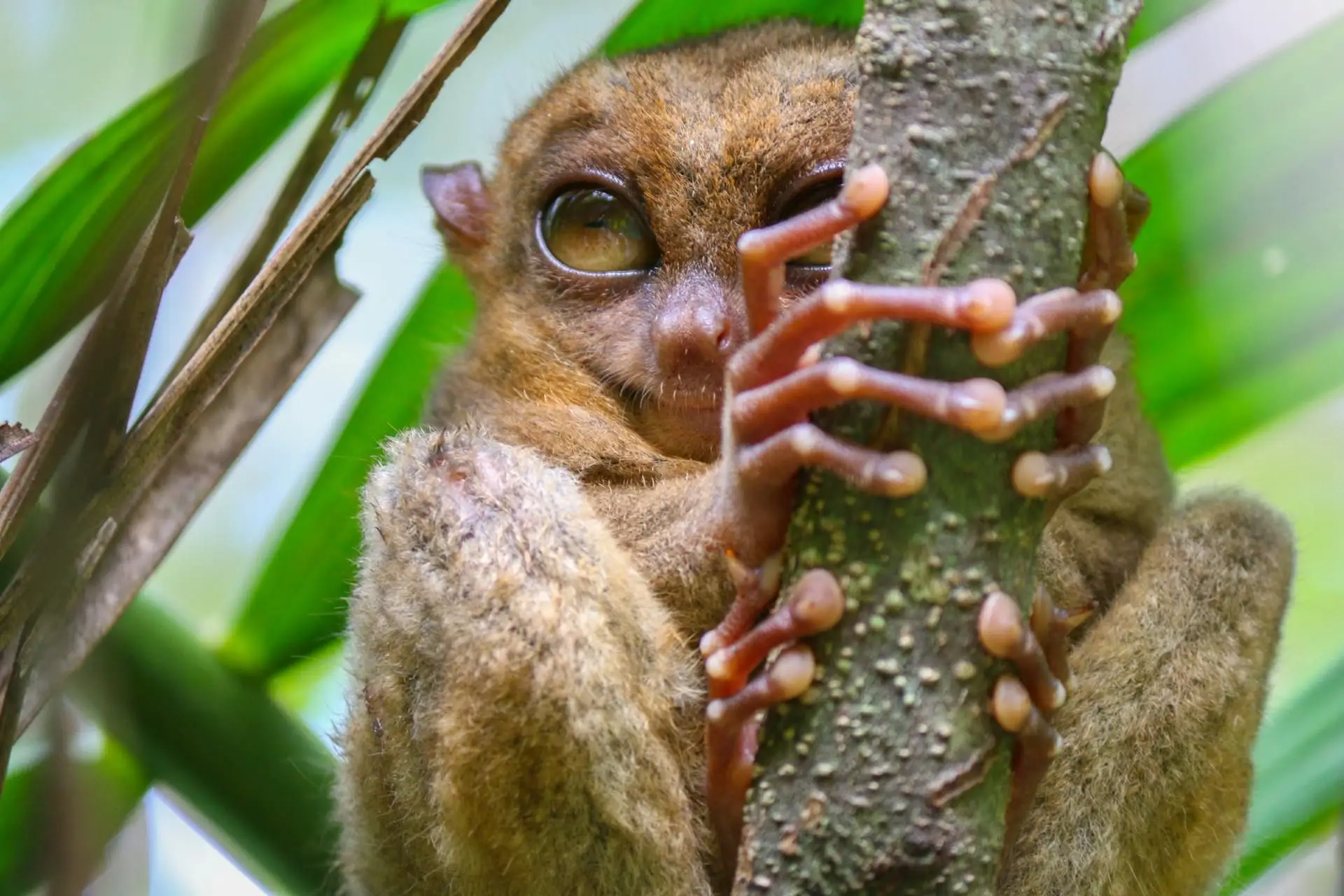
This tiny nocturnal primate, easily recognized by its large, bulging eyes, is one of the flagship animals of Philippine wildlife. Endemic to Bohol, it benefits from rigorous conservation programs: sadly, its population is declining due to deforestation and uncontrolled tourism. Visit official protection centers where observation respects the lifestyle of these fragile creatures.
The carabao, a domestic water buffalo, populates the country's rice paddies and is an iconic animal in Philippine agrarian culture. On the island of Mindoro lives the tamaraw, a dwarf buffalo endemic to the area and classified as "critically endangered" by the International Union for Conservation of Nature or IUCN. Only a few hundred individuals remain in specially protected reserves.
The Philippines is also home to many elusive animals:
Faced with major threats—especially massive deforestation, habitat loss, pollution, and poaching—the Philippines has implemented an ambitious national conservation strategy (Philippine Biodiversity Strategy and Action Plan or PBSAP) and collaborates with the international community to strengthen protection for endangered species. Strong engagement from local communities and NGOs helps ensure harmonious coexistence between people and wildlife.
The richness of Philippine terrestrial and marine wildlife awaits you, provided it is observed with respect and curiosity. Shanti Travel offers tailor-made trip to the Philippines to meet these extraordinary species while contributing to the preservation of this unique natural heritage.
Subscribe and receive our travel inspirations and practical advice twice a month.

Wanting to share your trip with a group?