Your expert on destination Philippines
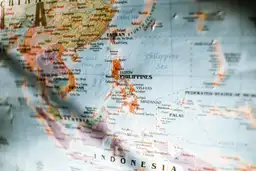
To make the most of your tailor-made trip to the Philippines, it is essential to choose the most suitable time of year based on your travel goals and the diverse climate of this Southeast Asian archipelago. With over 7,600 islands—of which only eleven constitute 90% of the landmass—the Philippines offers varied weather conditions from one region to the next, influencing your planned activities and overall experience.
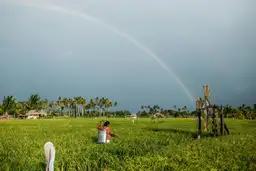
The Philippines enjoys a tropical climate characterized by two main seasons:
Temperatures fluctuate little throughout the year, generally ranging between 29°C and 34°C depending on the region:
During the wet season, typhoons may occur, mainly between July and October in Northern Luzon, while the Visayas experience less intense rainfall.
| Month | Average Temperature (°C) | Rainfall (mm/days) | Season |
|---|---|---|---|
| January | 31 | 41 / 12 | Dry/ideal |
| April | 33 | 30 / ~8 | Dry/ideal |
| July | 31 | Heavy/over 15 | Wet/not recommended |
| September | 30 | 206 / 11-21 | Wet/not recommended |
| November | 29-30 | 207 / 13 | Transition/favorable |
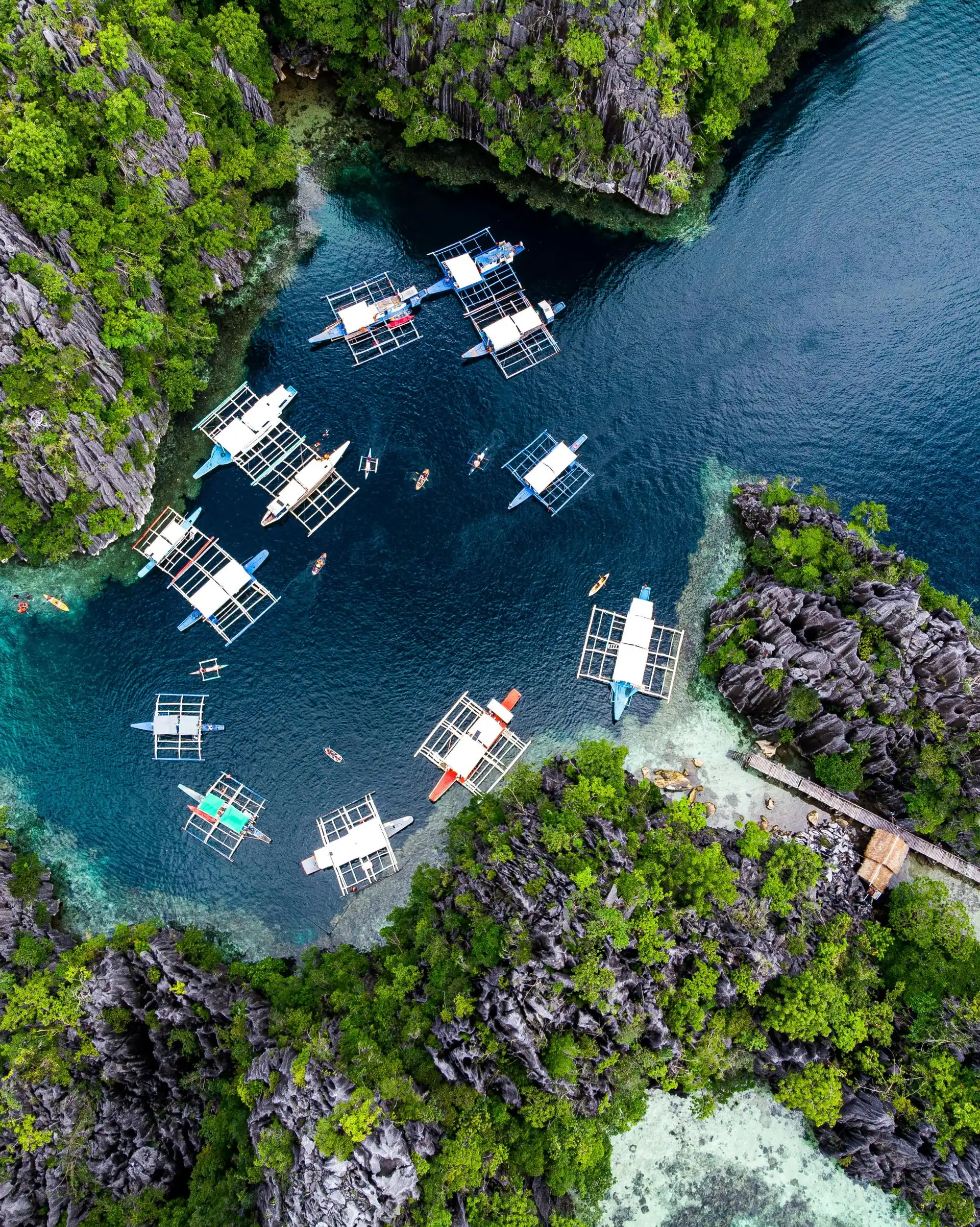
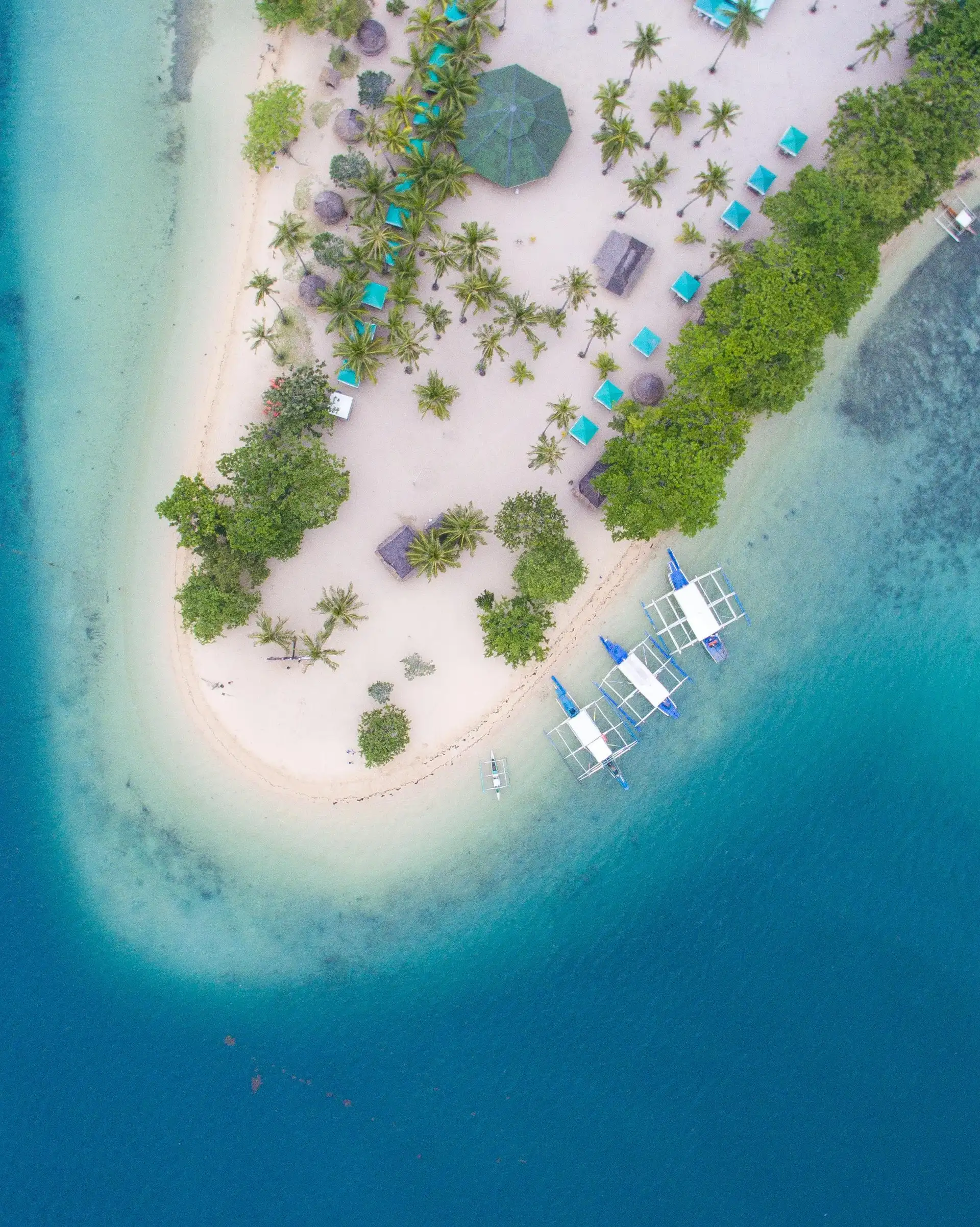
The most pleasant time to explore Palawan is from January to April, during the dry season when the sea is calm and rainfall is minimal—perfect for island-hopping in the Philippines. Outside this window, from May to December, regular showers are common during the days.
In Northern Luzon, including Manila, the best period is also from January to April when the weather is most reliable. July to September marks the peak of rains and increased typhoon risk.
Here, the trend of good weather continues from February to April, with slightly cooler temperatures (27 to 31°C) and moderate rainfall. From May onward, showers become heavier.
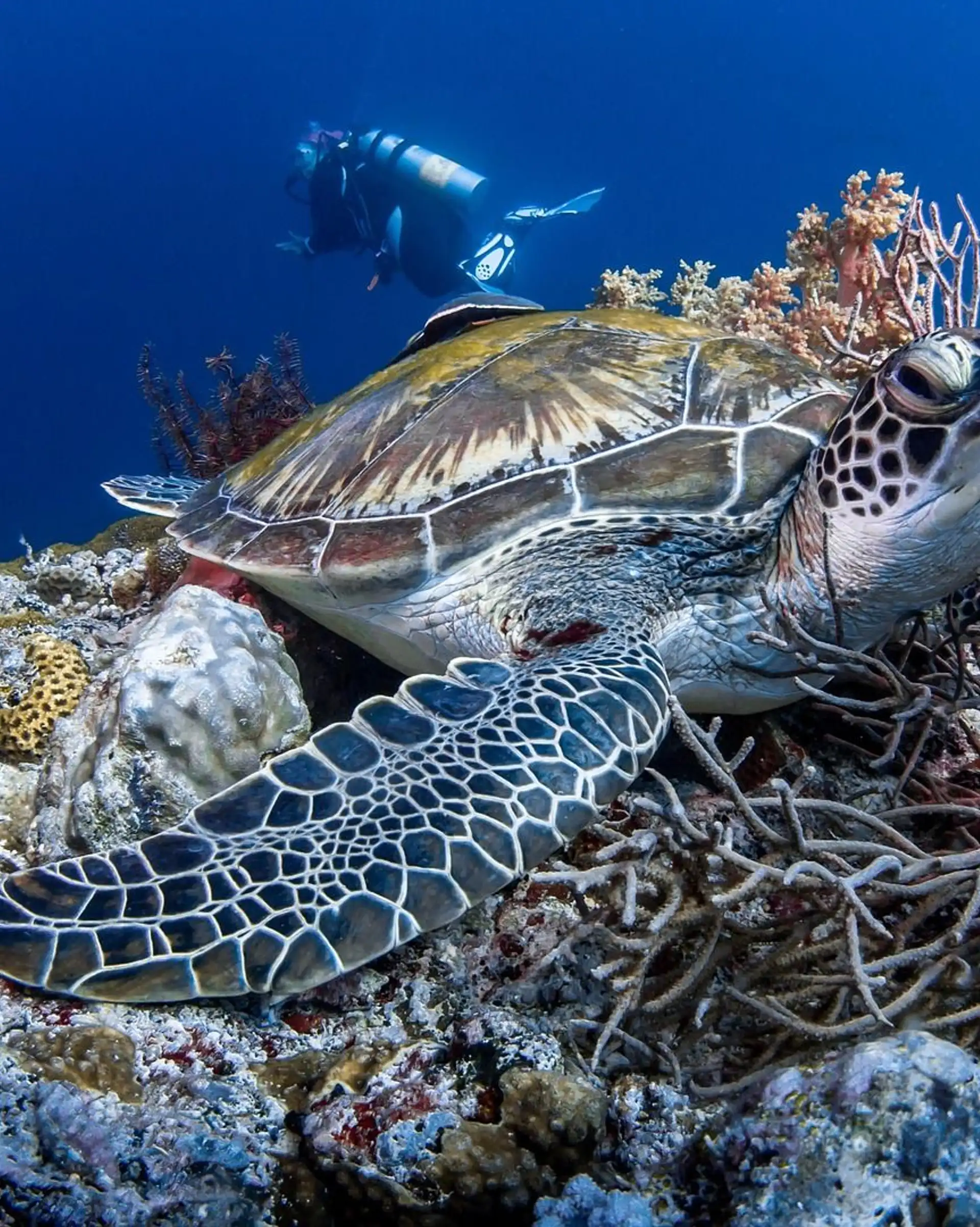
In summary, the dry season from January to April is considered the best time to discover most of the Philippine islands, whether you're seeking relaxation on paradise beaches, planning diving in the Philippines trip, or discovering cultural sites.
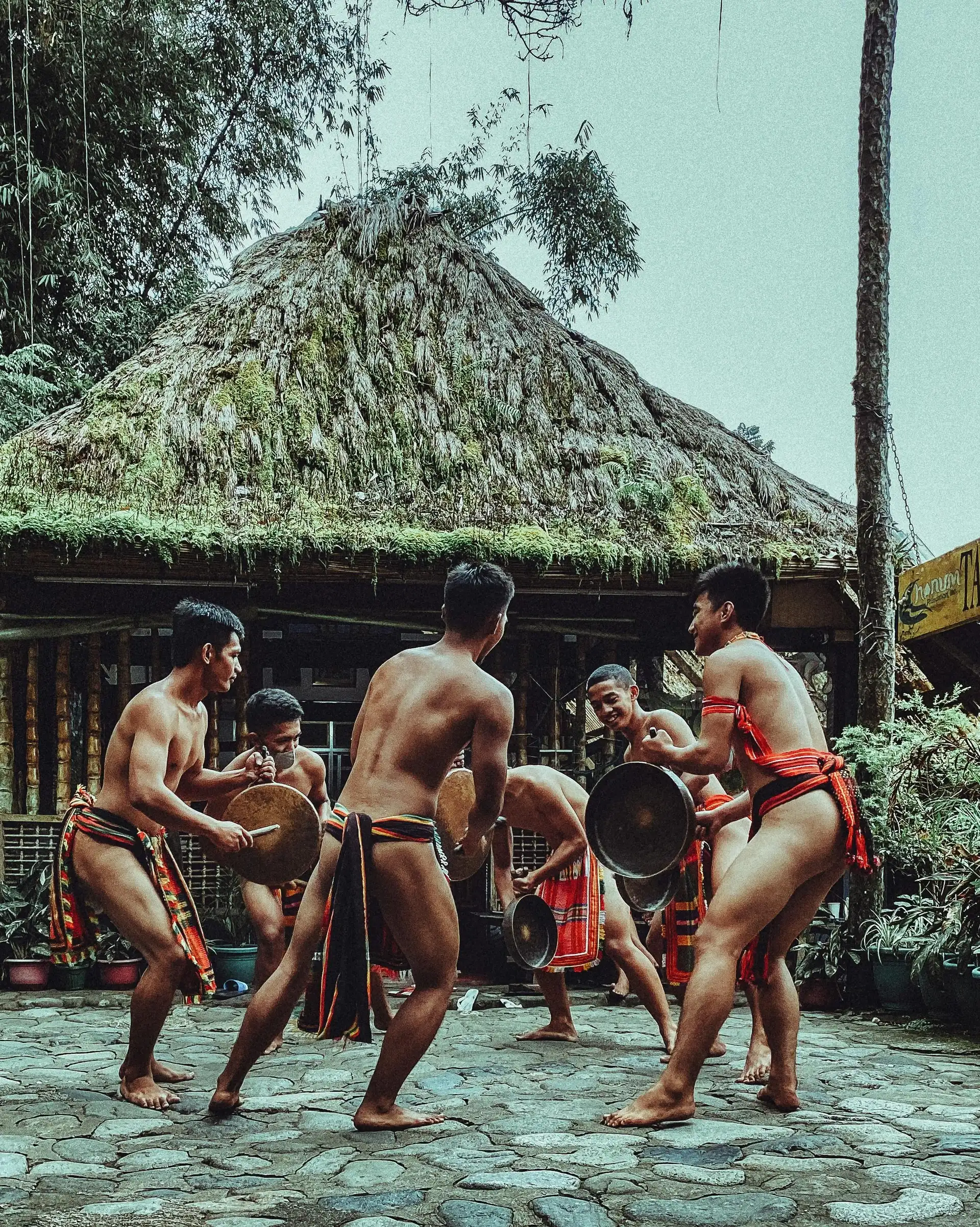
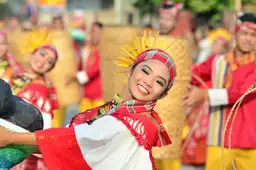
The country's many festivals mark the year and allow immersion into local Filipino culture:
One of the most colorful and oldest festivals. It lasts a week with tribal dances, processions, indigenous costumes, and rhythmic music.
A major urban festival known for dance parades, street performances, and food tastings.
The flower festival featuring floral and costume parades, celebrating the arrival of spring with a unique festive atmosphere.
An ethnic festival uniting the region’s seven tribes with dances, customs, and traditional rituals (March-April).
A spectacular Holy Week religious event where participants parade in Roman costumes during historic-religious reenactments.
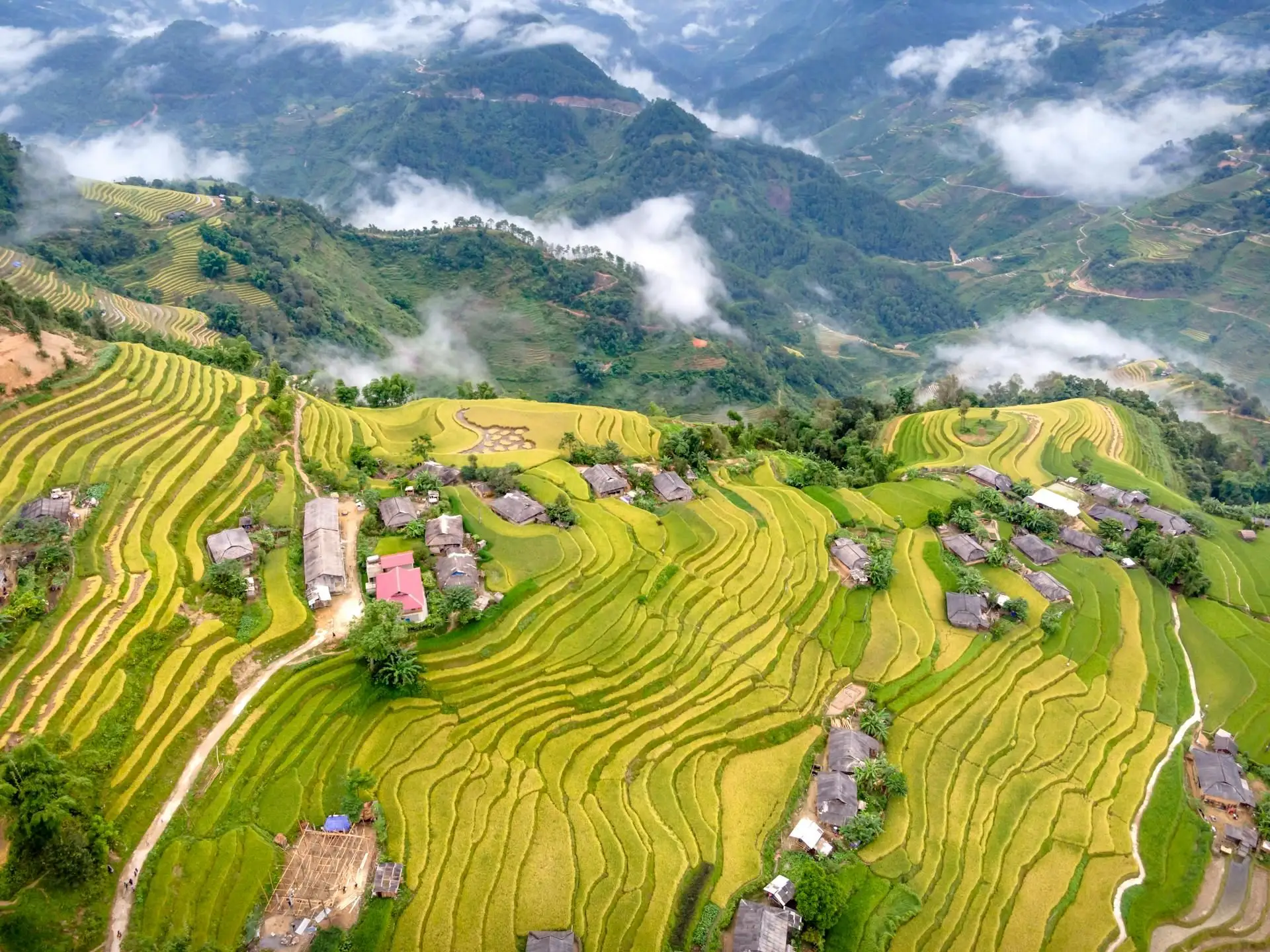
A harvest celebration: every house is decorated with fruits, vegetables, and rice, sharing this feast with visitors.
A festival featuring parades reminiscent of the "pintados" (tattooed people) traditions with flower-adorned dances and costumes.
A remembrance of the deceased rooted in the local All Saints’ tradition with processions and vigils.
A creative contest for monumental lanterns made of traditional materials, lighting up the city ahead of Christmas.
A trip to the Philippines should be planned according to your priorities—climate, cultural festivities, sports activities, or the desire for a more authentic adventure in the low season. Whatever your choice, the natural and cultural richness of the archipelago promises an unforgettable journey, planned safely with our local Philippines travel experts.
Subscribe and receive our travel inspirations and practical advice twice a month.

Wanting to share your trip with a group?