Your expert on destination Philippines
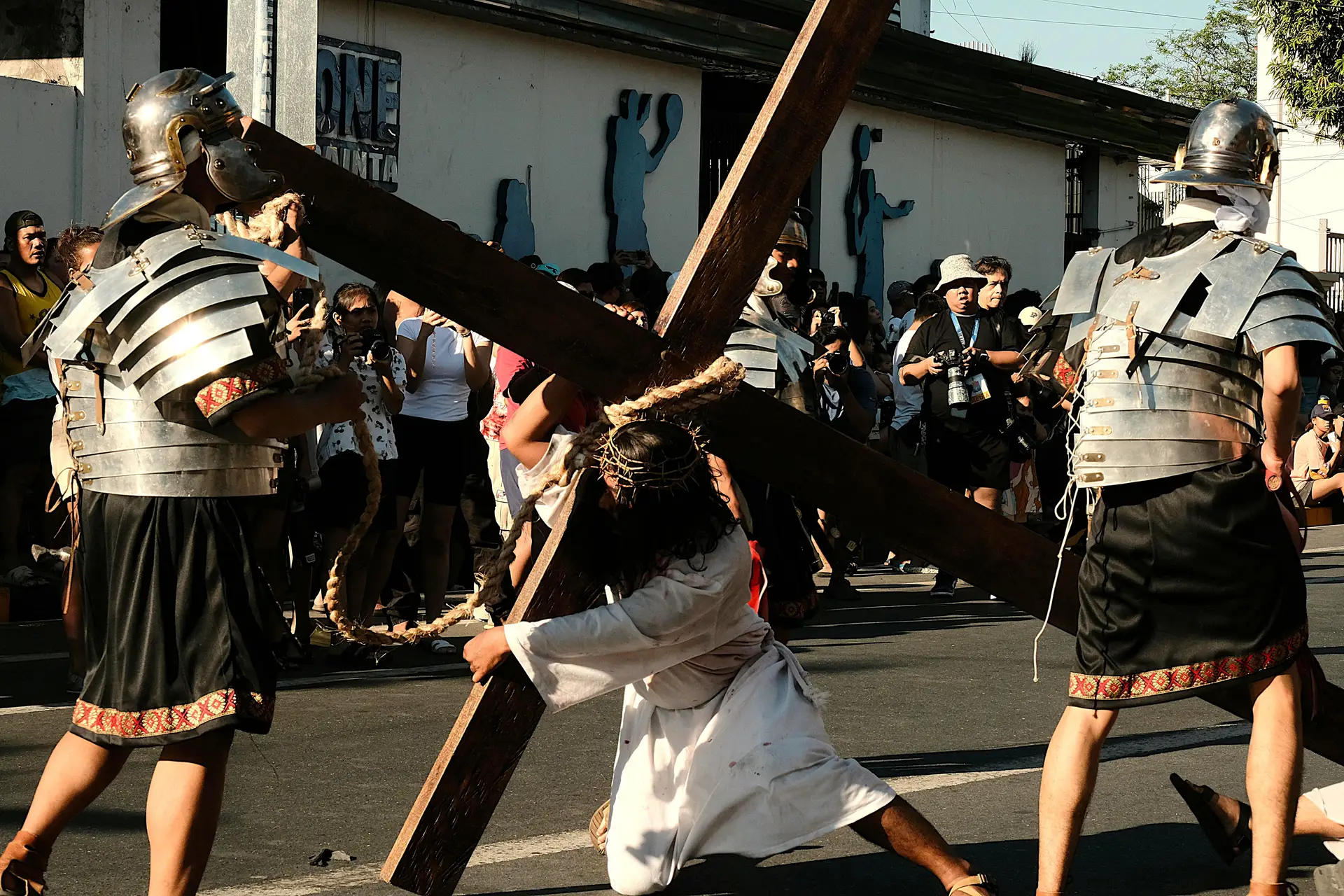
Discovering the religions in the Philippines helps to better understand the cultural richness of this country, where faith permeates all aspects of life. Exploring the many facets of local spirituality during a trip to the Philippines reveals a society where religious diversity and syncretism shape both history and everyday life.
Religion in the Philippines is predominantly Christian, due to Spanish colonization.
The breakdown is as follows:
The uniqueness of religion in the Philippines lies in its religious syncretism: Catholicism here has absorbed elements of pre-Hispanic indigenous animist beliefs, producing a popular religion quite different from European Catholicism. It is common to see Catholic rituals combined with invocations of local spirits (anito), the use of amulets (anting-anting), specific folk healing rituals (albularyo), or the practice of ancestral superstitions within a Christian framework.
Religious diversity is expressed through the coexistence of the Catholic majority, Protestant and independent groups (including Iglesia Ni Cristo and the Aglipayan Church), a significant Muslim minority in the south (mainly in Mindanao), animist beliefs still present among certain ethnic groups, as well as Chinese influences blending Buddhism, Taoism, and Catholicism on domestic altars. Each of these faiths has influenced the country’s cultural and social life in its own way.
After three centuries of Spanish rule, Christianity is deeply rooted in Philippine society. The Philippines is the only Southeast Asian country with a Catholic majority and the third-largest Catholic country in the world in terms of faithful. The Pope has made several historic visits here, testifying to the people's fervor.
Daily life revolves around churches—which are true centers of community life and gathering, as well as sites of syncretic practices. Every city has its "Patron Saint" celebrated during local festivals richly adorned with colorful processions where Catholic tradition merges with pre-Hispanic folklore. Sunday services and the numerous Christian holidays such as Christmas (Pasko), Holy Week (Semana Santa), or All Saints’ Day involve entire families and neighborhoods.
Local specificities include independent branches such as Iglesia Ni Cristo (INC), easily recognizable by its pastel-colored churches, or the Aglipayan Church, which offers a distinctly Filipino version of Catholicism. These movements embody a local religiosity, anchored in national identity and dialogue with ancestral traditions.
Culture tip: While religion is a sacred subject, avoid initiating theological debates during your exchanges. Most Filipinos are practicing and hold deep respect for their beliefs, and even non-believers tend to approach the topic with sensitivity.
Sunni Islam, introduced at the end of the 14th century by the Sultanate of Brunei, represents the second-largest religious community. Most Muslims live in the south, in Mindanao, where mosques serve as centers of social and spiritual life. This minority faces challenges of coexistence, sometimes marked by tensions but also by interfaith dialogue efforts. Muslim holidays such as Eid al-Fitr mark the local calendar and reflect a distinct southern Philippine culture.
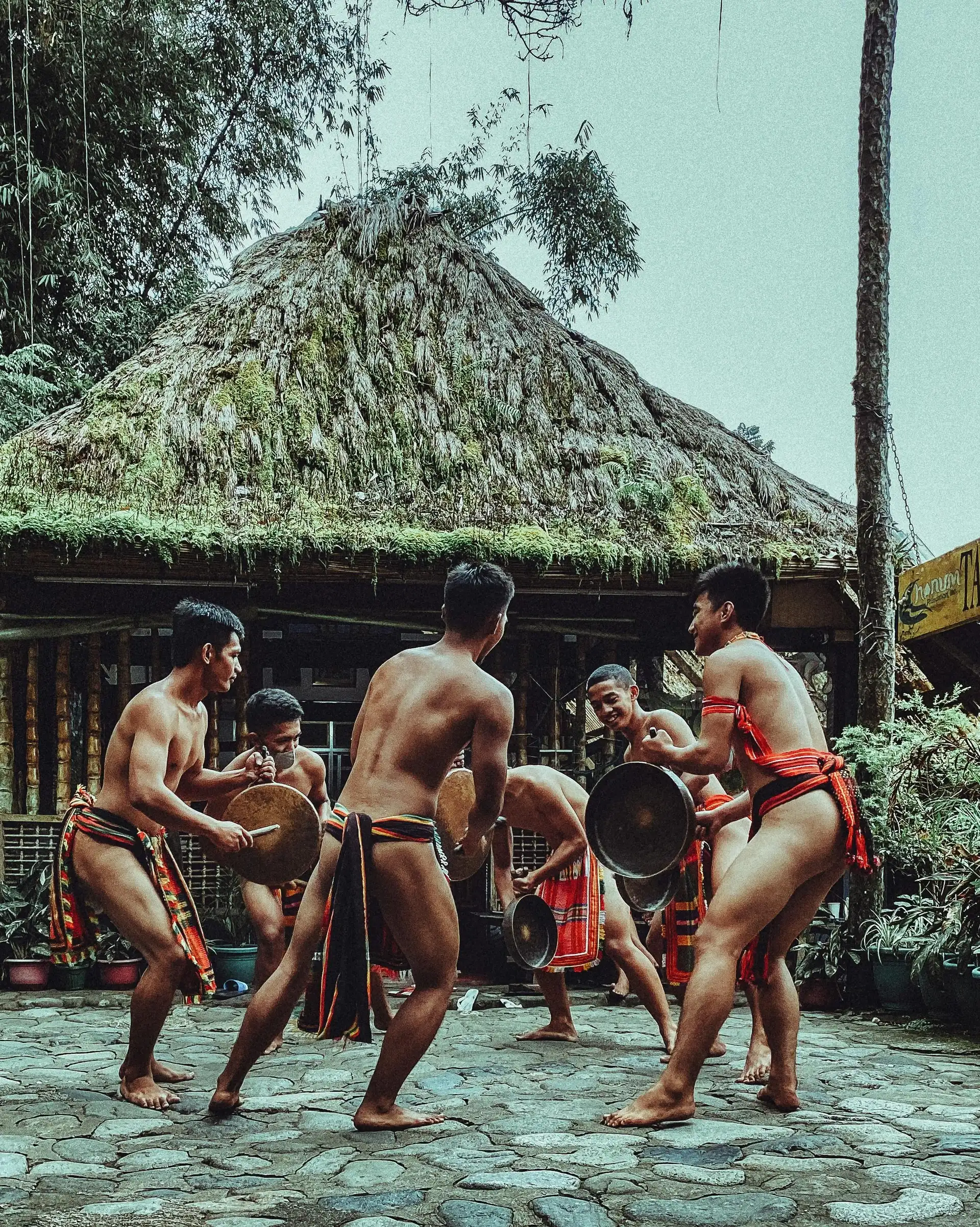
Animism was originally the religion of the islands. Even today, it subtly permeates Filipino Catholicism and Islam: nature worship, veneration of spirits (anitos), offerings, and ancient rituals reappear in modern practices. These rites are observed during key events – birth, marriage, mourning, protection against natural disasters – or through the omnipresence of amulets and healing prayers, especially in rural and mountainous areas (among the Igorot or on the island of Siquijor).
Superstition, inherited from ancient beliefs, is part of daily life: apparitions, vampires (aswang), ghosts, and mysterious creatures continue to enrich local folklore. This wealth of beliefs explains the popularity of healers (albularyo) and traditional priests, often seen as true intermediaries between visible and invisible worlds.
Faith shapes habits and the social calendar in the Philippines:
Shanti Expert Tip: These major events (Christmas season, Holy Week, and All Saints' Day) are national holidays and involve mass domestic travel. To plan your trip to the Philippines, expect higher flight costs and increased crowding at airports, ports, and popular tourist spots (Cebu, Bohol, Palawan) during these periods. Advance booking is essential.
Despite differences and sometimes regional tensions, coexistence between Catholics, Muslims, animists, and other minorities is generally lived with tolerance and dignity. Religious institutions are not only places of worship but also solidarity and social action centers.
At Shanti Travel, our local Philippines travel experts' in-depth knowledge of Filipino religious practices allows us to design itineraries respectful of this reality and to offer authentic encounters with this diverse spirituality, inseparable from the archipelago’s culture.
Subscribe and receive our travel inspirations and practical advice twice a month.
Wanting to share your trip with a group?