Your expert on destination Philippines
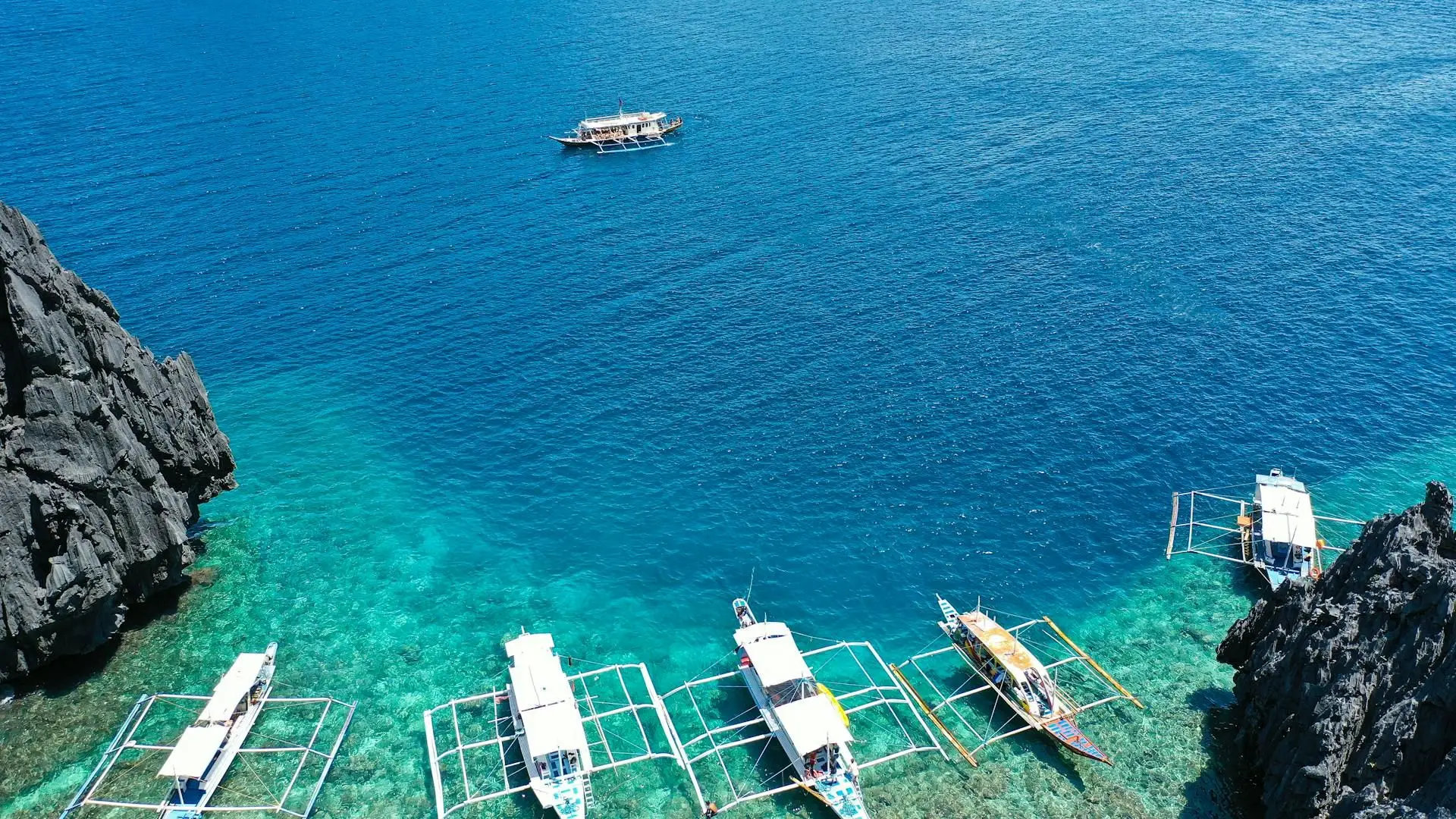
Discover the essentials you need to know before a trip to the Philippines to fully enjoy this remarkable archipelago. After more than 20 years on the ground, our local Philippines travel experts share essential tips to help you travel calmly and confidently.
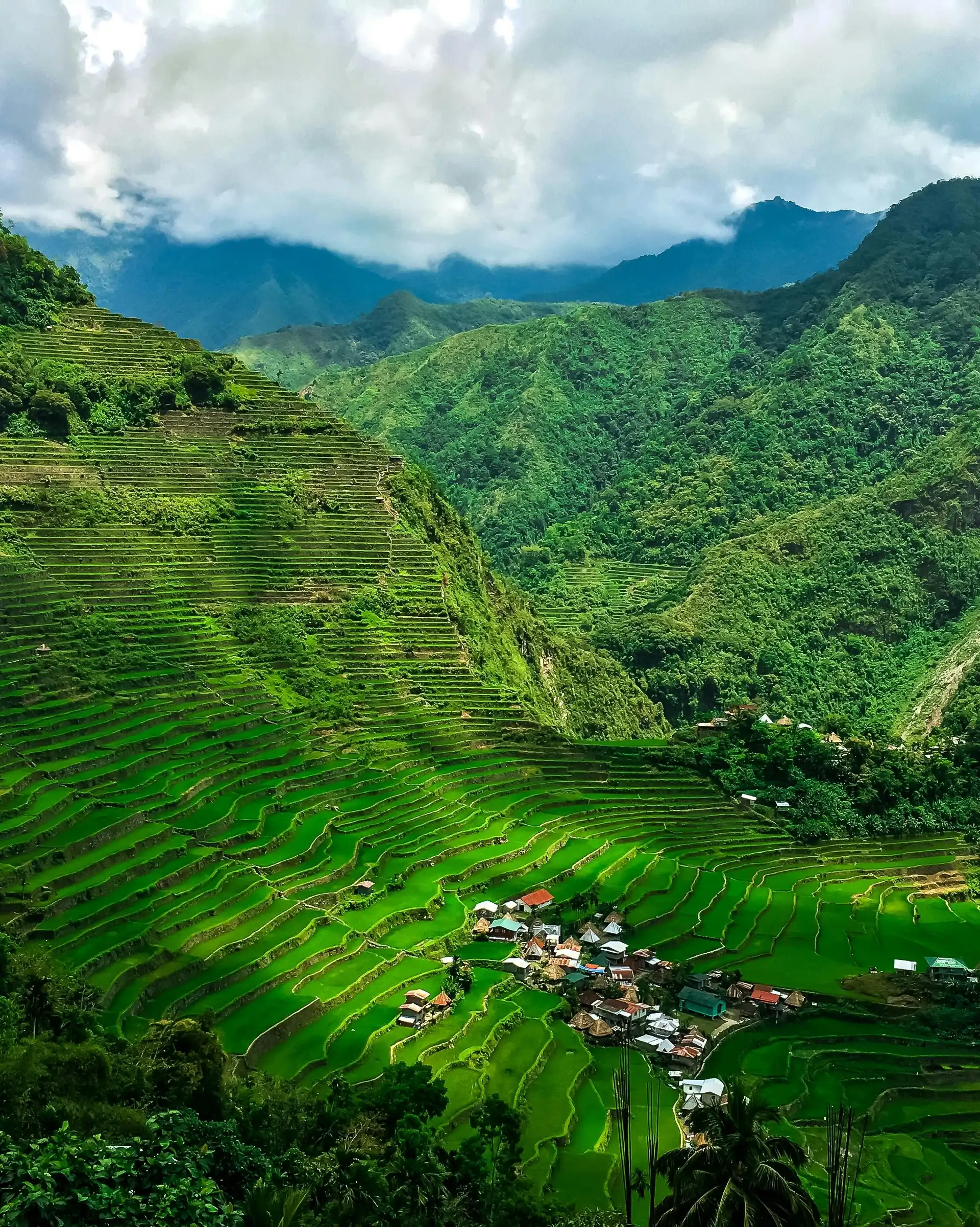
When packing for your trip to the Philippines, consider the type of luggage suitable for your itinerary: suitcase, backpack, or semi-rigid travel bag depending on your habits and the nature of your trip. For trekking through rice terraces of Luzon, a lightweight medium-sized backpack is ideal.
The tropical climate calls for lightweight, loose-fitting clothing in cotton or linen to stay comfortable in heat and humidity. Bring several changes to stay fresh. During the rainy season from June to October, a compact raincoat or umbrella is recommended. A light sweater or fleece is useful for cooler evenings in the mountains, particularly in the Cordillera.
On the coast, the sun is strong, so pack swimwear, a wide-brimmed hat or scarf, and UV-protection sunglasses. For sunscreen, choose reef-safe mineral-based options (zinc oxide or titanium dioxide) to protect coral reefs. For snorkeling or prolonged swims, a lightweight UV-protective top is helpful.
Footwear should be practical: walking sandals for humid conditions, flip-flops for the beach, and low hiking shoes for mountain trails. Foldable trekking poles are helpful on slippery paths. Bring a well-stocked first-aid kit, effective mosquito repellent, and a filtered water bottle if you’ll venture far from major towns.
Expert Tips
The Philippines uses type A and B plugs (American type, sometimes C) at 220V/60Hz, but some rural areas still use 110V. Bring a universal adapter to cover all situations.
The local currency is the Philippine Peso (PHP). Check rates before departure and carry sufficient cash, as ATMs are limited outside major cities. Credit cards are generally accepted in higher-end hotels in Cebu or Manila but rarely in local markets or small shops.
Useful dialing codes:
Stay connected by purchasing a local SIM card or eSIM on arrival. Local data plans are affordable, and major networks (Globe, Smart) provide good coverage outside very remote areas. Portable WiFi hotspots can also be rented at the airport or booked in advance.
EU, Swiss, and Canadian nationals do not need a visa for stays under 30 days, provided their passport is valid for six months beyond the return date. A tourist stamp is issued on arrival, and a return or onward ticket may be requested. Entry requirements can change, so check before departure. For stays longer than 30 days, visa extensions are handled locally at immigration offices.
Some airports, especially for domestic or international flights departing from Cebu, require an exit tax payable at the counter (200 to 900 PHP/person, 850 PHP for Cebu). In Manila, this tax is usually included in the ticket price.
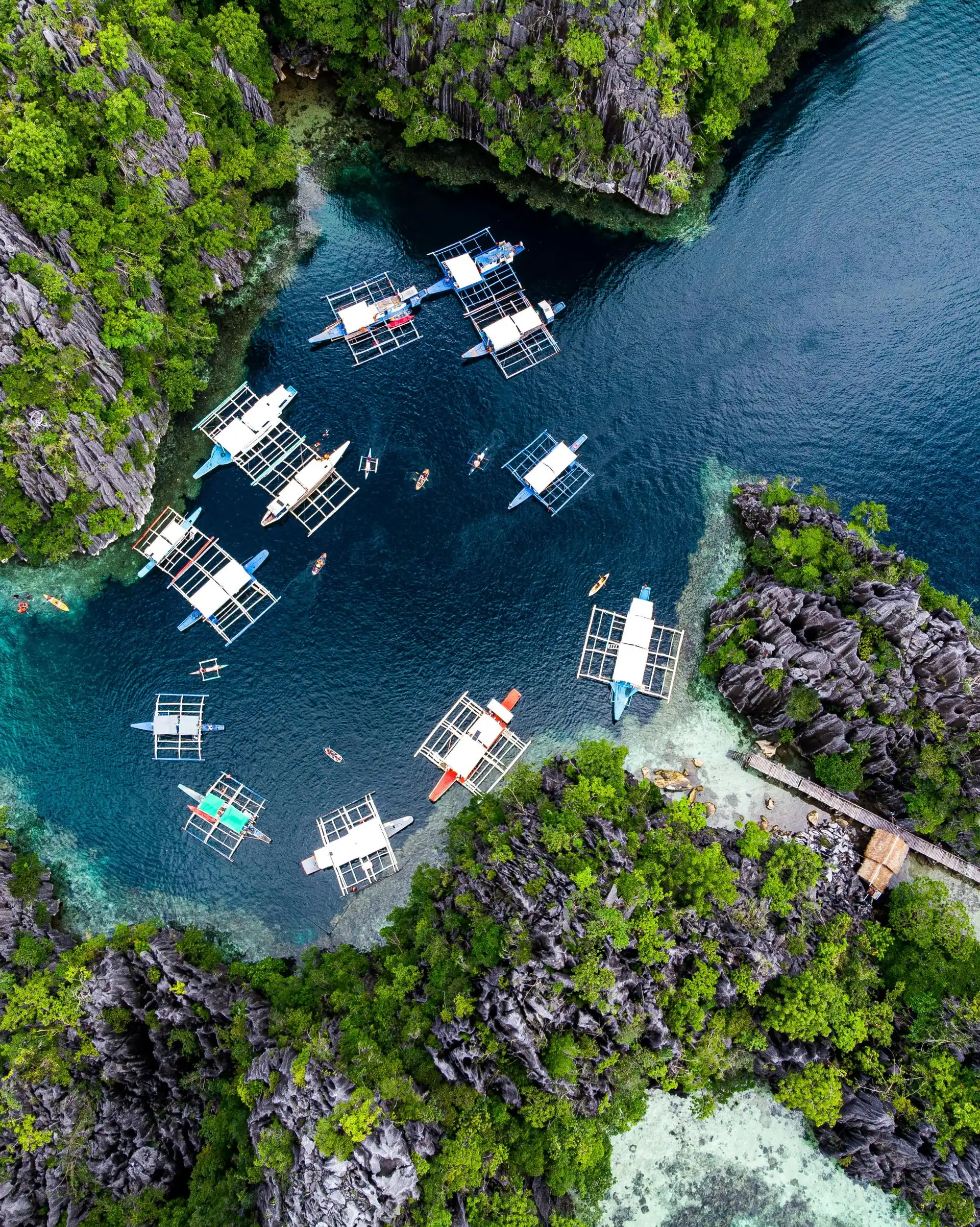
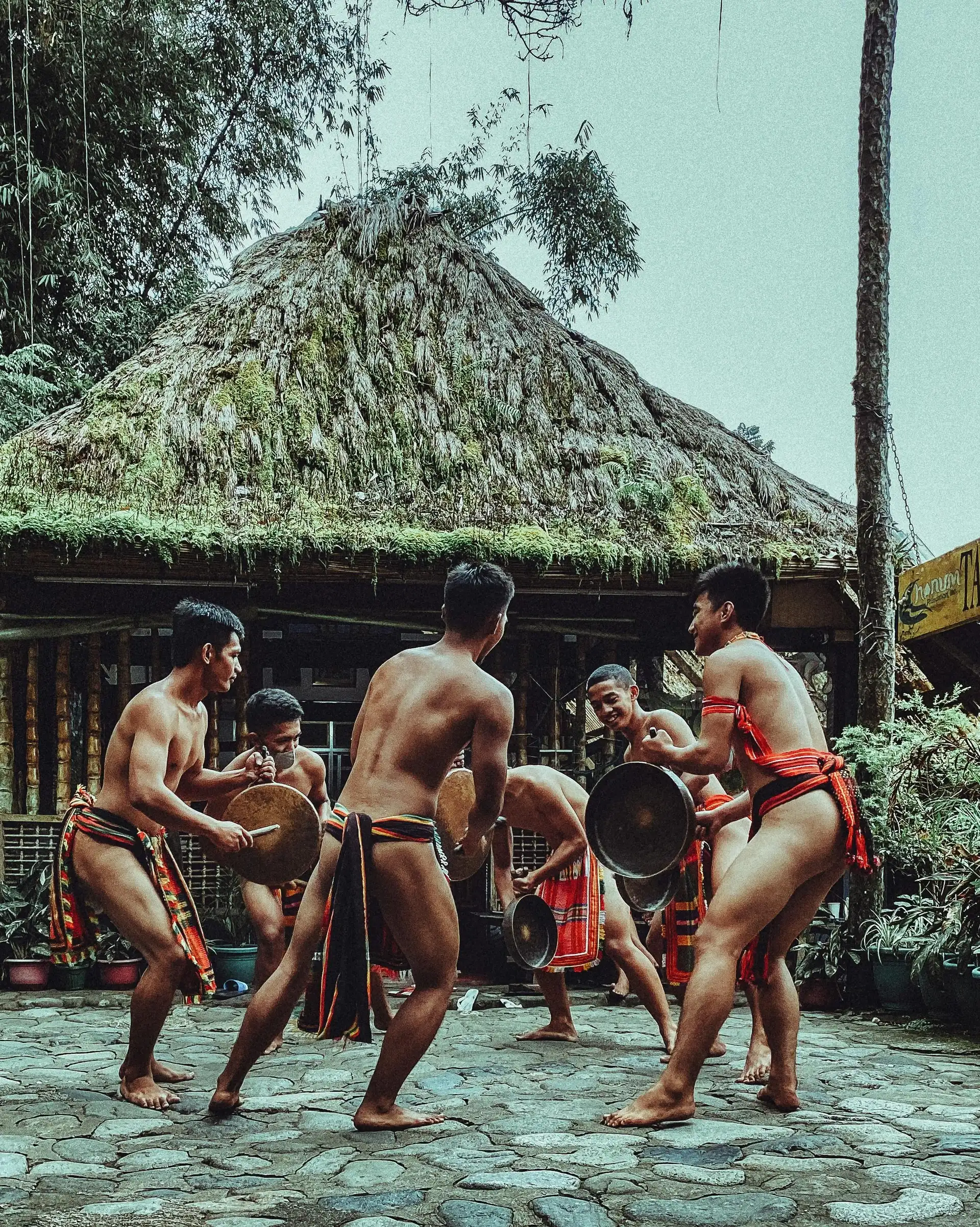
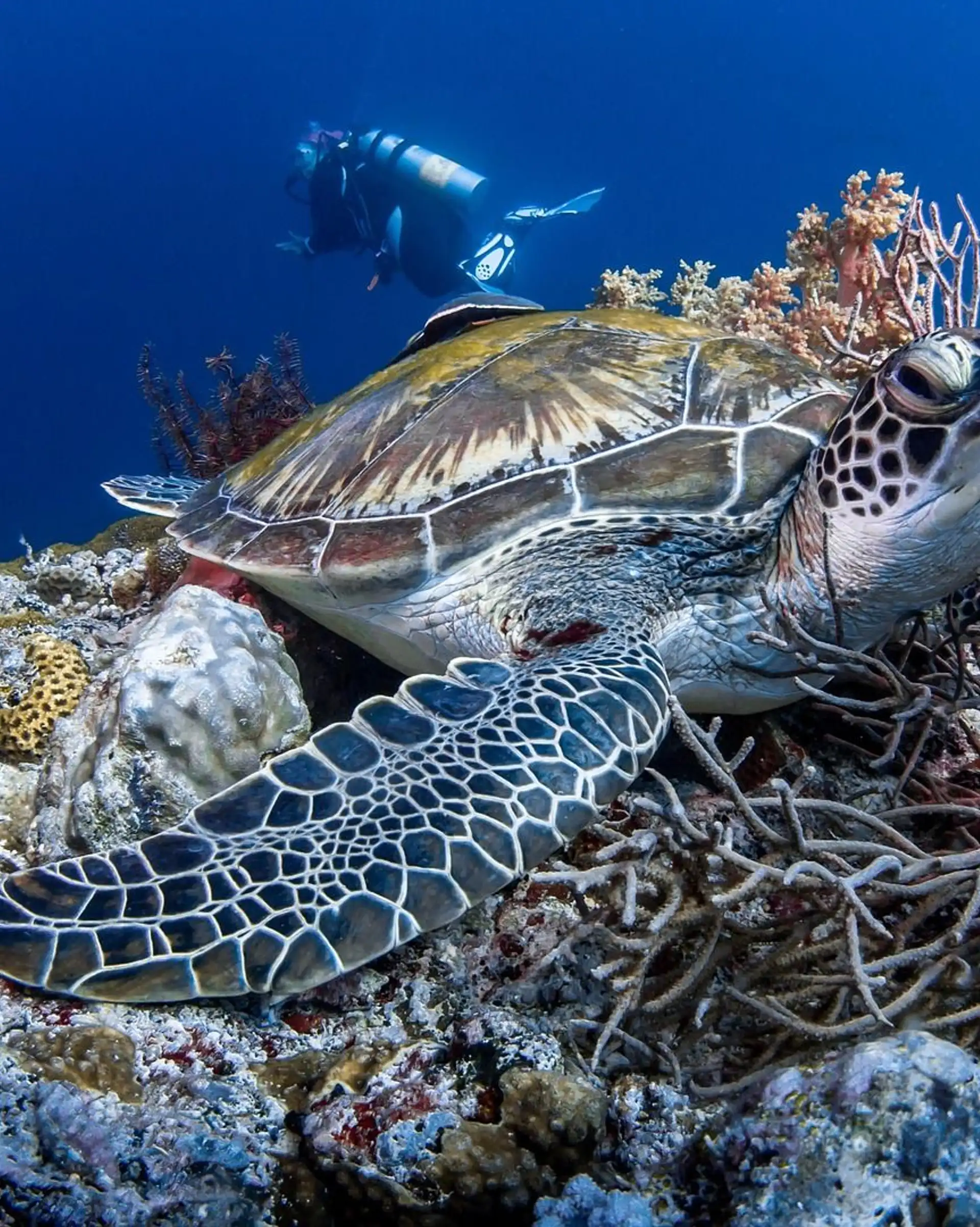
Careful preparation is the key to a successful tailor-made trip to the Philippines. Our Shanti Travel experts ensure every detail is covered, whether you want to enjoy island-hopping in the Philippines, explore vibrant coral reefs while diving in the Philippines, or immerse yourself in local culture. With guidance from our local Philippines travel experts, your adventure will be safe, immersive, and perfectly suited to your personal interests.
Subscribe and receive our travel inspirations and practical advice twice a month.
Wanting to share your trip with a group?