Your expert on destination Philippines
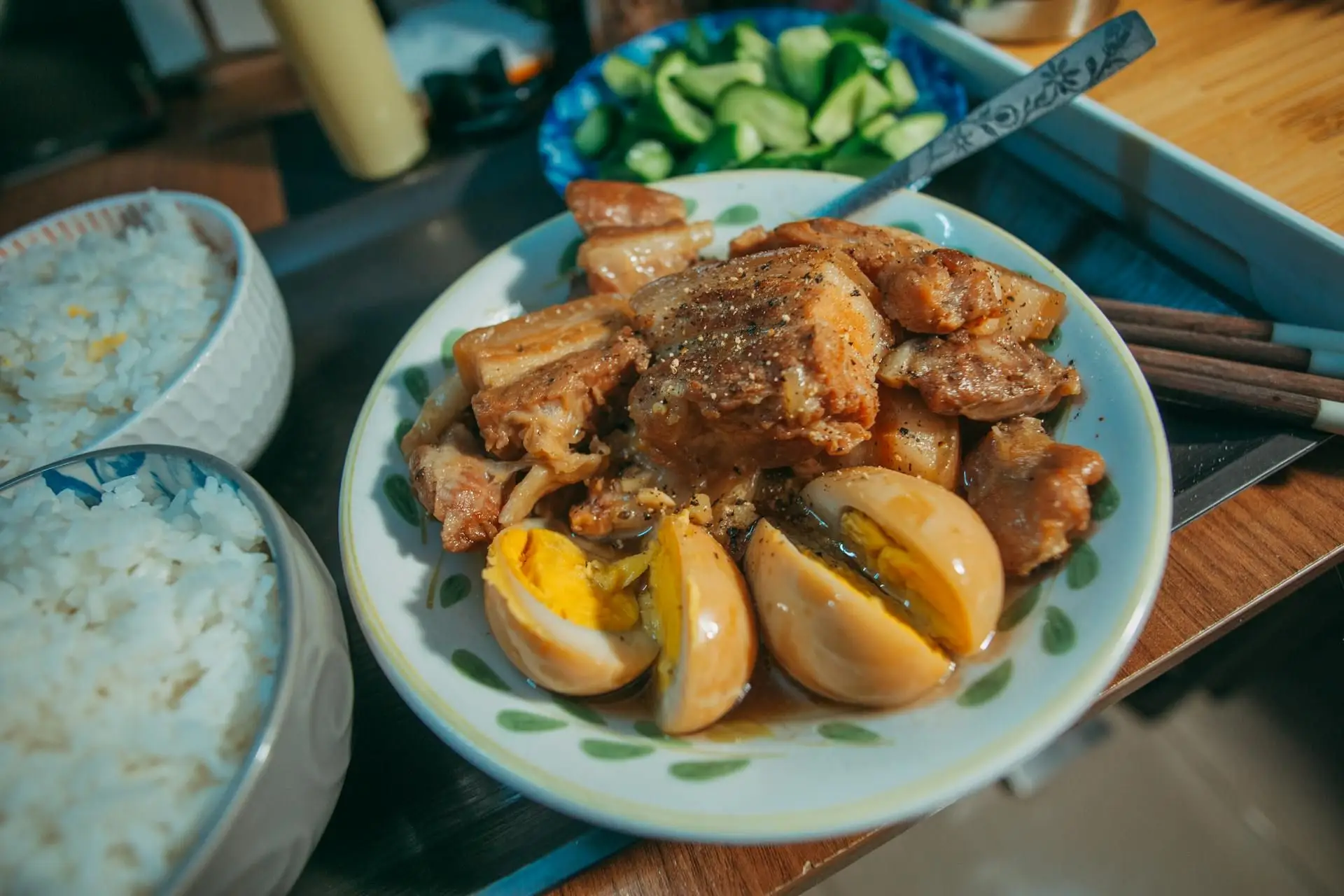
Discovering Filipino cuisine during a trip to the Philippines allows for a genuine cultural immersion in this diverse archipelago. Unlike some other Southeast Asian cuisines, it surprises visitors with its unique balance of flavors, variety of influences, and distinct rituals of sharing. Despite a reputation for being a rustic cuisine, the richness of traditional Filipino dishes can be worth exploring beyond first appearances.
Filipino cuisine is a reflection of centuries of exchange: it marries the simplicity of Austronesian traditions with Chinese influences (notably noodles and stir-frying), Spanish influences (braised and stewed dishes, lechon), and American influences (breaded dishes and the omnipresence of fast food). These historical contributions are visible in the diversity of recipes, where each region of the archipelago develops its own variations based on natural resources and history.
Filipinos eat throughout the day, marking their schedule with several meals and snacks, known as merienda. To eat in the Philippines is, above all, to share: meals are served communally (salu-salo) with a central bowl of rice and an assortment of dishes to be enhanced with sauces (sawsawan)—vinegar, calamansi (a native citrus), soy sauce, or fermented pastes like bagoong (shrimp or fish paste) or patis (fish sauce). The sweet and sour pickled green papaya relish, atchara, is also a common accompaniment to balance rich dishes.
While utensils are common, eating with clean hands or Kamayan, remains a traditional and communal practice, especially during shared meals served on banana leaves. It offers an authentic glimpse into local food culture and the spirit of togetherness.
The Filipino breakfast is iconic: savory, hearty, and colorful. The different variations of silog—such as tapsilog, longsilog, or tocilog—demonstrate local creativity centered on rice, meat, and egg. The dish’s simplicity should not mask its role in starting the day right!
Beyond the classics—adobo (stewed meat), lechon (roast pig), pancit (noodles), or balut (fermented duck egg)—each region boasts its own specialties:
Traveling across the archipelago means enjoying an abundance of fresh fish and seafood, often prepared simply on the grill or in soup, or as kinilaw, the Filipino-style ceviche that highlights the freshness of the catch. You can even frequently choose your seafood directly from beachfront stalls. Do not hesitate to specify your preferred cooking style or ask for advice for an authentic taste experience, especially when island-hopping in the Philippines.
The indulgence continues with local desserts, proudly sweet and often original:
The beverage selection confirms the Filipino taste for simplicity:
Shanti Travel Tip: When dining out, tipping is appreciated. High-end restaurants usually include a 10% service charge; no extra tip is mandatory. For guides, drivers, and casual dining during your trip to the Philippines, leaving 5-10% in cash is customary.
Local cuisine is mostly meat-based, but alternatives exist, notably in vegetable-based dishes (pinakbet, which can be made without bagoong or fermented shrimp for strict vegetarians) or vegetable noodle dishes. However, be sure to explicitly request the removal of all animal-derived ingredients—even sauces, often based on fermented fish or shrimp, may contain non-vegetarian products.
At Shanti Travel, thanks to our on-site knowledge, we encourage everyone to venture off the beaten path of Filipino cuisine. Tasting a communal family meal, discovering the specialties of each region during your tailor-made trip to the Philippines, or learning to make halo-halo or adobo in a local workshop, is to experience one of the most beautiful facets of Filipino hospitality—that of generosity, discovery, and sharing around the table.
Subscribe and receive our travel inspirations and practical advice twice a month.

Wanting to share your trip with a group?