To prepare your tailor-made trip to the Philippines, understanding the specifics of local transportation is essential for moving smoothly across the archipelago. With 20 years of experience, we share practical advice and expertise to support your travels throughout the Philippines.
Jeepney
The symbol of the Philippines, the Jeepney is everywhere and remains the most economical and popular urban transport. Its colorful decoration and elongated body reflect its origin: former American Jeeps expanded after World War II. Nowadays, amid ongoing modernization, you’ll find two types of Jeepneys: the classic models, often overcrowded, and the e-jeepneys or modernized Jeepneys, which are much safer, eco-friendly, and more comfortable (seat belts, CCTV, accessibility ramps, WiFi, USB ports).
Operation and Practical Tips:
- Routes: There are no fixed timetables; Jeepneys continuously travel along specific routes,
displayed on the body and front signs. Ask a local to confirm the route before boarding.
- Boarding: Simply wave your hand; they stop wherever they are hailed, which contributes to
flexibility (and sometimes urban chaos!).
- Interior: The interior is convivial, often shoulder-to-shoulder. Keep a close watch on your
personal belongings and prepare small bills. Pass the fare up to the driver and call out, "Bayad po!"
- Alighting: Tap the roof or call out "Para po!" (Stop, please!)
- Average Price: Around 15 PHP per ride, paid in cash (prepare exact change).
- Crowds: During peak hours, be patient and choose the modernized models if possible for greater comfort and safety.
Things to know:
- Some drivers practice "trip-cutting" or unofficial stops to maximize passengers. Be mindful of
unexpected detours.
- Pickpockets can take advantage of crowds; keep your belongings close.
- The modernization aims to replace all polluting Jeepneys soon, with increasing regulations and safety features.
Tricycle
The Filipino icon of 3-wheel transport, the tricycle combines a motorcycle with a side cabin. Ideal for short urban trips and nearby travel, it easily ventures into narrow alleys where few vehicles can pass. Tricycles are a particularly flexible solution for exploring villages, beaches, and less accessible local sites.
Expert Tips:
- Fares: Rates are generally regulated (a base fare plus a charge every 300 meters when shared), but can be much higher for a private journey. Always ask if the ride is shared or exclusive before setting off!
- Private Trips: For a group or private excursion, negotiate a fixed price "per ride" or "per hour," and if needed, insist on the "Family Use" sign.
- Safety: Tricycles are often locally built; use caution and avoid heavily trafficked main roads. If
possible, use a helmet and dress appropriately.
Bangka
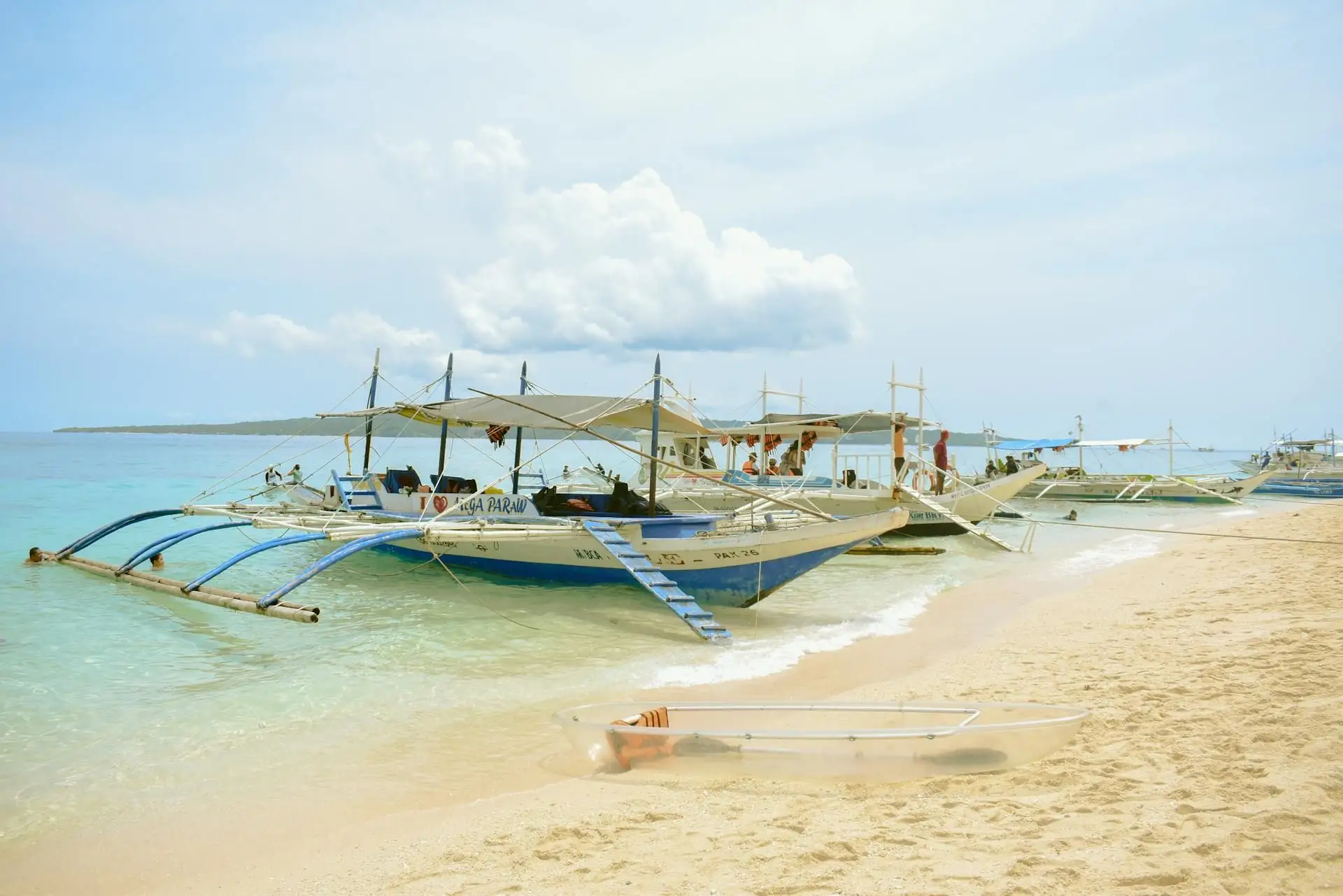
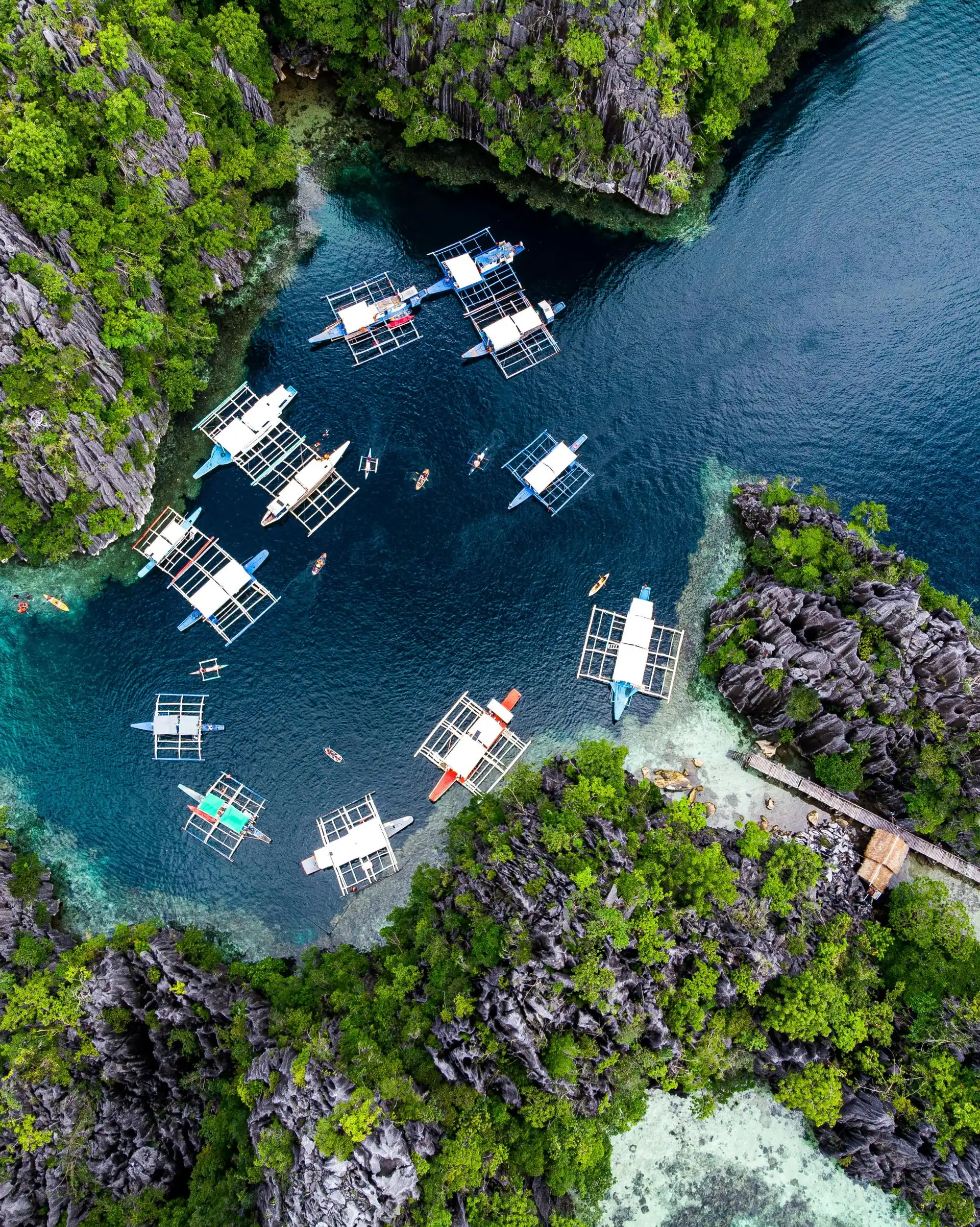
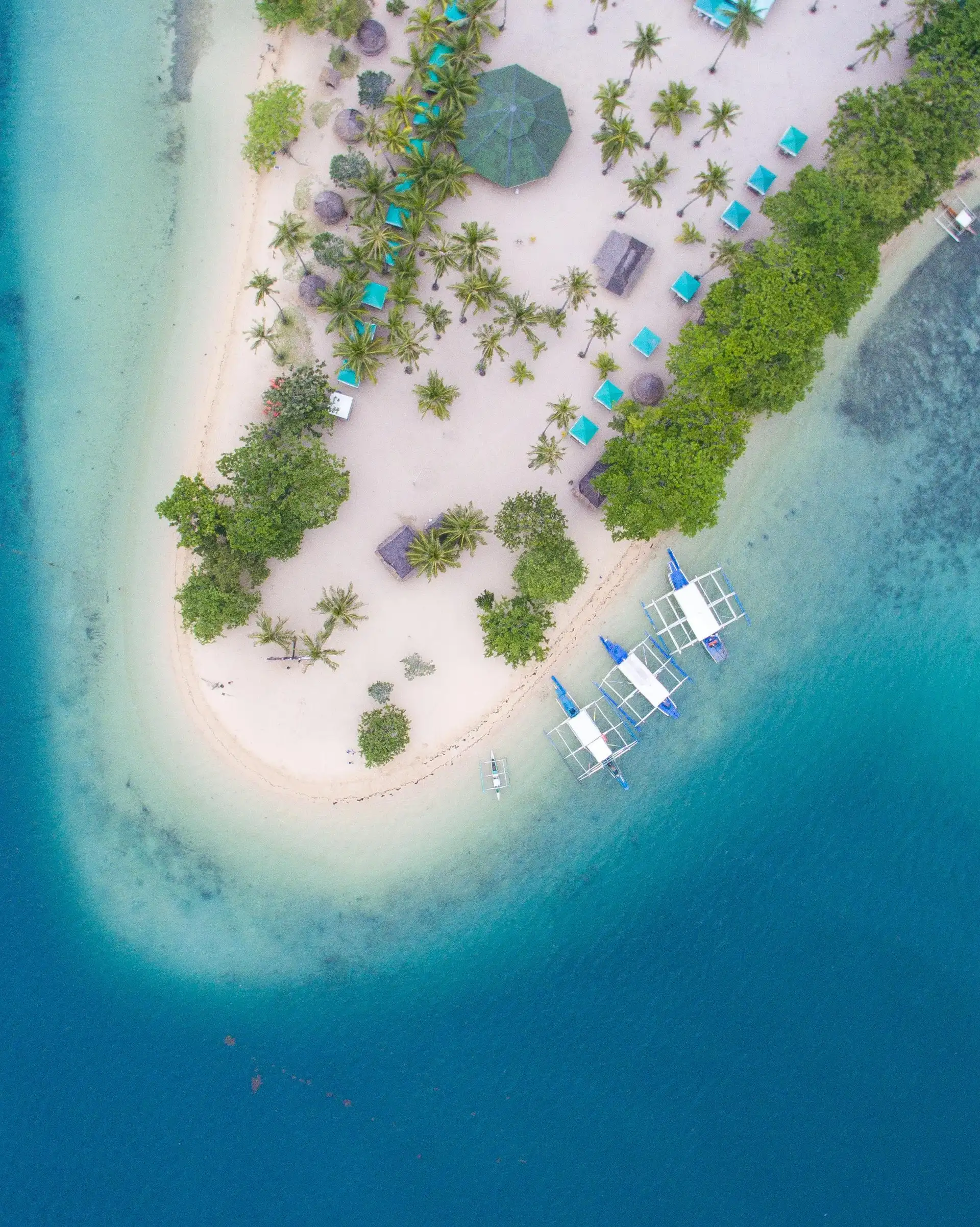
The bangka is the traditional Filipino outrigger canoe, equipped with stabilizers and a motor. Used by fishermen and travelers alike for marine excursions, it connect islands, beaches, and isolated villages, especially in the Visayas, or Palawan. This is a crucial element for island-hopping in the Philippines.
Expert Tips:
- Safety is paramount: Always check for life jackets, the condition of the boat, and rely on
experienced captains.
- Payment: Bring cash for payment (cards are rarely accepted), especially outside major tourist hubs.
- Weather: Check the forecast before departure, as the sea can quickly turn volatile. During
typhoon season (June-October), some crossings are canceled.
Kalesa
The kalesa or horse-drawn carriage mainly survives in Manila (Intramuros) and Vigan. In Vigan, the kalesa remains a distinctive feature of the UNESCO-listed historic center and contributes to local cultural life.
Enjoying the Kalesa Experience:
- In Vigan, the price ranges from 150 to 200 PHP for a personalized tourist circuit—negotiation is common, and the driver often knows all the unmissable stops.
- In Manila, the experience is a low-cost way to discover the heritage of Intramuros.
- No reservation is needed; availability is high in old city centers.
- Respect the horses: Do not impose overly long routes or trips in intense heat—this ensures the
tradition is better preserved.
Air Travel
With over 7,000 islands, traveling in the Philippines often requires flying more than elsewhere in Asia. The country has multiple domestic airports, some continuously developing (El Nido, Siargao, Siquijor, Bohol). Main carriers include Philippine Airlines (and PAL Express), Cebu Pacific (and Cebgo), AirAsia Philippines, AirSwift, and Sunlight Air.
Practical Tips for Worry-Free Travel:
- Delays are Frequent: Expect delays, particularly in bad weather or at Manila airport.
- Connections: Always allow a generous buffer for connections and avoid scheduling an
international flight too closely after a domestic one.
- Booking: During peak season (Christmas, Holy Week, summer), flights often sell out. Book early to secure a fair price and a seat.
- Baggage: Weight limits vary significantly by airline and ticket class (low-cost carriers mean tight restrictions). Carefully review your purchase to avoid surcharges.
Sea Travel by Ferry
In an archipelago, ferry travel is a staple. Major companies (2Go, OceanJet, Lite Shipping, Starlite Ferries, Super Shuttle, Weesam Express, Aleson) connect almost all main islands, offering passenger, vehicle, and fast-craft (high-speed ferry) options.
Expert Tips:
- Fast Crafts (e.g., OceanJet) are rapid and comfortable, limiting crossing times. Classic ferries are slower, often more rustic, but very authentic!
- Booking: Reserve tickets in advance (online or via your local hotel), especially during high
season. Lines at the counter can be very long before departure, particularly on popular routes (Cebu–Bohol, Bohol–Siquijor).
- Weather: Monitor the weather forecast before departure: the rainy season (June–October) can disrupt traffic, and ferries may be canceled without notice.
- Prices vary depending on speed, season, and class chosen. Prepare cash for paying on the spot, especially outside major ports.
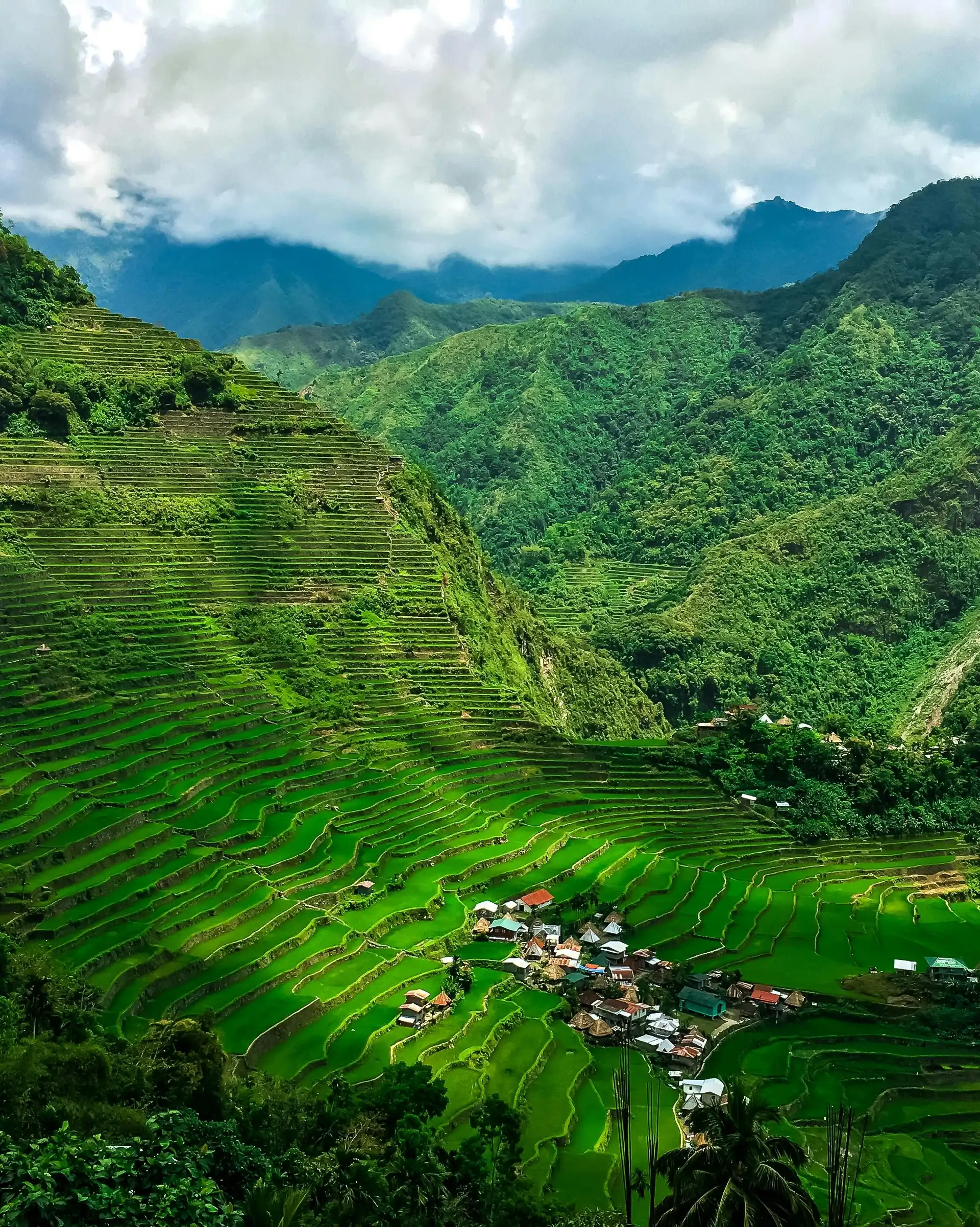
Walking takes on full meaning here for those dreaming of breathtaking rice terraces or majestic volcanoes. Key destinations include the terraces of Banaue and Batad, Mount Apo, Mount Mayon, or Mount Pinatubo.
Precautions and Local Rules:
- Permits and Guides: Several sites require a hiking permit (Mount Apo, UNESCO sites, national parks), and being accompanied by a local guide is often mandatory. Porters may also be required for long expeditions.
- Best Time to Hike: It is strongly advised to travel between November and April to avoid intense rain.
- Regulations: Rules are strict in protected areas, and some access may be closed following
natural risks (e.g. the Taal eruption) or to preserve heritage.
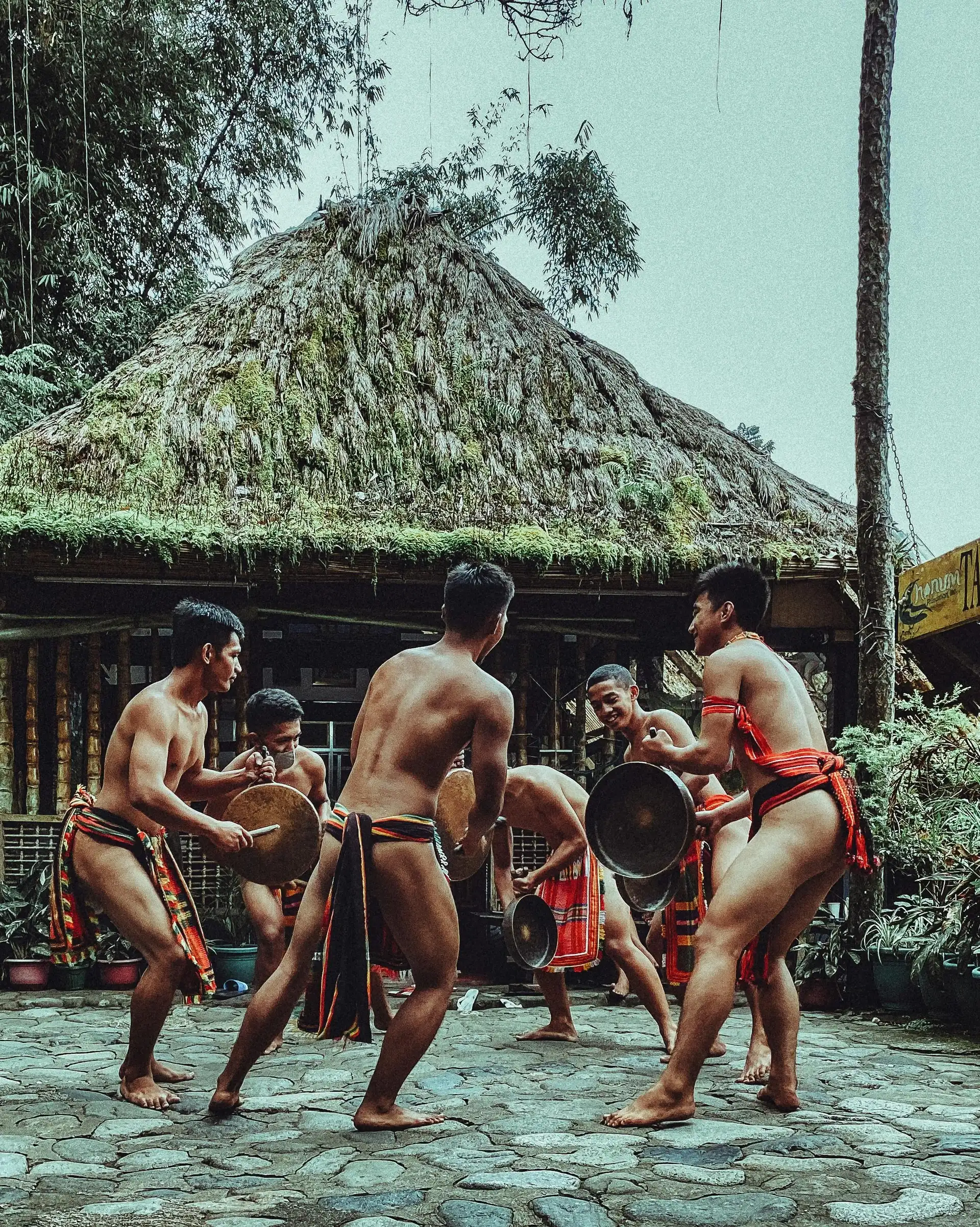
- Authentic Immersion: Choose local guides and homestay hospitality to support Ifugao villages and other native communities who participate in ecological and cultural preservation.
- Always verify the latest access conditions and the necessity of authorizations with local agencies or professional guides.
Shanti Travel Tip:
Allow a buffer day before any international flight, especially after a ferry or domestic flight. Weather disruptions and delays are common; better to avoid last-minute stress.
Getting around the Philippines requires adaptation, common sense, and an open mind. Our Shanti Travel team supports you in the preparation and logistical organization, always prioritizing your safety and comfort, so you can enjoy the wonders of this unique archipelago with peace of mind.