Your expert on destination Philippines
Discovering the prominent personalities who have shaped the archipelago adds a whole new dimension to your trip to the Philippines. Getting to know these "icons" helps understand what builds national pride and fuels everyday conversations during your stay.
For your trip to the Philippines, don't hesitate to learn about the country’s famous personalities and engage with Filipinos! From the anti-colonial revolution to pop culture stages, their legacy is felt everywhere: in schools, arts, and festivities.
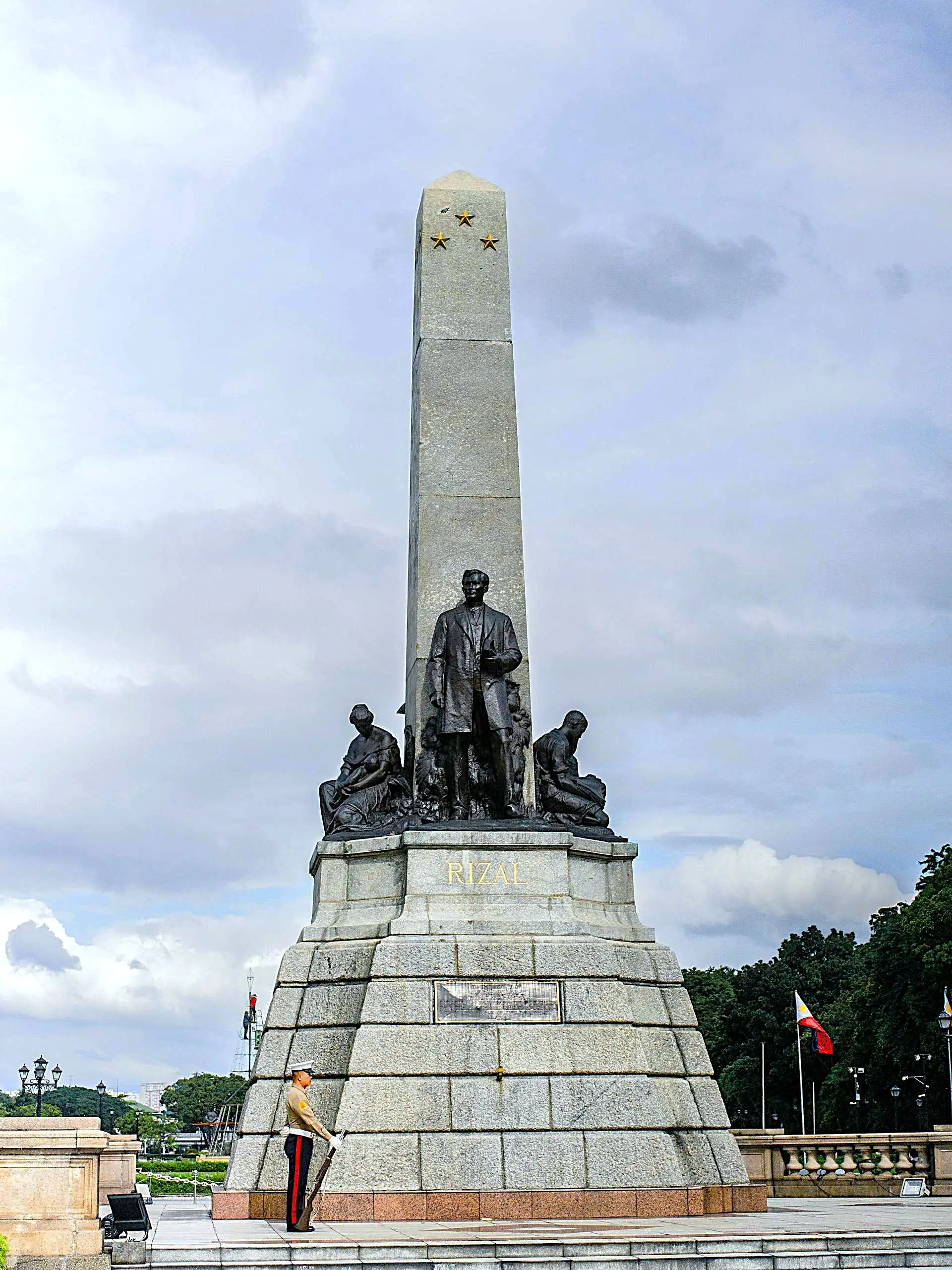
The quintessential national hero! Writer, poet, novelist, and artist, José Rizal sparked national consciousness with his two major works, Noli Me Tangere and El Filibusterismo, which denounced Spanish colonization. Rizal mastered no less than 23 languages and studied at the most prestigious European universities. His execution at age 35 made him a martyr and the peaceful icon of the struggle for freedom. Today, his name and image are everywhere—in schools, monuments, banknotes, and celebrations.
Don Emilio Aguinaldo remains a symbol of political struggle: president of the first republic (1897–1901), he declared Philippine independence on June 12, 1898. His return from exile and declaration of independence after the Spanish-American War are commemorated annually. A historical figure embodying the hope and pride of a newly emancipated nation.
Often called the “Father of the Philippine Revolution,” Bonifacio founded the secret society Katipunan, a key organization resisting Spanish colonization. Born in a humble Manila neighborhood and orphaned young, his armed fight for independence, rituals, and charisma established him as a popular hero. Despite his tragic end—executed by political rivals—his memory is honored as a symbol of courage, social justice, and emancipation.
A revolutionary female figure, Gabriela Silang embodies resistance and bravery. After her husband’s death, she led uprisings against Spanish occupation in the northern Philippines. A national heroine, she symbolizes the pivotal role of women in the fight for Philippine freedom, a source of pride and exemplary courage.
Two major female figures: Marcela Agoncillo, the "Mother of the Philippine flag," sewed the country’s first flag, now omnipresent during national holidays; Melchora Aquino, known as Tandang Sora, actively supported the revolutionary logistics by offering refuge and moral support to insurgents. They remind us how women shaped history far beyond traditional roles.
A controversial couple, their reign (1965–1986) remains a sensitive subject. The Martial Law instituted by Ferdinand Marcos drastically changed society. Imelda, famous for her opulent attire and sense of grandeur, also marked the collective imagination with her political influence. The Marcos family remains present in modern politics, as their son, Ferdinand "Bongbong" Marcos Jr. (BBM), was elected the 17th President of the Philippines in 2022.
A key political figure, Ninoy Aquino’s assassination in 1983 became a turning point in Philippine history and helped ignite the People Power movement. His legacy is closely linked to the democratic transition that followed.
His wife, Corazon Aquino, the first woman President of the Philippines, embodied this democratic renewal after the Marcos dictatorship. Her presidency and her image as the “Widow in Yellow” became symbols of a peaceful transition to democracy. She remains an icon of political change and civic engagement.
A major figure in committed Filipino cinema, acclaimed for his social and political films. Recognized at Cannes, he uses the visual medium to question society and social inequalities.
The Philippines shines thanks to Nobel Peace Prize laureate Maria Ressa, writers like José García Villa and Carlos Bulosan, and artists like Elmer Borlongan, an influential figure in local contemporary art blending social expression, history, and identity.
A true national idol, world champion boxer in multiple categories and former Senator, Manny Pacquiao embodies Filipino success and tenacity. He is a source of pride and inspiration for many Filipinos.
The Philippines has crowned four winners: Gloria Diaz (1969), Margie Moran (1973), Pia Wurtzbach (2015), and Catriona Gray (2018). These women are celebrated as true cultural ambassadors, reflecting the essential role of international recognition in Filipino society.
Apl.de.Ap (Allan Pineda Lindo) of the Black Eyed Peas proudly mentions his Filipino roots in his music. Mickey Bustos offers a humorous look at national habits via viral videos, and Solenn Heussaff (a multi-faceted artist and digital influencer) illustrates the country's modernity.
Scientists also hold a place in collective memory. Dr. Fe Del Mundo, the first Filipina National Scientist, is credited with studies that led to a low-cost bamboo incubator designed for rural communities. Other important figures like Casimiro del Rosario (physics, astronomy), Edgardo Gomez (marine biology), Gavino Trono (phycology), and Dioscoro Umali (agronomy) have raised Filipino science to an important global level, embodying the spirit of innovation and the will for progress.
These names—and many others—are omnipresent: school textbooks, monuments, public holidays, official speeches, artworks, and popular festivals. They contribute to national pride, civic engagement, and the country's international influence. Knowing them is a gateway to learn about Filipino society yesterday and today, and a meaningful way to understand local sensibilities.
At Shanti Travel, our local Philippines travel experts love to highlight the great figures of the Philippines throughout our programs, enriching every encounter with this historical and cultural depth unique to the archipelago.
Subscribe and receive our travel inspirations and practical advice twice a month.
Wanting to share your trip with a group?