To ensure a successful trip to the Philippines, it is essential to approach the discovery of the country with respect and an open mind toward the many cultural differences that characterize the archipelago. Here are some practical tips and insights to better appreciate the human and social richness of the Philippines:
Attitudes and Social Relations
- Hospitality and Smiles: Filipinos are known for their great kindness and warmth. A sincere smile, a friendly word, or a warm greeting is always appreciated and facilitates exchanges.
- Openness toward foreigners: Curiosity about visitors is natural. Locals do not hesitate to start conversations or invite guests to share a meal or even offer the hospitality of their home. If people look at you with curiosity, it is generally friendly and welcoming rather than intrusive.
Respect and Codes of Politeness
- Elder Respect: Signs of respect, particularly toward elders, are paramount. The traditional
gesture and saying,"Mano po," involves bringing the back of an elder's hand to your forehead, signifying honor and filial respect.
- Polite Particles: The use of the particles po or opo in conversation marks politeness toward elders or those in authority. For example, "Magandang umaga po" (Good morning) or
"Kamusta po kayo?" (How are you?).
- Entering a Home: Always remove your shoes when entering a Filipino home, unless the host explicitly asks you to keep them on. This is a vital gesture of respect for the dwelling and the
household.
- Social Harmony: It is recommended not to raise your voice or contradict interlocutors directly in order to preserve social harmony (hiya).
- Body Language: Avoid pointing with your finger; favor gentle gestures of deference. To indicate a direction, Filipinos often subtly point with their lips.
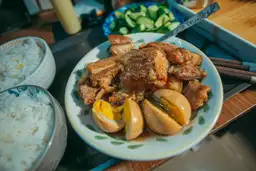
- Food Offerings: Accepting at least one bite of an offered dish is a gesture of respect; refusing outright is considered impolite.
Useful Tagalog Vocabulary
| English | Tagalog |
|---|
| Good morning | Magandang umaga |
| Good afternoon | Magandang hapon |
| Good evening | Magandang gabi |
| Hello (informal) | Kamusta |
| Goodbye | Paalam |
| Please | Pakiusap / Paki |
| Thank you | Salamat |
| Yes | Oo/ Opo |
| No | Hindi/ Hindi po |
| Sorry | Paumanhin |
| Excuse me | Mawalang-galang na po / Excuse me po |
Dress Code and Environment
- Casual Wear: Casual attire like shorts and T-shirts is generally accepted, but swimwear should be reserved strictly for beaches and pools. In less touristy areas, expect to see locals swimming while fully clothed.
- Churches: When visiting churches, opt for modest attire (shoulders and knees covered) out of respect for the central role of Catholicism in public life.
- Formal/Home Visits: Dressing neatly and modestly is good practice when visiting local homes and in formal situations.
Religion and Respect for Local Practices
- Catholicism: Catholicism is omnipresent in society. Visitors are welcome to observe religious
practices quietly and respectfully, especially during major celebrations.
- Muslim Areas: In the South, particularly in regions like Mindanao, where the Muslim population is more numerous, an attitude of respect and tolerance toward different practices is strongly recommended.
- General Conduct: Generally, avoid any loud or disrespectful behavior during religious
ceremonies.
Taboos and Sensitive Topics
- Personal Topics: Subjects related to sexuality, romantic relationships, abortion, or contraception are delicate and largely taboo. It is best to avoid them in conversation.
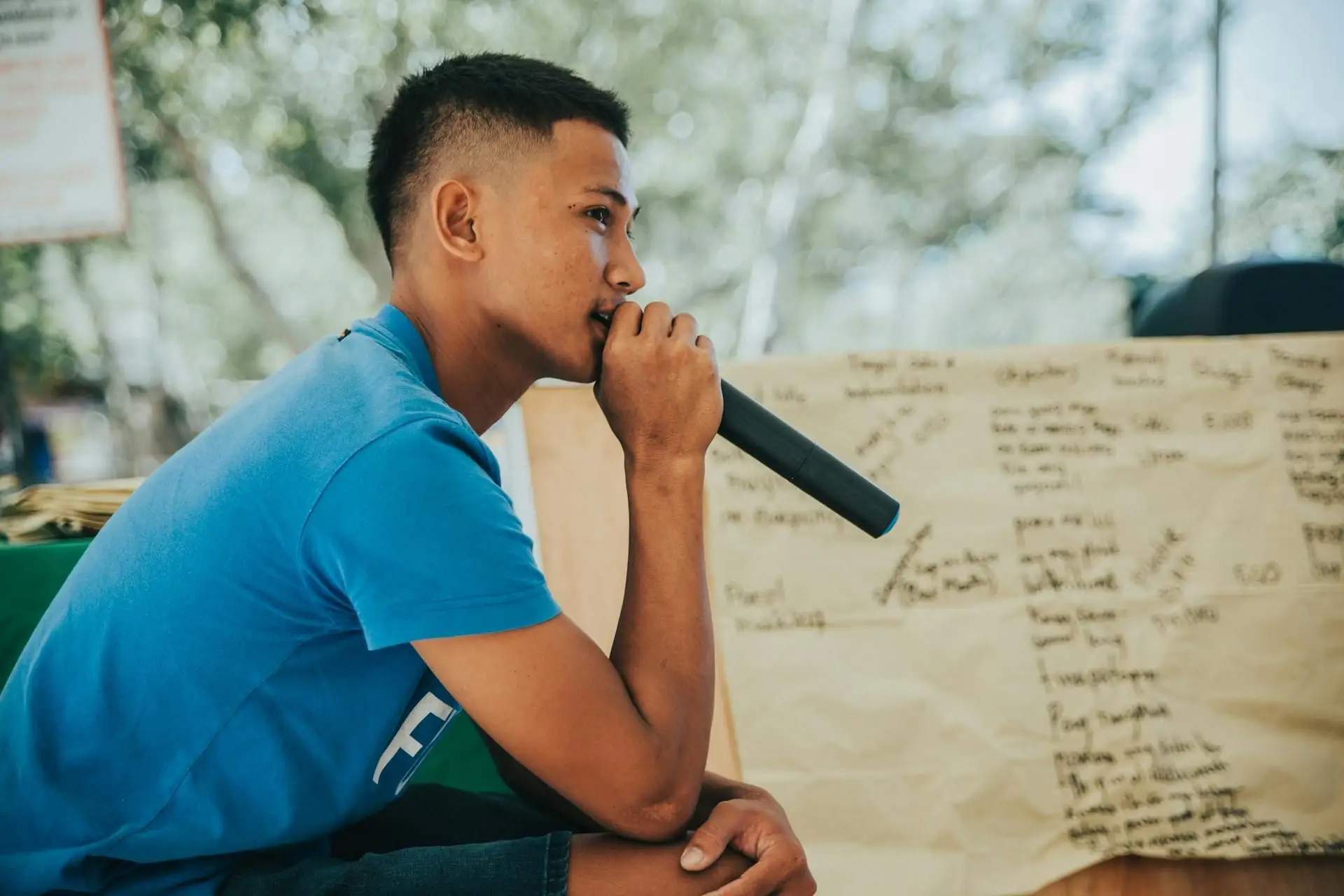
- Criticism: Directly criticizing, refusing an offered dish (as noted above), or monopolizing the
microphone during karaoke (a national institution) sessions can be particularly frowned upon.
- Public Debate: Discussions about religion or political issues (especially those involving the
Marcos, Aquino or Duterte eras) should be approached with great caution and only in an appropriate context.
Pace of Life and Punctuality
The famous "Pinoy time" (or Filipino time) refers to a relaxed approach to punctuality. Delays, lateness, and last-minute changes are frequent—there is no need to take offense; simply exercise patience.
Daily Life, Traditions, and Conviviality
- Family Structure: The family is the bedrock of Filipino society, marked by deep respect for elders and strong inter-generational solidarity. It is not uncommon for several generations to live under the same roof.
- Community Spirit: The communal spirit of bayanihan symbolizes cooperation and mutual aid, whether for moving homes, holding festivals, or overcoming collective difficulties.
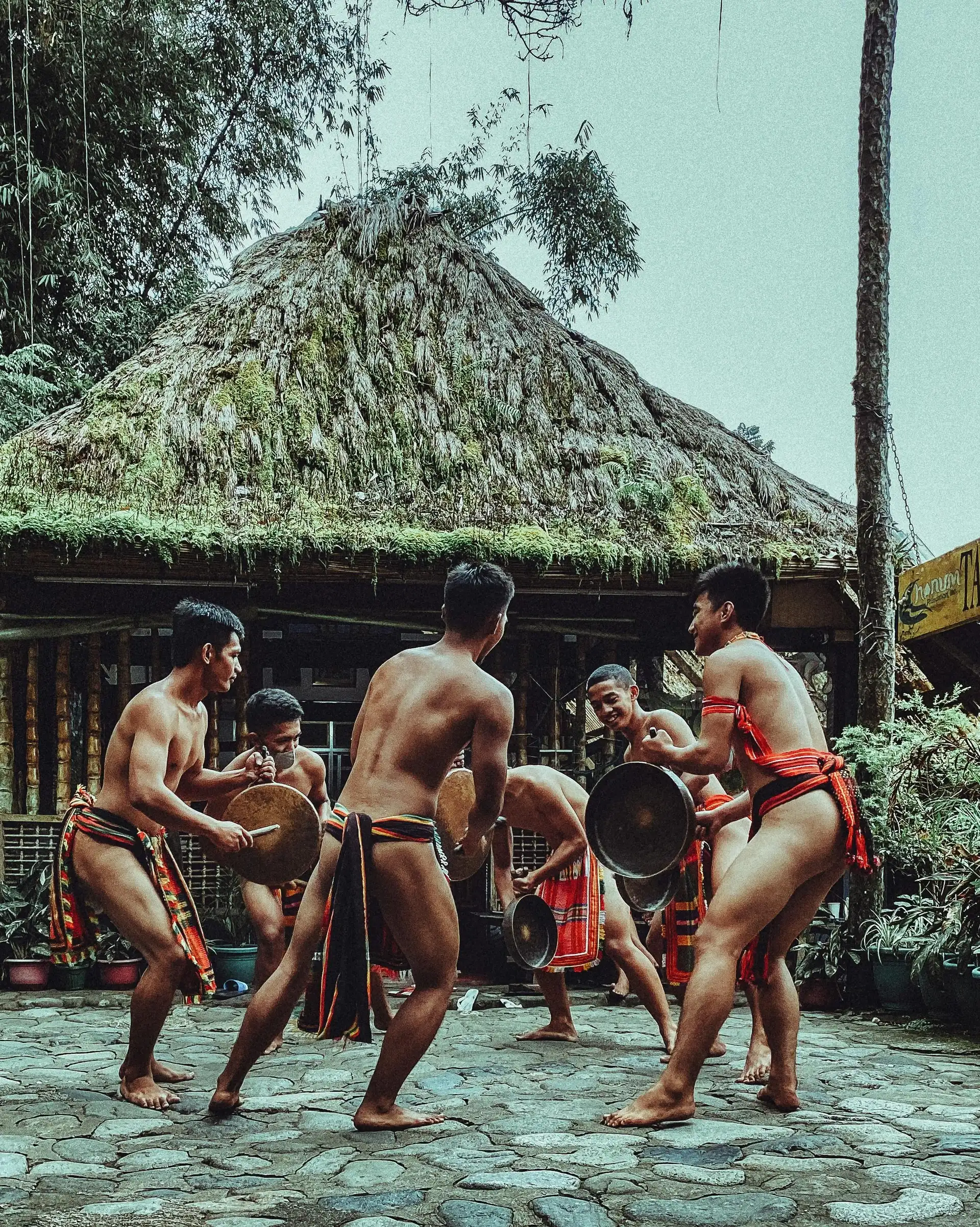
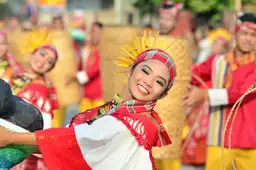
- Festivals: Local festivals (fiestas) are vibrant events rich in colors, rhythms, and traditions. Joining these festivities is a memorable experience, complete with processions, dancing, and generous buffets.
- Cultural Staples: Karaoke is a true institution, shared among family and friends in a convivial and respectful atmosphere. Communal meals like kamayan (eating with hands on banana leaves) reflect the joy of sharing.
- Holidays: Christmas is celebrated for several months, starting in early autumn (September) and lasting until mid-January, in a highly festive atmosphere.
- Merienda: It is common to have afternoon snacks in addition to the three main meals.
Tips for Cultural Immersion and Avoiding Blunders
- Patience: Adapt with patience to the local rhythm and flexibility in organization (the essence of "Pinoy time").
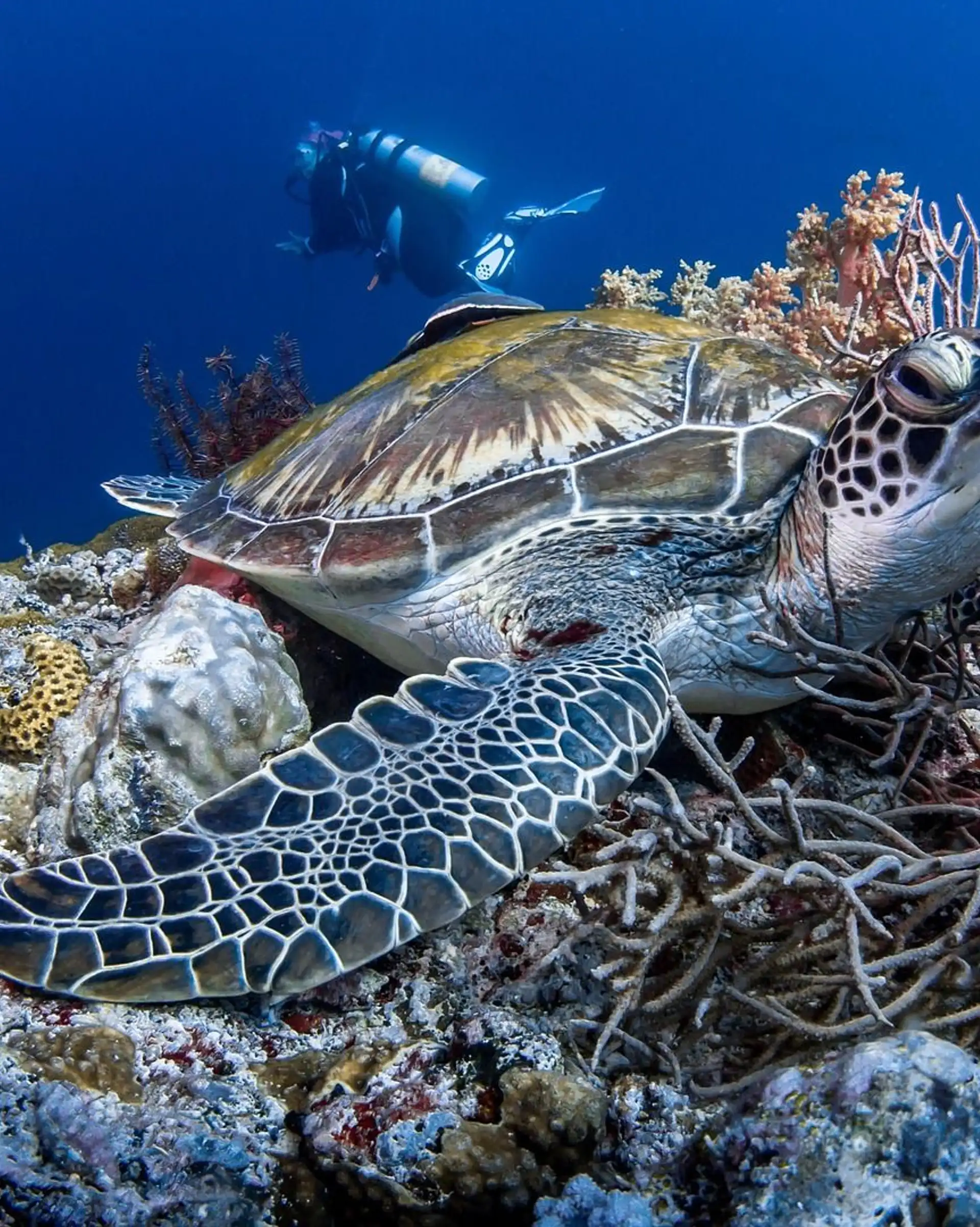
- Responsible Tourism: Respect nature, especially during coastal activities: do not touch corals or marine animals, and prioritize responsible tourism.
- Discretion: Avoid displays of affection (e.g., passionate kissing) and drawing attention to
valuables or money (e.g., counting large amounts of cash) in public places.
- Engagement: Learn a few words in Tagalog, share a smile, and show openness; this benevolent attitude fosters authentic exchanges.
- Participation: During parties or celebrations, participate discreetly, observe local customs, and
do not hesitate to sample the Filipino cuisine to immerse yourself in the culture.
Allowing yourself to be carried away by the gentle pace of life in the Philippines, demonstrating respect and curiosity, and integrating into local life without judgment or haste—these are the keys to an enriching and harmonious tailor-made trip to the Philippines.