Security in Japan
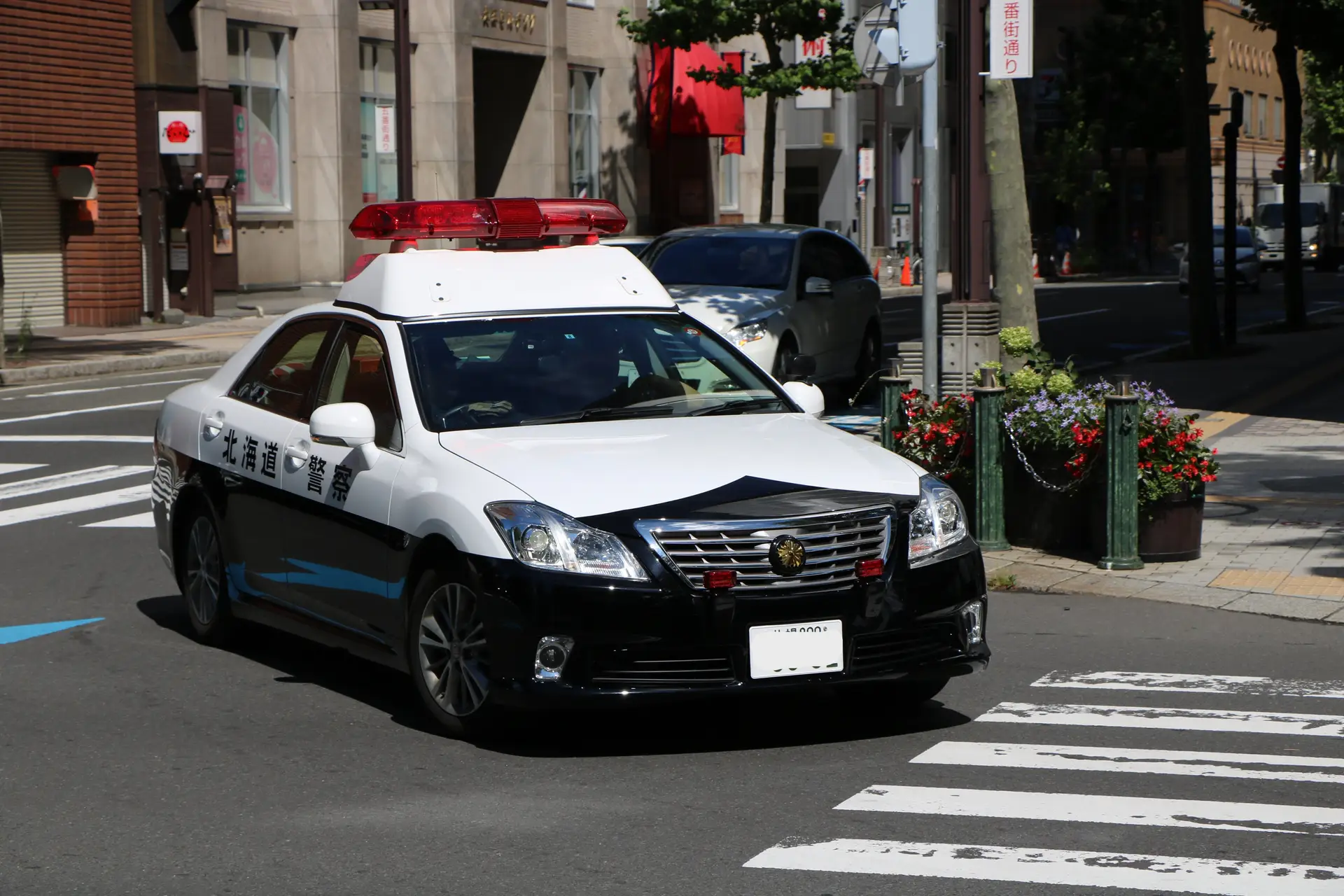
Japan is one of the safest destinations in the world for travellers. The risk of crime is low, but some precautions are still necessary, particularly regarding earthquakes, tsunamis, typhoons and volcanic eruptions.
Throughout my years as a Japan expert at Shanti Travel, I have found that safety in Japan is much more than simply a tourist advantage: it is one of the fundamental aspects of local life and travel. Discovering safety when travelling in Japan therefore offers travellers a rare and valuable sense of peace of mind, but also requires an understanding of certain local specificities in order to enjoy your stay with complete peace of mind.
Emergency numbers in Japan
- 110: police
- 119: fire brigade and ambulance
- Japan Visitor Hotline: 050-3816-2787, traveller assistance available 24/7.
Key point What you need to know General safety Japan is an overall very safe destination, with a low level of crime. Earthquakes In the event of an earthquake, stay sheltered and follow the instructions given by the authorities or staff present. Tsunamis After a major earthquake on the coast, immediately move to higher ground if an alert is issued. Families Japan is particularly well suited to family travel thanks to its generally safe and well-organised environment. Emergencies 110 for the police and 119 for the fire brigade or an ambulance.
Why is Japan one of the safest countries in the world?
Japan ranks among the countries with the lowest crime rates in the world. This reputation can be explained by a combination of unique factors:
A rigorous local police force:
Present throughout the country, notably through the "kōban", small neighbourhood police stations, the Japanese police focuses in particular on prevention. Officers monitor local areas and can advise or assist travellers.
Strict respect for social rules:
Discipline, courtesy and a strong sense of community act as genuine barriers to crime. Education in mutual respect begins at a very young age.
Balanced use of technology:
Video surveillance systems and administrative traceability, such as the "My Number" system, also contribute to safety, while working alongside a strong level of social trust.
Deterrent criminal penalties:
Strict legislation and the rigorous enforcement of rules regarding minor offences (theft, carrying bladed weapons, drink-driving), with strict legislation and rigorous enforcement.
The result can be seen in everyday life: it is common to see young children going to school alone, bicycles left without locks, or bags left unattended on a café table. Honesty is such a strong part of everyday life that even lost belongings are often found and can be handed in to local police stations, known as "kōban".
Good to know: Some recent statistics indicate a slight increase in offences after the pandemic, but Japan remains, by far, one of the countries where you are likely to feel safest.
Practical safety tips for travellers
Although Japan effectively protects both residents and visitors, it is still important to follow a few specific local customs:
Respect discretion and local rules:
Only smoke in designated areas, avoid speaking loudly or making phone calls on public transport, wait patiently for your turn and maintain a discreet attitude in public places. Never take a photo without permission.
My expert advice: Observe the Japanese people around you and take inspiration from their behaviour. If they speak quietly, remain discreet; if they are talking more freely, you can allow yourself to be a little more relaxed. This simple observation will quickly help you understand how to behave depending on the situation.
Personal belongings:
Although the risk of theft is low, keep an eye on your belongings in crowded places. On public transport, especially during rush hour, be aware of pickpockets. In restaurants or cafés, leaving a bag or coat unattended is common, but it is still worth remaining vigilant in very busy places.
Solo travel/women:
Travelling alone or with children does not present any particular difficulties. There are women-only carriages on the metro during rush hour. Opt for well-lit routes at night and let your loved ones know about your movements, as you would anywhere else.
Safety in accommodation and transport
Accommodation, whether traditional ryokans, modern hotels or hostels, follows very strict standards:
- Rooms are simple and free of dangerous objects. Respect for privacy is instilled even in shared accommodation.
- Remove your shoes at the entrance and carefully follow the house rules.
- Safes are frequently available in hotels. In a traditional ryokan, keep your valuables with you or ask your host for advice.
- Even in very safe places, always lock your door and close your windows at night.
On public transport (trains, metros and buses), cleanliness, quietness and discipline prevail. Increased surveillance and civility further reduce the possibility of petty theft or altercations.
Natural risks and environmental precautions
Most risks in Japan come from nature, so caution is still advised:
Wild animals:
You may come across deer or curious monkeys in the countryside; avoid feeding or approaching them, especially in protected areas.
My expert advice: If you are planning to go hiking, bring a bear bell, which you can buy in most shops located near the trails. Likewise, if you come across bells installed along the trail, ring them to signal your presence and keep bears away.
Earthquakes:
Buildings are designed to withstand earthquakes. If you feel an earthquake, take shelter under a table and follow local instructions. Keep essential information with you, such as your hotel card and identification documents.
Tsunamis:
- If a coastal tsunami warning is issued following an earthquake, immediately follow the authorities' instructions and move to higher ground.
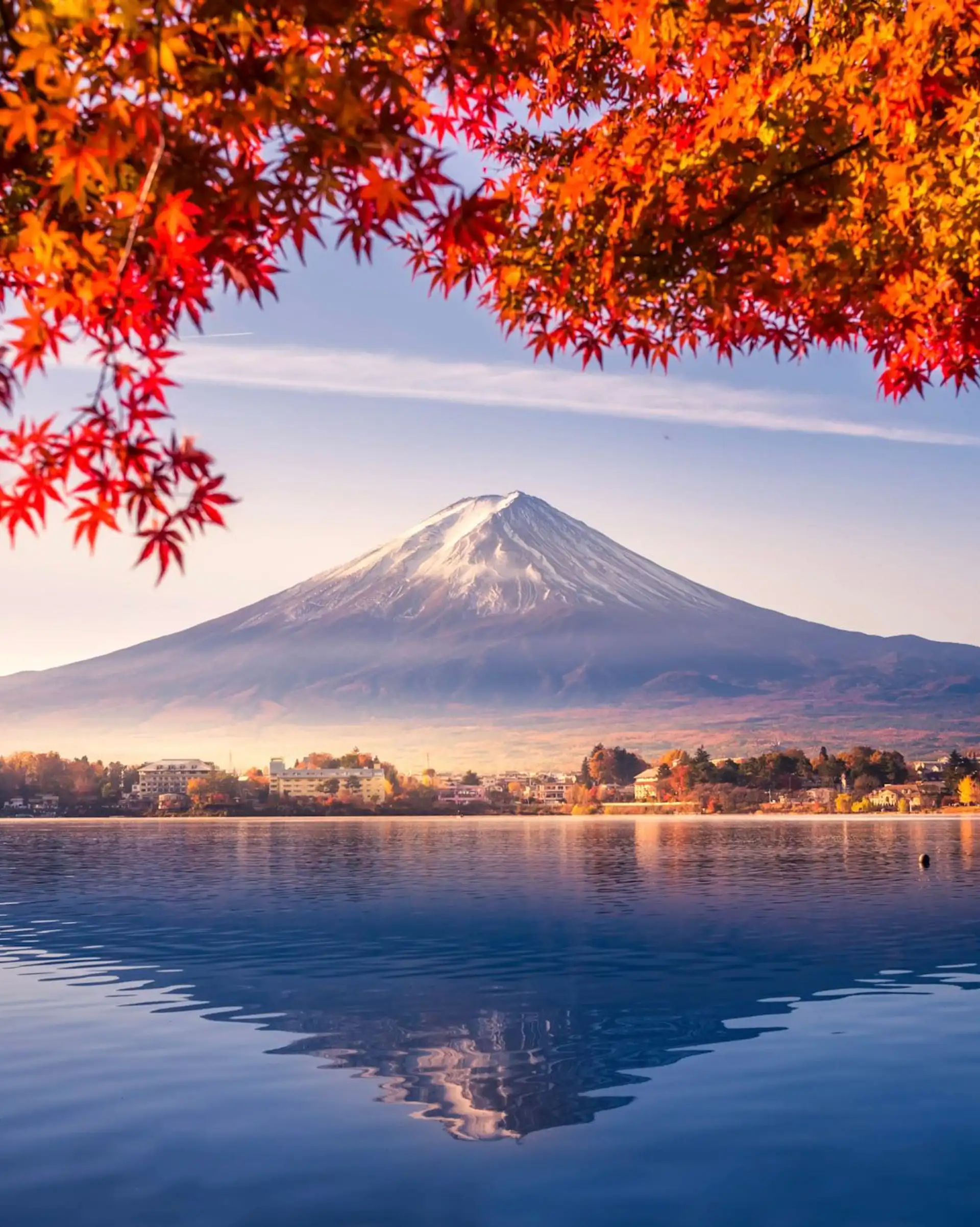
- Volcanoes: (Learn more about volcanoes in Japan)
- Weather: During summer typhoons, stay informed and postpone outings or hikes if weather conditions require it.
Scams and vigilance in urban areas
Japan is relatively unaffected by scams, but a few situations require caution, particularly in certain nightlife districts of major cities:
Bars with excessive prices or dubious clubs (Kabukichō, Roppongi in Tokyo, lively districts of Osaka):
Never follow a stranger into an establishment and always check prices at the entrance. Politely refuse drinks or invitations that seem overly insistent.
Fake police officers or solicitors:
Uncommon, but never hand over money or your passport to an individual who is not in uniform. Be wary of unusual requests for financial assistance or offers outside the usual tourist circuit.
Children, families and older people: safety designed for everyone
Travelling as a family in Japan is a unique experience:
Children benefit from an exceptionally safe environment, with marked school routes, volunteers at intersections and safe-haven shops identified through the “House 110” system.
Families quickly find their bearings thanks to urban planning designed to encourage soft mobility and collective vigilance: safe pedestrian crossings and attentive service in all public places. Older travellers benefit from generally well-adapted neighbourhoods and a strong sense of community solidarity.
Our Shanti Travel advice:
Keep these particularities in mind to travel with peace of mind, while maintaining the level of caution appropriate for any major journey. Make the most of Japan’s unique sense of tranquillity, whether you are travelling as a family, as a woman, as a senior traveller or alone.
To prepare further for your trip, feel free to contact our experts. They can help you create a tailor-made trip and provide you with several practical guides to help you prepare for your stay in the Land of the Rising Sun.
FAQ
Yes. Japan is generally considered a very safe destination for solo travelers. However, it is still advisable to take the usual precautions, particularly at night and in crowded areas.
In the event of an earthquake, stay calm, protect yourself, and follow the instructions of the authorities or staff present. If you are on the coast following a major earthquake, immediately move to higher ground in the event of a tsunami warning.
You can contact the police by dialing 110. Dial 119 to call the fire department or an ambulance. The JNTO also offers a 24-hour visitor assistance hotline.