Understanding cultural differences in Japan
To fully enjoy a trip to Japan, the main rules to know concern greetings, removing your shoes, meals, public transport, public baths, tipping and respecting public spaces. Understanding these cultural differences makes it easy to avoid the main faux pas you might unintentionally make.
Travelling with Shanti Travel also means being sure that you are fully informed about local customs and etiquette thanks to the advice of our experts, as well as benefiting from support throughout your stay.
Here is our little guide to common mistakes… and how to easily avoid them!
Key facts
What to know in Japan Best practice Greetings Prefer bowing and avoid spontaneous physical contact Shoes Remove your shoes wherever requested Meals Follow the rules regarding chopsticks and polite expressions Transport Queue and remain discreet in public spaces Tipping Do not leave a tip Onsen Wash yourself before entering the bath Photos Ask permission before photographing someone Waste Keep your rubbish with you when no bin is available
Common mistakes to avoid
In Japan, some habits that seem perfectly natural to us can be surprising or even poorly perceived. Without necessarily realising it, travellers often make a few small faux pas during their trip to Japan:
- Avoid speaking too loudly on public transport or in restaurants.
- When greeting someone, prefer a slight bow of the head rather than a handshake or a kiss on the cheek.
- Remove your shoes when requested, particularly in homes, some restaurants and traditional accommodation.
- Be discreet in public spaces, particularly when blowing your nose or showing affection.
- When queuing, simply follow the example of the Japanese people around you and respect the established order.
Dos and Don'ts in Japan: subtle cultural differences to know
To take things a little further, here is a short list of cultural differences to know in Japan to help you avoid a few awkward moments during your trip:
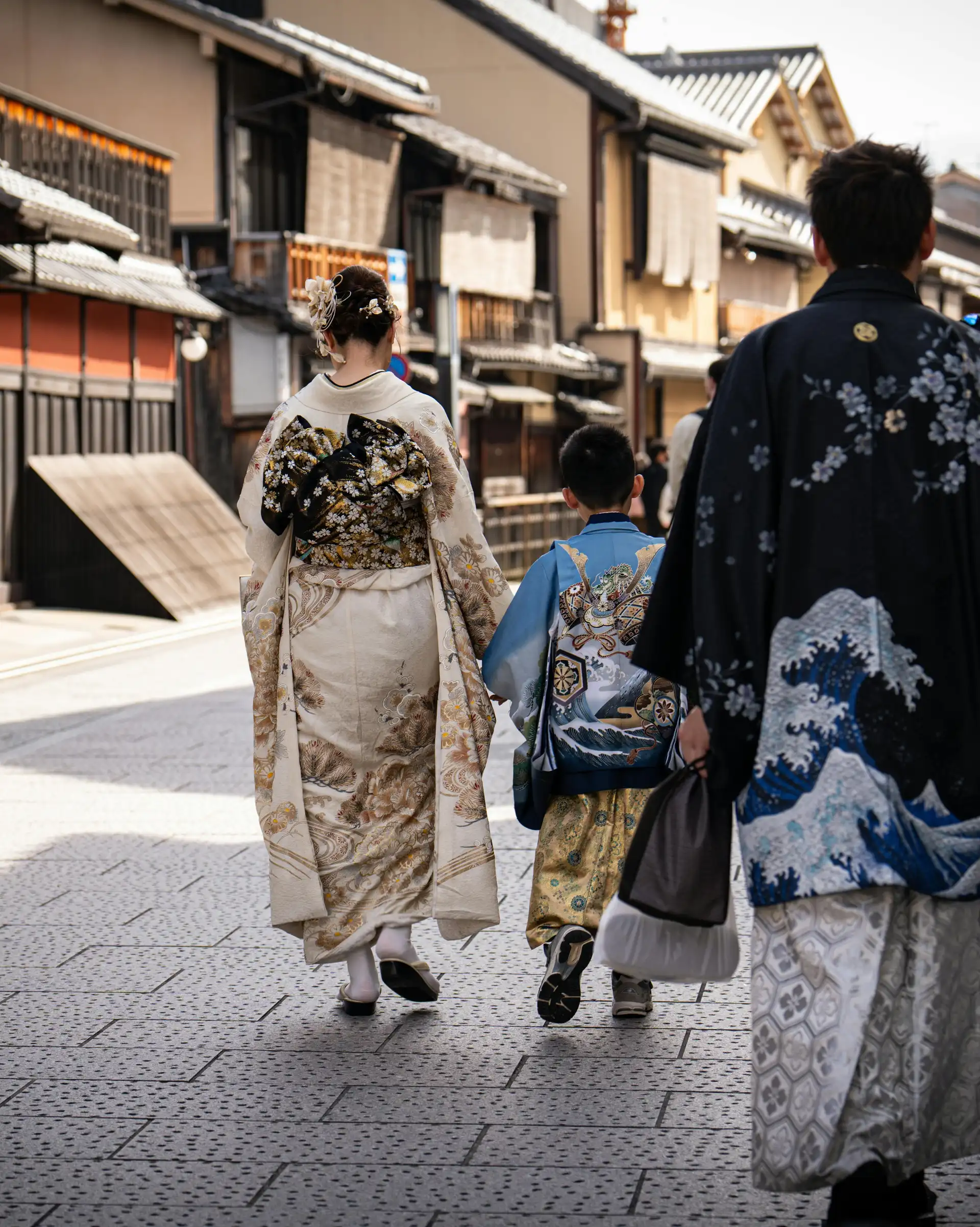
- Greetings and gestures: Do not kiss Japanese people on the cheek or shake hands, as there is very little physical contact in Japanese culture. Simply nod your head or, more authentically, bow, known as ojigi, which is formal and highly codified. The angle rarely exceeds 30°, except to express exceptional respect. Greetings are often accompanied by polite expressions such as “sumimasen” (excuse me) and “arigatou gozaimasu” (thank you very much).
- Always remove your shoes where required: It is customary to remove your shoes when entering someone's home, a traditional restaurant, certain temples or any place with tatami mats. There is usually a designated area at the entrance for shoes; you can then put on slippers or remain in your socks. Pay attention to hygiene: clean socks are essential, as cleanliness is an important part of the Japanese way of life.
- Table manners: Never stick your chopsticks upright into a bowl of rice, as this gesture is associated with funeral rituals. You should also never pass food from one pair of chopsticks to another for the same reason. Loud chewing is generally considered impolite, except when eating noodles: when enjoying ramen, slurping them loudly is a way of showing that you appreciate the dish! Avoid eating and drinking while walking or on the metro.
- Traditional expressions: Say “Itadakimasu” before starting your meal and “Gochisousama deshita” at the end to express your thanks. Before leaving your host or a restaurant, “Arigatou gozaimasu” shows your respect.
- Eye contact and communication: In the West, direct eye contact is often continuous, but in Japan it is more discreet. Avoiding eye contact can be a sign of modesty or respect, particularly towards older people. Japanese communication tends to rely on what is left unsaid: implicit meanings, silences and reading the context take precedence in order to preserve group harmony (wa).
- Transport and public spaces: Japanese people are punctual and respect communal life. On the metro, keep to the left, let people get off before boarding and wait patiently in line. Speaking loudly or talking on the phone is frowned upon: discretion is preferred. Always queue, whether boarding a train or buying a ticket. Signs are often marked on the floor to organise queues.
- Showing affection: Whether as a couple or within a family, signs of affection are generally reserved for private spaces. Hugs, kisses and other overt displays of affection in public are discouraged, including between a mother and her child.
- Smoking and cleanliness: Only smoke in designated areas, even on the street. Japan is renowned for its cleanliness: there are very few public bins because people generally take their rubbish home with them.
- Tipping and service: Tipping is not customary in Japan and can be misunderstood. If you leave money, it will usually be politely returned or may be perceived as an affront or as questioning the staff's remuneration.
- Public baths (onsen): Before entering an onsen or sento, wash yourself thoroughly. The water should remain clean for everyone. Be careful if you have visible tattoos: some establishments may prohibit them or require them to be covered, as they are associated with organised crime (yakuza).
- Tissues and health: Blowing your nose loudly in public is considered impolite. Japanese people tend to use a tissue discreetly and wear a mask, particularly when they have a cold or allergies. This is a way of showing consideration for others.
- Giving a gift when invited: If you are invited to a Japanese family's home, bring a modest gift, such as sweets, tea or elegant chopsticks, attractively wrapped. Avoid white, which is associated with mourning. The gift should be offered with both hands and humility: the intention matters more than the value. Sharp objects such as knives should be avoided, as they symbolise separation.
- Photographing other people: Always ask permission before photographing a person or even a temple. After taking the photo, show them the result.
The importance of the group and social harmony (wa)
Living and travelling in Japan also means understanding that the individual tends to give way to the collective. Harmony (wa) guides everyday behaviour: every action aims to preserve social peace, make a good impression and avoid disrupting the balance of the group. Consensus, emotional restraint and modesty are pillars of Japanese society. Open disagreements are generally avoided, and people often read between the lines rather than expressing their opinions directly in order to avoid any form of confrontation. This constant search for agreement shapes both working life and private relationships: leaving the office late, not openly criticising others or always meeting collective expectations are all part of Japanese life.
At Shanti Travel, our support on the ground will help you understand these subtleties so that you can experience Japan differently: not simply as a visitor, but as a genuine cultural explorer, attentive and respectful of every detail.
FAQ: Japanese Etiquette and Cultural Customs
Greetings, tipping, shoes, dining and onsen etiquette: practical answers to help travellers respect local customs during a trip to Japan.
A slight nod of the head is generally sufficient for travellers. The Japanese bow, or ojigi, is more formal and follows specific conventions.
No. Tipping is generally not customary in Japan and can cause confusion when money is handed directly to staff.
Yes, whenever indicated, particularly in traditional accommodation, some restaurants, temples and spaces with tatami mats. It is recommended to wear clean socks.
This depends on the place and circumstances, but eating or drinking while walking is generally discouraged. It is preferable to consume your purchases in designated areas.
You should wash yourself thoroughly before entering the bath and should not put your towel in the water. Tattoo policies vary from one establishment to another.




![Alignement de maisons de pêcheurs traditionnelles funaya au bord de l'eau dans le village de pêcheurs d'Ine au Japon[cite: 10].](https://dozjp40rj04ea.cloudfront.net/eyJidWNrZXQiOiJzaGFudGktc3RyYXBpLXVwbG9hZHMiLCJrZXkiOiJKYXBvbl9JbmVfVmlsbGFnZV8wMDk0MjE5MTYwLmpwZyIsImVkaXRzIjp7InJlc2l6ZSI6eyJmaXQiOiJjb3ZlciIsIndpZHRoIjoyNTZ9LCJ0b0Zvcm1hdCI6IndlYnAiLCJ3ZWJwIjp7InF1YWxpdHkiOjU1fX19)