
Your expert on destination Japan
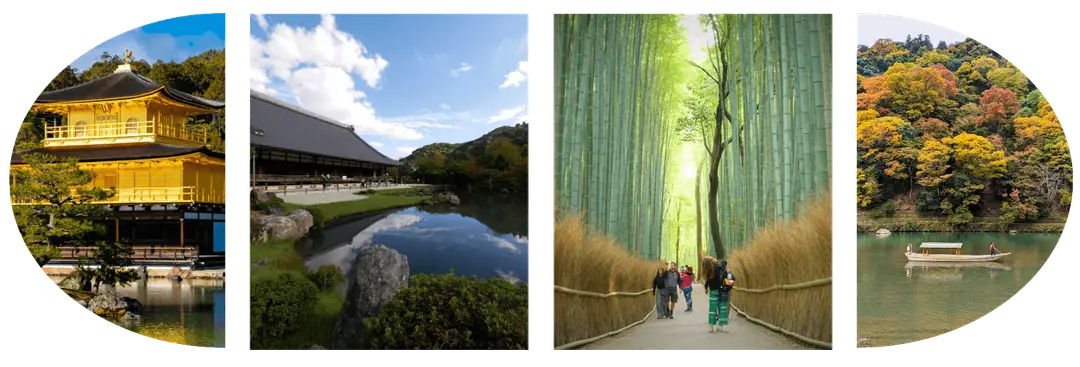
Kyoto is home to more than 1,600 Buddhist temples and 400 Shinto shrines, spread across an area that extends well beyond the city center. With its temples and shrines, gardens, and traditional alleyways, Kyoto is a must-see destination for discovering traditional Japan** during a trip to Japan. Unfortunately, in recent years, the city has also been affected by overtourism. There is no need to worry, however, as it is entirely possible to enjoy Kyoto without contributing to or suffering from the phenomenon. I therefore suggest a 3-day itinerary, perfect for discovering the city at a relaxed pace, with a few tips to help you avoid the crowds as much as possible.
Key points Tip Recommended duration 3 days to discover Kyoto's main neighborhoods and temples without spending too much time traveling between them. To avoid the crowds Start popular visits early in the morning and use rail transport whenever possible. Day 1 Kiyomizu-dera, Higashiyama, Nishiki Market and Gion. Day 2 Fushimi Inari, Ginkaku-ji and the Philosopher's Path. Day 3 Kinkaku-ji and Arashiyama. Things to respect
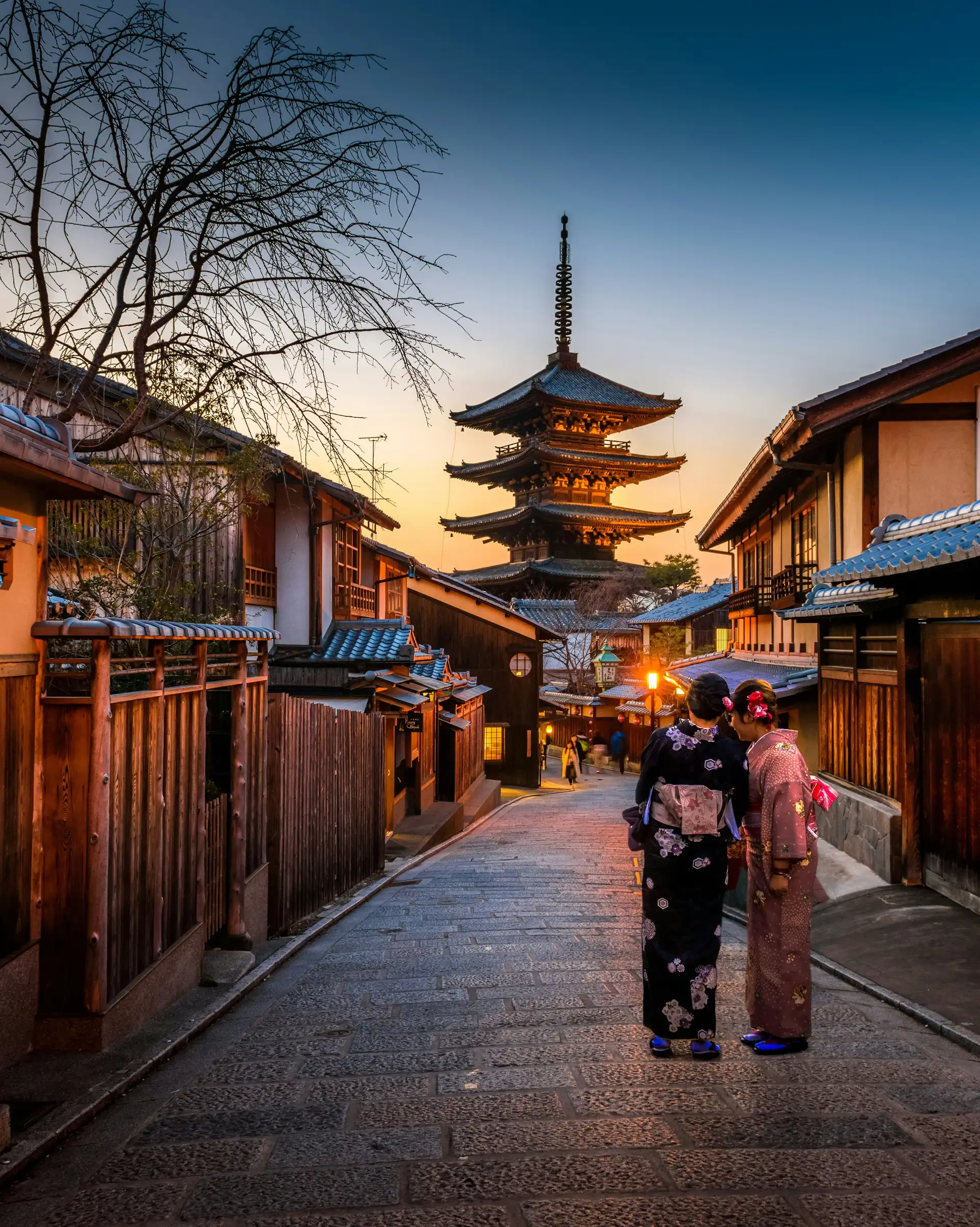
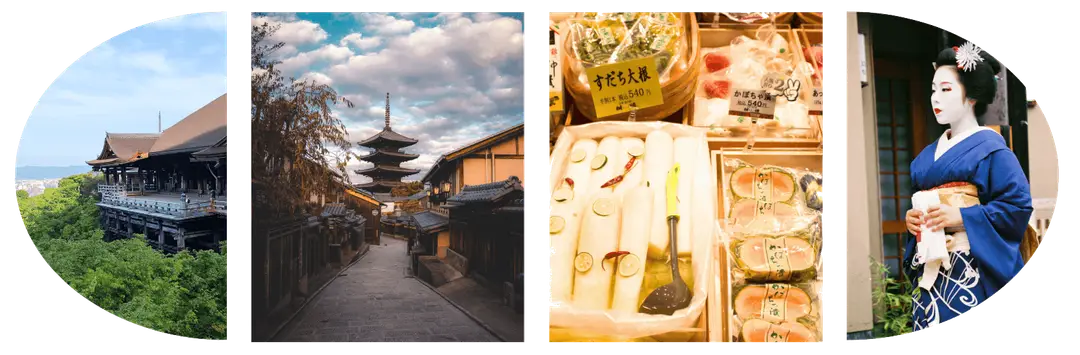
Kiyomizu-dera Temple opens as early as 6 a.m., making it possible to avoid the crowds. The peaceful atmosphere is already part of the experience, and walking through the mountains and forests around Kiyomizu is an experience in itself. At the end of your visit, plan to walk down the Ninnenzaka and Sannenzaka streets while the groups of tourists have not yet arrived, taking in the traditional streets of Kyoto in the quiet of a city waking up.
My advice: Depending on your pace, if you get up at the crack of dawn to be there when it opens, don't forget to plan on going back to bed for another hour or so, so you don't collapse halfway through your day of sightseeing.
Around noon, head to Nishiki Market, known as the stomach of Kyoto. It is still home to several century-old shops. This is the perfect opportunity to discover and taste local specialties, as well as pick up a few souvenirs.
At the eastern exit, you will come out onto a large covered shopping street, Teramachi, lined with numerous shops. A good opportunity to do some shopping before heading to your next destination.
My expert tip:
- At Nishiki Market, visitors are asked not to eat while walking. Food purchased there should be eaten in front of the shop where it was bought or taken away.
- Stop at Honno-ji Temple, a small temple that houses the mausoleum of Oda Nobunaga, one of the most famous military commanders in Japanese history. You will also find a museum displaying several armors, swords and precious objects connected to this period of Japanese history.
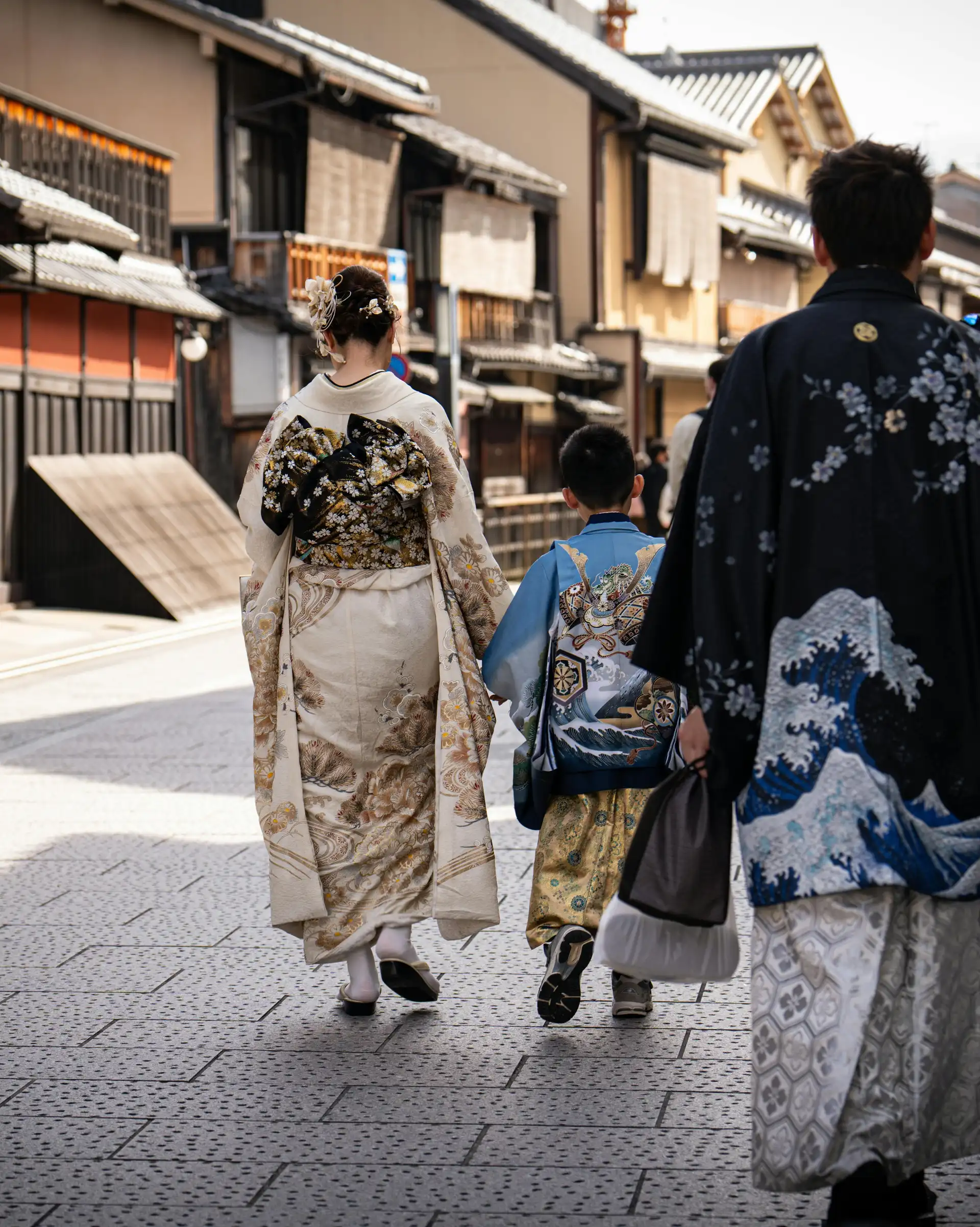
In the late afternoon, head to Gion, the historic district where geiko (the local term for geisha) and their apprentices, the maiko, still work today.
Hanami-koji Street, lined with dark wooden façades typical of machiya architecture, sometimes offers the chance to catch a glimpse of a maiko on her way to an appointment. Respecting their privacy is essential: do not follow them, touch them or photograph them without permission. Also avoid blocking their path or that of other people.
My expert tip: Stop at Honke Nishio Yatsuhashi, where you can discover the history of this shop, considered the oldest in Kyoto, and taste one of the city's traditional sweet specialties: yatsuhashi. However, if you have a sweet tooth and want to take some home with you, be aware that yatsuhashi does not keep very well. Remember to check its best-before date before buying it.
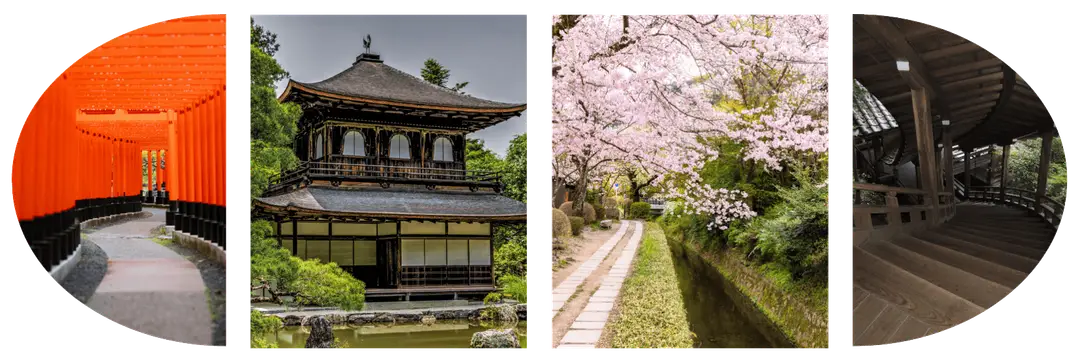
Start with Fushimi Inari-taisha Shrine, famous for its thousands of torii (ritual gates) forming a continuous tunnel along the slopes of Mount Inari. The site is open 24 hours a day and there is no entrance fee, but visitor numbers rise quickly after 9 a.m. Allow around two hours for the round trip to the summit and back, depending on your pace.
My expert tip: Arriving at 7 a.m. allows you to walk through the first torii in almost complete tranquility. Another option is to come after 8 p.m., once night has fallen, when the shrine takes on a completely different, more mystical atmosphere. In either case, it is easy to fit the visit into your day.
Built in 1482 by Ashikaga Yoshimasa, grandson of shogun Ashikaga Yoshimitsu, who commissioned Kinkaku-ji, Ginkaku-ji, or the Silver Pavilion, was initially built as a secondary residence. After Yoshimasa's death, the building was converted into a Buddhist temple. It was originally intended to be covered in silver leaf, but the project was ultimately never completed. This very simplicity is precisely what gives Ginkaku-ji much of its charm today, and it is considered one of Kyoto's iconic temples.
Legend has it that Kitarō Nishida, a Japanese philosopher of the early 20th century, regularly walked along this path during his meditative strolls to reach Kyoto University.
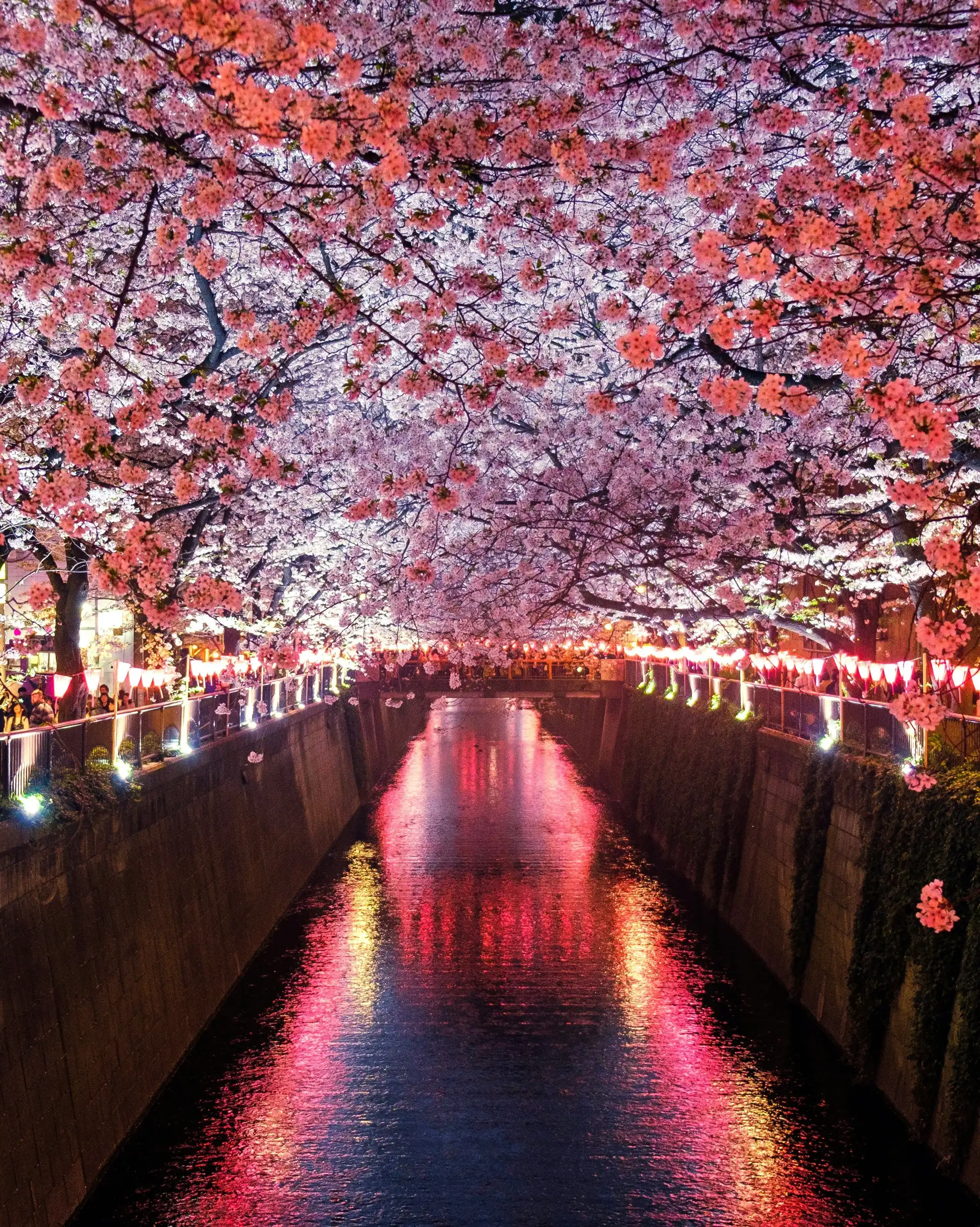
Today, the Philosopher's Path follows a small canal lined with cherry trees and temples for nearly two kilometers. It connects Ginkaku-ji with the Nanzen-ji area and offers a pleasant walk through the heart of Kyoto.
My expert tip: The path passes by numerous temples and gardens, so don't hesitate to stop at random. You may make some lovely discoveries. My personal favorite is undoubtedly Eikan-dō, perfect for taking a short break beside its inner garden.
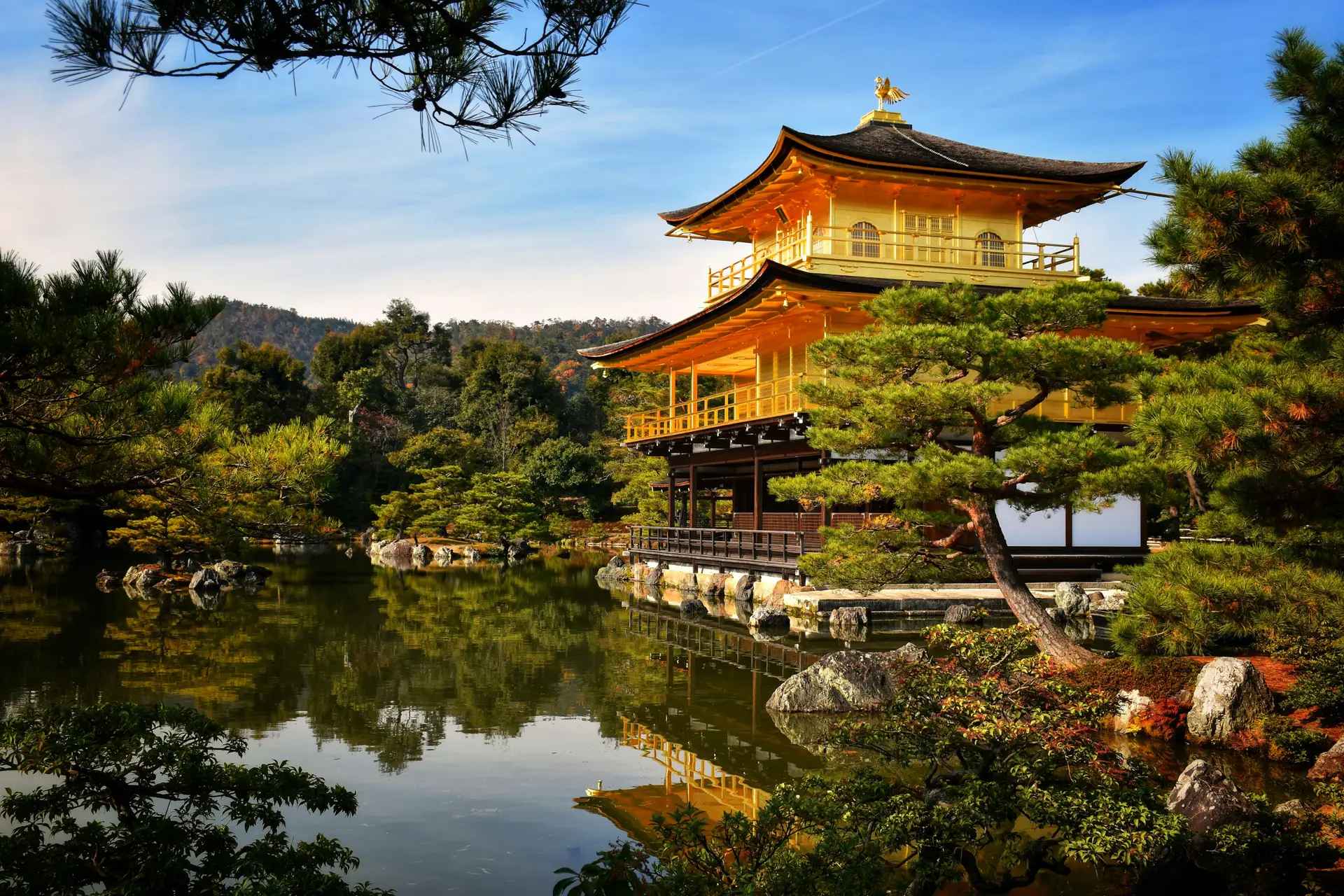
This morning, head to one of Kyoto's best-known temples, the Golden Pavilion, Kinkaku-ji. You will quickly understand that the name is well deserved: the upper two floors of the pavilion are covered in gold leaf. Rebuilt in 1955 after an arson attack destroyed the building five years earlier, Kinkaku-ji nevertheless remains a symbol of the Muromachi era, a skilful blend of the aristocratic and samurai cultures of the period.
Continue on to Arashiyama. There are many places to visit here, so don't hesitate to set aside a good half-day. Among the main highlights is Tenryu-ji Temple, built by the first shogun of the Muromachi era, Ashikaga Takauji, in 1343. Take some time to enjoy the views over the gardens and relax.
In the late afternoon, I recommend heading to the bamboo grove, which is open all day. Visitor numbers may start to decrease toward the end of the afternoon, giving you the chance to walk more peacefully among the bamboo shoots, which can reach several meters in height. There are many places to visit in the area, but the bamboo forest remains one of Arashiyama's must-see spots.
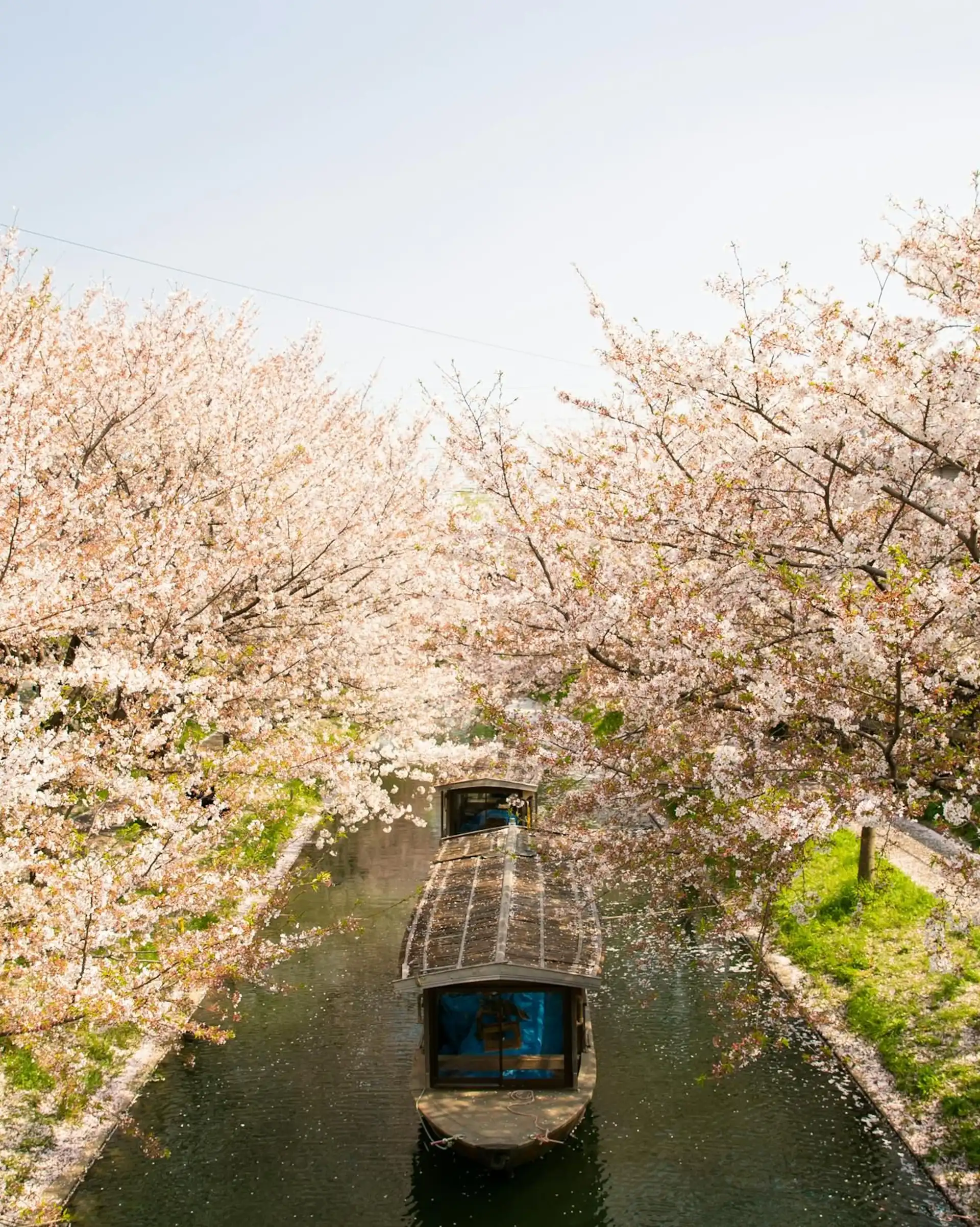
Nearby, Togetsukyo Bridge, which crosses the Katsura River, offers beautiful views of the surrounding hills, particularly appreciated in spring when the area is filled with cherry trees.
My expert tip: Arashiyama is not limited to the few places mentioned above. Don't hesitate to leave the main streets and venture a little farther afield. For example, Gio-ji Temple and Adashino Nenbutsuji are very interesting stops and generally quieter than the main sites.
Three days in a city with such a rich cultural heritage are obviously not enough to see everything. The support of our experts helps you make the most of your visits and select the ones that best suit you. We also incorporate our Kyoto itineraries into our tours, combining them according to your preferences with Tokyo, Nara or the Kansai region, depending on the total length of your stay.
Our expertise goes beyond sightseeing: we also offer experiences that allow you to make the most of your trip and discover Japanese history and culture.
Yes, three days are enough to discover Kyoto's main sites without spending too much time traveling between them. This itinerary focuses on the east, northeast and west of the city.
Start your most popular visits early in the morning, particularly Kiyomizu-dera and Fushimi Inari, and choose less crowded sites toward the end of the day.
Yes. Trains, the subway, buses and walking allow you to reach most tourist sites. For Fushimi Inari, the JR Nara Line is particularly recommended from Kyoto Station.
Spring and autumn are particularly popular for their landscapes, but these are also very busy periods. Visit times and your choice of neighborhoods can therefore make a significant difference when it comes to avoiding the crowds.
Some visits and experiences require reservations, but the main temples and shrines on this itinerary can generally be visited independently. It is especially advisable to plan ahead for transportation and experiences with fixed schedules.
Subscribe and receive our travel inspirations and practical advice twice a month.

Wanting to share your trip with a group?