Your expert on destination Japan
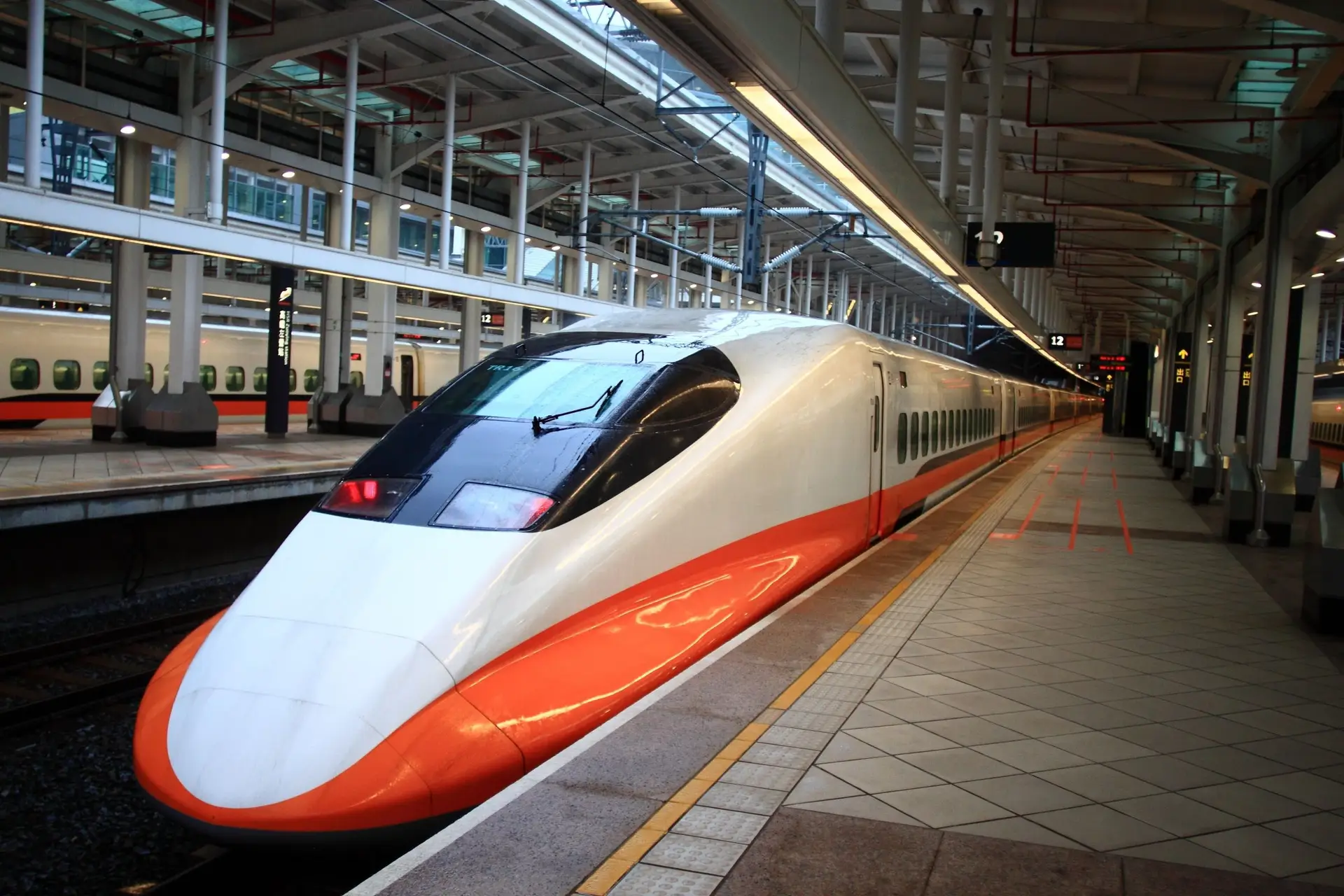
Japan is easy to travel around by train, Shinkansen, subway, bus, ferry, car or plane, depending on the region. The train is generally the most convenient way to connect major cities, while cars and buses are particularly useful in rural areas.
For a truly immersive and comfortable experience during your trip to Japan, it is essential to understand the many transportation options in Japan that make the archipelago so accessible. Drawing on our experience on the ground, here is a detailed overview along with practical tips for getting around like a local!
The Shinkansen is an icon of modern Japan: uncompromising speed, comfort and almost impeccable punctuality. Major cities are connected by lines reaching speeds of up to 320 km/h. There are different classes (Ordinary and Green), as well as several regional passes that provide unlimited access to these lines for a set period. While the JR Pass is often mentioned and was once considered essential for travelers in Japan, it has become much less cost-effective in most cases since its significant price increase in October 2023.
On the Shinkansen, as on all Japanese trains, punctuality is everything: be on the platform on time, or even a little early! More peaceful journeys are guaranteed, even with large pieces of luggage (consider luggage storage or delivery services if you are traveling with a lot of baggage).
Expert tip: During busy periods (Golden Week, New Year holidays, Obon), seat reservations are strongly recommended, as trains can quickly sell out.
In major cities (Tokyo, Yokohama, Osaka, Kyoto…), local networks are highly developed, but their complexity can be surprising. Several companies share the network, including JR, Tokyo Metro and Toei in Tokyo; and Hankyu, Hanshin and Keihan in Osaka.
In rural areas, buses are sometimes the only option. It is therefore essential to check the schedules (which can be infrequent) in advance and allow plenty of time for connections.
Essential tips:
- Contactless cards: Get an IC card (Suica, Pasmo, Icoca, etc.) as soon as you arrive. These cards make it easier to switch between different operators and save you from having to buy tickets for every journey. They can be topped up and used on most urban transportation, and even in some shops! Our experts arrange your arrival so that you have an IC card as soon as you arrive in Japan, making your first journeys as easy as possible.
- Rush hours: Carriages are often crowded between 7–9 am and 5–7 pm. For greater comfort, some lines offer women-only cars.
- Cleanliness and respect: Keep your voice down, avoid eating and refrain from talking on the phone.
Japan’s mountainous landscape has led to the development of numerous cable cars and funicular railways. They provide access to prestigious natural or cultural sites such as Hakone, Miyajima and Koyasan.
Good to know: Some regional passes include these forms of transport, and operating hours vary depending on the season. Plan your visit to enjoy panoramic views at sunrise or sunset. Often, a cable car ride is the starting point for a hiking route or a visit to a shrine.
Made up of thousands of islands, Japan has historically been closely connected to the sea. Ferries remain essential, particularly for reaching islands such as Okinawa, Miyajima or Hokkaido, as well as for lower-cost cruises on lakes and urban rivers.
Please note: Ferries are punctual and clean, and some also carry vehicles. Make reservations in advance for long crossings or during major events.
Intercity buses are a good alternative for traveling around the country at a lower cost, with the comfort of reclining seats and sometimes Wi-Fi on board. Generally slower than trains, they allow you to travel through varied landscapes, from the valleys of the Japanese Alps to picturesque countryside, and reach destinations that are less accessible by rail.
Taking the bus with Shanti Travel? For bus journeys, our experts can arrange the transportation suited to your itinerary and make the necessary reservations. This is particularly convenient during peak seasons, when some routes can quickly become fully booked.
Renting a car offers freedom and flexibility, particularly in certain rural regions or for discovering sites away from the main tourist routes. In addition to the mandatory translation of your driving licence, driving on the left and the widespread use of automatic vehicles can take some getting used to. Speed limits are strictly enforced (30 km/h in cities, 100 km/h on highways).
Good to know: Parking is rarely included when booking hotels in cities, and independent car parks are generally more expensive in city centers.
Japan stretches for more than 3,000 km from north to south. To reach distant islands or save time, domestic flights with ANA, JAL and other local airlines are efficient. Fares vary depending on how far in advance you book and the distance.
Expert tip: Remember to book flights with the same amount of luggage allowance as your international flights.
By choosing Shanti Travel to organize your tour, you benefit from expert support in navigating all the specificities of Japanese transportation: selecting the right passes, optimizing your routes and providing tips for traveling with peace of mind while experiencing Japan’s exceptional train culture.
This FAQ explains how to travel around Japan using trains, the Shinkansen, local transport and IC cards, with practical advice on the Japan Rail Pass.
The train is generally the most convenient way to travel between Japan’s main cities. The Shinkansen is particularly useful for covering long distances quickly, while buses and cars are often better suited to rural areas.
Not necessarily. The Japan Rail Pass is mainly worthwhile when your itinerary includes several long-distance journeys on the JR network. It is recommended to compare its price with the cost of purchasing individual tickets before buying it. The current page should therefore avoid presenting it as systematically advantageous.
IC cards can be used on many public transport networks and in some shops, but their use depends on the areas and networks concerned. It is best to check the local conditions when your itinerary takes you outside the major urban regions.
Driving is relatively straightforward, but it requires driving on the left and having the documents required to drive in Japan. A car is particularly useful in rural or mountainous areas that are less well served by trains.
Travelers can use luggage delivery services (takkyubin) to have their suitcases transported directly between two accommodations. This makes it easier to travel on trains and public transport, in particular.
Subscribe and receive our travel inspirations and practical advice twice a month.
Wanting to share your trip with a group?