Accommodation in Japan
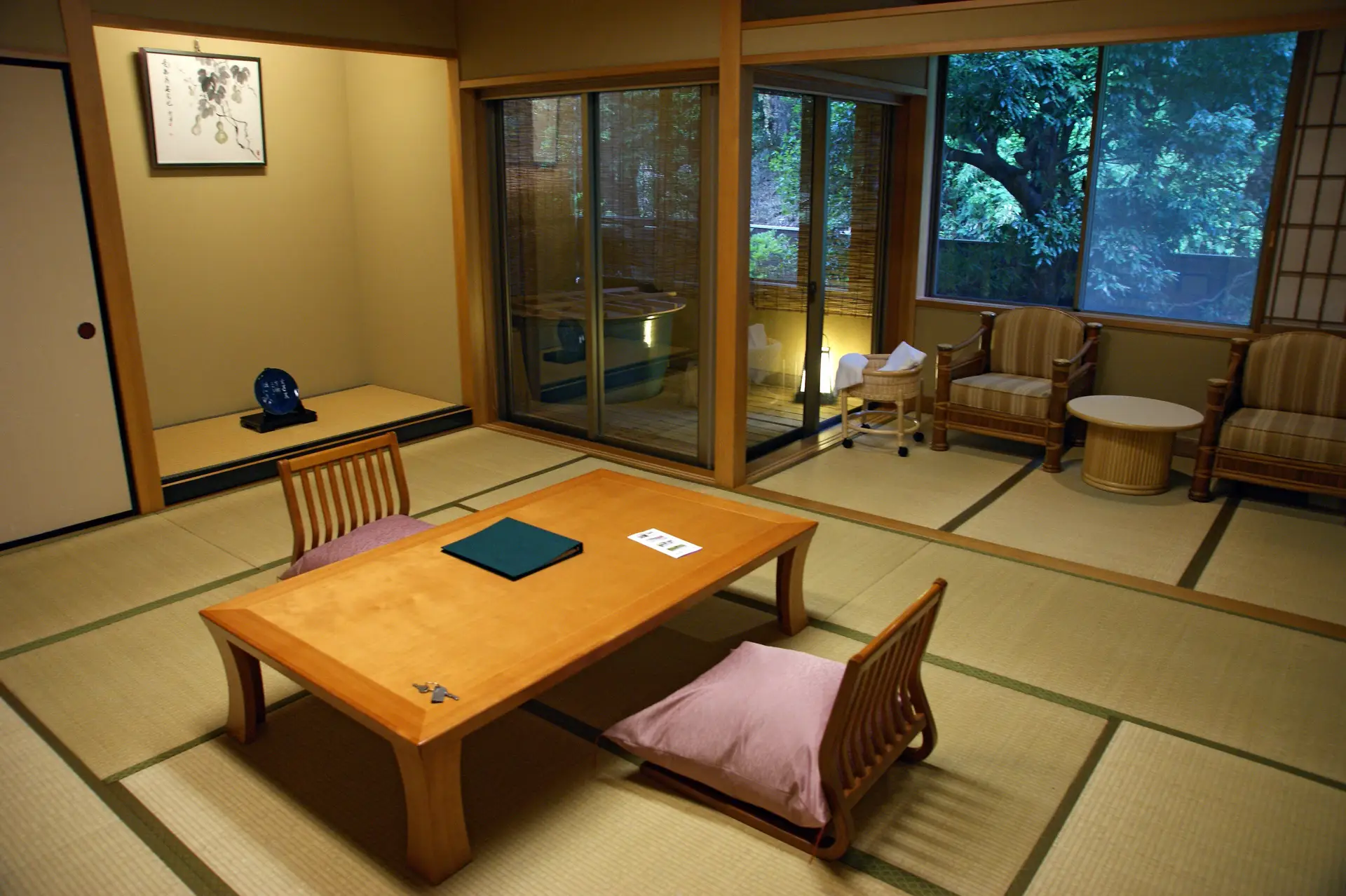
Choosing where to stay in Japan is , for me, an integral part of the journey. Throughout my travels across Japan, alternating between different types of accommodation has allowed me to discover many facets of the country, from contemporary comfort to the most intimate traditions. So here's a short guide to help you choose the accommodation best suited to your travel style (feel free to combine several types during the same trip).
In a nutshell
Type of accommodation Experience Budget Ideal for Ryokan in Japan Tradition & onsen €€€ Cultural immersion Shukubo Spirituality & silence €€€ An introspective experience Hotel Modern comfort €€ Cities and smooth itineraries Capsule hotel Unusual & minimalist €€ Trying something different for one night Guesthouse Meeting people & authenticity € Meaningful travel experiences
Hotels in Japan: comfort, efficiency and surprises!
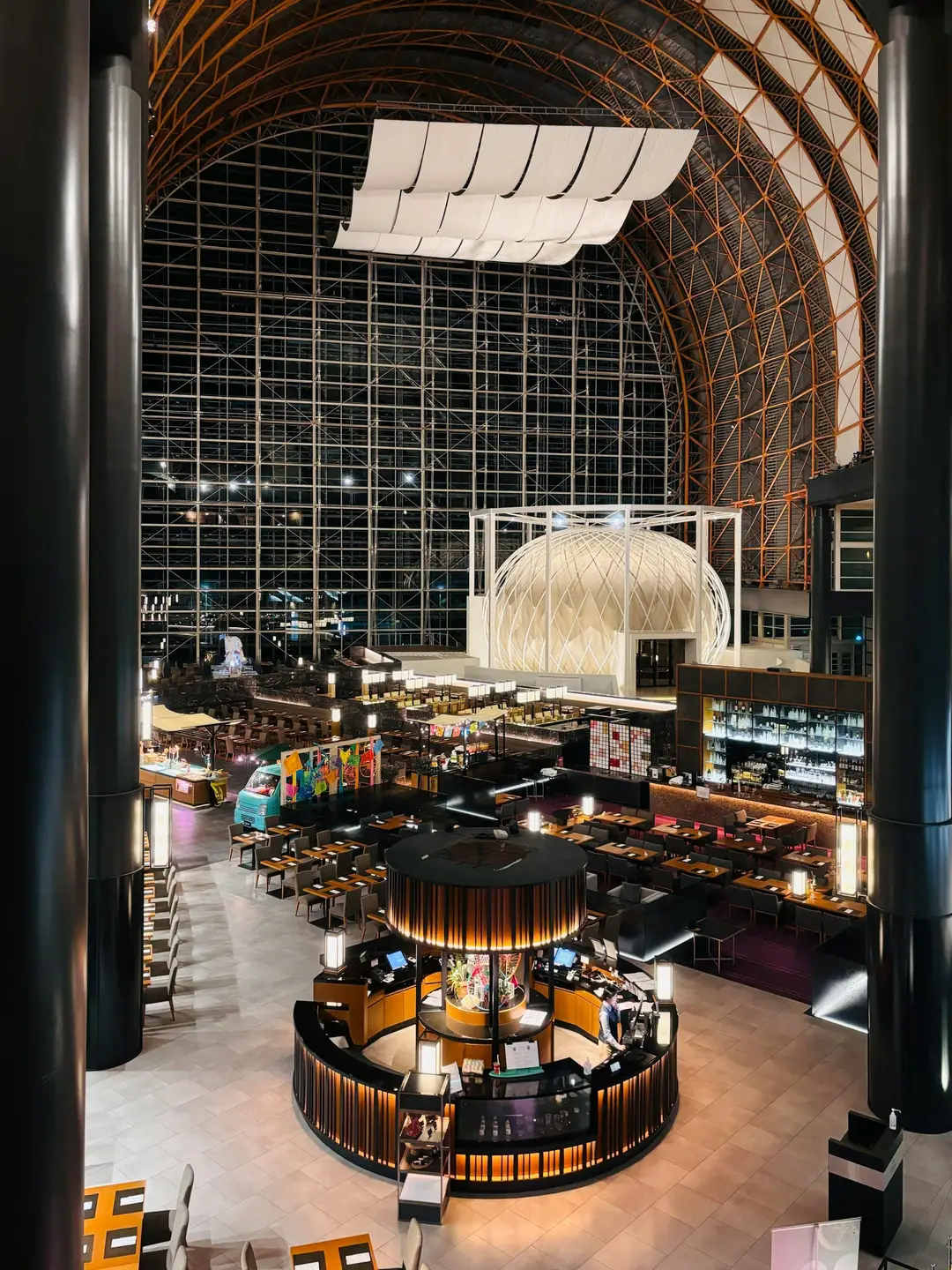
From business hotels to high-end hotels , it's a reassuring option, especially for a first-time trip to Japan, perfect for Tokyo, Osaka or during dynamic urban stops.
Advantages
- Modern comfort
- Excellent value for money
- Central locations in major cities
- Convenient when travelling with luggage
Disadvantages
- A more limited cultural experience
- Often compact rooms
- Less personal interaction
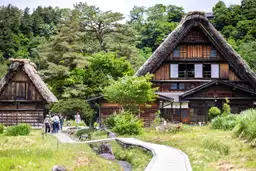
Sleeping in a ryokan in Japan: the quintessential traditional experience!
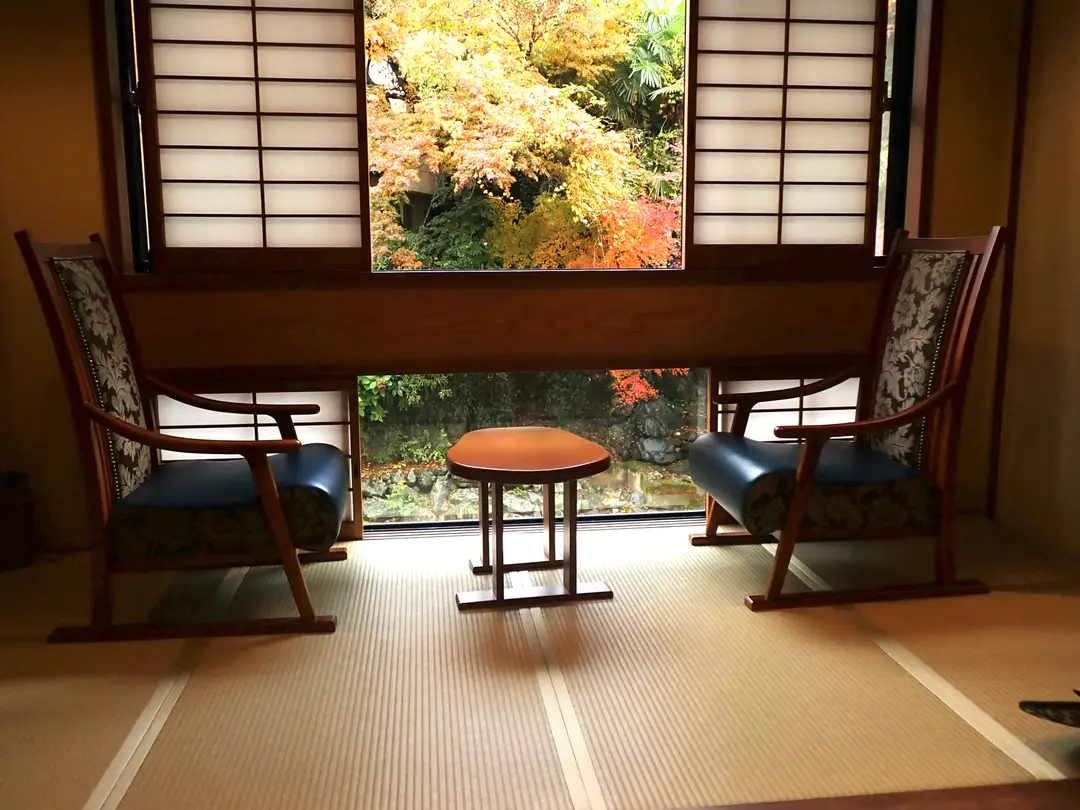
Advantages
- Complete cultural immersion
- Traditional kaiseki meals often included
- Access to onsen (hot springs)
Disadvantages
- More expensive than standard hotels
- Rules to follow (schedules, quiet hours and bathing etiquette)
- Futons may take some getting used to, especially for those with sensitive backs
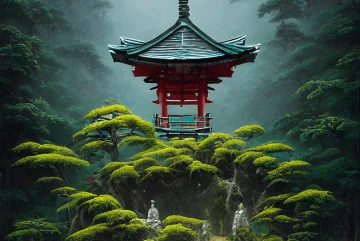
Sleeping in a shukubo: a spiritual experience in the heart of Japan!
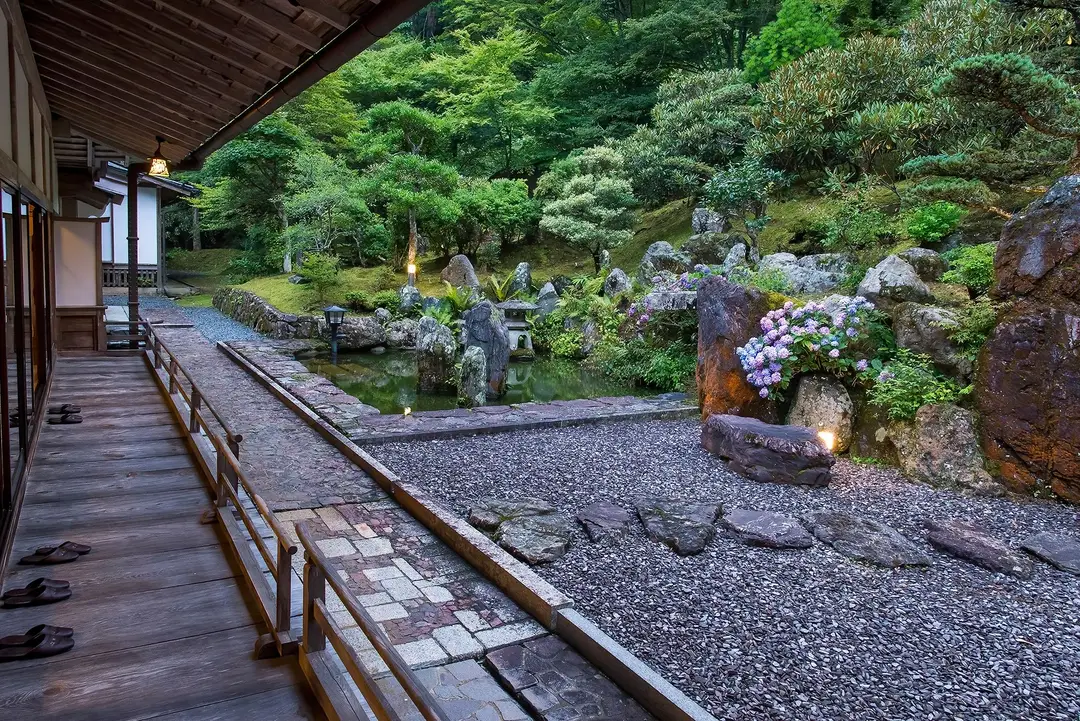
Advantages
- A unique spiritual experience
- The opportunity to take part in morning rituals
- An introduction to Buddhist cuisine
Disadvantages
- Simple, minimalist comfort
- Strict rules (schedules and quiet hours)
- Not particularly suitable for very young children
Sleeping in a machiya: experience Japan like a local!
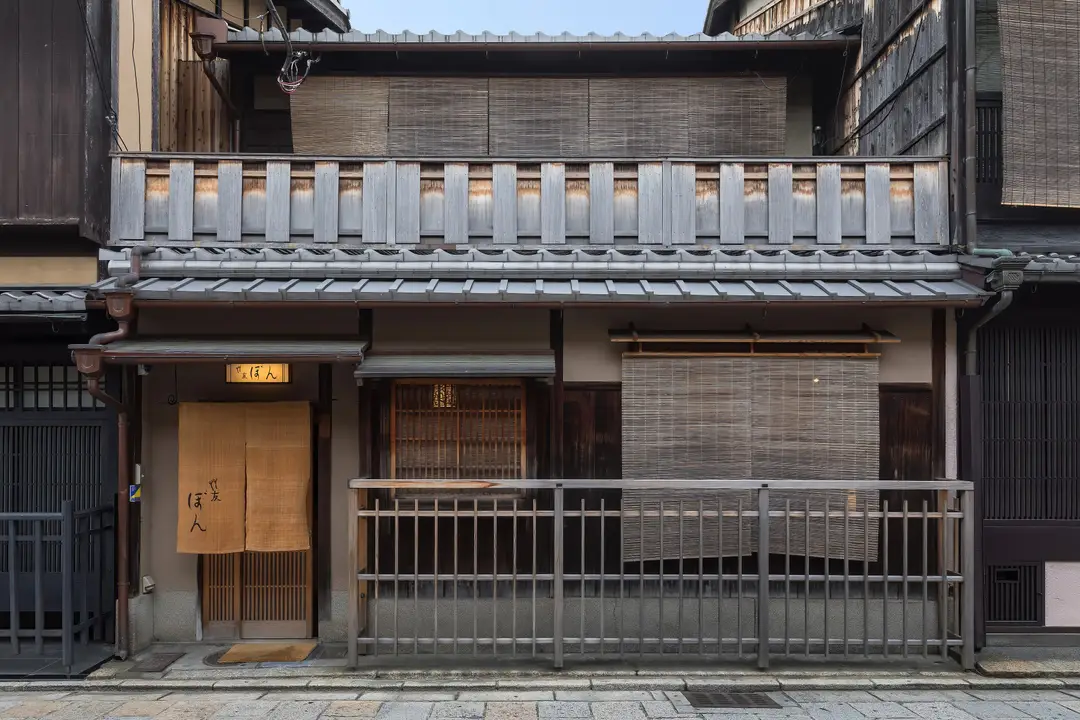
Advantages
- Full immersion in traditional Japanese housing
- Independence and privacy
- Ideal for groups of friends or families
- An authentic and elegant setting
Disadvantages
- Often more expensive than a standard hotel
- Few hotel-style services (reception, daily housekeeping)
- No meals provided
- Some houses can be narrow or spread over several floors
Guesthouse and minshuku: the encounter is above all!
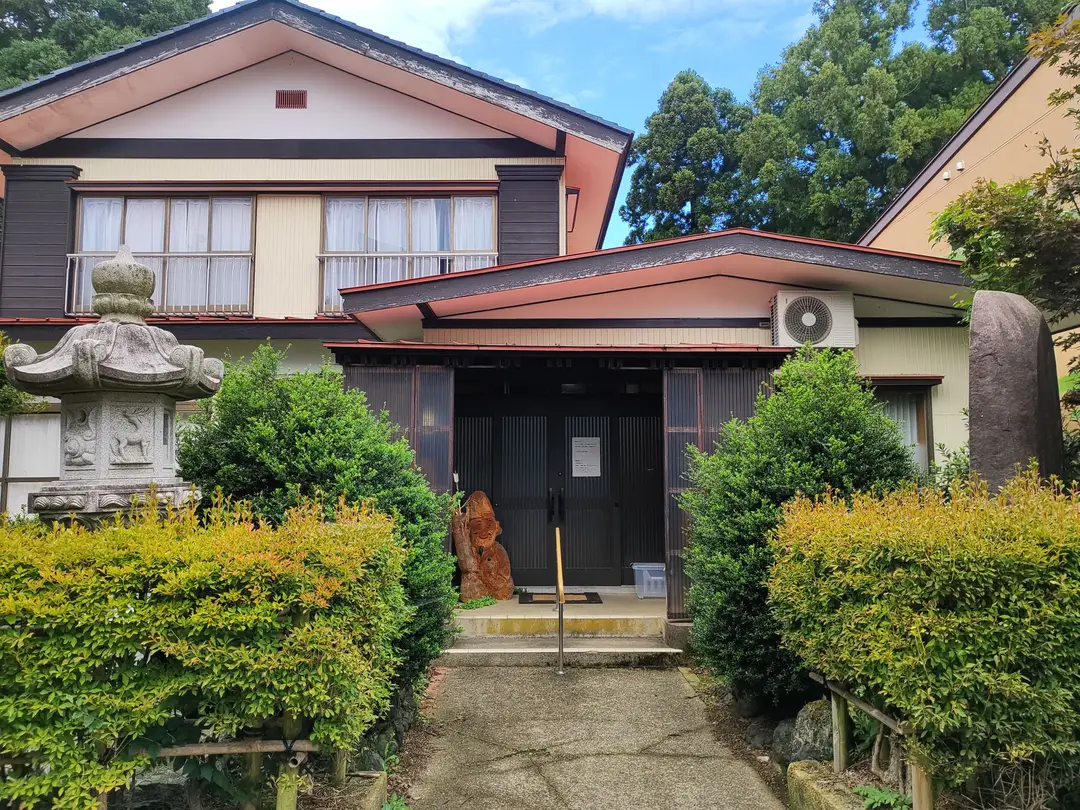
Advantages
- Warm hospitality
- Authentic immersion in local life
- Affordable prices
Disadvantages
- Simpler comfort
- Shared bathing facilities are common
- Very limited English spoken
Capsule hotel: an unusual experience to try
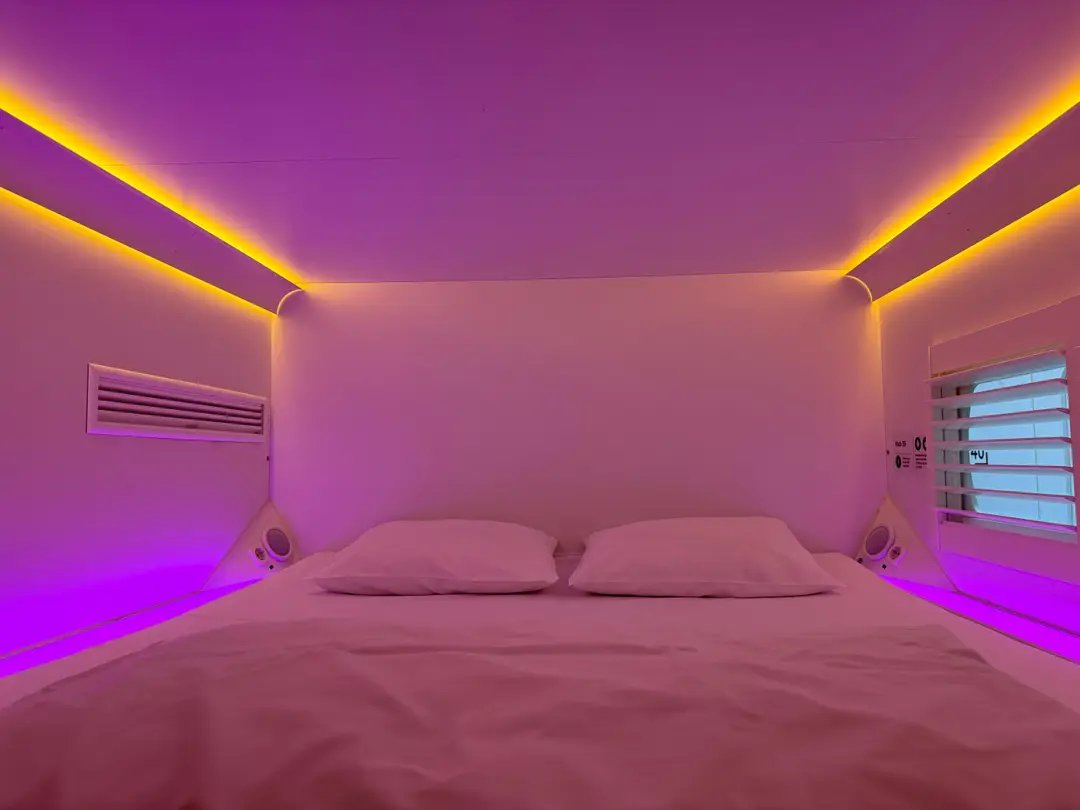
Advantages
- A unique and original experience
- Very affordable
- Central locations
- Impeccable cleanliness
Disadvantages
- Little privacy
- Not suitable for large pieces of luggage
- Best suited to very short stays
My advice
- Alternate your accommodations to experience several Japans in a single trip.
- Book your hotels in advance , especially during peak season.
- Avoid capsules for stays longer than one night
- Get advice from our local experts to choose the right accommodation
At Shanti Travel, when creating your tailor-made trip to Japan, we select each accommodation for its consistency with your itinerary, the season and your travel style.
FAQ: Where to stay in Japan?
Practical answers to help you compare accommodation in Japan, understand ryokan stays, plan your budget and book at the right time.
Hotels work well for city stays and short stops on a first trip to Japan. Adding one or two nights in a ryokan, minshuku or machiya can provide a more traditional experience. The best choice depends on your route, budget, group size and preferred level of comfort.
Ryokan prices vary widely according to the location, season, room type, number of guests and meals included. Rates may be quoted per person, especially when dinner and breakfast are part of the package. Check the rate basis and all included services before booking.
Booking early is advisable during busy travel periods and for smaller properties such as certain ryokan, machiya and shukubo. Availability varies by destination and season. An early booking mainly gives you a wider choice of locations, room types and meal plans.
No. A ryokan is a traditional Japanese inn, but not every property has a natural hot spring onsen, and meals are not included in every package. Check whether the bath is private or shared and whether dinner and breakfast are part of the rate.