Your expert on destination Japan
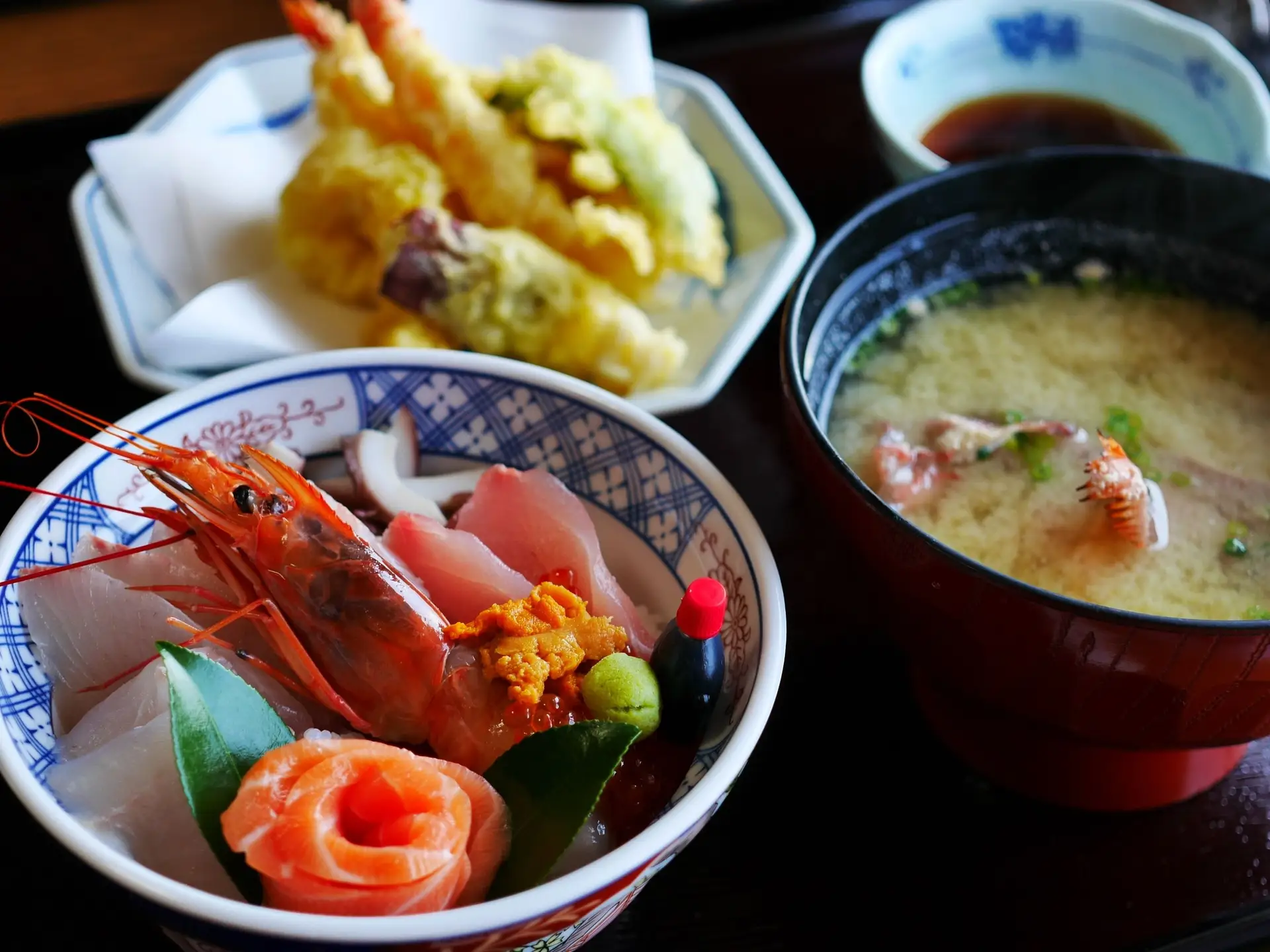
Some argue that the gastronomic capital is located in France, and far be it from me to start any kind of debate on the matter. However, it is clear that Japan is in the exact same league, with a significant advantage : prices that are often more affordable for exceptional quality. Here, every meal becomes an experience, from the neighborhood counter to the most refined restaurant; it's impossible to miss during your trip to Japan .
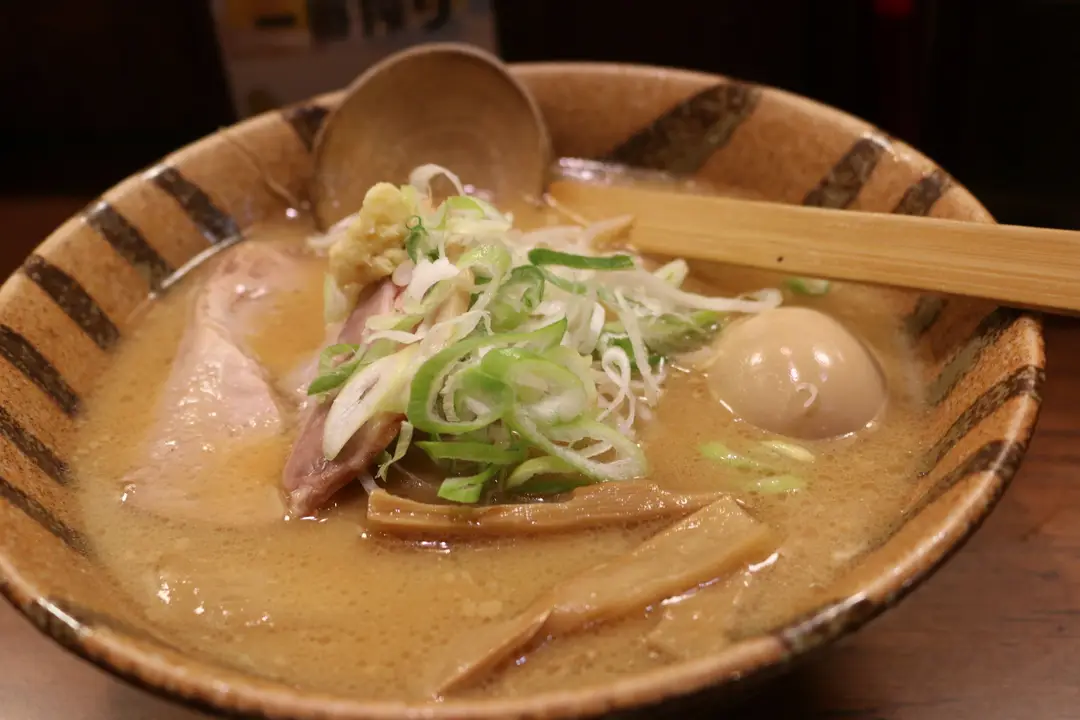
L'anecdote de nos experts : Our experts' anecdote: We're often surprised by how quickly locals devour their piping hot ramen. If, like me at first, you burn your tongue, it's because you haven't mastered the "slurp" technique . By slurping the noodles with air, you create a natural cooling system. It's not only practical, but it's also a sign of respect for the chef !
Our favorite places:
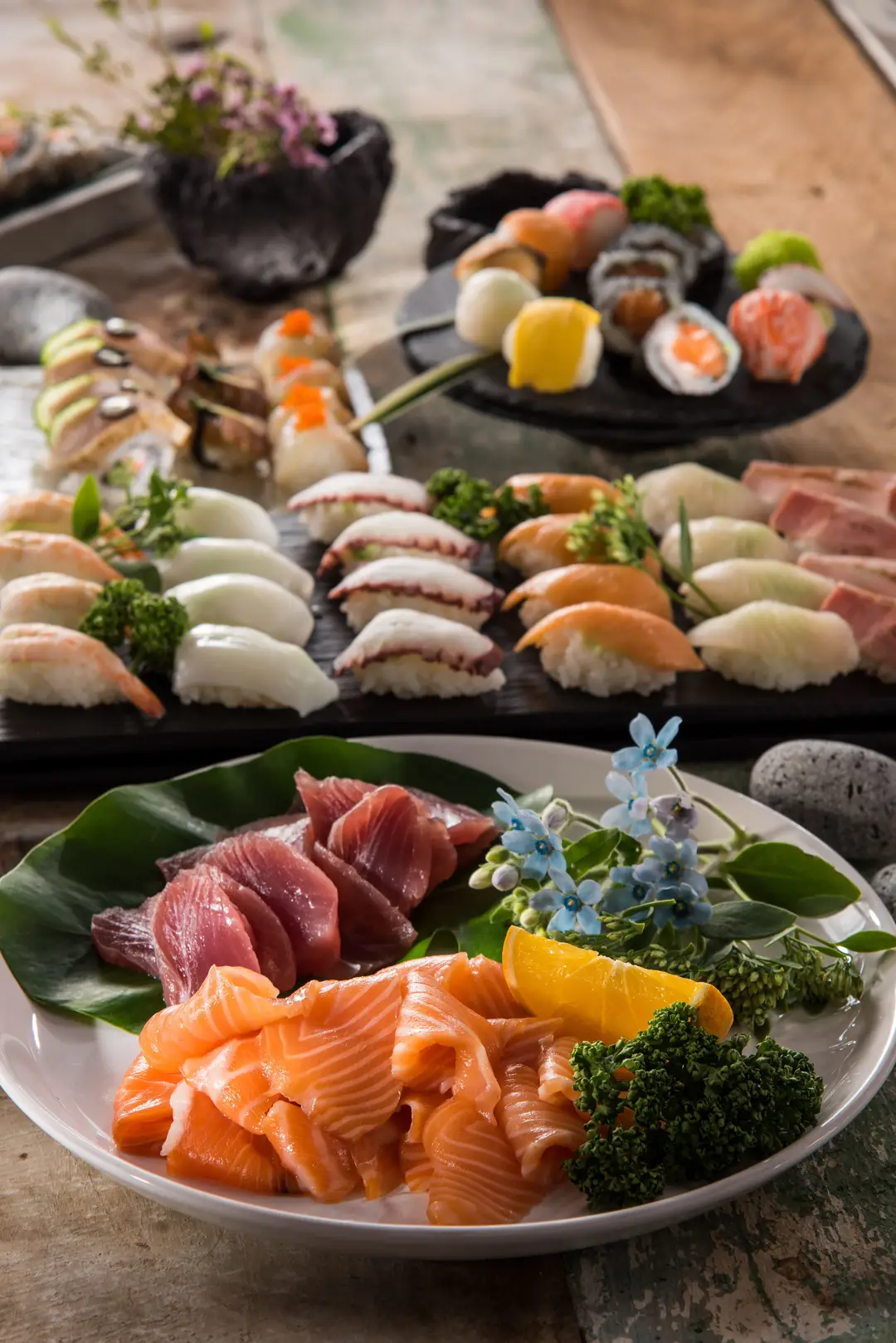
Our experts' tip: Never drown the rice in soy sauce, or it will fall apart. Dip only the fish end delicately ; it's also a good opportunity to test your chopstick skills. The ultimate experience? Order "Omakase" : let the chef decide for you based on the day's catch. It's a guarantee of tasting something exceptional without even opening the menu.
Our top picks: Don't hesitate to try conveyor belt sushi chains like Sushiro or Kura Sushi . Although they're considered entry-level in Japan, the quality is often far superior to that of standard Japanese restaurants in France.
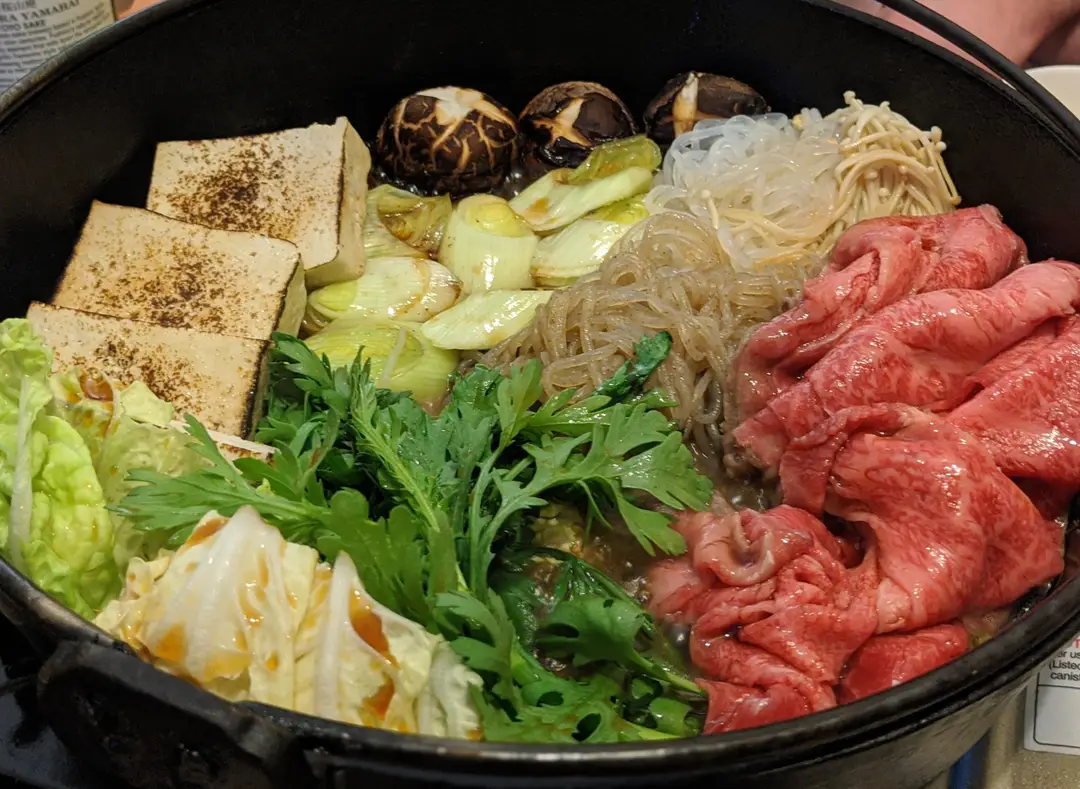
An anecdote from our experts: The raw egg may be surprising, but it is essential: it acts as a "condenser" of flavors and cools the meat just enough.
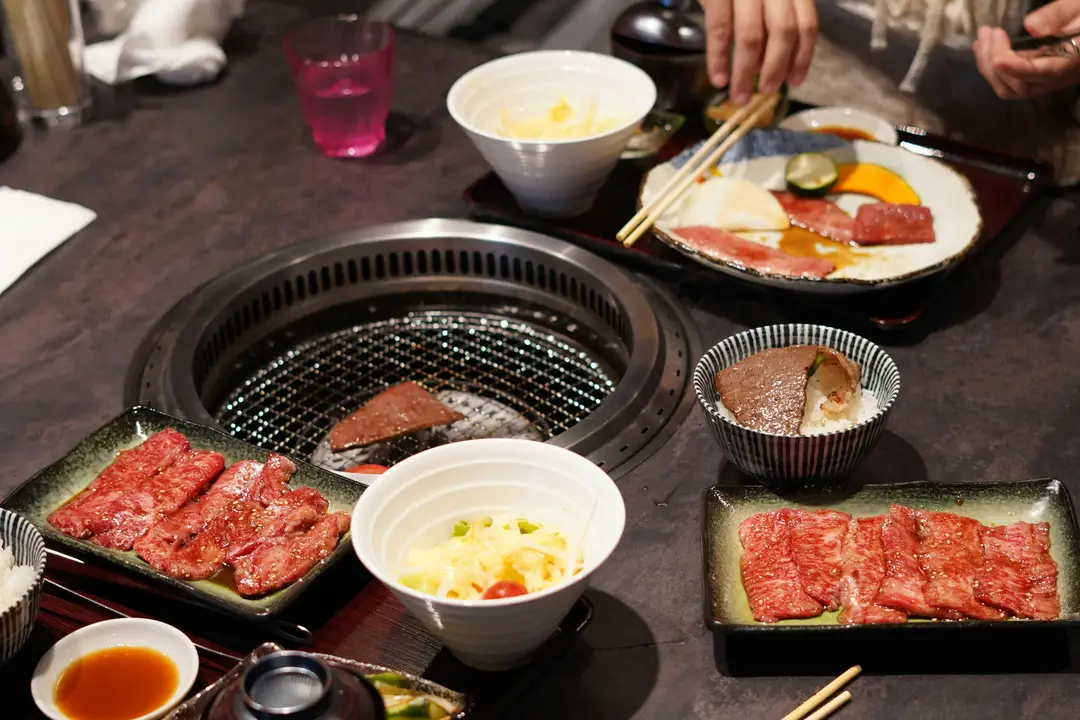
Our experts' tip: Don't try to cook everything at once! The secret to a good Yakiniku lies in cooking each piece individually . Start with the leaner cuts (like beef tongue) before moving on to the more marbled pieces.
Our top picks: Treat yourself to an unforgettable Wagyu beef experience : its marbled texture, which literally melts on the tongue, is a gastronomic revelation. For exceptional value in Tokyo, we recommend Wagyu Yakiniku Ten Gamushara Marunouchi .
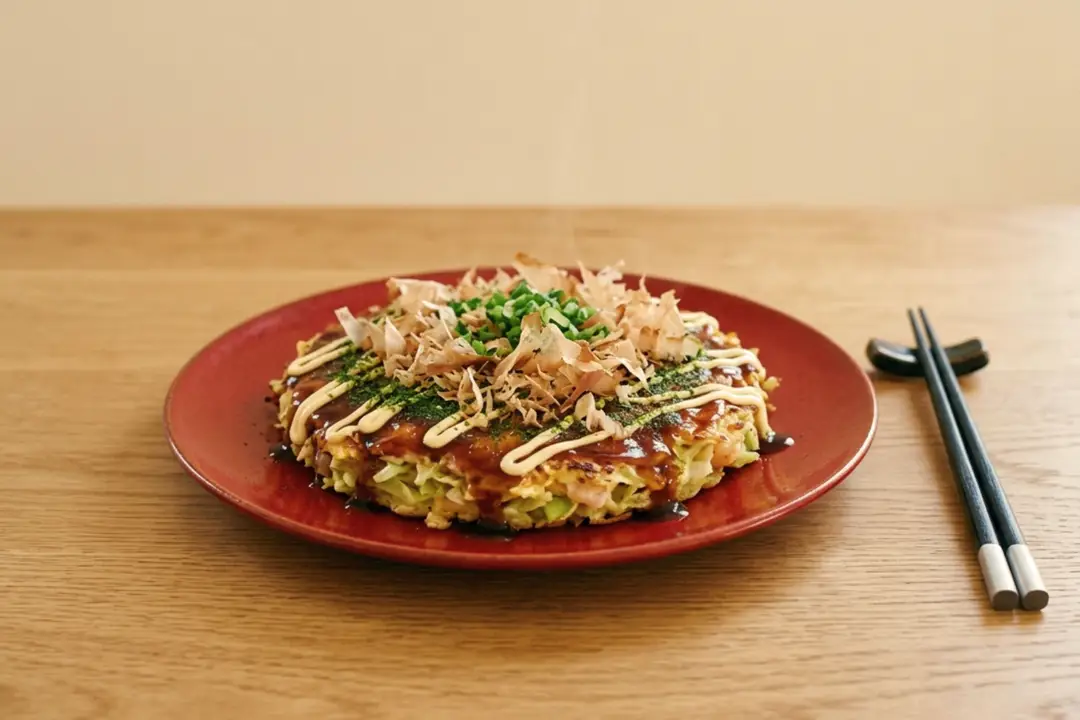
An anecdote from our experts: Don't rush to flip your Okonomiyaki on the plate! The secret lies in patience to obtain a crispy crust on the outside while keeping a soft center.
Our top picks: For a total Tokyo immersion, head to Okonomiyaki Kiji (in the Marunouchi building). If you're passing through Hiroshima, don't miss Okonomimura , a "village" entirely dedicated to this dish with no fewer than 25 different stalls under one roof.
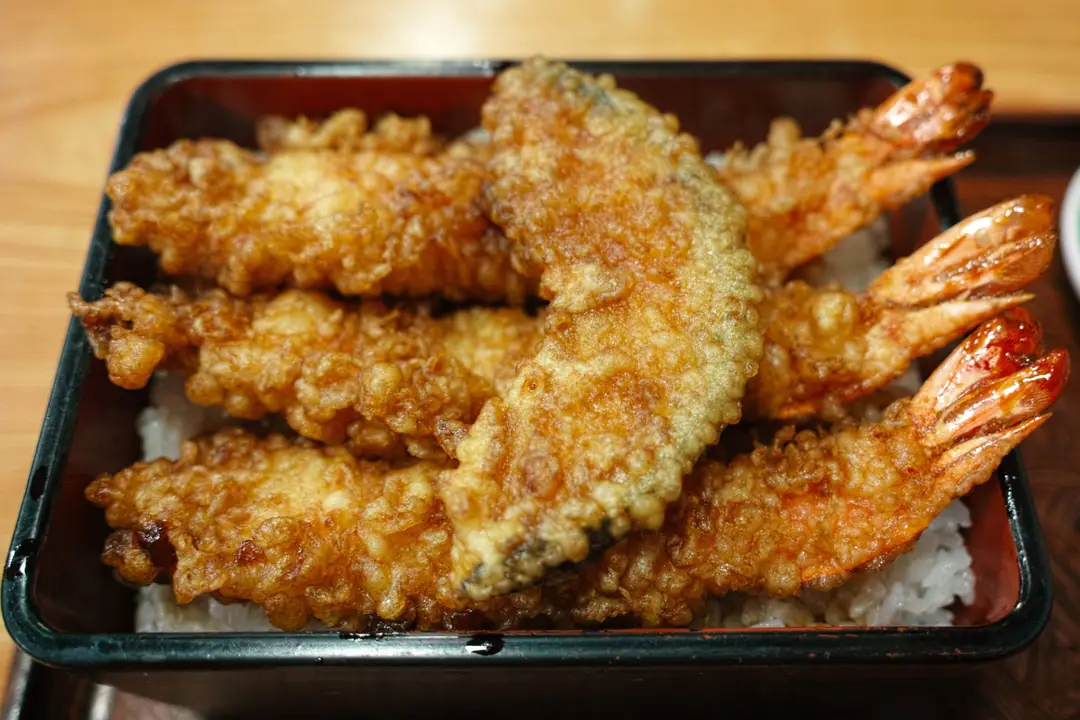
An anecdote from our experts: Don't confuse the breadings! While Tonkatsu uses the famous panko (breadcrumbs) for its crispiness, Tempura relies on a batter made with ice water to create a thermal shock that limits oil absorption.
Our favorite addresses: For an exceptional Tonkatsu experience, step into Tonkatsu Maisen in Omotesando (located in former public baths).
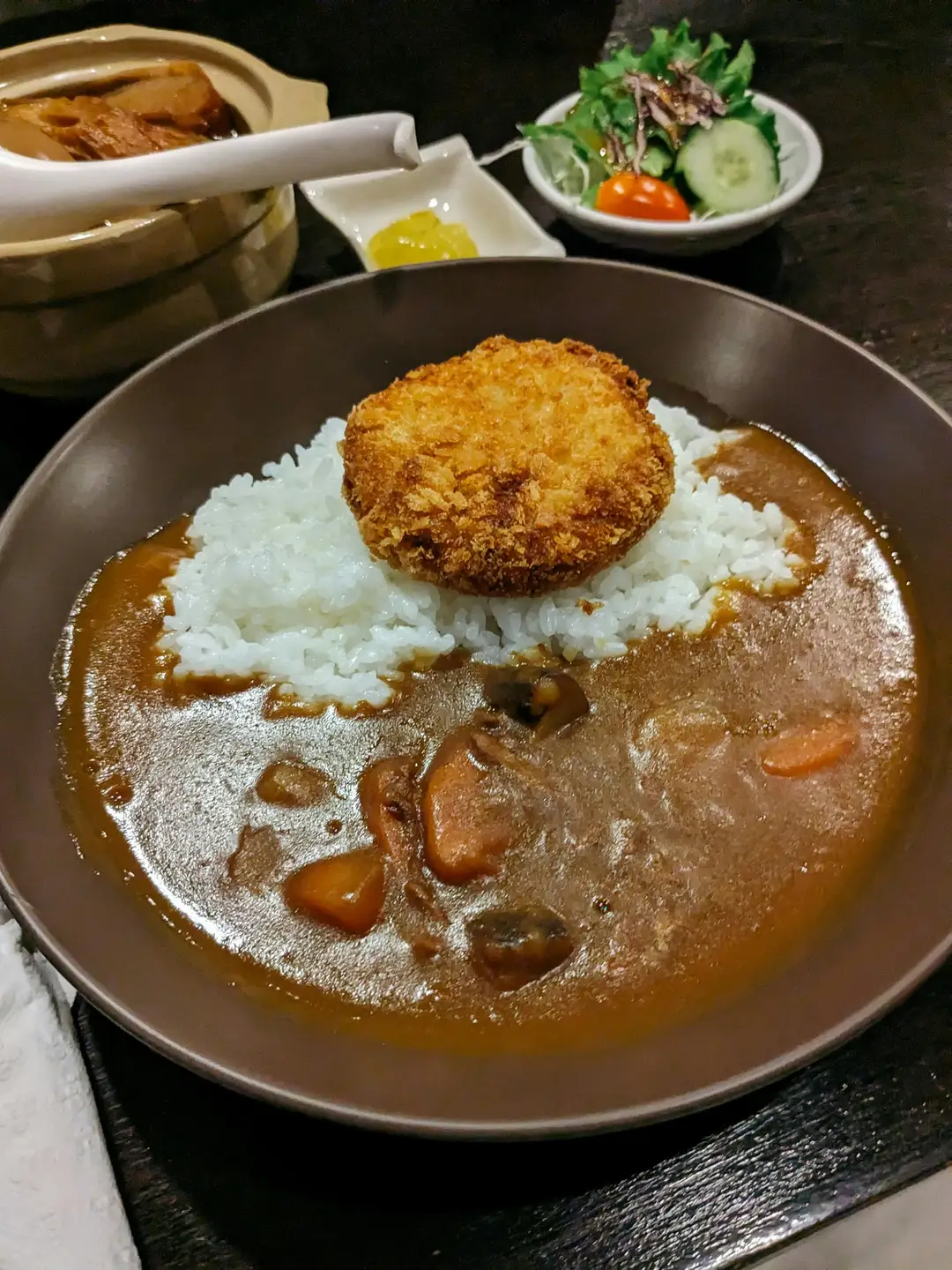
Our experts' tip: Don't look for hot spices here; the secret lies in the simmering time and the addition of ingredients like grated apple or honey for sweetness. However, you can often choose the heat level ( karasa ) and the exact amount of rice, down to the gram.
Our favorite addresses: For an authentic and infinitely customizable experience, the Curry House CoCo Ichibanya chain is a must-visit for any traveler.
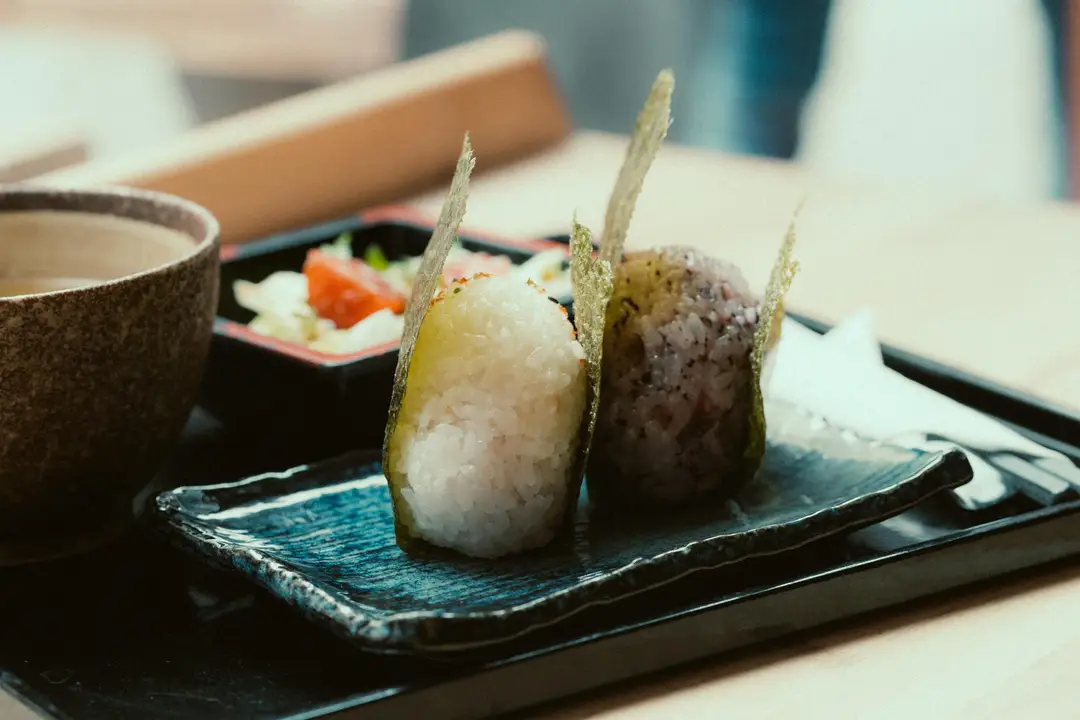
An anecdote from our experts: Don't struggle with the packaging at convenience stores ! Follow the order of the numbers (1, 2, 3) to keep the seaweed perfectly crispy.
Our favorite addresses: For excellence, head to Onigiri Asakusa Yadoroku , the oldest in Tokyo (distinguished by Michelin).
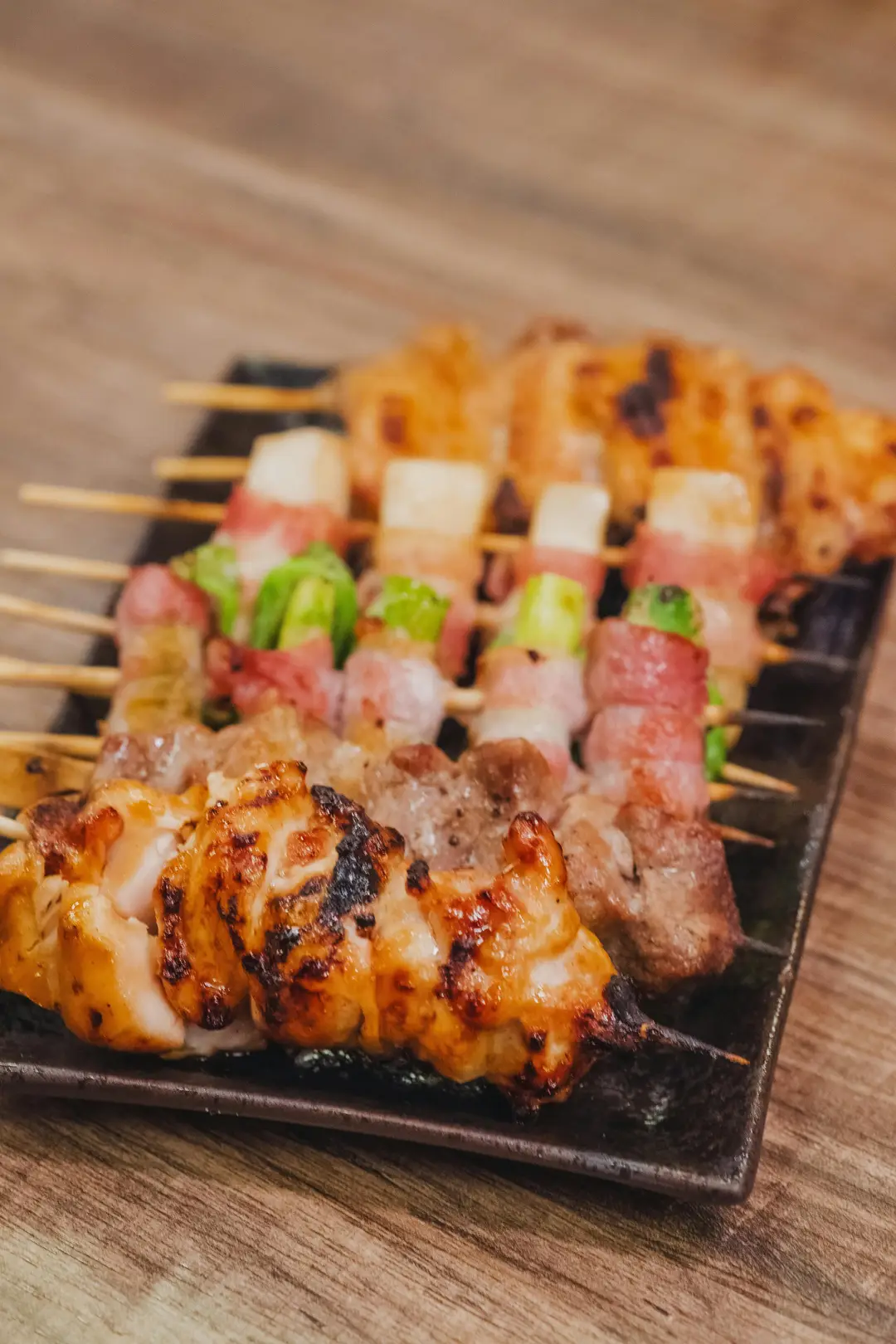
Our experts' tip: Order your dishes gradually rather than all at once, to enjoy each plate at the ideal temperature, just like the locals do.
Our top picks: For an electric and down-to-earth atmosphere, immerse yourself in the backstreets of Omoide Yokocho in Shinjuku. If you prefer a more modern and trendy vibe, head to Gonpachi Nishi-Azabu , the iconic spot that inspired the set design of Kill Bill .
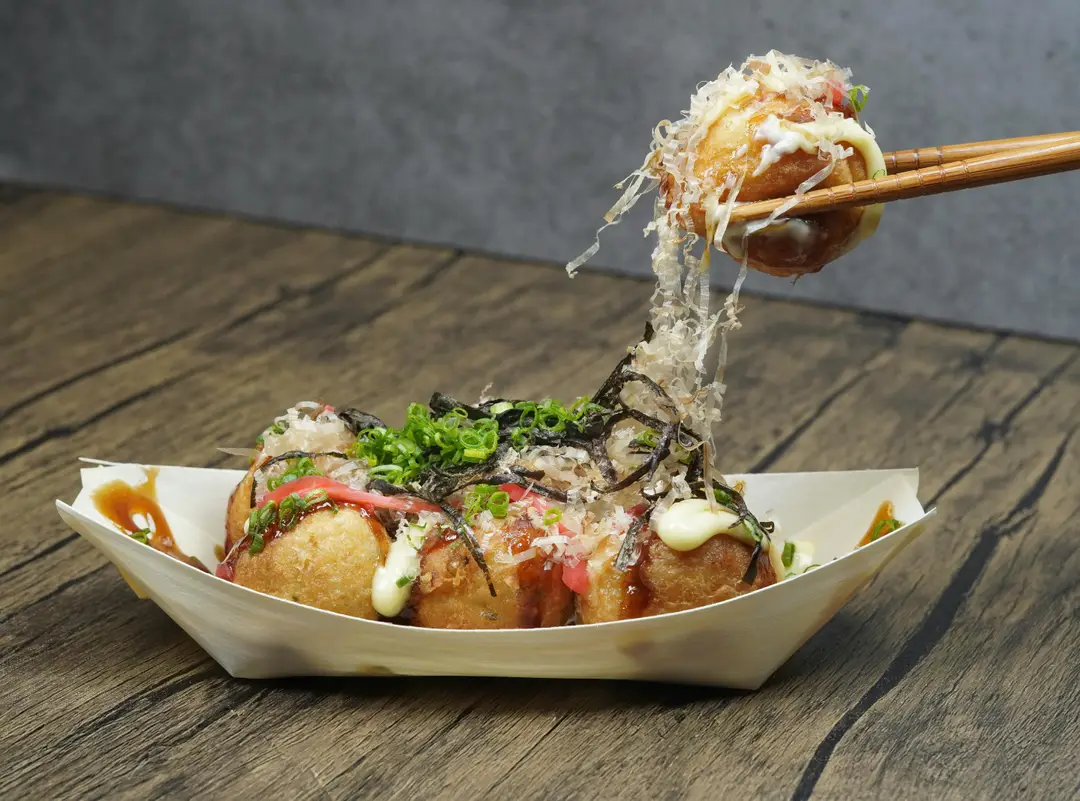
Our experts' tip: Beware of the "thermal trap": the outside may seem warm, but the center is often scalding hot! Make a small pierce with your chopstick to let the steam escape before taking a bite. Did you know? In Osaka, it's said that every household has its own takoyaki grill for family gatherings.
Our favorite addresses: For originality and finesse, go to Wanaka in Namba (Osaka).
In Japan, food is an integral part of travel. Each dish tells a story of a region, a season, and culinary expertise. When you travel with us, our experts select local restaurants tailored to your itinerary, allowing you to discover this rich culinary heritage in the best possible conditions.
Classics like ramen, tempura, and sushi are essential for a first visit to Japan. However, for an authentic experience, we recommend trying regional variations, such as Asakusa soba or Osaka takoyaki, which reflect the local identity of each stop along the way.
Sushi is an art of precision where the fish should be dipped delicately in soy sauce, without ever soaking the rice. For an exceptional experience without opening the menu, opt for the "Omakase" option, which allows the chef to select the best fresh catches of the day according to the season.
Tonkatsu uses breadcrumbs ( panko ) for a very crispy result, while Tempura relies on a batter made with ice water, creating a thermal shock for maximum lightness. A local tour allows you to discover historical spots, such as former public baths converted into Tonkatsu restaurants in Tokyo.
Japan offers a wide variety of comforting and mild dishes, such as Japanese curry or udon and soba noodles, the latter of which can be eaten hot or cold depending on the climate. Planning ahead is necessary to identify broths and toppings that suit each traveler's dietary preferences.
An izakaya is a convivial place where you share several small dishes, such as yakitori skewers, in a lively atmosphere. It's best to order your food as it's served to enjoy it at the perfect temperature, a local custom that helps to pace the evening while minimizing waste.
Matsuri (traditional festivals) and popular neighborhoods like Omoide Yokocho in Shinjuku are prime locations to enjoy yakisoba or onigiri. For these quick snacks, a helpful tip is to follow the order in which the packages are opened (1, 2, 3) to preserve the crispness of the dried seaweed.
Subscribe and receive our travel inspirations and practical advice twice a month.

Wanting to share your trip with a group?