Votre expert sur la destination Japan
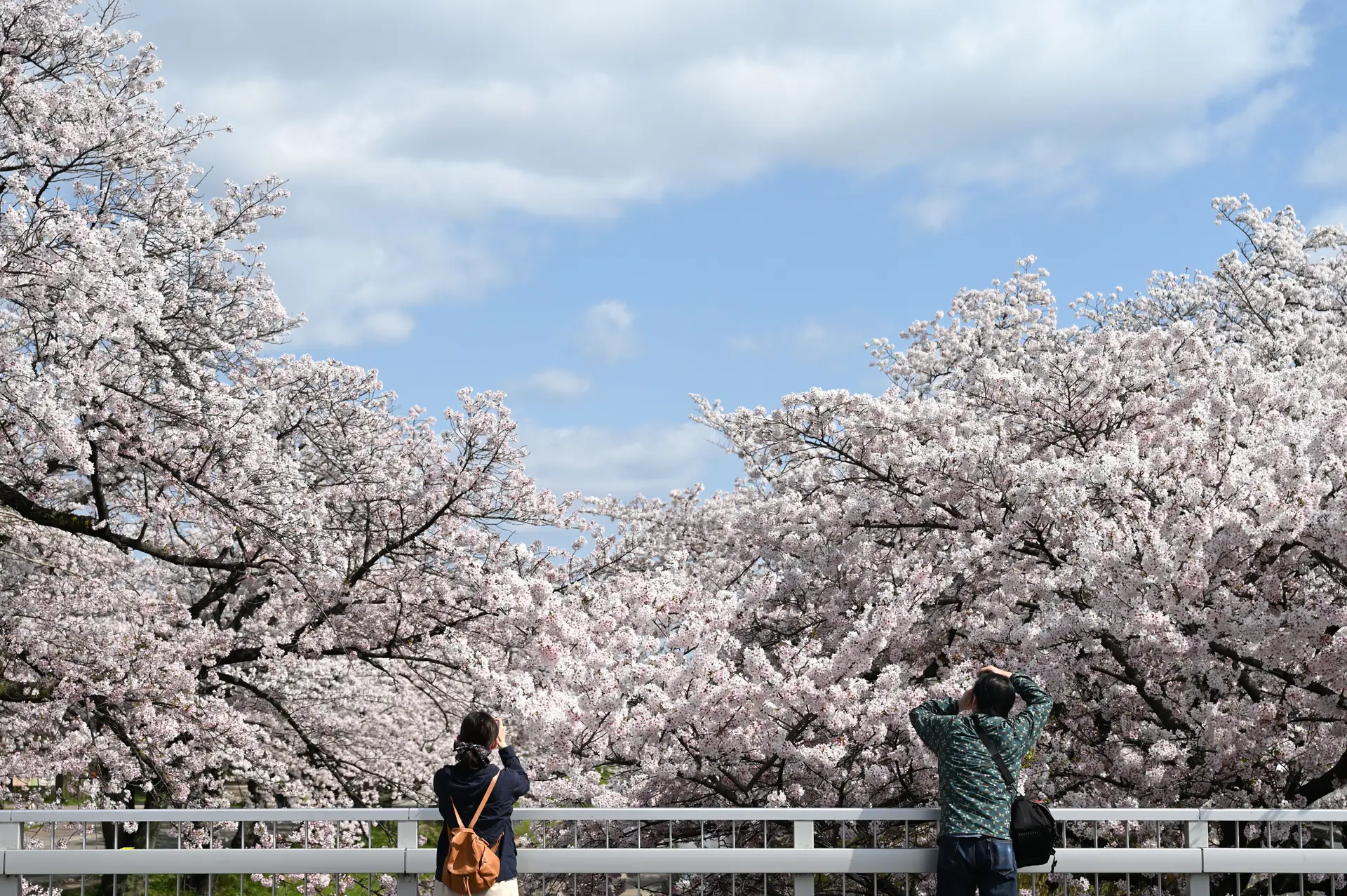
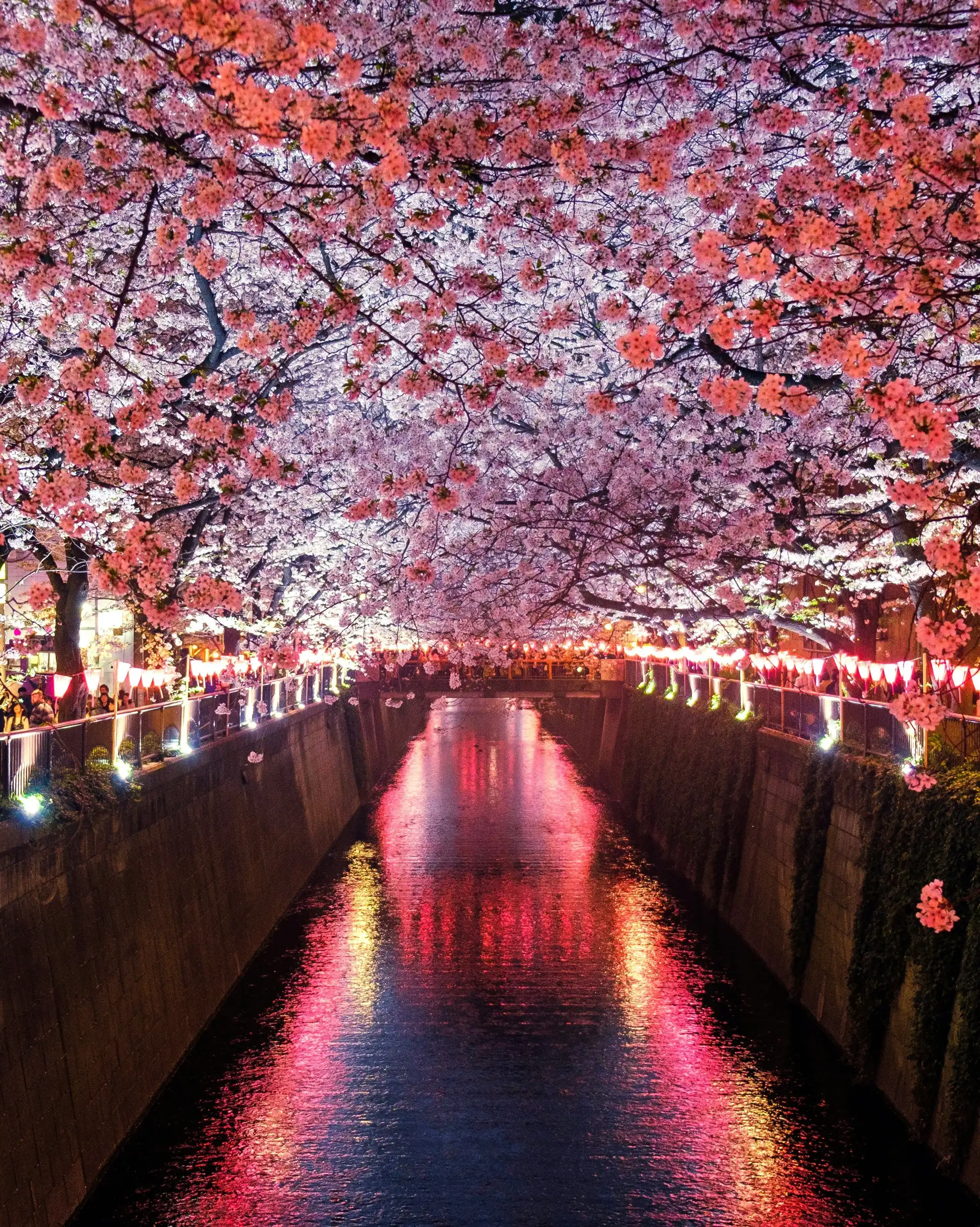
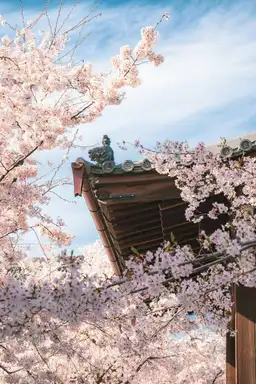
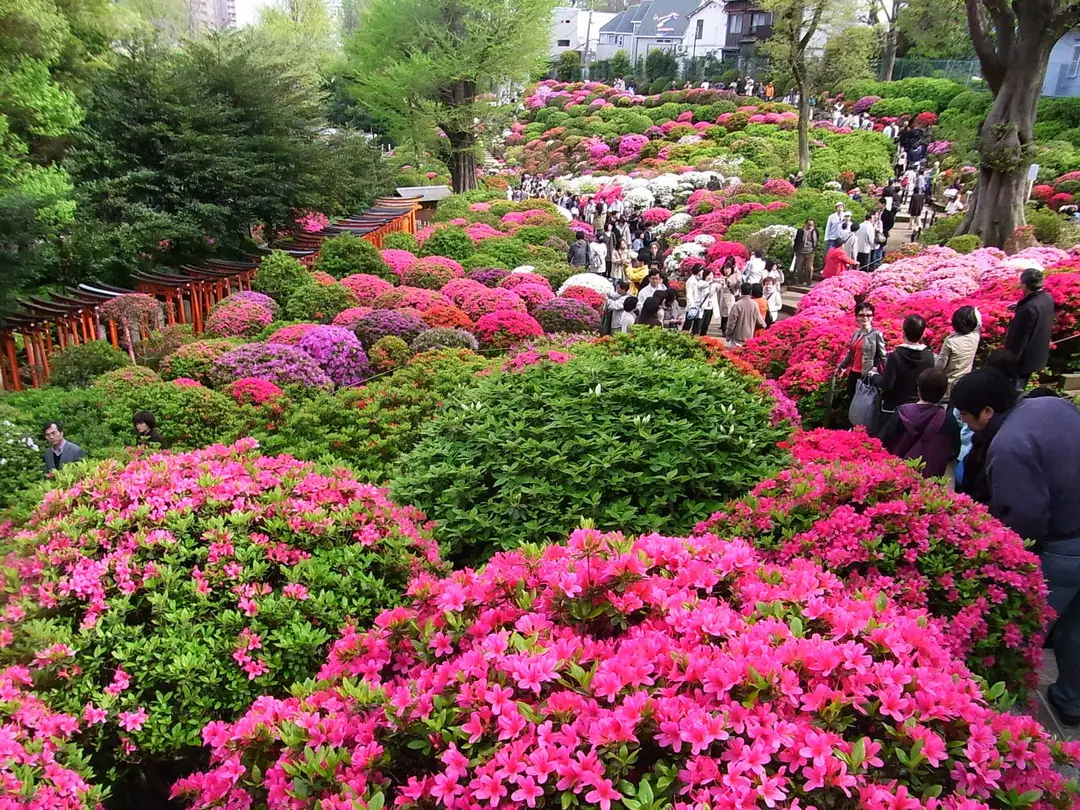
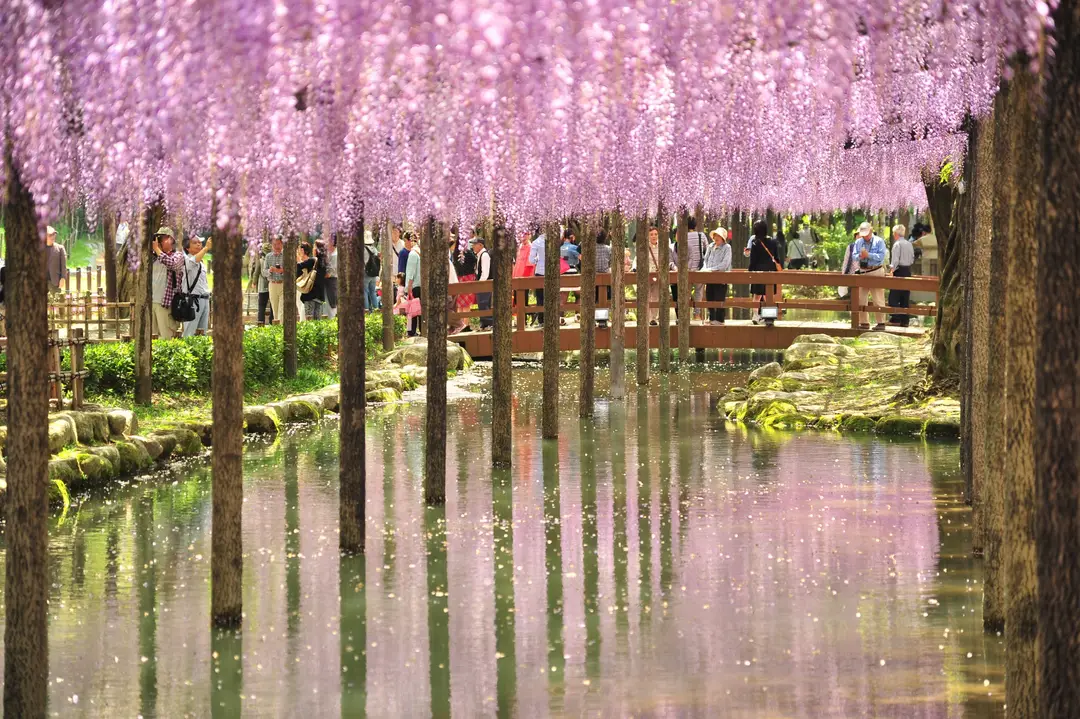
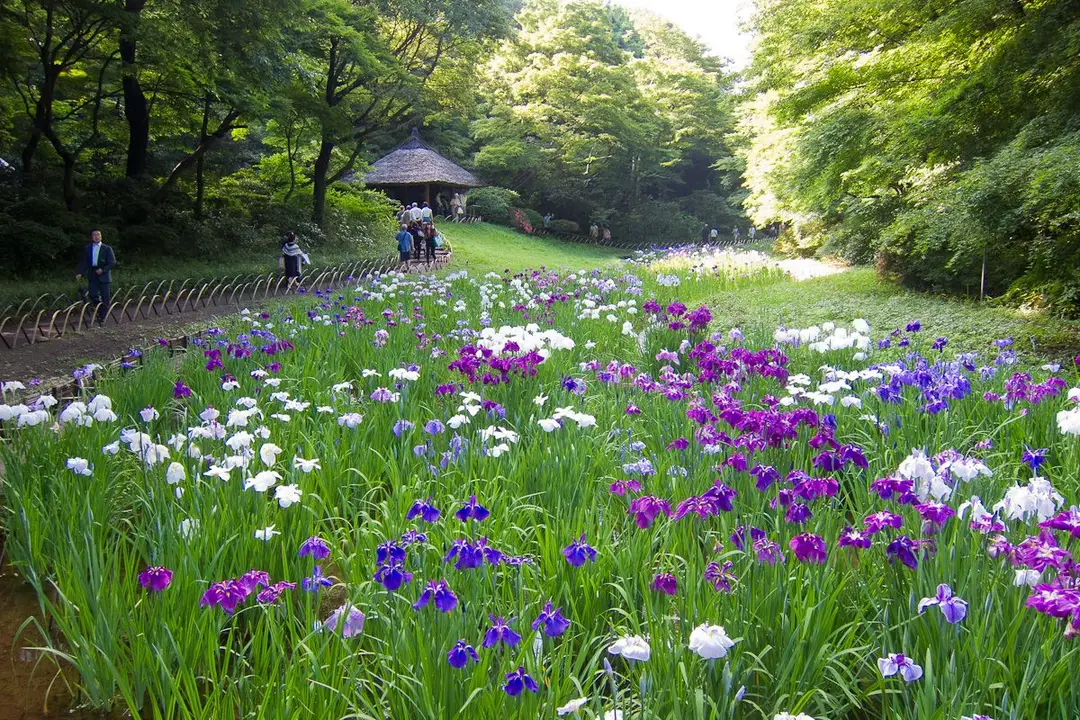
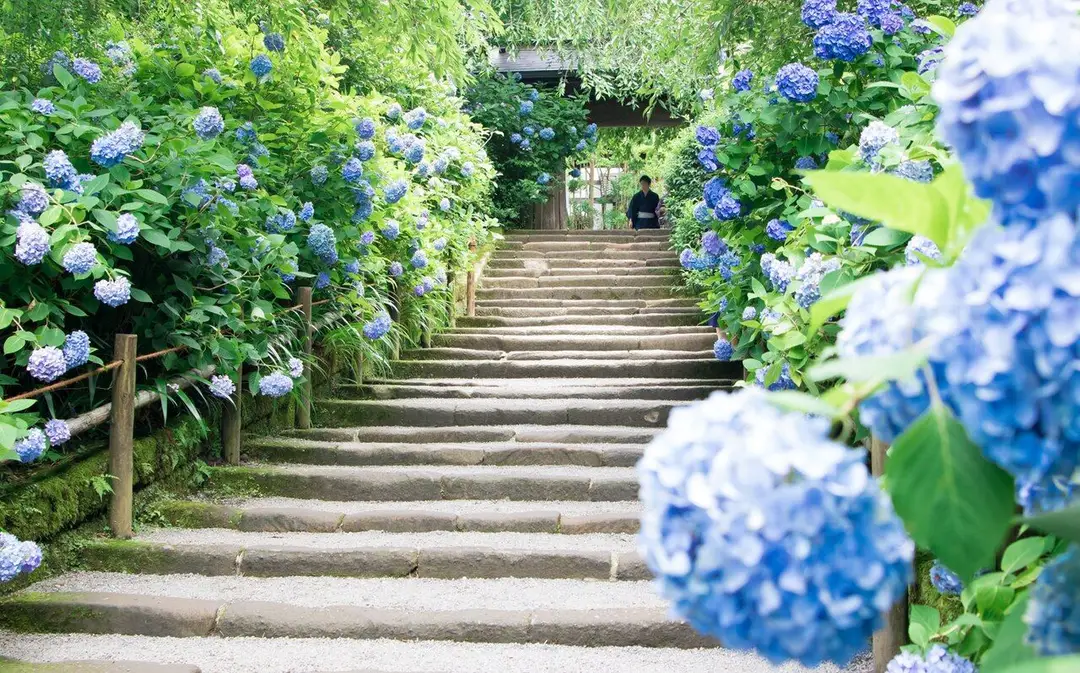
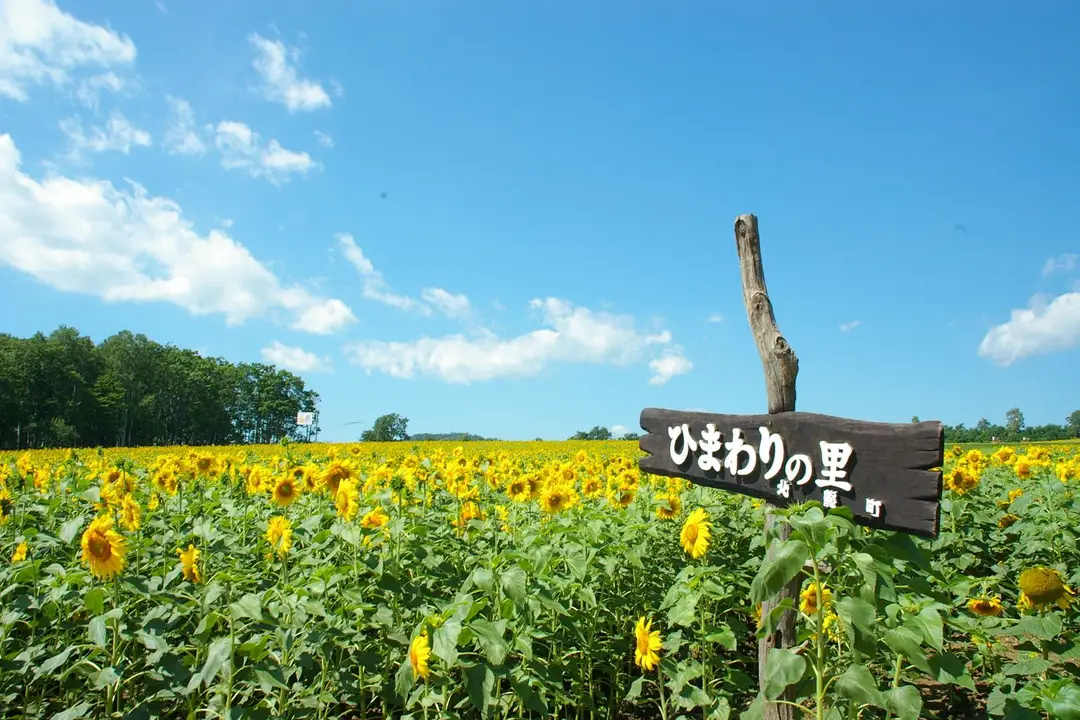
Japan offers spectacular blooms throughout the year, marking the seasons and transforming the landscape. While cherry blossoms are the most famous, they are just one of many. Azaleas, wisteria, irises, hydrangeas, and lycoris punctuate each season, offering numerous opportunities for alternative travel, sometimes far from the crowds.
Our favorites:
Our favorites:
Our favorites
Our favorites
Our favorites
Our favorites
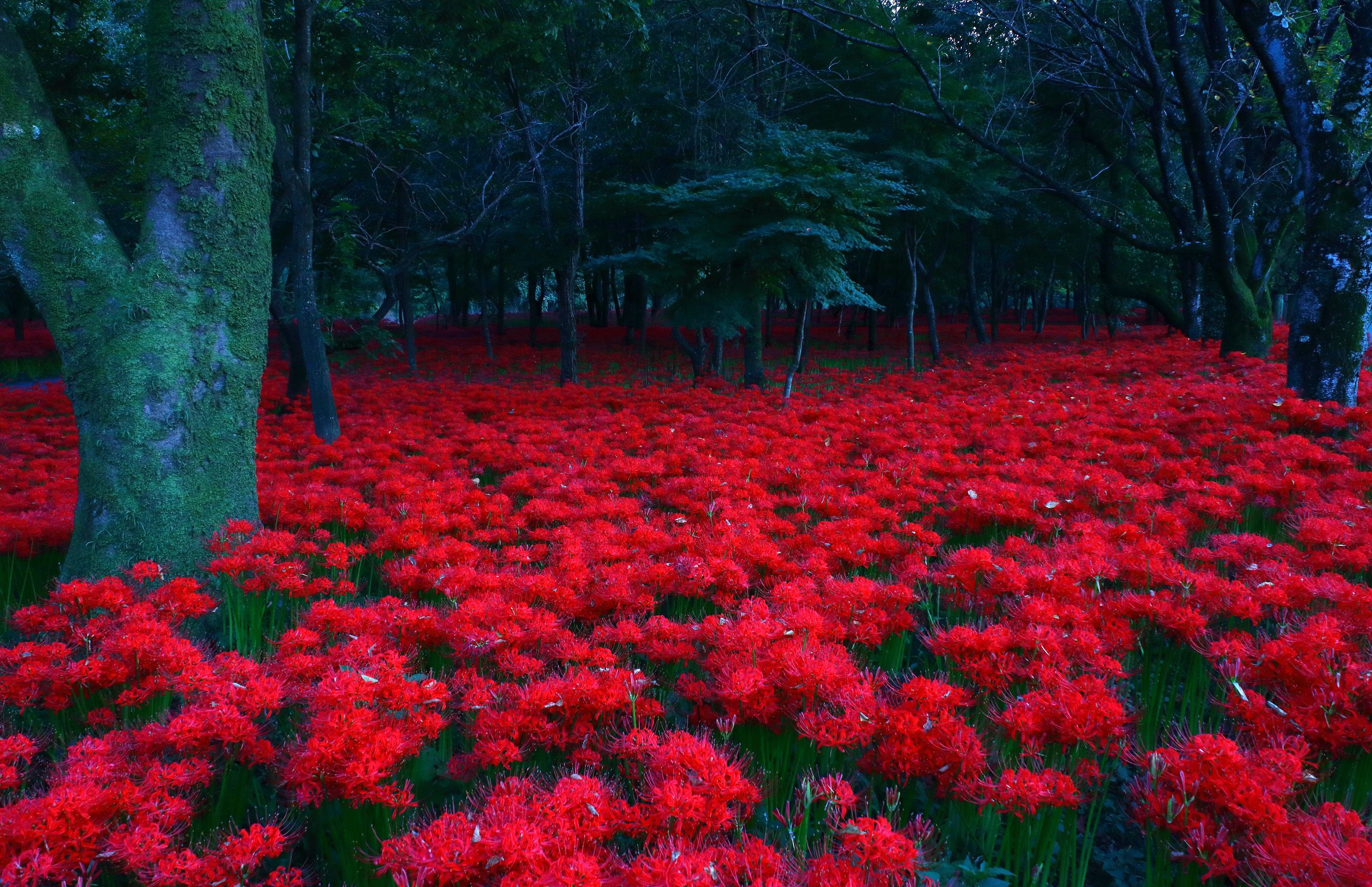
 Around September 28th, the blooming of the lycoris ( higanbana ), or resurrection lily, offers a fascinating but fleeting scarlet spectacle, lasting only 5 to 10 days depending on the weather. These mystical flowers, often associated with the changing seasons in Japanese culture , generally bloom around the autumn equinox . To admire these spectacular red carpets, it's best to escape the hustle and bustle of major cities and head to rural areas or riverbanks in the countryside.
Our favorites
Choosing your travel dates based on Japan's blossom season is a unique way to experience the country. Each season has its own poetry, colors, and atmosphere. Beyond the cherry blossoms, our experts will guide you through a slower, more intimate Japan, flower by flower, far from the clichés… and sometimes far from the crowds .
What is the Hanami tradition and what are the rules to follow? Hanami involves picnicking under cherry blossoms while respecting the environment. It is essential not to touch the branches, to take your trash with you, and to reserve your spot in advance with a tarp. Our experts advise you on the best places and practices to enjoy Hanami while respecting Japanese traditions.
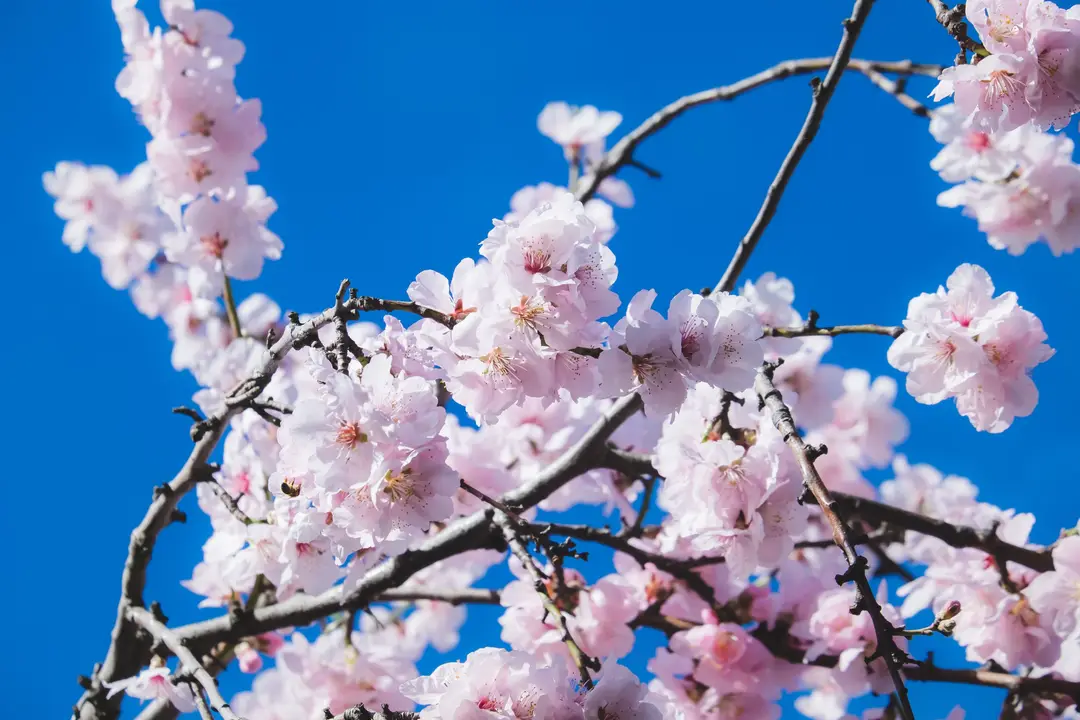
What is the difference between the flowering of plum trees (Ume) and cherry trees (Sakura)? Starting in February, plum trees (Ume) are distinguished by their intense fragrance and round petals. Cherry trees (Sakura), more famous, generally bloom between late March and early April with lighter, notched petals.
Is it possible to accurately predict the bloom dates in Japan? While bloom forecasts, particularly those for cherry blossoms published by the JNTO, remain indicative and vary depending on the weather and temperatures, they do allow you to identify an ideal period. On-site, Shanti Travel's experts monitor developments in real time to tailor your itinerary accordingly.
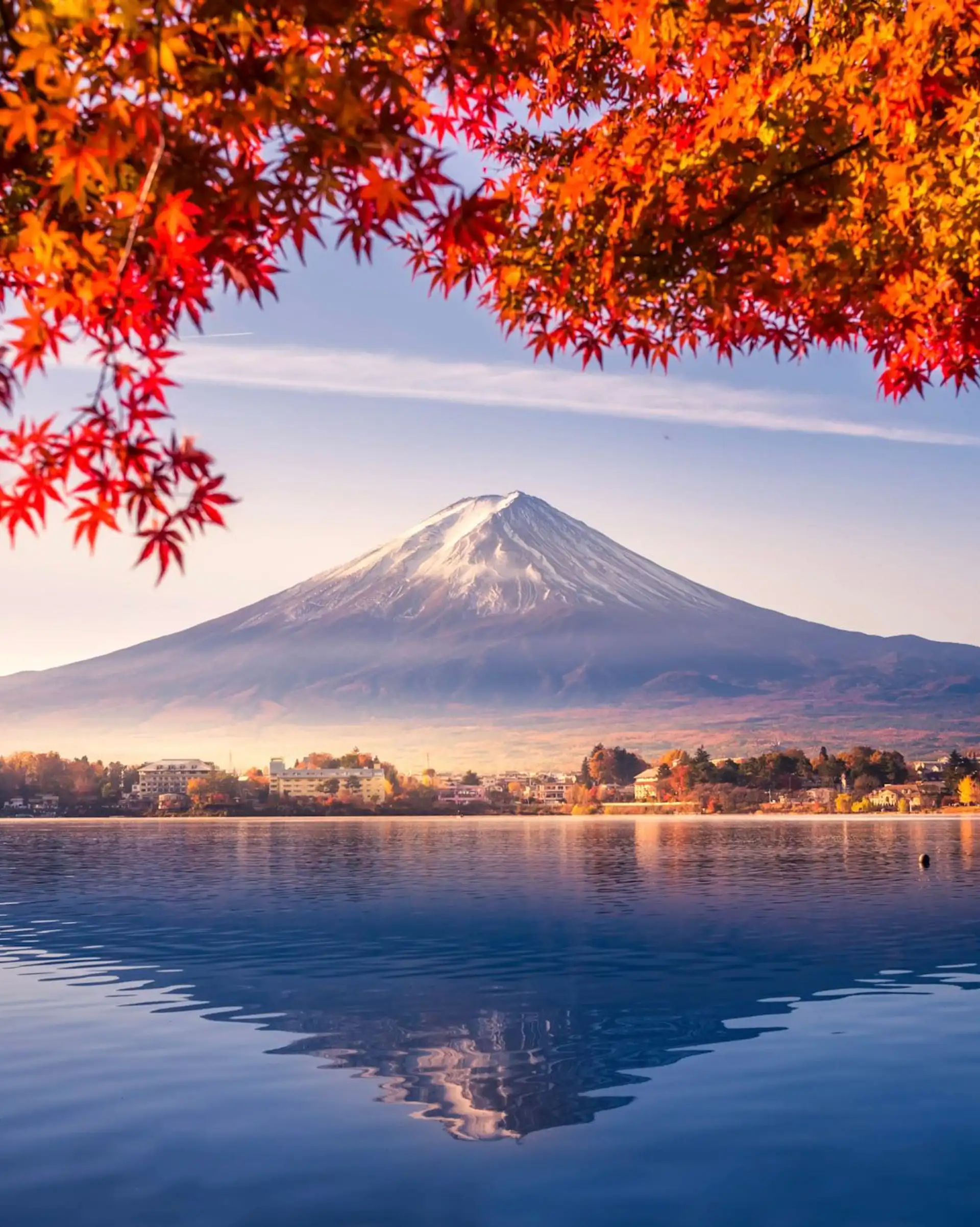
Can you see flowers all year round in Japan? Yes, Japan offers blooms all year round: plum trees in winter, cherry trees in spring, hydrangeas and lotuses in summer, then red maples and cosmos in autumn.
When is the best time to see flowers in Japan? The most well-known period is cherry blossom season, between late March and early April. However, each season offers unique floral landscapes, making it possible to plan a trip to Japan year-round, according to your preferences.
Abonnez-vous et recevez nos inspirations de voyage et conseils pratiques deux fois par mois.

Envie de partager votre voyage avec un groupe ?