Your expert on destination Japan
To fully experience a trip to Japan , it's essential to discover the wealth of festivals and celebrations that punctuate the Japanese year. These events, true reflections of Japanese culture, reveal an astonishing diversity of traditional celebrations, seasonal discoveries, and convivial moments to share with the locals.
"Shogatsu" means "first month of the year." It is a key holiday in the Japanese calendar. At the New Year, homes are adorned with traditional decorations, combining bamboo and pine, symbolizing longevity and prosperity. The family meal includes Osechi, dishes dedicated to the celebration, and Mochi rice cakes. Children receive New Year's gifts (otoshidama). The day sometimes begins with watching the first sunrise (hatsuhinode) before the first ritual visit to a Shinto shrine (Hatsumode). Nengajo, New Year's cards, are exchanged in large numbers until January 1st. This period is marked by reflection, conviviality, and great collective fervor.
On the second Monday of January, Coming of Age Day, Seijin Shiki, celebrates those turning 20. Young adults dress in long-sleeved kimonos (furisode) for women, and hakama or suits for modern men. The ceremonies, held at the town halls, are accompanied by family photos and festive gatherings with friends.
Starting in February, the city of Sapporo on the island of Hokkaido transforms into an icy wonderland with the Sapporo Snow Festival. This spectacular winter festival features enormous ice sculptures, enchanting illuminations, and activities for all ages. The event, which attracts over two million visitors annually, typically takes place in early February (next edition: February 4-11, 2027). Packing warm clothing and booking accommodation in advance is highly recommended to fully enjoy the city's unique atmosphere under the snow.
Valentine's Day, celebrated on February 14th, has its own unique traditions in Japan. Women give different types of chocolates (giri-choco for colleagues, honmei-choco for their sweetheart, tomo-choco for friends), and in turn receive gifts on White Day, a month later. This tradition gives rise to numerous special events in Tokyo and throughout the archipelago.
In February, Japan also lights up with several lantern festivals. In Nagasaki, the Chinese New Year Lantern Festival fills the city with color and parades. The Lake Towada Snow Festival, meanwhile, blends lanterns, igloos, and performances in a unique Nordic atmosphere. These light rituals symbolize protection, remembrance of ancestors, and wishes for the new year.
On March 3rd, Hina Matsuri, or the Doll Festival, celebrates the health and good fortune of girls. Families display magnificent dolls representing the imperial court, arranged on tiered platforms. At the dolls' feet, offerings of peach blossoms and culinary specialties—such as chirashizushi and clam soup—mark this delicate and poetic occasion.
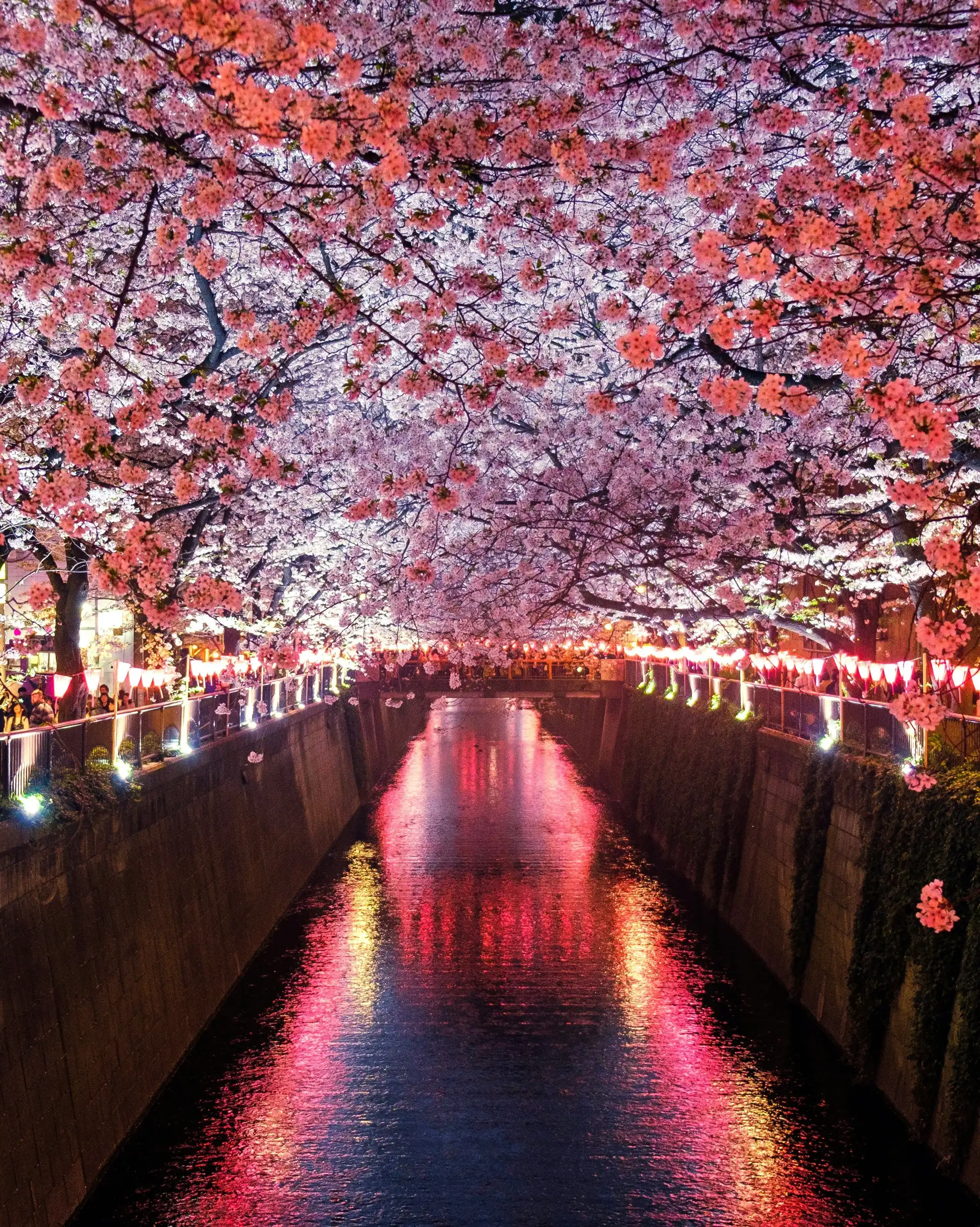
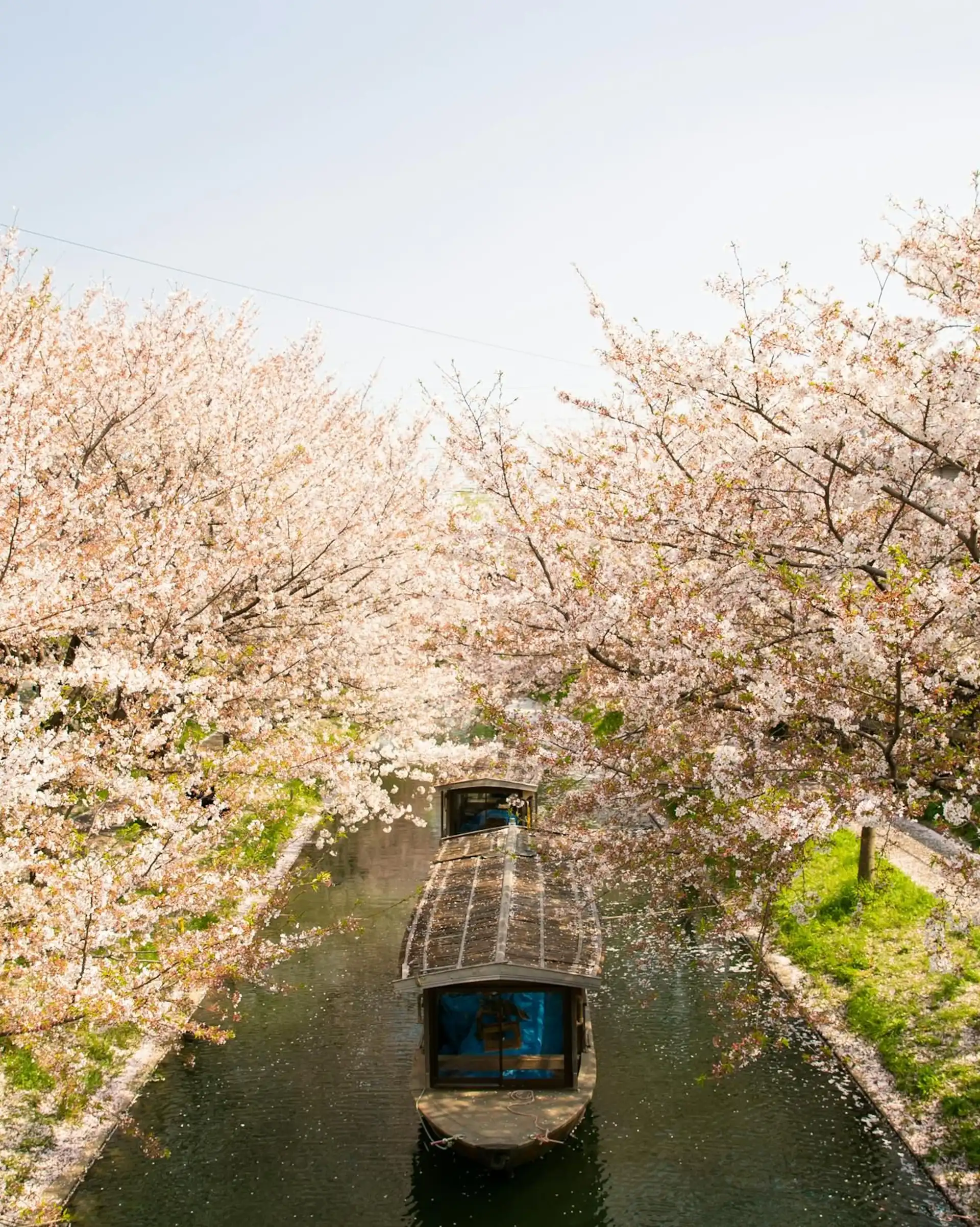
It's impossible to talk about Japanese festivals without mentioning Hanami, the art of admiring cherry blossoms. Every spring, parks fill with families and groups of friends, picnicking in hand, to celebrate the ephemeral beauty of the sakura. Depending on the region (Kyoto, Tokyo, Hokkaido, etc.), the blooming season extends from late March to late April; an updated map is published annually to help plan outings as close as possible to the peak of the blossoms. For a truly magical experience, stroll through a park or along a river under a canopy of pink flowers, from sunrise to sunset.
Golden Week comprises four public holidays between late April and early May, making it a popular time for family vacations and reunions in the countryside. Travel and accommodation are generally booked well in advance.
Children's Day, celebrated on May 5th, is a day to honor all children. Homes decorate their exteriors with Koi nobori, colorful carp-shaped windsocks symbolizing courage and success. In cities like Tokyo and Osaka, hundreds of carp float majestically in the wind – a symbol of hope and optimism for Japanese youth.
In May of odd-numbered years, Tokyo becomes the epicenter of one of the country's three largest festivals: the Kanda Matsuri. Lively processions of mikoshi (portable shrines) accompanied by musicians, dancers, and floats wind through the Kanda and Akihabara districts, creating a vibrant atmosphere that blends history, spirituality, and conviviality. Arriving early and wearing comfortable shoes is recommended to fully enjoy the spectacle.
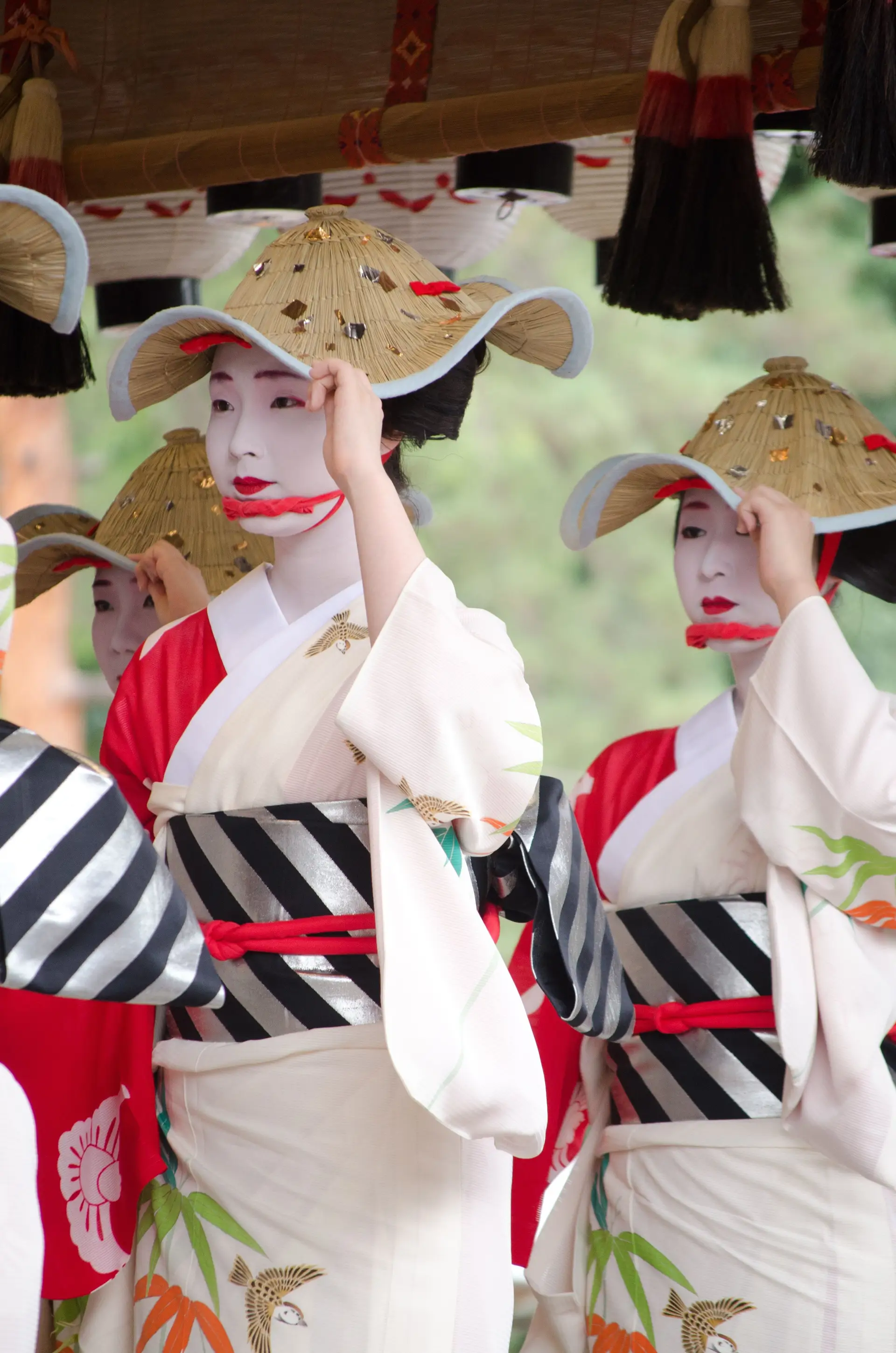
Summer in Japan is synonymous with a multitude of local festivals, where each city showcases its deity or traditions. In Kyoto, the Gion Matsuri (lasting throughout July) impresses with its richly decorated floats, while Osaka comes alive with the Tenjin Matsuri, famous for its performances on the Okawa River and its grand finale fireworks display. Tokyo hosts the Mitama Matsuri at Yasukuni Shrine, illuminated by thousands of lanterns in homage to the spirits. These festivals encompass entertainment, parades, dances, street performances, and community participation.
On July 7th, Tanabata celebrates the legendary love between the stars Vega and Altair, separated in the sky and reunited once a year. The Japanese write their wishes on tanzaku (colored paper strips) which they hang from bamboo branches and then throw into water or burn to have their wishes granted.
Obon, in the heart of summer, marks the symbolic return of the spirits of the deceased to their families. The Japanese gather to place flowers on graves, light lanterns in front of houses, or float them on rivers (Tōrō nagashi), in a poetic gesture of remembrance. Throughout the country, traditional Bon Odori dances bring together young and old around the central stages. The dates vary by region, but most of the country celebrates Obon around mid-August.
From August 12th to 15th in Tokushima (Shikoku), the Awa Odori is the largest dance festival in Japan. Dance groups dressed in colorful yukata parade joyfully, drawing the crowd into their lively rhythm. Good cheer, a friendly, community atmosphere, and opportunities to learn traditional dances make this festival an exceptional experience. Be sure to book in advance and arrive early to enjoy the festivities!
In northern Japan, the Aomori Nebuta Matsuri features enormous floats illuminated with mythical figures made of wallpaper, accompanied by haneto dancers. Also in August, the Gujo Odori (Gifu) invites everyone to dance in the streets, day and night, in a friendly and inclusive atmosphere, unique among the country's festivals.
On August 6, the city of Hiroshima gathers for the Peace Memorial ceremony, commemorating the victims of the atomic bomb with floating lantern rituals and an emotionally charged minute of silence.
As summer draws to a close, Japan celebrates the mysterious beauty of the full moon during Tsukimi, through poetry, music, and the enjoyment of dango (sweet dumplings). It is a tribute to nature and an opportunity to give thanks for the harvest in a peaceful atmosphere.
Halloween, inspired by American tradition, is increasingly popular in Japan. In Tokyo, the festivities are in full swing in the Shibuya district, where original costumes, a friendly atmosphere, and nighttime celebrations attract a young and colorful crowd.
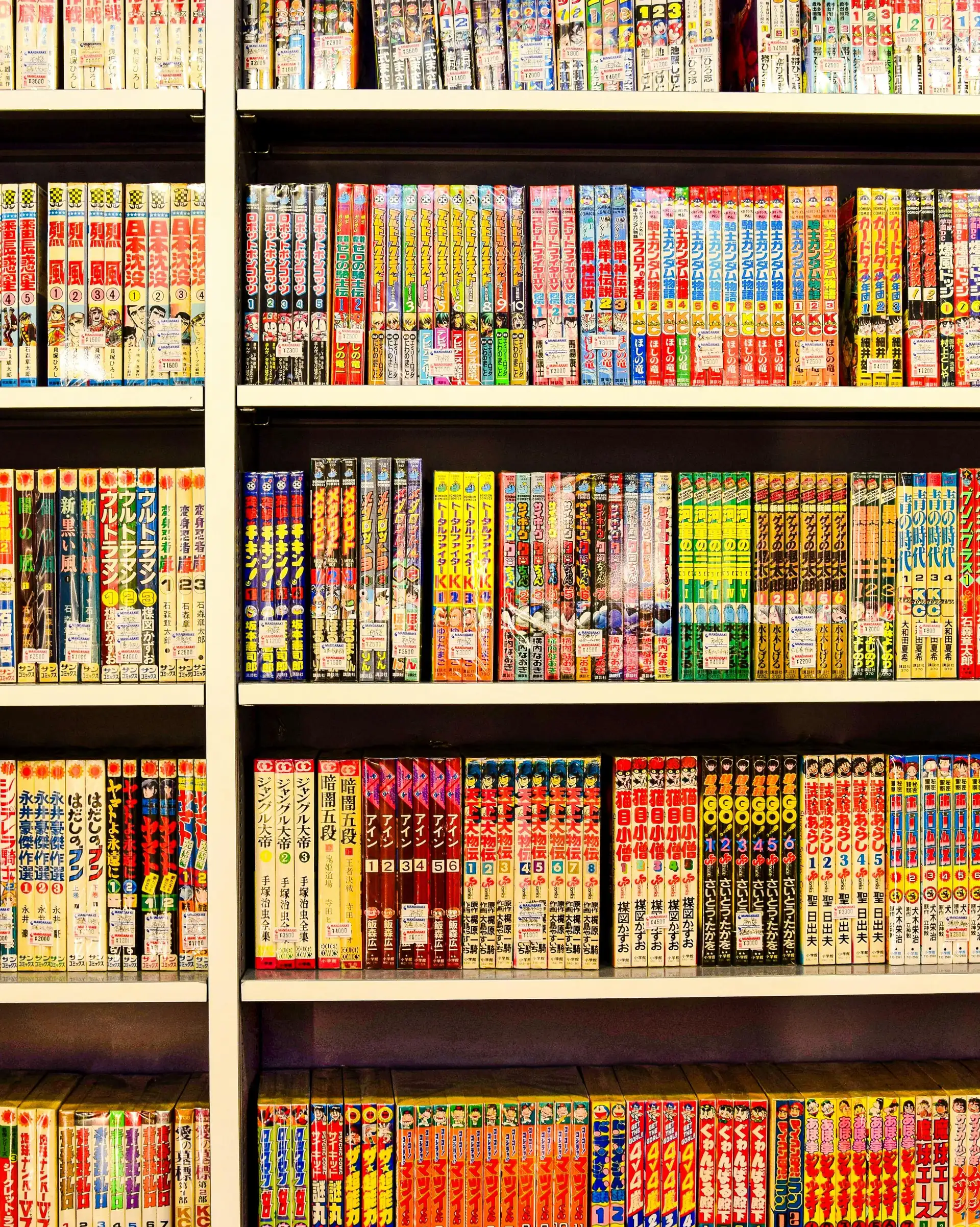
New trends are enlivening the autumn: modern music festivals (Summer Sonic, Ultra Japan), events dedicated to manga and anime culture (Anime Japan, Comiket), and contemporary art exhibitions (Setouchi Triennale). These events, often urban, blend tradition and modernity, offering new facets to explore during a trip.
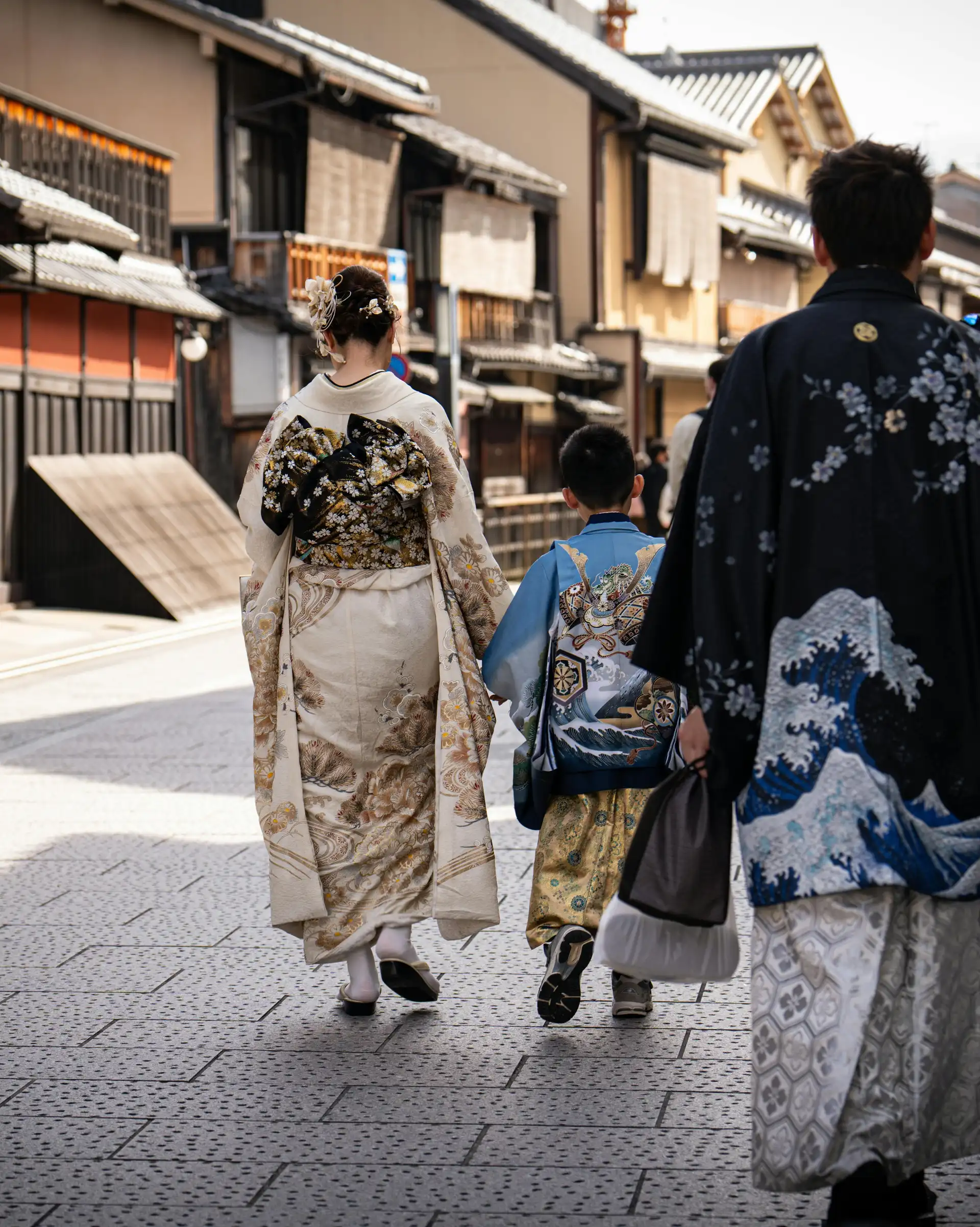
This Shinto ceremony welcomes children aged 3, 5, and 7 to shrines to thank the deities for their healthy growth. The children, dressed in traditional clothing, receive sweets and protective amulets.
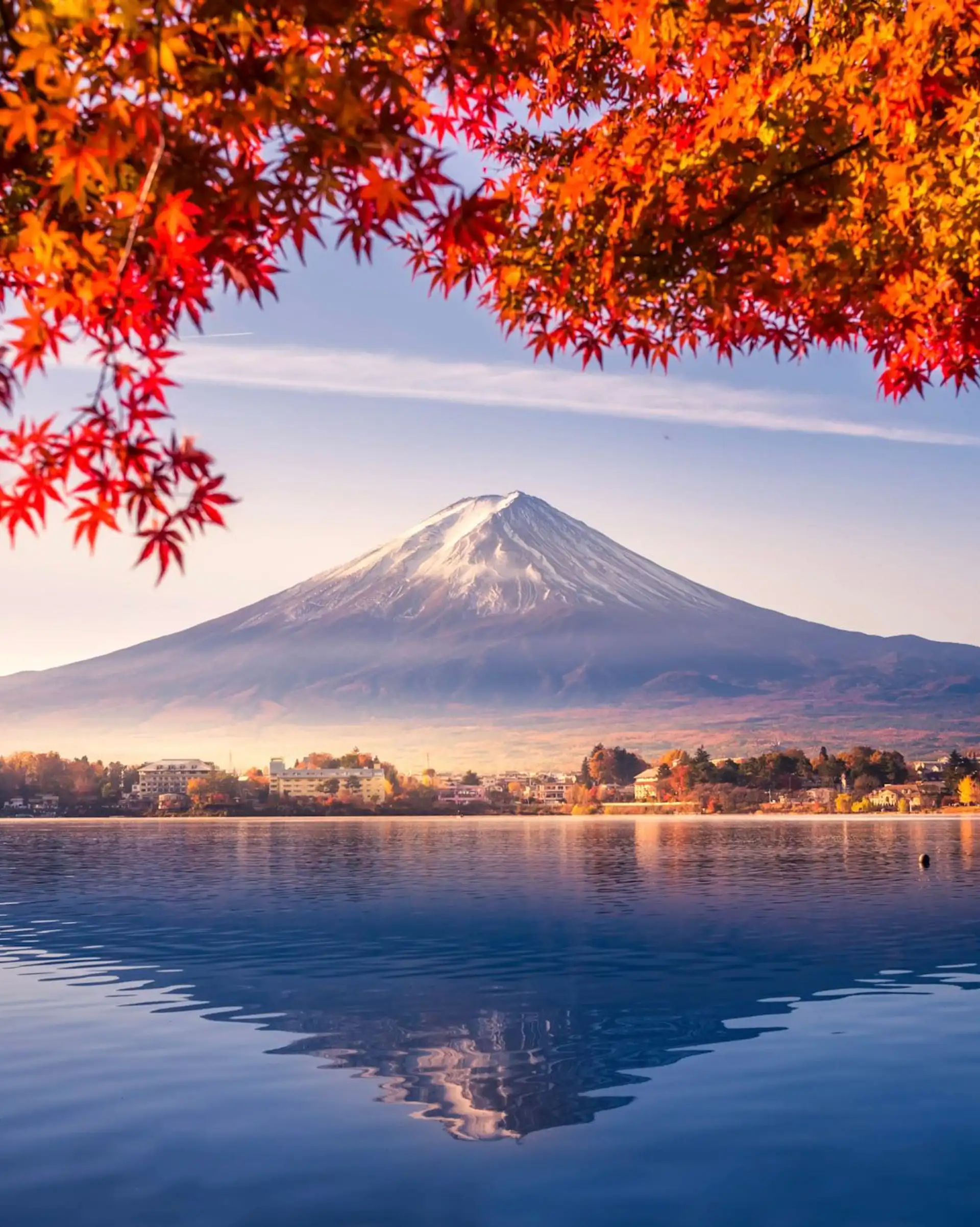
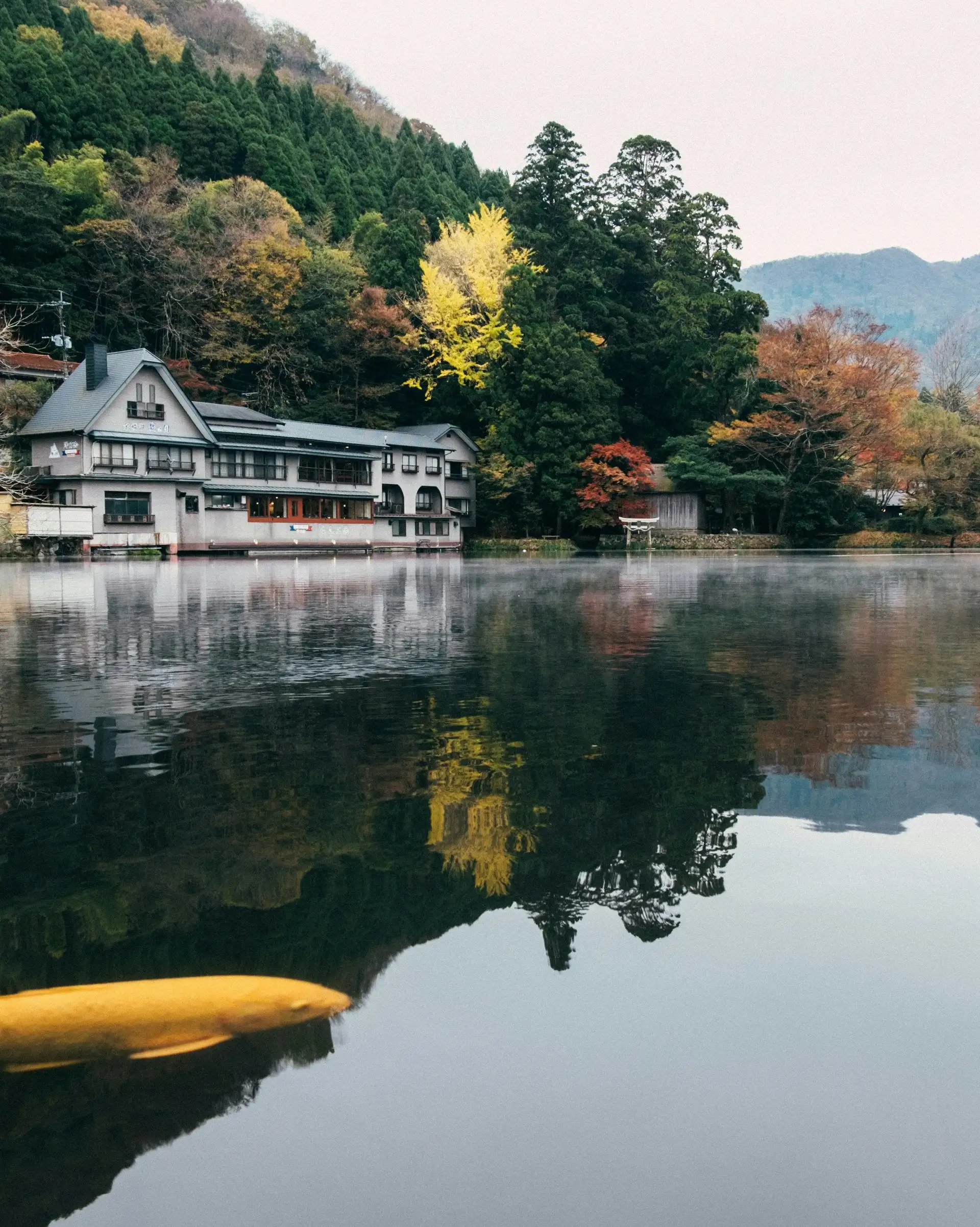
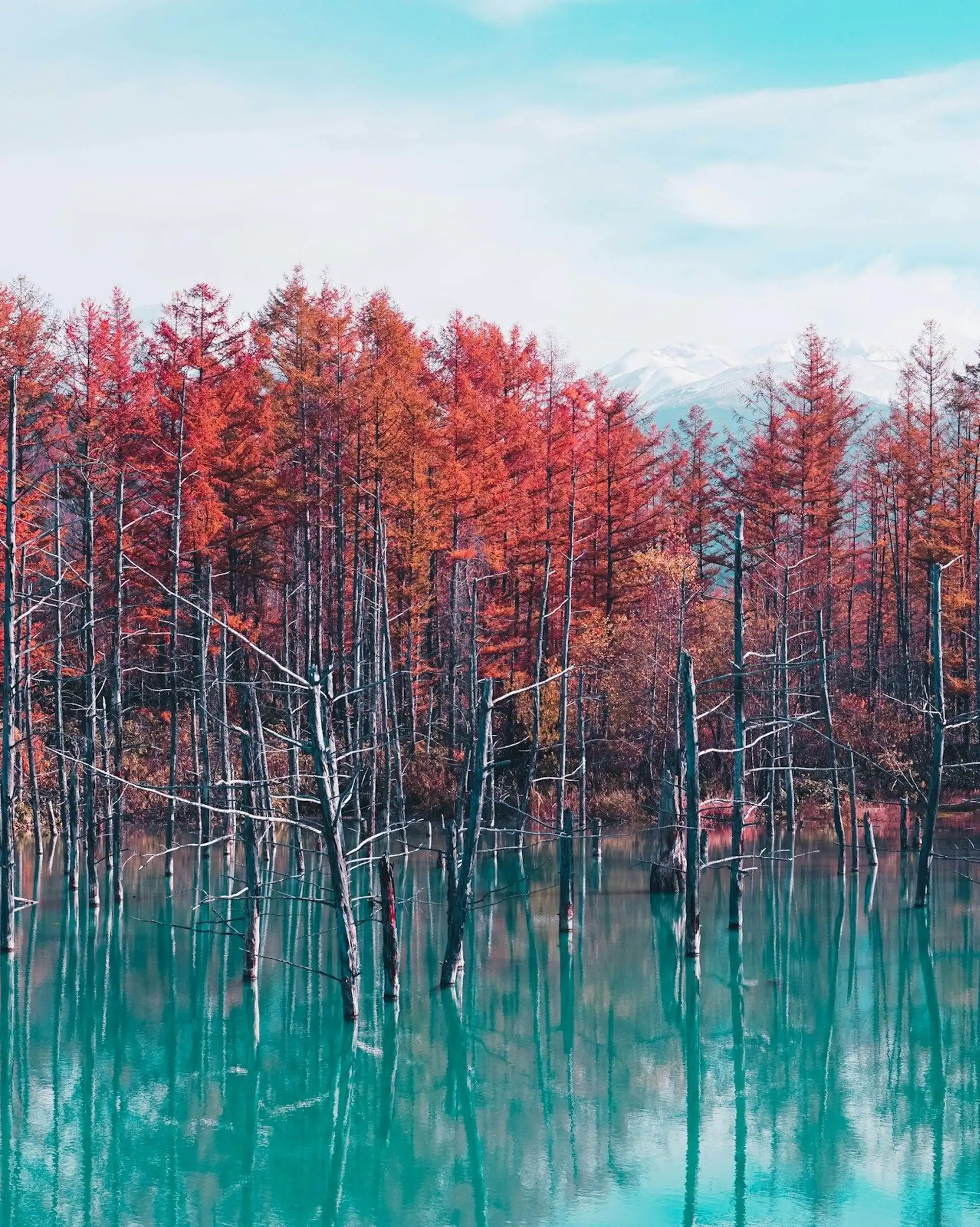
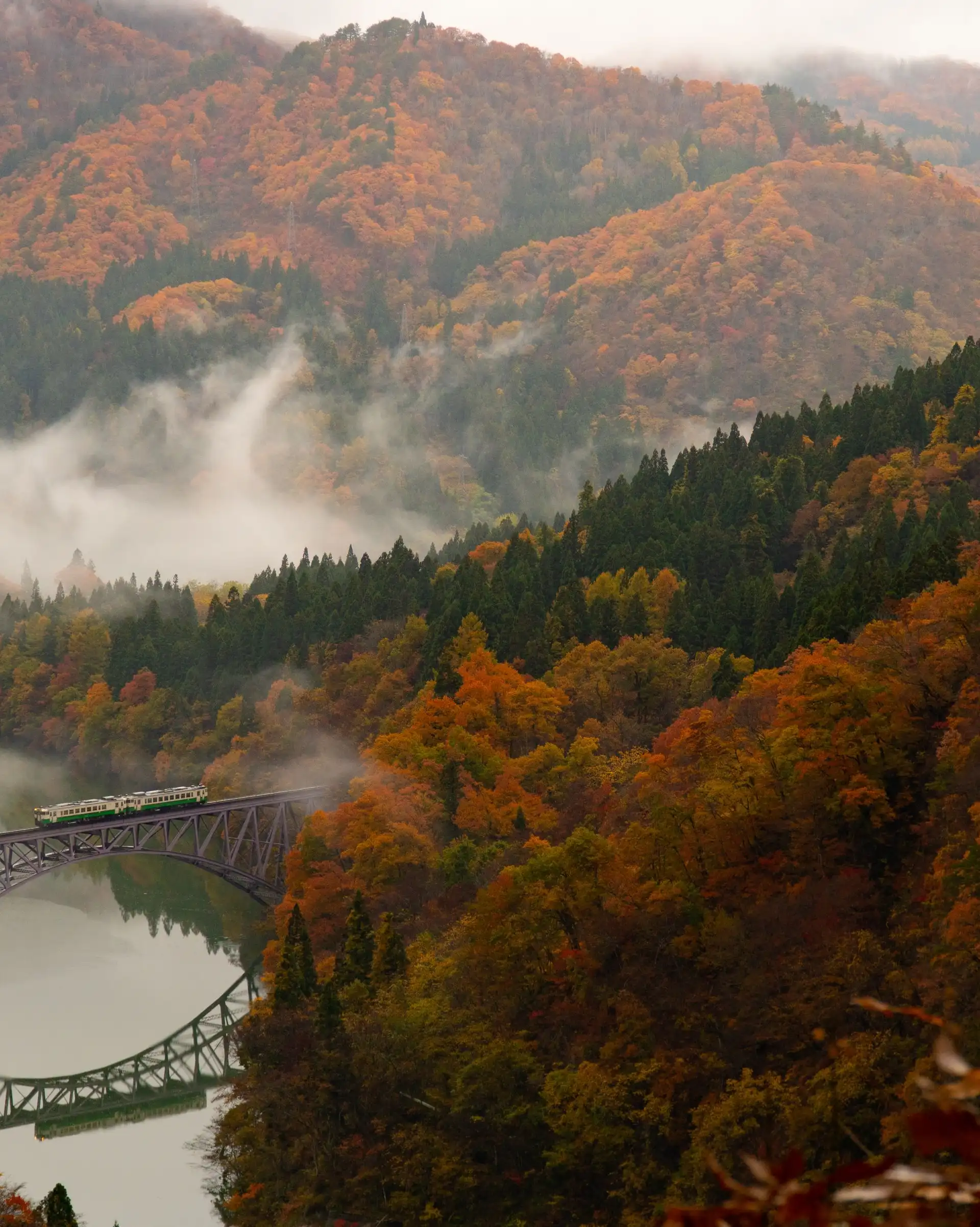
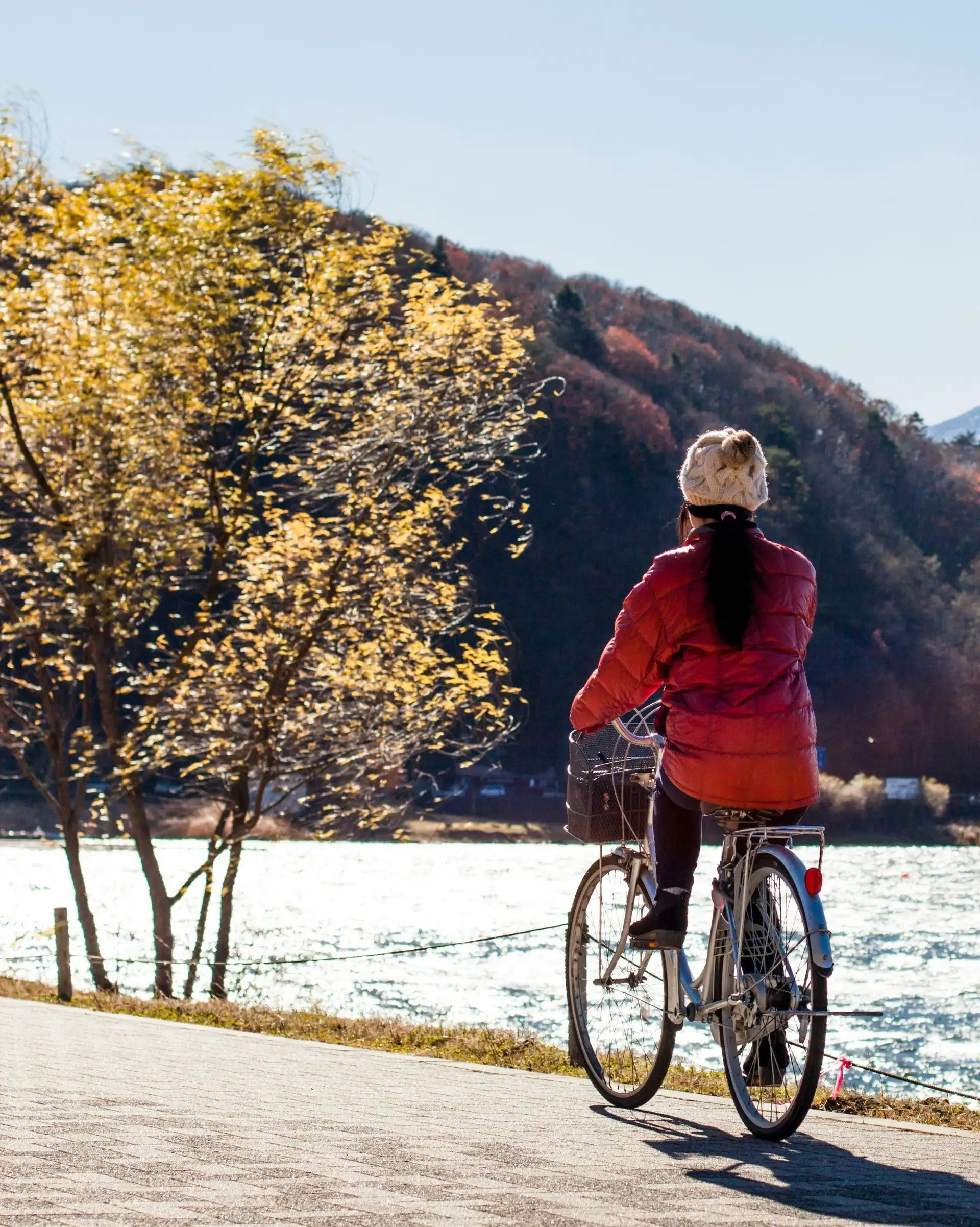
A cherished tradition is to visit the autumn foliage (momiji). Hokkaido (from mid-September), Tohoku (October-November), Tokyo, and Kyoto (November) are among the most spectacular regions for viewing the autumn leaves. Kyoto's temples (Tofukuji, Kiyomizu-dera), Arashiyama Forest, and Shinjuku Park in Tokyo offer enchanting settings. Every autumn, an updated map indicates the peak foliage season in each region.
Christmas, while popular in shops and among couples, remains a relatively uncommon family celebration. From mid-December onwards, the priority shifts to New Year's preparations: thorough cleaning, shopping, and the preparation of mochi and festive dishes. Winter decorations and lights, found throughout the cities, add a touch of magic to the end of the year.
Participating in a Japanese festival involves respecting certain rules and embracing local hospitality:
The calendar of Japanese celebrations is constantly expanding. Among the major upcoming events are:
Japan is constantly innovating, offering travelers a journey between ancient traditions and vibrant contemporary events, to be discovered throughout the year for an unforgettable immersion.
Subscribe and receive our travel inspirations and practical advice twice a month.

Wanting to share your trip with a group?









![Alignement de maisons de pêcheurs traditionnelles funaya au bord de l'eau dans le village de pêcheurs d'Ine au Japon[cite: 10].](https://dozjp40rj04ea.cloudfront.net/eyJidWNrZXQiOiJzaGFudGktc3RyYXBpLXVwbG9hZHMiLCJrZXkiOiJKYXBvbl9JbmVfVmlsbGFnZV8wMDk0MjE5MTYwLmpwZyIsImVkaXRzIjp7InJlc2l6ZSI6eyJmaXQiOiJjb3ZlciIsIndpZHRoIjoyNTZ9LCJ0b0Zvcm1hdCI6IndlYnAiLCJ3ZWJwIjp7InF1YWxpdHkiOjU1fX19)