Responsible travel to Japan
Travelling responsibly in Japan is above all about respecting social rules and places, limiting your environmental impact, and supporting initiatives that benefit local communities.
Like other major industrialised countries, Japan faces challenges related to greenhouse gas emissions and pollution. Responsible travel in Japan is therefore essential to preserving the country’s beauty and cultural heritage.
Key takeaways
For more responsible travel in Japan The right approach Getting around Prioritise walking, cycling and public transport Reducing waste Use a reusable water bottle and follow local sorting guidelines Protecting nature Stay on marked trails and do not pick plants Supporting the local economy Prioritise local experiences, accommodation and activities Respecting local people Learn a few Japanese words and respect local customs Limiting overtourism Stay longer and explore less-visited regions
Responsible tourism in Japan: a growing approach
Since its creation, your local travel agency in Asia, Shanti Travel, has been committed to responsible tourism in Japan. We raise awareness among our travellers, support environmental organisations, and work with local partners and communities to preserve culture and territories. Japan is developing a growing number of initiatives in support of sustainable tourism:
Labels and certifications:
- The Japan Sustainable Tourism Standard for Destinations (JSTS-D) certifies cities and regions committed to environmental sustainability (Kyoto, Otaru, Minakami…). These labels help travellers choose destinations where their impact can be better managed.
The role of local communities:
- Ecotourism relies on the direct involvement of local residents, particularly in rural villages and national parks, where tourism helps support the local economy and preserve traditional know-how.
Local sustainable practices:
- Many regions are developing immersive experiences (hiking, farming, crafts, etc.) that encourage travellers to respect and understand the local environment.
- Choosing slow tourism:
Staying longer, prioritising less-visited regions and natural parks helps showcase local heritage without contributing to overtourism. An eco-friendly trip to Japan also means being aware of your impact on the environment and making choices that benefit everyone.
Tips for responsible travel in Japan
- Prioritise electric bicycles, walking or low-impact transport whenever possible.
- Choose reusable fabric bags when shopping and refuse single-use plastic bags.
- Avoid consuming products derived from whaling or endangered species.
- Learn a few Japanese words to build connections and encourage meaningful exchanges with local people.
- Choose a reusable water bottle and limit your use of the ubiquitous plastic-bottle vending machines.
- Respect Japan’s strict waste management and sorting rules:
- Find out about local guidelines, as they vary between municipalities and neighbourhoods.
- Use the specified bags, which are often transparent and may vary in colour depending on the type of waste: combustible, non-combustible, recyclable, cans, glass, plastic, etc.
- Respect the designated collection days and drop-off points. Putting out waste at the wrong time or sorting it incorrectly may result in a reprimand.
- Make sure to wash plastic containers and boxes before disposing of them. For bulky waste, an appointment and a paid collection sticker are often required.
- Choose eco-friendly or rural accommodation with recognised certifications or labels (e.g. HOTEL WHY in Kamikatsu, a zero-waste hotel; Good Nature Hotel in Kyoto; traditional houses in Best Tourism Villages).
- Avoid walking off marked trails or picking rare plants, and stay on designated paths to protect fragile ecosystems.
- Reduce your electricity consumption by adopting simple habits in your accommodation.
- Respect local customs (for more information, read our article on cultural differences in Japan).
- Take part in activities that contribute to the preservation of traditions and ecosystems:
- Visit eco-conscious micro-communities (e.g. Kamikatsu, Fujino) that promote advanced recycling and offer craft workshops using recycled materials.
- Learn about organic farming or woodworking through Moku-iku educational workshops (Hokkaido), combining sustainability with learning about traditional values.
- Get involved by staying in eco-villages or volunteering with organisations that support rural revitalisation and local mutual aid.
The country is home to many national natural parks that protect Japan’s rich ecosystems, including hot springs, mountains and ancient forests. Ecotourism takes on its full meaning here by encouraging visitors to observe without disturbing:
Akan-Mashu National Park (Hokkaido):
- Majestic lakes, hiking trails, pristine nature, and opportunities to encounter wildlife such as deer and foxes.
Yoshino-Kumano National Park (Kansai):
- Particularly spectacular in spring, when thousands of cherry trees are in bloom.
Shirakami-Sanchi (Northern Honshu):
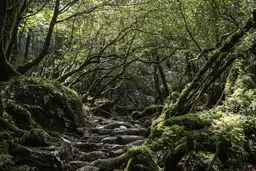
- One of Japan’s last remaining temperate forest areas, a UNESCO World Heritage Site that is unique and largely untouched.
Shiretoko National Park (Hokkaido):
- A UNESCO World Heritage Site home to protected species, including large birds of prey, cetaceans and marine mammals.
Going further
A responsible trip to Japan does not happen by accident. It is a respectful mindset expressed through everyday actions and travel choices. At Shanti Travel, drawing on our experience in Asia and our network of committed local partners, we help you explore Japan differently, connecting with living traditions and protected natural environments.
To best prepare for your responsible trip, discuss your plans with our experts and build an itinerary that prioritises immersion, local connections and the preservation of this unique land. Travelling responsibly in Japan is above all about respecting social rules and places, rather than focusing solely on reducing your environmental impact.
FAQ - Responsible travel in Japan: practical questions
Use a reusable water bottle and reusable bags, and find out about local waste-sorting rules. Guidelines may vary between municipalities and neighbourhoods.
Prioritise locally managed accommodation, activities and experiences. Staying in rural areas and taking part in craft or farming experiences can help support the local economy.
Walking, cycling and public transport should be prioritised whenever possible. Japan has an extensive transport network that allows travellers to move between many regions without always relying on a car.
Stay on marked trails, avoid going off-trail or picking plants, and observe wildlife without disturbing it. In natural areas, always follow local rules.
Our travel ideas for Japan


Our travel guides to Japan
Japan Itinerary: 3 Weeks – My 21-Day Route

Tattoo Friendly Onsen in Japan: What to Know Before You Go

Japan Luggage Forwarding: How Takkyubin Works, Cost and T...

Japanese Temples and Shrines: Our Experts' 5 Best Picks

Japanese Desserts: 10 Sweets to Try on Your Trip to Japan