Religions in Japan
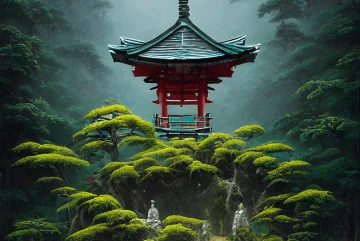
When traveling in Japan, it is hard to miss the country's deep spirituality. From red torii gates tucked away in the mountains to temples clouded with incense smoke and vibrant matsuri festivals filling the streets year-round, religion is woven into the very fabric of Japanese life.
And yet, when I first arrived, I found myself a bit lost. What is the actual difference between a temple and a shrine? Why do Japanese people seem to practice multiple religions at once? And most importantly, why does everyone end up buying a goshuin "just to see" before ultimately coming home with five full books and bags packed with omamori?
To truly grasp Japanese spirituality, one must first understand that Japan has never strictly opposed one religion to another. Shintoism and Buddhism have coexisted for centuries, often sharing the exact same grounds. Even today, many Japanese people practice rituals from both traditions without seeing any contradiction.
The History of Religion in Japan
Japan’s native religion is Shintoism, an ancient belief system centered around the kami—spirits or deities connected to nature, ancestors, and natural phenomena.
In the 6th century, Buddhism arrived from Korea and China. Far from replacing Shintoism, it gradually merged with it. For centuries, the two religions coexisted so closely that some shrines and temples used to share the same physical spaces. This lasted until the 19th century, when the imperial government officially reinstated Shintoism as the national religion.
Today, this coexistence remains highly visible in daily Japanese life: people might have a Shinto wedding, a Buddhist funeral, and visit a shrine for New Year’s. The practices constantly intertwine.
Shintoism: The Religion of the Kami
The Japanese imperial family also holds a significant place in this tradition, as they are traditionally considered descendants of the sun goddess, Amaterasu.
How to Recognize a Shinto Shrine ?
Shinto shrines (jinja) are easily recognized by their iconic torii, the red gates that mark the entrance to a sacred space.
You will also typically find:
- A water pavilion for purification (chozuya)
- Sacred straw ropes called shimenawa
- Buildings that are generally minimalist and open to the surrounding nature
Shrine Etiquette
Before praying, visitors purify their hands and mouth at the stone water basin. Once in front of the altar:
- Toss a coin into the offering box
- Bow twice
- Clap your hands twice
- Bow one last time
It sounds simple on paper. It is a lot less simple when you are discreetly panicking, watching the locals go before you while trying to remember your prayer.
Major Matsuri
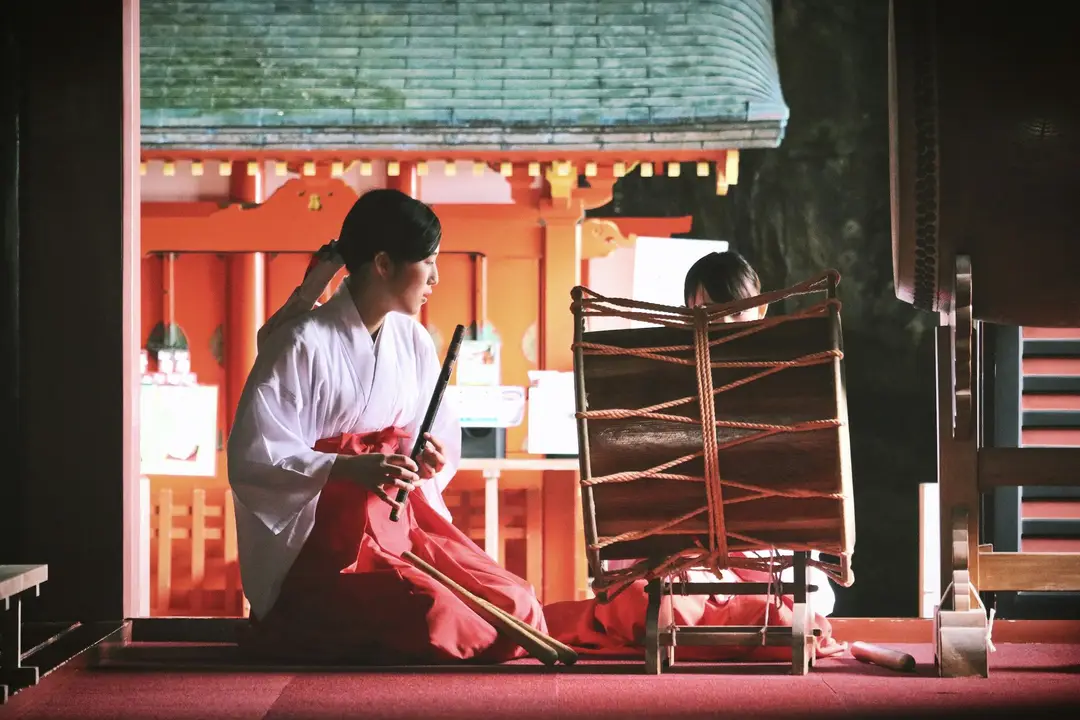
Matsuri are traditional Japanese festivals, usually associated with Shinto shrines. Each region has its own, often held to honor local kami or celebrate the changing seasons.
Among the most famous are:
- Gion Matsuri in Kyoto (throughout July)
- Nebuta Matsuri in Aomori (August 2nd to 7th)
- Tenjin Matsuri in Osaka (July 24th and 25th)
These festivals blend grand processions, music, lanterns, and street food in a wonderfully festive atmosphere.
Buddhism in Japan
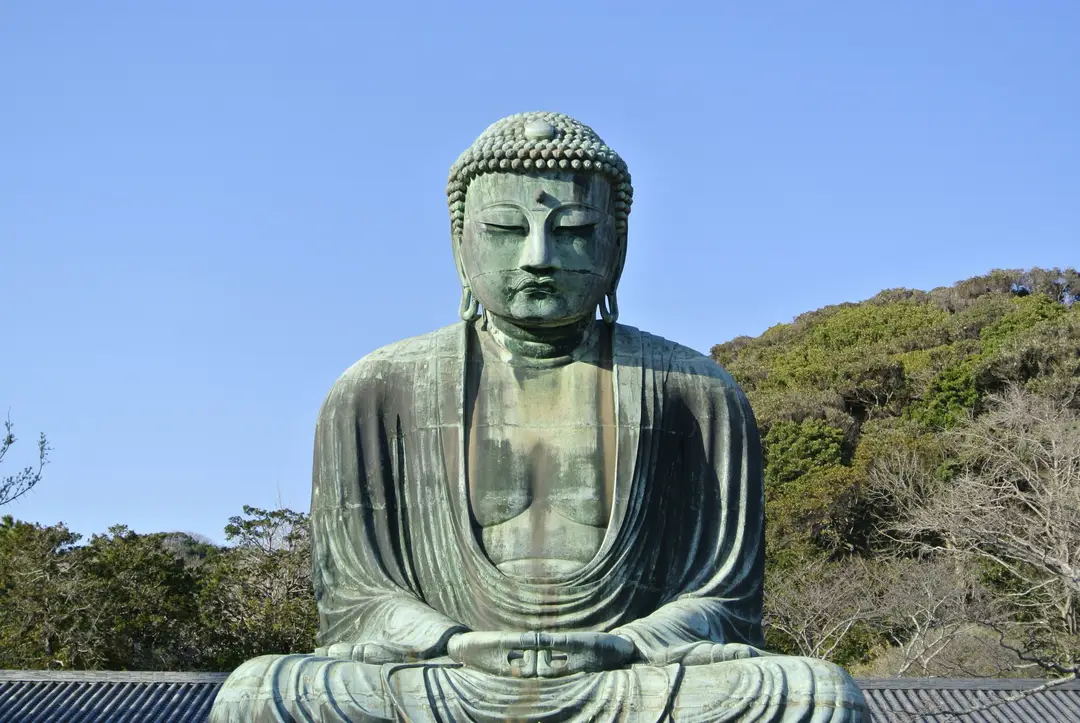
In Japanese temples, you will often encounter several key figures:
- Shakyamuni Buddha, the historical Buddha
- Kannon, the goddess of mercy and compassion
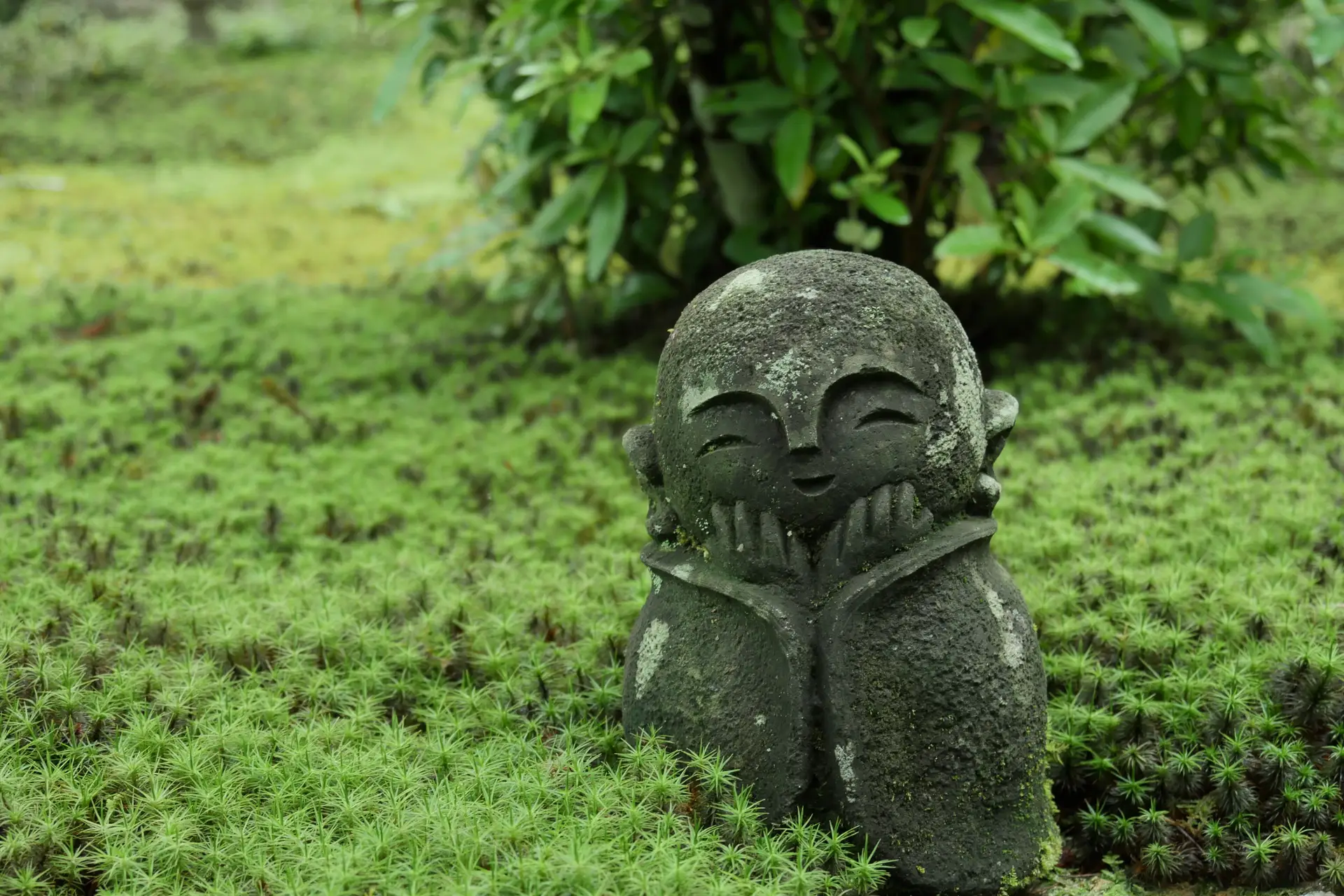
- Jizo, the guardian of travelers and deceased children
- Various protective guardians and deities
Japanese Buddhism is particularly central to ancestral rites, memorials, and funerals.
How to Recognize a Buddhist Temple
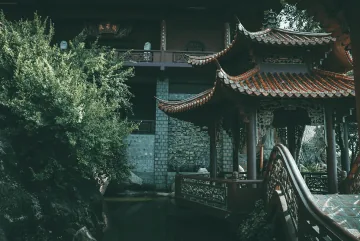
Buddhist temples (tera) generally feature:
- A large, imposing main entrance gate (sanmon)
- Grand statues
- Large incense burners
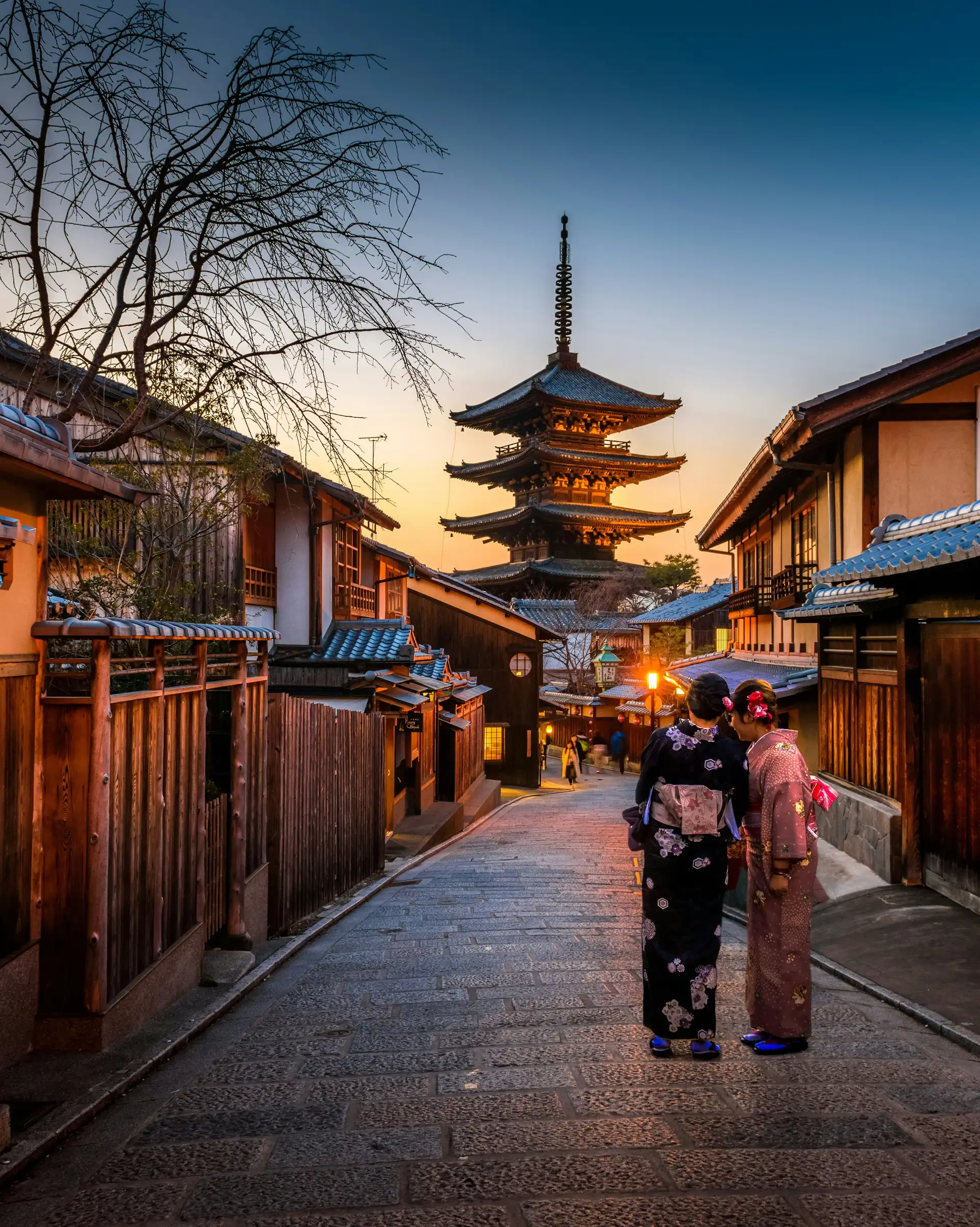
- Sometimes a pagoda
The architecture is often more massive and ornately decorated with gold compared to the minimalist style of Shinto shrines.
Temple Etiquette
At temples, visitors often light incense before praying, as the smoke is believed to purify and bring good fortune. Prayers here are usually silent and offer a more quiet, meditative atmosphere than at Shinto shrines (no hand-clapping is done here).
Minority Religions in Japan
Although Shintoism and Buddhism are highly dominant, other religions are present in Japan. Christianity remains a minority but is historically significant, particularly in Nagasaki, where the history of the "hidden Christians" left a deep impact on the region. You will also find Muslim and Jewish communities, especially in major hubs like Tokyo or Osaka, complete with mosques, synagogues, and dietary-friendly restaurants.
What Souvenirs to Bring Back from a Temple or Shrine ?
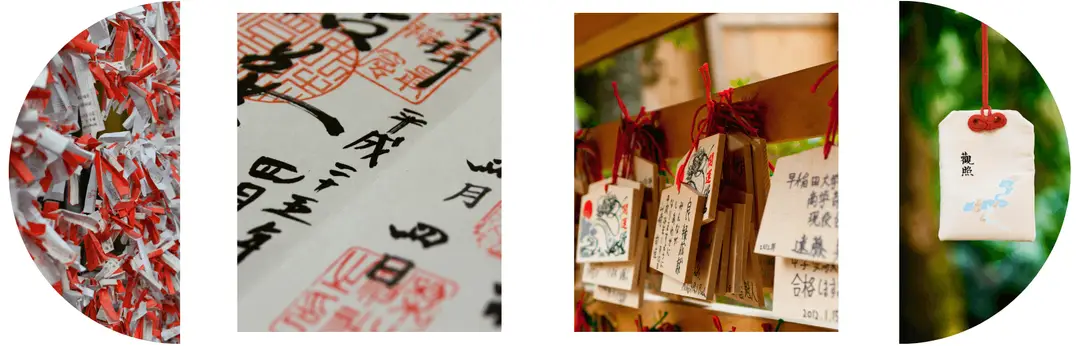
Omikuji
Omikuji are fortune-telling paper slips drawn at random. They cover everything from general luck and bad luck to love, travel, and career. If you draw a bad fortune, tradition dictates that you tie it to a designated pine branch or rack on-site so the bad luck doesn't follow you home.
Omamori
Omamori are protective amulets sold at temples and shrines. There are specific ones for health, studies, business, safe driving, and love. You keep them attached to your bag or in your wallet. Traditionally, they protect you for one year, after which their power fades, and they should be returned to a temple or shrine to be ritually burned.
And honestly, even if you are a skeptic, you easily find yourself buying one every year "just in case."
Goshuin
The goshuin is perhaps the most beautiful keepsake you can collect. It is a hand-painted calligraphy done by monks or shrine staff, accompanied by the red stamp of the site.
If you have a collector's soul, your goshuincho (the dedicated stamp book) quickly becomes a true pilgrimage journal, holding the memories of every sacred place you visited.
FAQ
The distinction lies in the religion: shrines are Shinto and can be recognized by the torii gate marking the entrance to the sacred realm. Temples, on the other hand, are Buddhist, featuring more imposing architecture and housing statues of Buddhist deities. Our experts will gladly share all the insights you need to fully appreciate these differing rites and beliefs during your trip.
Yes, temples and shrines are open to everyone, regardless of faith. However, visitors are expected to show respect by maintaining quiet behavior and dressing appropriately. Please stay within visitor-designated areas, as certain prayer halls or Zen gardens may be restricted to preserve the peace and spiritual integrity of the site.
A Goshuin is a sacred handwritten calligraphy adorned with red stamps, serving as proof of your visit to a place of worship. To collect them, you must purchase a specific book called a Goshuincho. You can buy one directly at most temples and shrines, or at lifestyle stores like Loft or Hands. It is a beautiful keepsake, so it is best to buy your book early in your trip so you do not miss out on your first stops.









![Alignement de maisons de pêcheurs traditionnelles funaya au bord de l'eau dans le village de pêcheurs d'Ine au Japon[cite: 10].](https://dozjp40rj04ea.cloudfront.net/eyJidWNrZXQiOiJzaGFudGktc3RyYXBpLXVwbG9hZHMiLCJrZXkiOiJKYXBvbl9JbmVfVmlsbGFnZV8wMDk0MjE5MTYwLmpwZyIsImVkaXRzIjp7InJlc2l6ZSI6eyJmaXQiOiJjb3ZlciIsIndpZHRoIjoyNTZ9LCJ0b0Zvcm1hdCI6IndlYnAiLCJ3ZWJwIjp7InF1YWxpdHkiOjU1fX19)