3 Week Japan Itinerary: A Day-by-Day 21-Day Route
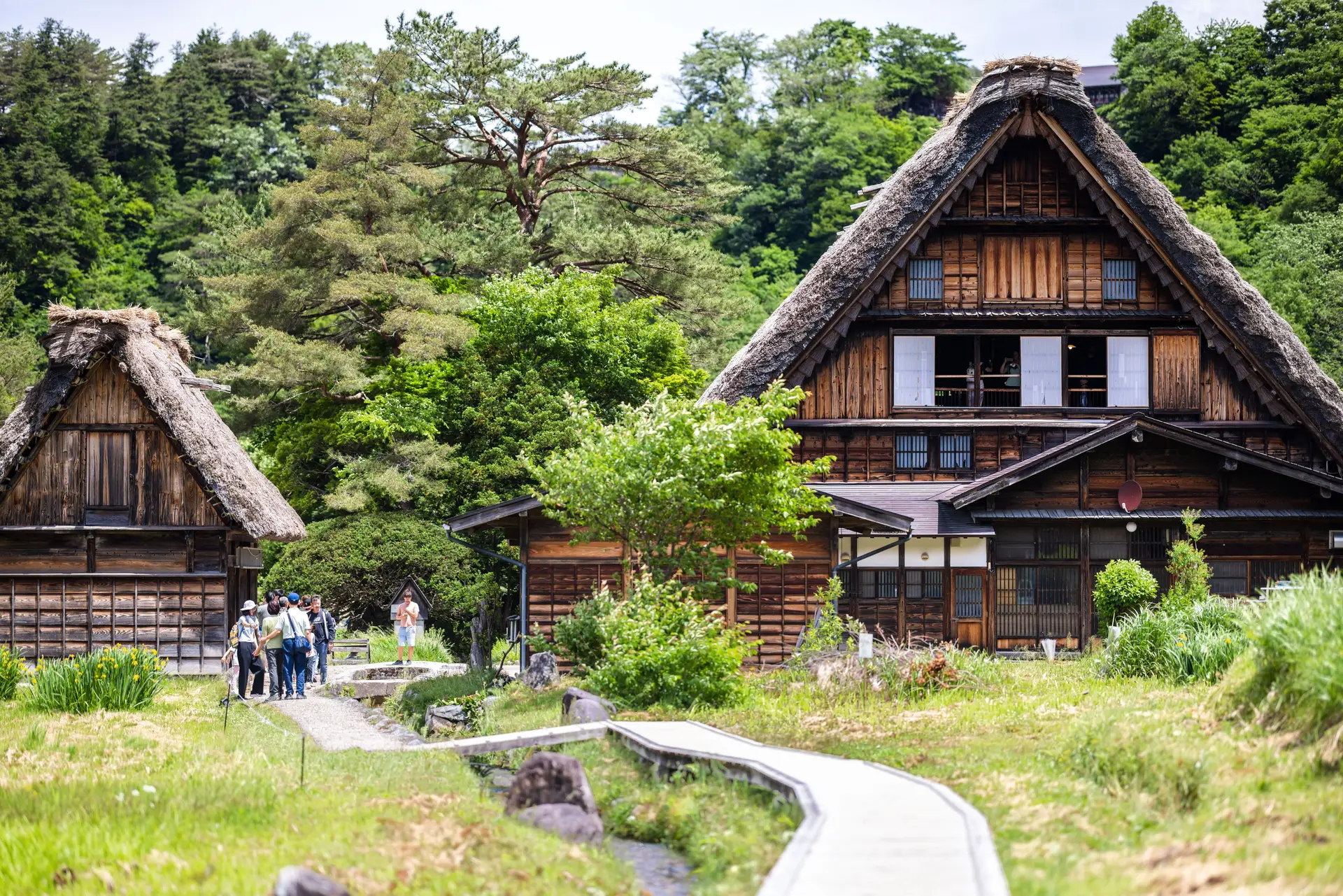
A good 3 week Japan itinerary runs 21 days: Tokyo (4 days), Hakone (1), Kyoto and Nara (5), Hiroshima and Miyajima (2), Osaka (2), then the Japanese Alps via Kanazawa, Shirakawa-go, Takayama and Matsumoto (5), and a last day in Tokyo before you fly home. Three weeks is long enough to travel without rushing.
Need something shorter? The 2-week Japan itinerary for a first trip covers the classic first fourteen days, and the 10-day Japan itinerary is shorter still. This page writes out all 21, so you can follow it from the first night in Tokyo to the flight home.
Japan 3 week itinerary at a glance
The first fourteen days follow the classic route, then you add a week in the Japanese Alps instead of heading straight back from Osaka. The table shows where you sleep each night. Days 15 and 20 are mostly travel days (journey times are further down).
| Days | Stop | Nights |
|---|---|---|
| 1 to 4 | Tokyo | 4 |
| 5 | Hakone | 1 |
| 6 to 9 | Kyoto | 4 |
| 10 | Nara | 1 |
| 11 to 12 | Hiroshima and Miyajima | 2 |
| 13 to 14 | Osaka | 2 |
| 15 to 16 | Kanazawa | 2 |
| 17 | Shirakawa-go | 1 |
| 18 | Takayama | 1 |
| 19 | Matsumoto | 1 |
| 20 | Tokyo | 1 |
| 21 | Departure | 0 |
Yen prices below are converted at about ¥158.64 to US$1 (20 November 2026).
Is 3 weeks too long for Japan?
No. Three weeks fits the classic route plus one extra region, and it is enough to enjoy Japan without rushing. You won't see the country from north to south, but you can add real depth to the main highlights.
Our view is that 21 days is an ideal length: 14 days on the classic itinerary, then a week given to one region, or a few extra stops along the way. Two weeks stays the recommended minimum for the highlights alone. If you have already been to Japan, the extra week is also the easiest place to swap in a different region, such as Kyushu or Okinawa.
How much does a 3 week trip to Japan cost?
Costs depend mostly on hotel level, how many rail passes or tickets you buy, and the season. Our Japan trip cost guide gives the full breakdown, and the figures below come from it (as of October 2026). It prices two weeks at about US$2,400 per person if you organise the trip yourself with simple hotels, and about US$3,500 per person for two weeks in comfort with an agency. International flights are not included.
For the day-to-day items, the guide gives these per-item figures:
| Item | Figure |
|---|---|
| Simple hotel room | from about US$35 a night |
| Metro and bus in the big cities | around ¥5,000 per week (about US$32) |
| Cultural visits | around ¥2,000 per week (about US$13) |
| Entry to a temple or similar site | often ¥300 to ¥500 (about US$2 to US$3) |
Three weeks adds a third week of the same costs, plus the longer train legs of the Alps loop. A budget as low as US$3,000 for the whole three weeks leaves little room beyond the very simplest choices, so check the guide before you fix a number.
Do you need a Japan Rail Pass for a 3 week itinerary?
Probably not for the whole trip. Prices rose on 1 October 2026 (JR Group notice, republished by the Japan National Tourism Organization on 20 April 2026), and a 21-day pass now costs ¥100,000 (about US$630) online on the official site, or ¥105,000 (about US$660) through overseas agencies, as of November 2026.
| Ordinary car, adult | 7-day | 14-day | 21-day |
|---|---|---|---|
| Online, japanrailpass.net | ¥50,000 (about US$315) | ¥80,000 (about US$505) | ¥100,000 (about US$630) |
| Overseas agencies | ¥53,000 (about US$335) | ¥84,000 (about US$530) | ¥105,000 (about US$660) |
The official page says the price at the time of purchase applies, so check it before you buy.
This route has long legs, such as Tokyo to Kyoto and Tokyo to Kanazawa, but also stays of several days in one city. That is why a 21-day pass covering the whole route is rarely needed, while a 7-day pass could cover only part of it. Add up the legs you will actually take before deciding. Our trains in Japan guide explains the train types and tickets.
Train times on this route
Two long legs set the rhythm of the trip. Tokyo to Kyoto by Shinkansen takes about 130 minutes according to JR Central; the fastest timetable is 2h07, with a fare of ¥13,520 (about US$85). Tokyo to Kanazawa on the Hokuriku Shinkansen takes 2h28 according to West JR, or 2h24 on the fastest train, for a fare of ¥14,270 (about US$90).
Treat the fares as a guide, since timetable sites change them. The other legs on the route depend on the train you pick, so allow a half day for the move from Osaka to Kanazawa.
You change base often on this route, so it's worth sending your suitcase ahead. Our luggage forwarding guide explains how hotel-to-hotel delivery works.
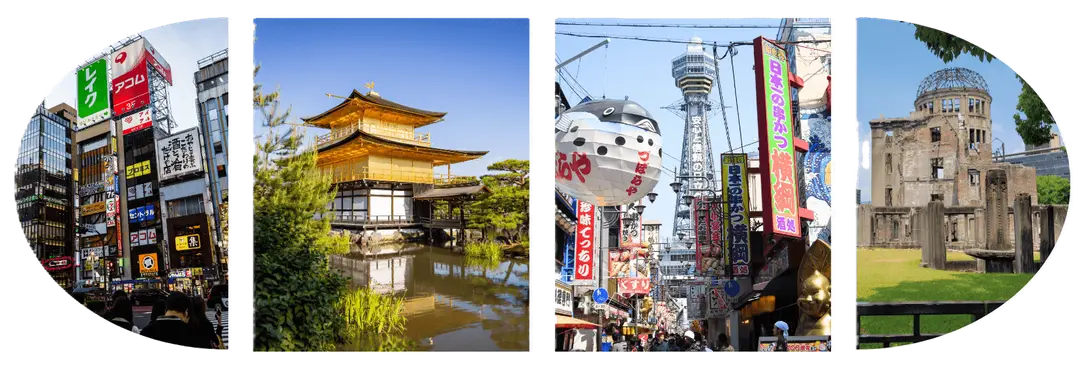
Your 21-day route, day by day
Tokyo, days 1 to 4
Tokyo is the ideal first contact with Japan: neon lights reminiscent of Lost in Translation, shrines tucked between office blocks, and a city that moves between ancient tradition and ultra-modern life at every corner. Spend your first days at:
- Asakusa and Senso-ji Temple
- Shibuya and Shinjuku, the lively districts
- Meiji-jingu and Yoyogi Park
- Calmer neighbourhoods such as Yanaka or Kagurazaka
Hakone, day 5
Hakone is a nature break between Tokyo and Kyoto, with iconic views of Mount Fuji. Take a cruise on Lake Ashi, ride the Owakudani cable car, then spend the night in a ryokan, a traditional inn with onsen baths and a kaiseki meal.
Kyoto, days 6 to 9
Kyoto, the former imperial capital, shows the traditional soul of Japan through its temples, shrines and old districts. Four days give you time to see:
- Fushimi Inari and its thousands of torii gates
- Kinkaku-ji, the Golden Pavilion
- The Gion district and its preserved alleys
- Zen gardens and a tea ceremony
Nara, day 10
Nara is a gentle interlude between culture and nature, about an hour from Kyoto. See Todai-ji and its Great Buddha, walk through Nara Park where the deer roam free, and visit the Shinto shrines set among the trees.
Hiroshima and Miyajima, days 11 and 12
Hiroshima holds a major place in the memory of humanity. See the Peace Memorial Park and the A-Bomb Dome, and try okonomiyaki in the modern districts. The museum may not suit young children. Miyajima, a short trip away, is easier for all ages: the floating torii of Itsukushima Shrine and walks with views of the Inland Sea.
Osaka, days 13 and 14
Osaka is often called the gastronomic heart of Japan, and it feels more spontaneous than Tokyo or Kyoto. Walk the Dotonbori district, see Osaka Castle and eat at the street food stalls. Leave on the evening of day 14 or the morning of day 15 for Kanazawa.
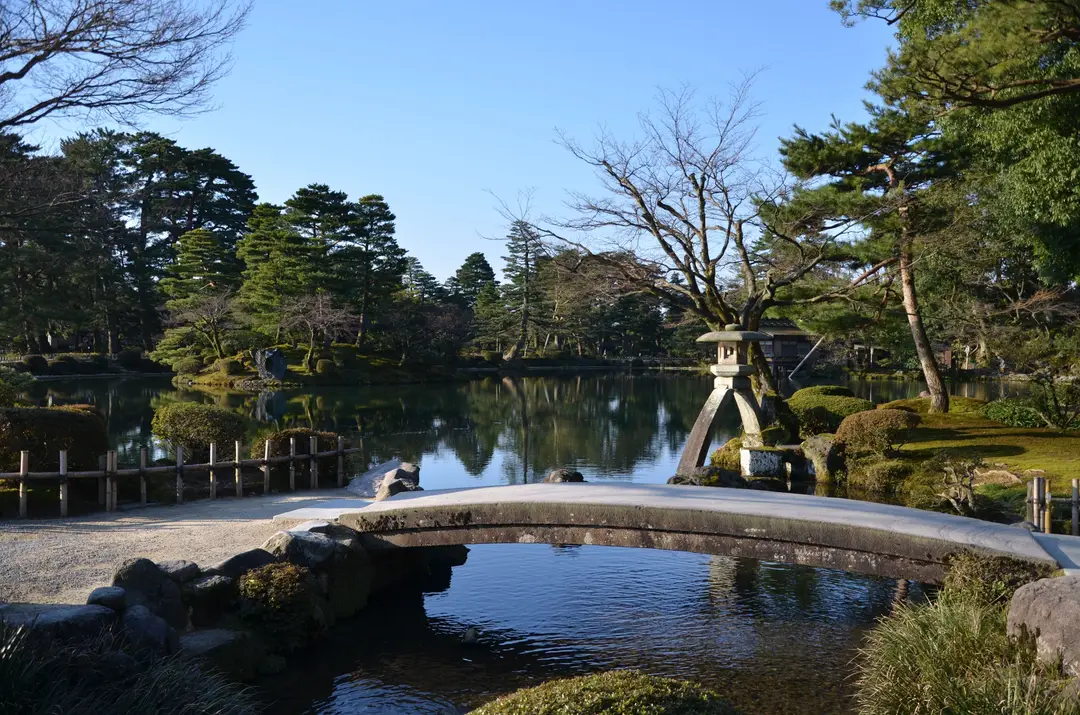
Kanazawa, days 15 and 16
Here the trip turns towards the Japanese Alps. Kanazawa is a perfect stop for another side of traditional Japan, with its samurai district and former geisha districts. It is also a good place to meet Japanese craftsmanship. The local speciality is gold leaf, found on handcrafted objects and on some dishes, where it sits directly on the plate.
Expert tip: visit the gold leaf museum or one of the workshops in the area. You can often take part and make your own piece.
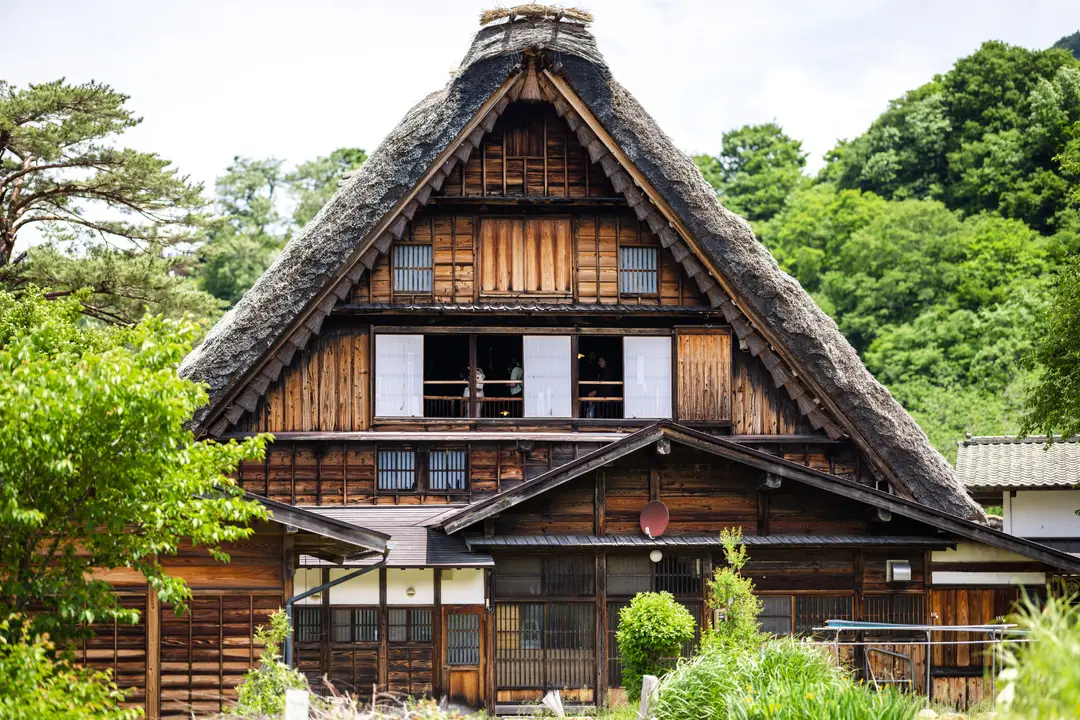
Shirakawa-go, day 17
Continue to Shirakawa-go, a small village in the mountains and a UNESCO World Heritage Site. Whatever the season, you'll find the famous traditional houses with thatched roofs that give the village its character.
Expert tip: the village is easy to reach by bus, but you must book in advance. The bus operator, Nohi Bus, states that seats must be reserved (as of November 2026). Our team can handle the booking, so you travel without worrying about reservations.
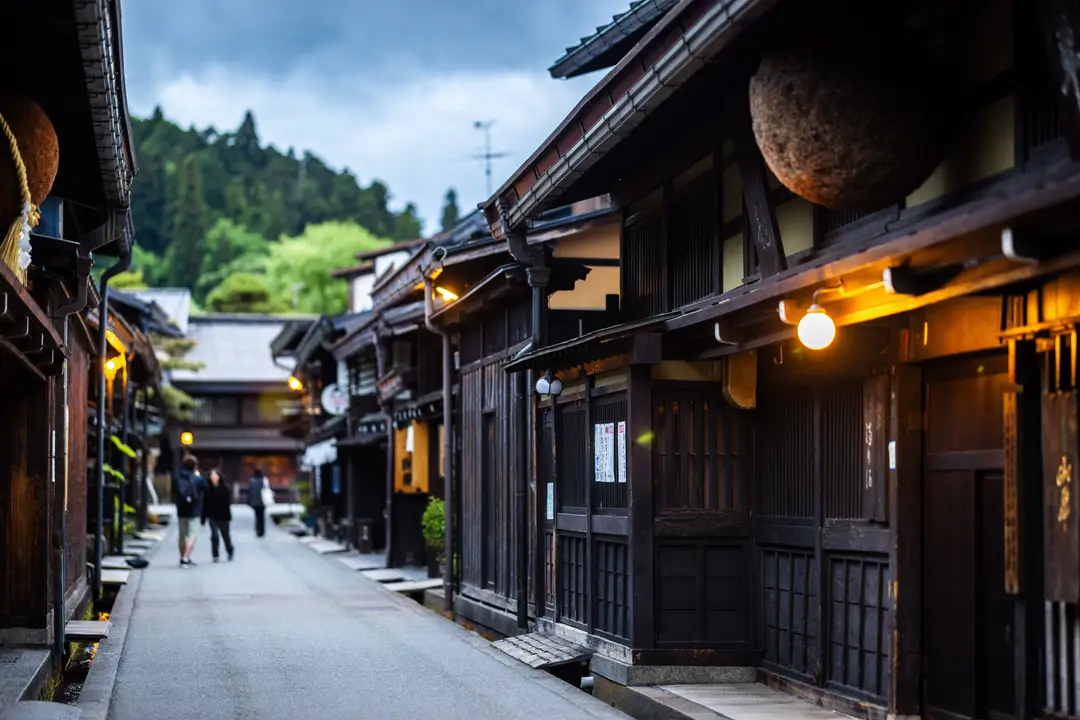
Takayama, day 18
The last stop of the Alps loop proper, Takayama shows a more rural, traditional side of Japan. Take your time in the old town, with its wooden houses, small shops and local crafts.
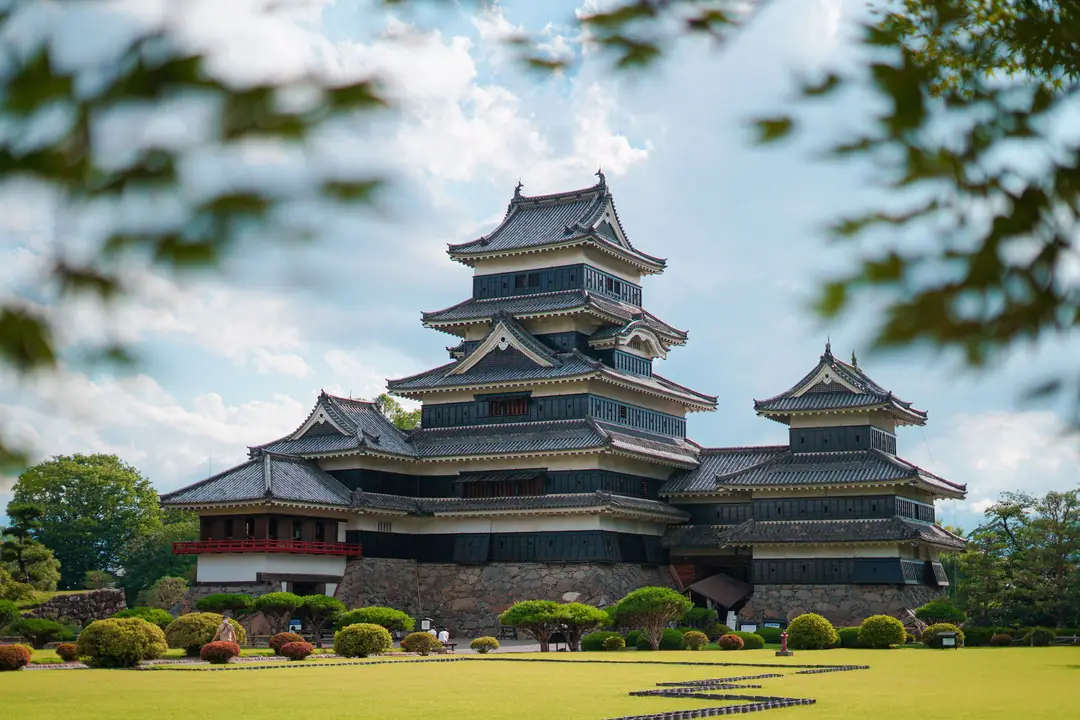
Matsumoto, day 19
Matsumoto is known for its castle, one of the few original Japanese castles still standing. Its historic centre has traditional houses, small shops and old shopping streets, a pleasant break between the mountains and the capital.
Above all, visit Matsumoto Castle, which is particularly pleasant in the morning. Entry is ¥1,200 (about US$8) with an e-ticket or ¥1,300 (about US$8) with a paper ticket, timed entry, as of November 2026 according to the official castle site. Opening hours are 8:30 to 17:00 (japan-guide.com, September 2025). If you have more time, stroll along Nawate-dori and Nakamachi, both close to the castle.
Taking the Alps stretch with a local expert saves a lot of logistics: the reserved bus, the changes between towns and the luggage. If you'd like that handled, tell us your dates and pace.
Back to Tokyo, day 20, and departure, day 21
After the Alps, head back to Tokyo for your last moments in Japan. Use the day for some last-minute shopping, a neighbourhood you particularly liked, or simply the atmosphere of the capital one last time before you leave.
Variations on the 3 week route
This itinerary isn't set in stone. The extra week is the flexible part:
- Spend longer in the Alps, or add a few extra stops along the way.
- Add Okinawa or Kyushu instead of the Alps loop if you want beaches or a different region.
- Change the season: sakura, autumn colours or winter all change what you will want to do.
Our Grand Tour of Japan programme follows this itinerary, and the trip page shows how it runs.
Plan your 3 week Japan itinerary with a local expert
Shanti's local experts in Japan adapt the route to your pace, your hotels and your season. Tell us what you want from three weeks, and we'll build the trip around it, from the Rail Pass decision to the Shirakawa-go booking. Start your 3 week Japan trip request.
3 week Japan itinerary FAQ
Nohi Bus requires a seat reservation, so book as soon as your dates are fixed, particularly in busy seasons. Check the operator's page for the current timetable and fare before you go. Our team can also make the reservation as part of a tailor-made trip.
Tokyo, Osaka and Miyajima are very popular with families, so the classic half of the route works well. Pace is the main thing to adjust, with fewer one-night stops. Shanti also offers a family trip to Japan built for mixed ages.
Yes, you can fly into Osaka and out of Tokyo and run the route in reverse, with the Alps in the middle. From the airport to central Osaka it takes 45 to 60 minutes, by JR Haruka or Nankai (secondary source, undated).
Our travel ideas for Japan
Our travel guides to Japan

Onsen Etiquette in Japan: 9 Rules Before Your First Soak
Japanese Temple Guide: Types, Names and Our 5 Best Picks

Tattoo Friendly Onsen in Japan: 7 Baths and Private Options

Japanese Desserts and Sweets: 10 to Try on Your Trip to J...
How Much Is a Trip to Japan? 2026 Costs from US$2,400